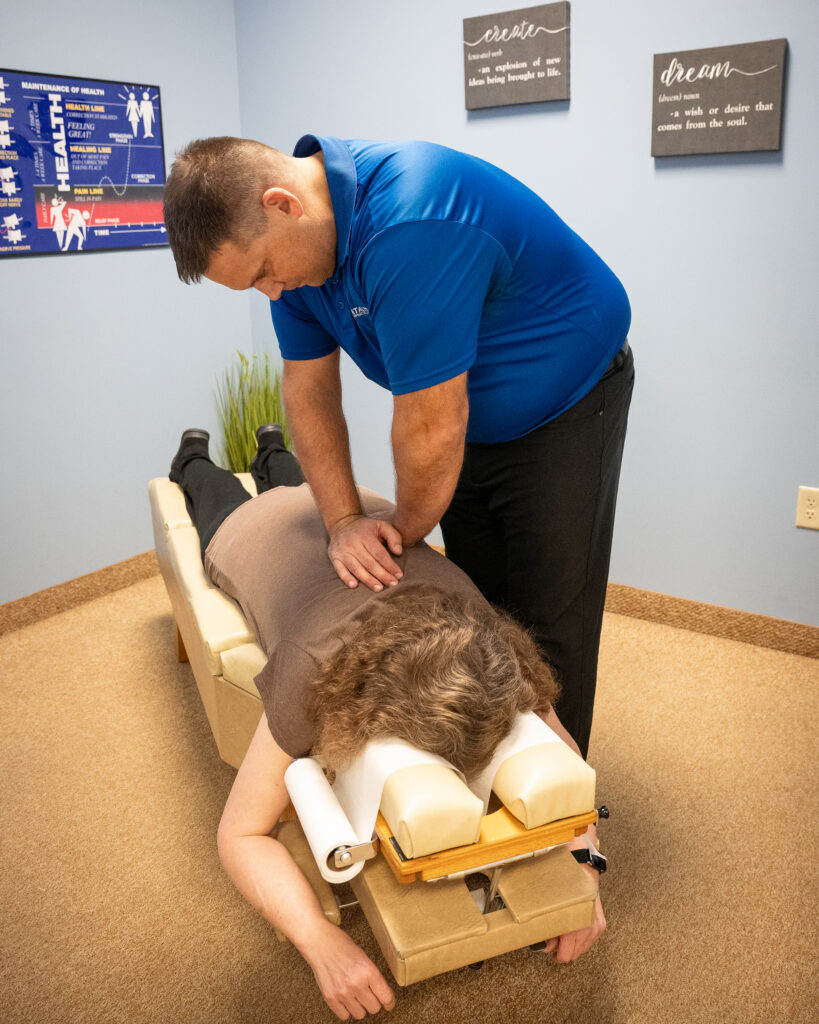

Back Pain Chiropractic Adjustment: What to Expect at Catalyst Chiropractic And Rehab in Blaine
Back pain can make even simple things—like driving down Highway 65 or getting the kids to practice in Blaine—feel harder than they should. At Catalyst Chiropractic And Rehab, we help people move comfortably again using evidence-based chiropractic techniques. If you’re wondering what actually happens during a back pain adjustment, this guide will walk you through the process step by step so you know exactly what to expect.
Quick Definition: What Is a Back Pain Chiropractic Adjustment?
A chiropractic adjustment is a precise, hands-on technique that restores normal motion to a stiff or irritated spinal joint. By improving joint movement, we can ease muscle tension, calm irritated nerves, and help your back move the way it was designed to.
Table of Contents
- Why Chiropractic Techniques Matter for Back Pain
- What to Expect at Your Back Pain Adjustment
- Common Chiropractic Techniques We Use (and What You’ll Feel)
- The Biomechanics, Explained Simply
- Safety, Comfort, and Personalization
- Practical Tips to Get the Most from Your Adjustment
- When to See a Chiropractor in Blaine
- When We Refer or Co-Manage
- Common Myths and Facts
- A Local Note from Catalyst Chiropractic And Rehab
Why Chiropractic Techniques Matter for Back Pain
Your spine is a moving system made up of joints, discs, ligaments, and muscles—all coordinated by your nervous system. When one part stops moving well, other areas often overwork. That can lead to stiffness, inflammation, and pain that lingers.
Chiropractic adjustments are designed to restore healthy motion to these joints. Better motion helps muscles relax, gives nerves more room, and improves how you move during everyday tasks. Research and clinical guidelines recognize spinal manipulation as a non-invasive option for many people with back pain, including acute and chronic cases. For example, the American College of Physicians includes spinal manipulation among recommended nonpharmacologic options for low back pain, especially early in care. You can read more at the ACP guideline summary and the National Center for Complementary and Integrative Health (NCCIH): ACP Guideline, NCCIH Overview.
What to Expect at Your Back Pain Adjustment
If you’ve never been adjusted before, it’s normal to feel curious—or even a little nervous. Our job is to make the process clear and comfortable so you can focus on feeling better. Here’s how a typical visit at Catalyst Chiropractic And Rehab in Blaine unfolds:
- Conversation and history. We start by listening. We’ll ask when the pain began, what makes it worse or better, and how it’s affecting your day-to-day activities.
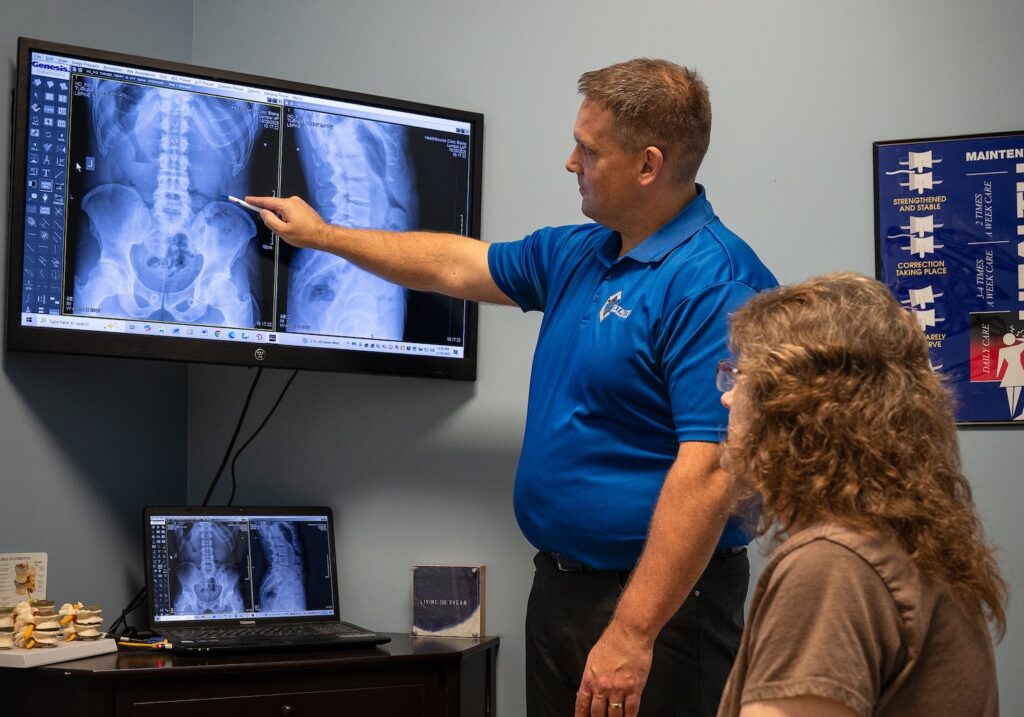
- Focused exam. We assess posture, motion, joint function, and perform orthopedic and neurologic checks as needed. If red flags are present or imaging is truly indicated, we’ll discuss that. Most patients do not need imaging to begin safe, effective care.
- Explanation and plan. We’ll explain what we found, which spinal segments are involved, and recommend a care plan tailored to your goals—like lifting comfortably, sitting through meetings, or returning to workouts.
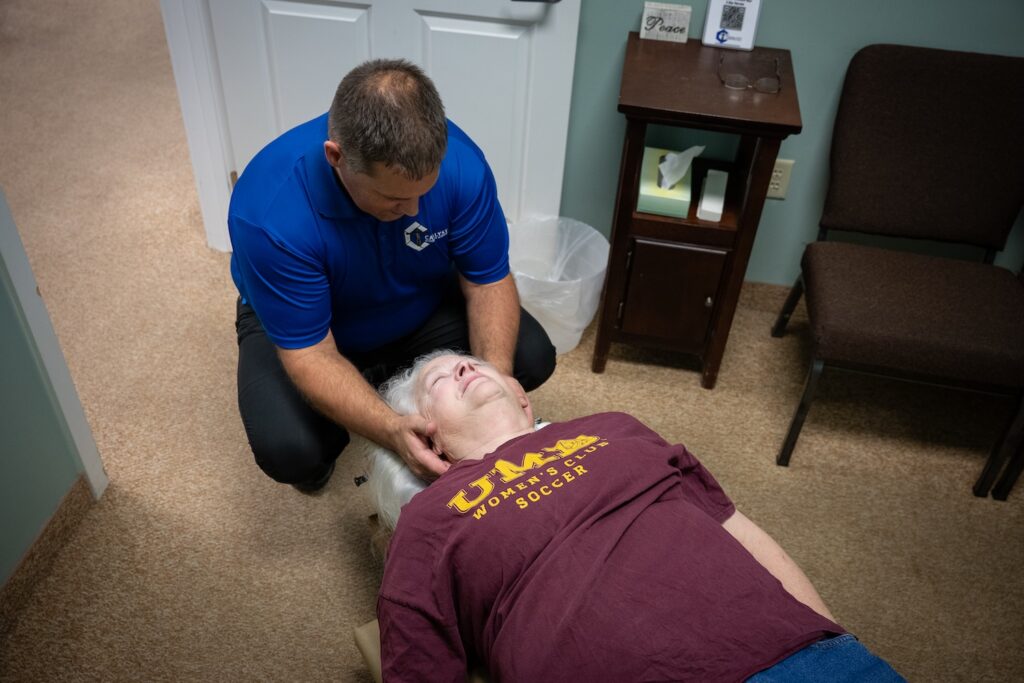
- Positioning and comfort. You’ll be positioned comfortably on a specialized table. We explain each step before we do it, so there are no surprises.
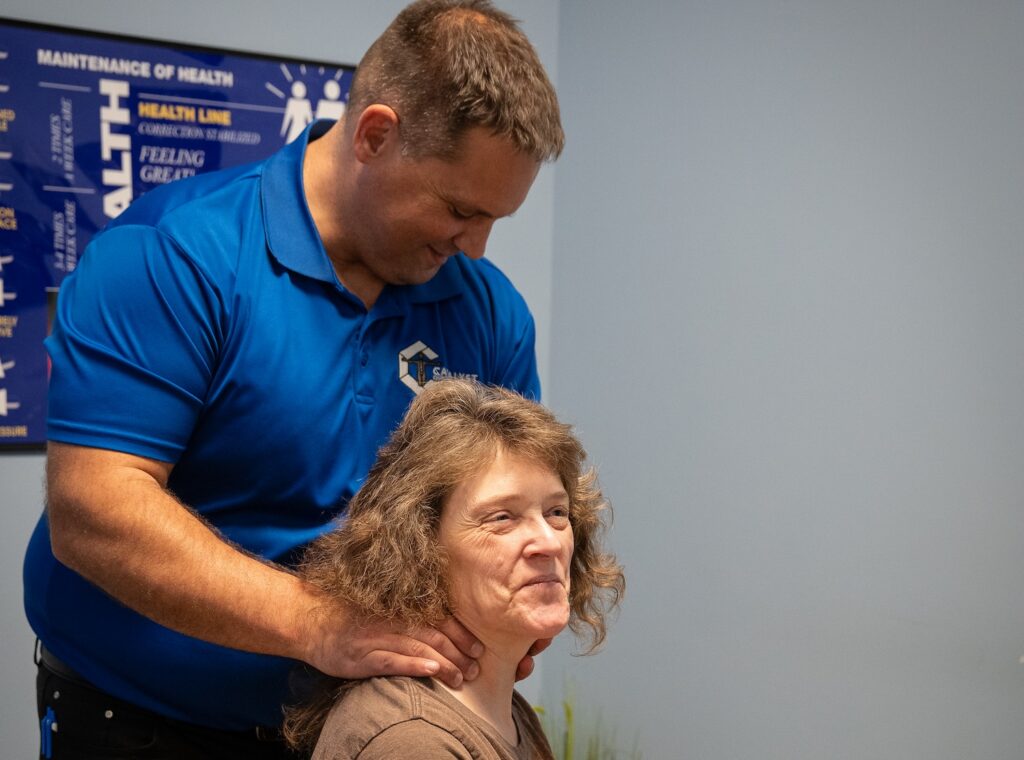
- The adjustment. Using a precise, well-controlled force, we restore motion to restricted joints. You may hear a brief “pop” (a normal release of gas in the joint). Many patients feel immediate relief of tension or a sense of “lightness.”
- Reassessment and tips. After the adjustment, we recheck motion and provide simple guidance to support your results between visits.
Every body is different. Some people prefer very gentle, instrument-assisted techniques. Others do well with manual adjustments. We’ll choose the approach that fits you best.
Common Chiropractic Techniques We Use (and What You’ll Feel)
There’s more than one way to adjust the spine. Below are several well-established techniques we use for back pain, matched to different body types, preferences, and goals.
Diversified (Manual) Adjustment
This is the classic hands-on adjustment many people think of. It uses a quick, targeted thrust to a specific joint to restore motion. You may hear a small “pop,” which is simply gas releasing in the joint space—similar to opening a soda can. Bones aren’t “cracking,” and the sound is not required for a great result.
Flexion-Distraction (Cox-style)
Gentle, rhythmic motion is applied using a specialized table that bends and flexes the lower spine. This can reduce pressure in the joints and may be helpful for people with disc-related or flexion-sensitive pain. Many find it relaxing.
Thompson Drop-Table Technique
Sections of the adjusting table are set to drop slightly with a light thrust. The drop allows the adjustment to be very comfortable and efficient. The motion is small but effective.
Instrument-Assisted (Activator-style)
A handheld, spring-loaded instrument delivers a precise impulse to a specific area. This is a low-force option that’s great for those who prefer very gentle care.
Spinal Mobilization and Myofascial Release
Slow, controlled movements improve joint glide without a thrust, and targeted soft-tissue work helps calm tight muscles and fascia. These methods often complement an adjustment to support balanced motion.
| Technique | What You May Feel | Often Used When |
|---|---|---|
| Diversified (Manual) | Brief pressure; sometimes a small pop; quick relief of tightness | Healthy adults who tolerate manual care and want a traditional adjustment |
| Flexion-Distraction | Gentle stretching and rhythmic motion; very comfortable | Stiffness or irritation that responds to flexion; some disc-related presentations |
| Thompson Drop-Table | Light thrust with a soft table drop; minimal force felt | Preference for low-force but hands-on adjustments |
| Instrument-Assisted | Small tapping sensation; very low force | Patients who prefer extra gentle adjustments or have sensitivity to manual thrusts |
| Mobilization/Myofascial | Slow, controlled pressure; easing of muscle tension | General stiffness, muscle guarding, or when gradual motion is best |
The Biomechanics, Explained Simply
Think of your spine like a row of doors on hinges. If a few hinges get sticky, the door still opens—but it strains the other hinges and parts of the frame. In your back, sticky “hinges” are restricted joints. Surrounding muscles tighten to protect the area, and nearby segments work overtime. Pain and stiffness follow.
An adjustment is like applying the right nudge to the sticky hinge so it moves smoothly again. When motion is restored, the body doesn’t need to brace as much. Muscles can relax, joints share the workload, and nerves have less irritation. That’s why many people notice not only less pain, but also easier movement and better posture after care.
Safety, Comfort, and Personalization
For the right patient, spinal manipulation is generally considered safe. The key is a thorough assessment and using the right technique for you. We screen for conditions that may require a modified approach, refer when appropriate, and obtain informed consent before treatment.
It’s common to feel mild soreness after your first adjustment—similar to what you might feel after a new workout. This usually fades within a day or two. We’ll share simple ways to stay comfortable, including gentle movement and good hydration.
Major complications from spinal manipulation are rare when performed by trained professionals and with proper screening. If you have questions about your specific health history, we’ll review them together first. You can also read an overview from the NCCIH here: NCCIH: Spinal Manipulation.
Practical Tips to Get the Most from Your Adjustment
- Move gently the same day. Short walks keep joints lubricated and help your adjustment “stick.”
- Mind your posture. Keep screens at eye level and avoid slouching, especially in the car or at your desk.
- Stay hydrated. Fluids support healthy discs and soft tissue recovery.
- Lift smart. Keep items close to your body and hinge at the hips. Avoid sudden heavy lifting right after your first visit.
- Sleep support. A pillow that keeps your neck neutral and a mattress that supports your spine can make mornings easier.
We’ll tailor additional home strategies to your situation so you get the most relief, the quickest.
When to See a Chiropractor in Blaine
Chiropractic is a frontline approach for many types of back pain. Consider scheduling an evaluation if you notice any of the following:
- Pain that lasts more than a few days or keeps returning
- Morning stiffness that eases as you move but comes back by evening
- Pain with sitting, driving, or lifting at work
- Tightness that limits bending, twisting, or getting in and out of the car
- Discomfort that travels into the buttock or thigh
Early attention often means faster results and fewer flare-ups down the road.
When We Refer or Co-Manage
Chiropractic care is not emergency care. We refer promptly if your presentation suggests something outside the scope of conservative spine care. Seek urgent medical attention right away if you experience any of the following:
- Recent major trauma, a fall from height, or high-speed collision
- Progressive leg weakness, numbness in a saddle pattern, or loss of bowel/bladder control
- Unexplained fever, night sweats, or unintended weight loss along with back pain
- History of cancer with new onset back pain
If imaging or a different specialty is needed, we’ll coordinate that and remain part of your support team.
Common Myths and Facts
- Myth: “If I get adjusted once, I’ll have to keep going forever.”
Fact: You’re in control. Many people find relief in a short course of care. Others choose periodic check-ins to keep moving well—similar to dental cleanings for your spine. - Myth: “The pop is bones grinding.”
Fact: The sound is a harmless release of gas within the joint. It’s not required for an effective adjustment. - Myth: “Chiropractic is only for severe pain.”
Fact: Adjustments help with a wide range—from mild stiffness to recurring aches to performance and posture goals. Addressing issues early is often easier.
A Local Note from Catalyst Chiropractic And Rehab
Here in Blaine, our team loves helping families stay active—whether that’s walking the dog at the Lakes, making it through a full workday without stiffness, or getting back to the gym with confidence. If back pain is slowing you down, we’re here to evaluate the cause and guide you with a plan that makes sense for your body and your goals.
FAQs
Will a back pain adjustment hurt?
Most patients find adjustments comfortable. You may feel brief pressure and then relief. Mild soreness can occur after a first visit and usually fades in a day or two.
What’s the popping sound during an adjustment?
It’s a normal release of gas inside the joint, not bones rubbing. Some adjustments are silent and still very effective.
Is chiropractic safe if I have a herniated disc?
Many people with disc-related pain benefit from carefully selected techniques like flexion-distraction. We evaluate first and choose the safest, most appropriate approach for you.
How many visits will I need?
It depends on the nature and duration of your pain, your daily activities, and your goals. We’ll outline a plan after your exam so you know what to expect.
What should I wear to my appointment?
Wear comfortable clothing that allows easy movement. Athletic wear is a great choice.
Do you adjust the mid-back and hips too?
Yes. Back pain often involves the whole kinetic chain. We assess the lumbar spine, mid-back, pelvis, and hips to support balanced motion.
TL;DR
- Chiropractic adjustments restore motion to stiff spinal joints, easing pain and improving function.
- Expect a clear exam, personalized plan, and comfortable techniques matched to your body and preferences.
- Common methods include manual diversified, flexion-distraction, drop-table, and instrument-assisted adjustments.
- Care is evidence-informed and generally safe with proper screening; seek urgent care for serious red flags.
- In Blaine, Catalyst Chiropractic And Rehab is here to help you move better and get back to what you love.