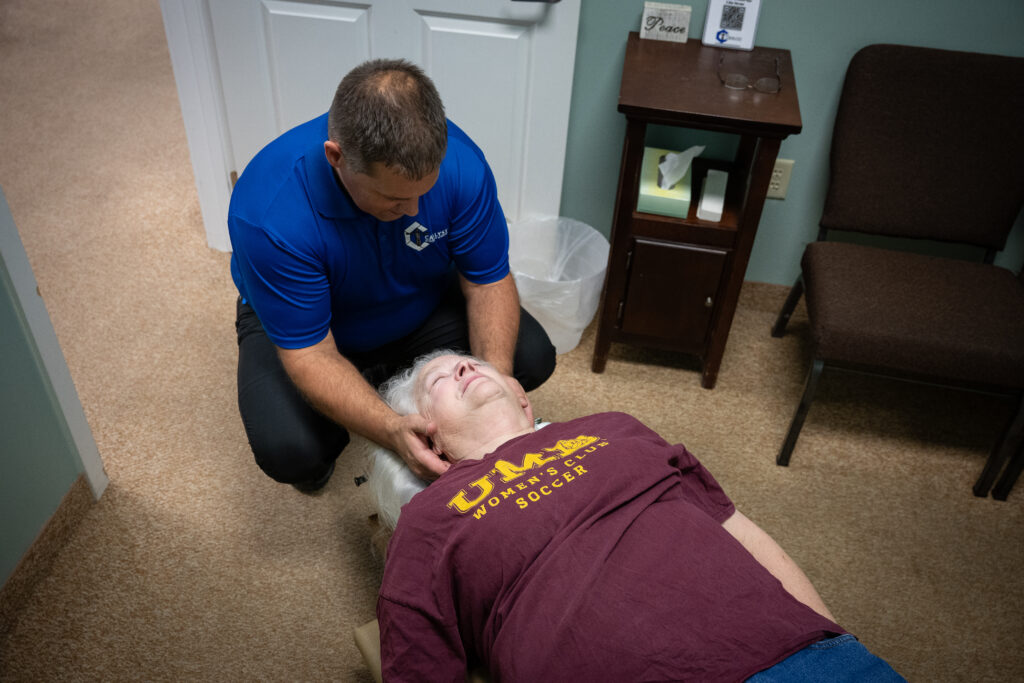

Natural Headache Relief in Blaine: Chiropractic Care, Home Strategies, and When to Seek Help
Headaches can derail your day, your productivity, and even your mood. The good news: many headaches are manageable with natural strategies that support how your spine, nerves, and muscles work together. At Catalyst Chiropractic And Rehab here in Blaine, we take a chiropractic-first approach to headache care—using precise spinal assessments and hands-on treatment as the foundation—then we layer in simple lifestyle changes and home treatments to help you feel and function better between visits.
In this article, you’ll learn why headaches happen from a musculoskeletal point of view, how chiropractic care fits in, and the most practical at-home steps you can take. You’ll also see when it’s time to get evaluated and which symptoms deserve urgent medical attention.
What do we mean by “natural remedies for headache relief”? Natural remedies are strategies that help your body reduce headache frequency and intensity without relying on drugs. They include chiropractor-guided spinal care, posture and movement habits, hydration, sleep, stress management, and simple home techniques like ice/heat and gentle mobility work.
Table of Contents
Why Headaches Happen: A Chiropractor’s Perspective
Not all headaches are the same, but many common types share a musculoskeletal component. The top of your spine (the cervical spine) contains joints, discs, ligaments, and muscles that are richly connected to the nerves that transmit head and neck sensation. When these structures become irritated—often from posture, repetitive strain, previous injury, or restricted joint motion—headaches can follow.
Two common patterns we see in the clinic are cervicogenic headaches and tension-type headaches. Cervicogenic headaches often begin in the neck and refer pain to the head, usually on one side. Tension-type headaches commonly feel like a band around the head and may be associated with muscle tightness in the neck and shoulders. Migraines are different, and while they’re not caused by the neck alone, neck and muscle tension can still influence how often or how intensely migraines strike.
Daily habits play a big role. Long screen time with a forward head position, sleeping with too many pillows, mouth breathing at night, or working at a poorly adjusted desk can all load the neck. Over time, joints can stiffen, muscles become overworked, and the nervous system becomes more sensitive—setting the stage for headaches.
| Common Trigger | How It Stresses the Neck/Head System |
|---|---|
| Prolonged screen time with forward head posture | Increases load on upper cervical joints and deep stabilizing muscles |
| Dehydration or irregular meals | Can lower pain threshold and contribute to tension headaches |
| Poor sleep or inconsistent sleep schedule | Reduces recovery, heightens nervous system sensitivity |
| Jaw clenching/grinding | Overworks muscles that attach to the head and neck |
| Stress without movement breaks | Promotes shoulder/neck guarding and trigger points |
Globally, headaches are very common, and lifestyle plus musculoskeletal factors are frequent contributors. For background on the scope of headache disorders, the World Health Organization provides helpful context on how widespread they are and why prevention matters (WHO).
Chiropractic First: How Care at Catalyst Chiropractic And Rehab Helps
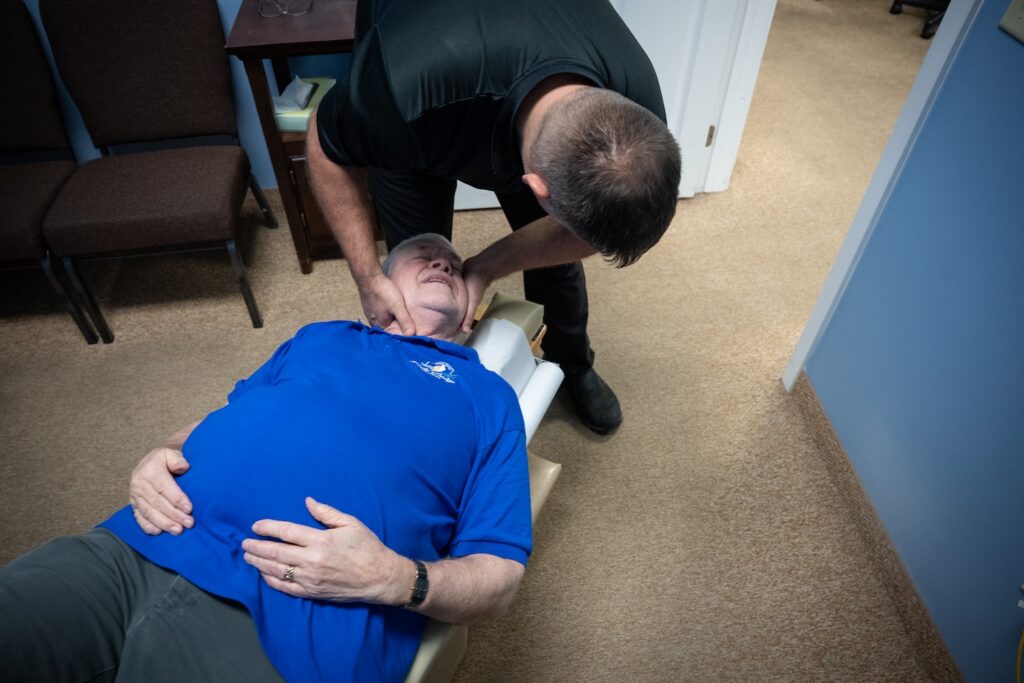
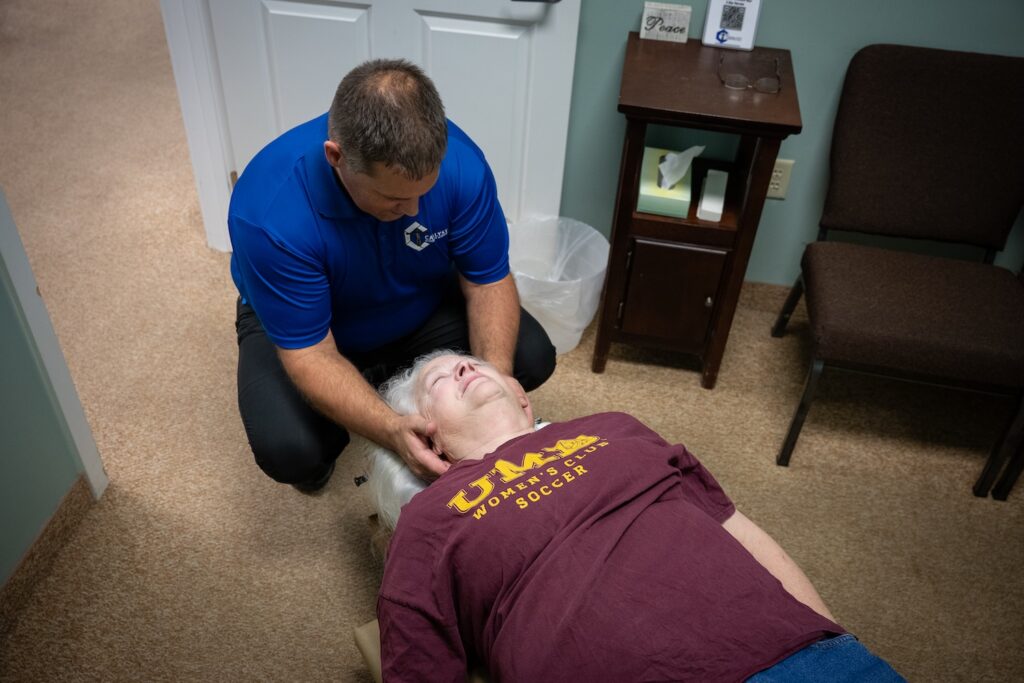
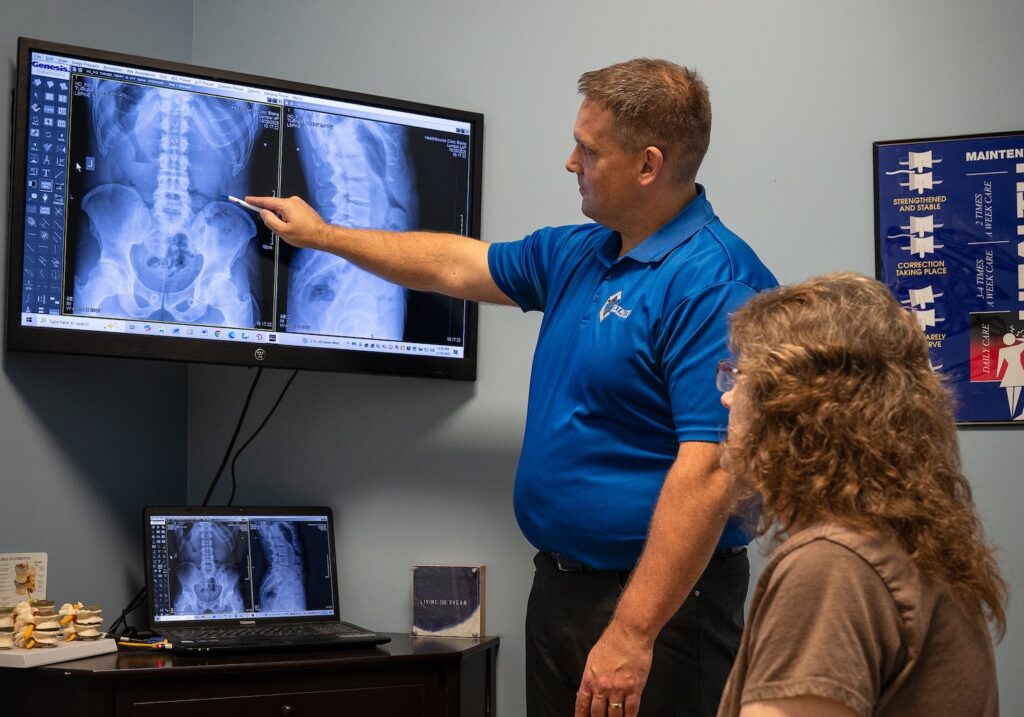
At Catalyst Chiropractic And Rehab, chiropractic is the foundation of your plan—not an add-on. Our first step is a thorough evaluation: we assess your neck and upper back mobility, posture, joint motion, muscle tone, and movement patterns. We want to identify the specific segments and soft tissues that are contributing to your headaches.
Chiropractic adjustments are precise, gentle techniques designed to restore proper motion to restricted spinal joints. When the joints in the upper neck move the way they should, muscles can relax, irritation often decreases, and the nervous system gets clearer input. For many patients, this contributes to fewer and less intense headaches over time.
We often pair adjustments with targeted soft-tissue work, ergonomic coaching, and a simple home program to reinforce the improvements you get in the clinic. The goal is to build resilience into your neck and shoulder system so you can work, parent, and enjoy Blaine’s activities with fewer setbacks.
Research suggests that spinal manipulation and manual therapy can help certain headache types, particularly cervicogenic and some tension-type headaches, as part of a conservative care plan. You can read general overviews of chiropractic and manual therapies through reputable sources like the National Center for Complementary and Integrative Health (NCCIH) and peer-reviewed journals such as Chiropractic & Manual Therapies (Chiropractic & Manual Therapies). Evidence is not identical for every headache category, but for many people, addressing the neck and spine is a practical, low-risk starting point.
Natural Lifestyle Changes That Support Headache Relief
Chiropractic care works best when your daily routine supports the changes we’re making in the spine and nervous system. Here are the high-impact lifestyle habits we coach our Blaine patients to adopt.
- Hydration rhythm: Aim to drink water steadily throughout the day. If you wait until you feel thirsty, you may already be behind. Keep a refillable bottle at your desk and in your car so you have a low-friction way to stay hydrated.
- Meal timing and balance: Skipping meals can drop blood sugar and trigger headaches in some people. Try consistent meals with protein and colorful produce. Magnesium-rich foods like leafy greens, beans, and pumpkin seeds support muscle and nerve function. If you’re considering supplements, speak with your healthcare provider first.
- Sleep consistency: Your brain and neck tissues recover at night. Try a consistent bedtime and wake time, a dark cool room, and a pillow that supports your neck without pushing your head forward. If you wake with headaches, your sleep setup may need a tweak—bring it up during your chiropractic visit.
- Stress and breath work: Headaches love a tight jaw and shrugged shoulders. Short breath breaks during the day help. Try slow nasal breathing with your tongue resting gently on the roof of your mouth, shoulders relaxed, for 2–3 minutes to downshift the nervous system.
- Smarter screens: Elevate your monitor so the top third is at eye level. Keep your head over your shoulders instead of craning forward. Every 30–45 minutes, look away at something across the room, squeeze your shoulder blades back and down, then gently lengthen your neck.
- Movement snacks: Waiting for a “perfect workout window” often means it never happens. Sprinkle in two or three 3–5 minute movement breaks: a brisk walk, gentle neck and shoulder mobility, or a quick set of standing squats to bring circulation back to the upper back and neck.
Simple Home Treatments Between Visits
Between chiropractic visits, a few low-tech strategies can keep your progress moving forward. These are gentle, non-invasive, and easy to fit into a busy Blaine day.
- Ice and heat: For headaches that start in the neck or after a long day at the computer, try a cool pack at the base of the skull for 10–15 minutes. For muscle tightness across the shoulders, a warm pack can be soothing. Use a cloth barrier and test in short sessions.
- Self-massage: Use your fingertips to gently massage the base of your skull on each side, moving in small circles. You can also place a tennis ball between your shoulder blade and a wall and apply gentle pressure to tender spots for 30–60 seconds, then relax.
- Neck mobility routine: Move within a comfortable range, staying pain-free. Chin nods (gently nod yes), shoulder blade squeezes (pull shoulders back and down), and slow side bending (ear toward shoulder without rotation) for 5–8 reps each can reduce stiffness. If anything increases your symptoms, stop and let us know.
- Light exposure and breaks: Natural light during the day and a dimmer, calmer environment in the evening can help your sleep and your sensitivity to light-triggered headaches. Pair this with predictable screen breaks to reduce neck loading.
Common Mistakes That Keep Headaches Coming Back
All progress stalls at times. These are the repeat offenders we see the most in the clinic.
- Powering through pain: Ignoring a headache and working for hours with poor posture usually amplifies symptoms. Take a two-minute movement break early, not later.
- “Weekend warrior” routine: Being sedentary all week and cramming everything into Saturday can overwhelm sensitive tissues. Spread your movement throughout the week and keep intensity reasonable.
- Pillow pile-up: Two or three pillows push your head forward and strain the upper neck. Aim for neutral alignment—ears over shoulders—even when lying down.
- Skipping meals and water: Waiting until you’re hungry and thirsty can trigger or intensify headaches. Keep snacks and water nearby so it’s easy to stay consistent.
- Only treating symptoms: Relying on temporary relief while ignoring neck mechanics can lead to recurring flare-ups. Foundational chiropractic care helps address the source—joint motion, posture, and muscle balance—so relief has a chance to last.
When to See a Chiropractor in Blaine
If headaches are getting in the way of work, school, parenting, or recreation, it’s time for a chiropractic evaluation. Consider scheduling a visit at Catalyst Chiropractic And Rehab if you notice any of the following:
- Headaches more than once a week, or increasing in frequency or intensity
- Pain that starts in your neck or upper back and travels to your head
- Headaches after a minor car accident, sports incident, or new desk setup
- Tight jaw, clenching, or morning headaches that may relate to sleep posture
- Frequent use of pain relievers just to get through the day
At your first visit, we’ll listen to your story, examine your spine and posture, and perform orthopedic and neurological checks as needed. If your case is appropriate for chiropractic care, we’ll outline a plan that starts with hands-on care and progresses to durable home strategies. If we identify any red flags or concerns outside chiropractic scope, we’ll guide you to the right medical provider.
Red Flags: When to Seek Medical Care Urgently
Most headaches are not emergencies, but some symptoms require prompt medical attention. Call emergency services or seek urgent care if you experience:
- Sudden, severe “worst-ever” headache or a thunderclap onset
- Headache with new neurological symptoms (weakness, numbness, confusion, slurred speech, vision loss)
- Headache with fever, stiff neck, rash, or after a significant head injury
- New headache in adults over 50, or a change in pattern that feels different from your usual
- Headache during pregnancy with elevated blood pressure or concerning symptoms
- History of cancer, immunosuppression, or unexplained weight loss with new headaches
Chiropractic is not emergency care. If these signs are present, get medical evaluation first. We can coordinate care once you’re safe to proceed.
Myths vs Facts About Natural Headache Relief
-
Myth: “If I just stretch more, the headaches will stop.”
Fact: Stretching can feel good, but if spinal joints are restricted and posture is off, stretching alone may not address the source. Restoring joint motion through chiropractic care plus simple strengthening is often more effective.
-
Myth: “Headaches run in my family—there’s nothing I can do.”
Fact: You can’t change your genetics, but you can change your environment. Posture, screen setup, hydration, and sleep create a major influence on frequency and intensity for many people.
-
Myth: “Chiropractic is only for back pain.”
Fact: The neck is part of the spine. For certain headache types—especially those involving the neck—hands-on chiropractic care focused on cervical function can be a practical, conservative option supported by research.
-
Myth: “If I feel better once, I’m fixed for good.”
Fact: Relief is a great start, but lasting change comes from building better daily habits and following a plan long enough for your body to adapt. That’s why we combine in-office care with clear home strategies.
Your Next Step in Blaine
Here in Blaine, we see how headaches affect busy professionals, students, and active families. You deserve clear answers and a plan that respects your time and your goals. At Catalyst Chiropractic And Rehab, we start with chiropractic care to restore function at the source, then empower you with straightforward lifestyle and home tools so your results last.
If headaches are holding you back, let’s take the next step together. We’re happy to answer questions, evaluate your specific pattern, and design a plan that fits your life.
FAQs
Are chiropractic adjustments safe for headaches?
When performed by a licensed chiropractor after a proper evaluation, spinal adjustments are generally considered safe for appropriate patients. We screen carefully and tailor techniques to your comfort and needs.
Which headaches respond best to chiropractic care?
Headaches with a neck component—such as cervicogenic and some tension-type headaches—often respond well. Migraines are more complex, but improving neck mechanics and lifestyle factors can still help many patients.
How many visits will I need?
It depends on your history, exam findings, and goals. Some patients notice relief quickly; others need a series of visits plus home strategies to achieve lasting change. We’ll outline a plan after your evaluation.
Should I stop using my current headache medications?
Do not change medications without talking to your prescribing medical provider. Our role is to improve spinal function and daily habits; your medical provider will guide any medication decisions.
Do I need imaging for my headaches?
Not always. Many headache cases can be evaluated conservatively first. If we see red flags or if imaging would change your care plan, we’ll discuss appropriate referrals.
Can I exercise if I get headaches?
Light to moderate activity is helpful for most people. We can show you how to adjust intensity and choose movements that support your neck and reduce triggers.
TL;DR Summary
- Chiropractic care is a frontline, natural option for many headaches—especially when the neck is involved.
- Daily habits matter: hydration, sleep, balanced meals, posture, and movement breaks reduce triggers.
- Simple home care—ice/heat, gentle mobility, and self-massage—supports progress between visits.
- See a chiropractor if headaches are frequent, worsening, or start in your neck; seek urgent care for red-flag symptoms.
- In Blaine, Catalyst Chiropractic And Rehab blends precise hands-on care with practical lifestyle coaching for lasting relief.