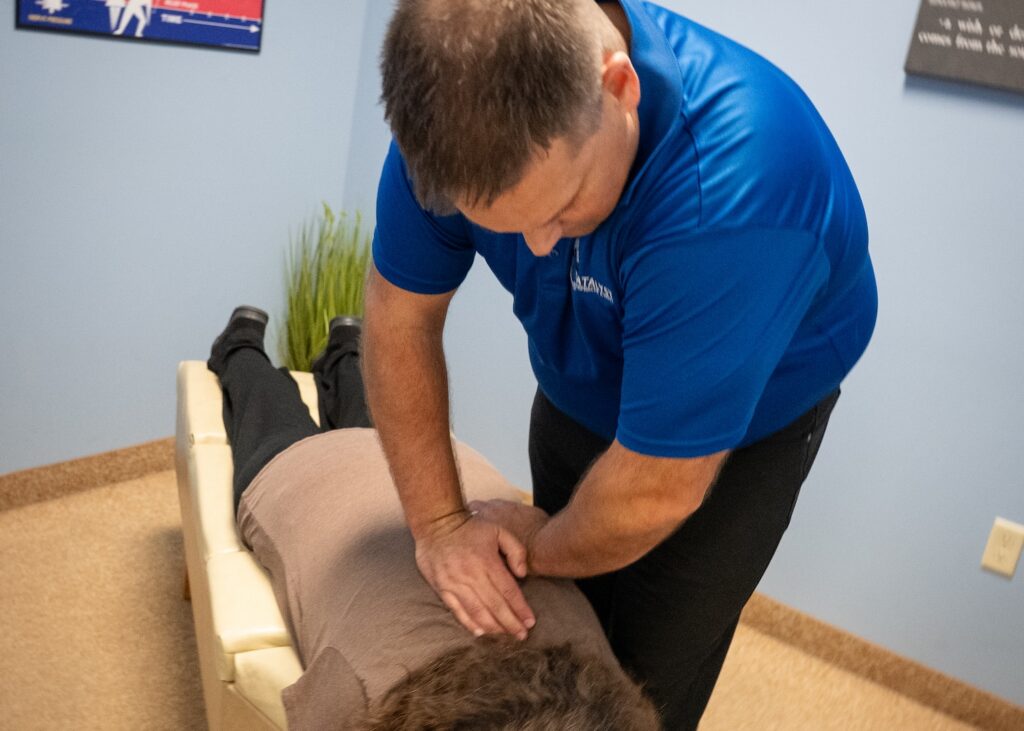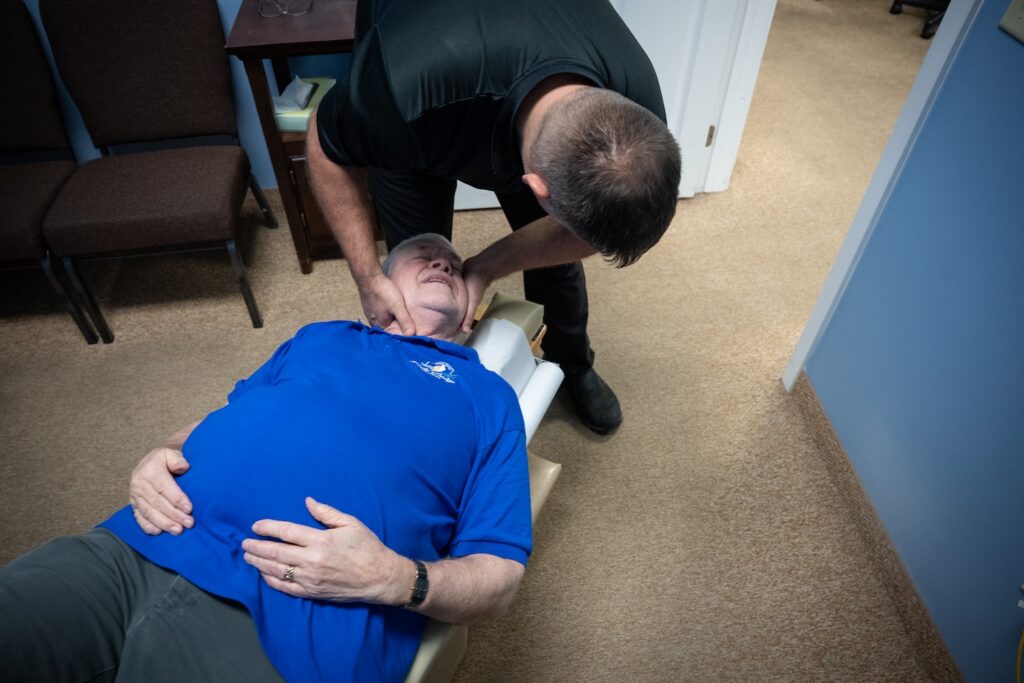

If you’re experiencing lower back pain, chiropractic care can be a powerful ally in your journey toward relief and wellness. By focusing on spinal alignment and enhancing your body’s overall function, chiropractors aim to address the root causes of your discomfort rather than just masking the symptoms. Understanding the various techniques we use can empower you to take control of your pain management and improve your well-being.
Chiropractors utilize gentle adjustments and specialized therapies to restore proper alignment in your spine, which helps alleviate pressure on nerves and reduce inflammation. This natural approach supports your body’s innate ability to heal itself, promoting not just relief from pain but also overall health.
Here are some general tips to help you manage lower back pain:
- Maintain Good Posture: Whether you’re sitting, standing, or lifting, pay attention to your body mechanics. Proper posture can help prevent strain on your back.
- Stay Active: Engaging in regular, low-impact exercise like walking or swimming can strengthen your back muscles and improve flexibility, which is crucial for spinal health.
- Stretch Regularly: Incorporating gentle stretches into your daily routine can help maintain flexibility and relieve tension in your back.
- Listen to Your Body: If you feel pain during certain activities, take a break and assess your movements. Avoid pushing through pain, as this can lead to further injury.
- Seek Chiropractic Care: Regular visits to your chiropractor can keep your spine aligned and your body functioning optimally. We can tailor a treatment plan that suits your specific needs and goals.
By choosing chiropractic care, you are opting for a natural, holistic approach to pain relief and wellness. If you’re curious about how specific techniques can help you restore balance and flexibility, don’t hesitate to reach out. Your journey toward optimal health starts here!
Key Takeaways
Chiropractic care is a fantastic way to achieve relief from lower back pain and promote overall wellness naturally. One of the primary techniques we use is chiropractic adjustments, which help realign the spine. This realignment not only enhances your body’s function but also significantly reduces lower back pain through our specialized spinal manipulation techniques.
Additionally, we utilize mobilization techniques that improve flexibility and increase your range of motion in the spine. This can help alleviate any stiffness you may be experiencing due to lower back pain, allowing you to move more comfortably in your daily life.
Soft tissue therapies, like myofascial release, play a crucial role in relieving muscle tension. These gentle techniques help ease discomfort in your lower back, promoting a sense of overall well-being.
Incorporating therapeutic exercises is another vital aspect of chiropractic care. We design specific exercises for you that strengthen your back and core muscles. By enhancing these areas, you gain better support for your spine, which can help prevent future pain and injuries.
Educating our patients about good posture and making ergonomic adjustments is also essential. By understanding how to manage pain and prevent strain during everyday activities, you can take proactive steps toward maintaining your health.
Remember, choosing chiropractic care is not just about addressing pain; it’s about embracing a healthier lifestyle. By focusing on natural healing methods, we can help you achieve optimal health and well-being without the need for medications or surgeries. Take the first step towards a pain-free life today!
Understanding Lower Back Pain: Causes and Symptoms
When you experience lower back pain, it can feel daunting, especially if you’re not clear on what’s causing it. This discomfort can arise from various issues, such as muscle strain, herniated discs, or even poor posture. You might notice symptoms like stiffness, aching, or sharp pains that radiate down your legs. Factors like age, extra weight, and a lack of physical activity can also play a role in your pain, making it crucial to identify the underlying cause.
Sometimes, lower back pain can result from an injury, like a fall or lifting something heavy. Everyday habits, such as sitting for long periods or sleeping in awkward positions, can worsen your discomfort. Understanding these potential causes and recognizing your symptoms is key to finding the best path to relief.
As a chiropractor, I believe that addressing the source of your pain through natural methods is the best way to achieve optimal health. Chiropractic care focuses on aligning the spine and improving overall function, which can significantly reduce your lower back pain. Regular adjustments can help restore balance to your body, promote healing, and improve your posture, minimizing the risk of future discomfort.
Here are some general tips to help you manage and prevent lower back pain:
- Stay Active: Engage in regular, low-impact exercises like walking or swimming, which can strengthen your back muscles and improve flexibility.
- Practice Good Posture: Pay attention to your posture while sitting, standing, and sleeping. Use supportive chairs and cushions to help maintain a healthy alignment.
- Stretch Regularly: Incorporate gentle stretches into your daily routine to keep your muscles flexible and relieve tension in your lower back.
- Listen to Your Body: If you feel pain, take it as a sign to rest and assess your activities. Avoid sudden or heavy lifting without proper technique.
- Seek Chiropractic Care: A chiropractor can help you identify the root cause of your pain and provide personalized adjustments and care to promote recovery and overall wellness.
The Role of Chiropractic Care in Pain Management
Chiropractic care is a vital part of managing pain, particularly when it comes to lower back discomfort. Through safe and effective chiropractic techniques, including gentle spinal adjustments, you can find significant relief and enhance your overall function.
What sets chiropractic care apart is its holistic approach, which not only targets symptoms but also addresses the root causes of your pain.
As a local chiropractor, I believe in the power of natural healing and the importance of understanding your spine’s role in your overall health. By focusing on your spinal alignment, we can help restore balance to your body, making it easier for you to live a healthier, more active life.
Here are some helpful tips you can incorporate into your daily routine to support your journey towards optimal health:
- Stay Active: Engage in regular physical activity like walking, swimming, or yoga to strengthen your back and improve flexibility.
- Practice Good Posture: Be mindful of your posture whether sitting, standing, or lifting. Proper alignment can prevent strain on your spine.
- Ergonomic Workspace: If you work at a desk, set up your workspace ergonomically to reduce stress on your back and neck.
- Stay Hydrated: Drinking plenty of water helps maintain spinal health by keeping your discs hydrated and functioning properly.
- Stretch Regularly: Incorporate gentle stretches into your day to relieve tension and promote flexibility in your muscles and joints.
By choosing chiropractic care, you’re taking a proactive step towards natural wellness and long-term health.
Remember, your body has an incredible ability to heal itself, and with the right support, you can achieve the pain relief you desire without the need for medications or surgery.
Let’s work together to unlock your body’s full potential!
Chiropractic Techniques Explained
When it comes to managing lower back pain, chiropractic care offers a variety of effective techniques that prioritize your natural healing and overall wellness. One of the most well-known methods is spinal manipulation. In this process, we gently apply controlled force to specific joints in your spine, helping to restore proper alignment and function. This not only alleviates pain but also promotes your body’s innate ability to heal itself.
Another helpful technique is mobilization. This involves gentle movements designed to enhance flexibility and increase your range of motion in the spine, making everyday activities easier and more comfortable.
We also incorporate soft tissue therapies, such as myofascial release, which focus on relieving tension in the muscles and connective tissues. By improving circulation and reducing tightness, these therapies can significantly contribute to your recovery.
In addition to hands-on techniques, we emphasize the importance of therapeutic exercises. These are specifically tailored to strengthen your back and help prevent future issues. Simple exercises can be integrated into your daily routine, making it easier to maintain a healthy spine.
Here are some general tips to support your back health:
- Maintain Good Posture: Pay attention to your posture while sitting, standing, and sleeping. Good alignment helps reduce strain on your back.
- Stay Active: Regular physical activity can strengthen your muscles and improve flexibility. Even short walks can be beneficial!
- Listen to Your Body: If you feel discomfort, don’t push through it. Take note of what movements aggravate your pain and discuss them with your chiropractor.
- Stay Hydrated: Drinking plenty of water helps keep your discs hydrated and supports overall spinal health.
- Prioritize Sleep: Ensure you have a supportive mattress and pillow that align your spine properly during sleep.
By understanding and utilizing these chiropractic techniques and tips, you can take an active role in managing your lower back pain and enhancing your overall health.
Benefits of Spinal Adjustments
Spinal adjustments are a fundamental part of achieving optimal health and wellness, particularly for those dealing with lower back pain. By carefully aligning your spine, these adjustments can relieve nerve pressure, reduce inflammation, and significantly enhance your mobility. Many of my patients notice a decrease in pain and a greater range of motion after just a few visits to the clinic.
In addition to pain relief, spinal adjustments can improve blood circulation, which helps speed up healing and recovery. You may also find that your posture and balance improve, minimizing the risk of future injuries.
It’s important to remember that regular chiropractic care offers a holistic approach to managing pain and enhancing overall well-being.
Here are a few tips to consider for maintaining a healthy spine and lifestyle:
- Stay Active: Regular physical activity strengthens your back and core muscles, providing better support for your spine.
- Practice Good Posture: Be mindful of your posture when sitting or standing to reduce strain on your spine. Use ergonomic furniture when possible.
- Stretch Regularly: Gentle stretching can help keep your spine flexible and alleviate tension in your muscles.
- Stay Hydrated: Drinking plenty of water supports overall health and helps maintain the disc health in your spine.
- Listen to Your Body: If you feel discomfort or pain, don’t ignore it. Schedule a chiropractic appointment to address any issues before they escalate.
Holistic Pain Management Strategies
When it comes to relieving lower back pain, chiropractic care is a key player in a comprehensive approach to pain management. While spinal adjustments are crucial, there’s much more you can do to enhance your healing journey. Incorporating holistic strategies into your daily routine can make a significant difference in your overall wellness.
Start by focusing on your nutrition; incorporating anti-inflammatory foods like fruits, vegetables, and healthy fats can help reduce discomfort in your back.
Regular physical activity is also vital. Engaging in exercises such as yoga or swimming not only strengthens your back but also improves your flexibility, which is essential for preventing future pain.
Don’t underestimate the power of mindfulness practices. Techniques like meditation and deep breathing can help you manage stress, which often makes pain worse. By calming your mind, you may find that your body feels better too.
Additionally, complementary therapies like acupuncture or massage can work hand-in-hand with chiropractic care to provide extra relief and support your healing process.
By weaving these holistic strategies together with your chiropractic adjustments, you’re not just treating your back pain—you’re creating a personalized wellness plan that promotes long-term health and a better quality of life.
Spinal Manipulation Techniques
When it comes to finding relief from lower back pain, many individuals turn to various methods, but chiropractic care and spinal manipulation techniques truly shine as effective solutions.
These techniques not only help realign the spine but also improve mobility, restore proper function, and enhance your overall sense of well-being. Here are three common spinal manipulation techniques that you may experience in a chiropractic session:
- High-velocity, low-amplitude thrusts: This technique involves quick, controlled movements that focus on specific joints. By improving alignment, it helps relieve pressure and alleviates pain, allowing your body to function at its best.
- Flexion-distraction: Using a specialized table, this gentle technique stretches the spine. This helps improve the health of your spinal discs and reduces nerve irritation, giving you a sense of relief and comfort.
- Activator method: This technique uses a handheld device to deliver a gentle impulse to the spine, promoting movement in areas that may feel stiff or restricted. It’s a safe and effective way to encourage healing without the need for more forceful adjustments.
In addition to these techniques, there are some general tips you can incorporate into your daily routine for better spinal health.
Make sure to maintain good posture, especially when sitting for long periods. Regular exercise, including stretching and strengthening your core, can also support your spine and overall well-being.
Remember, chiropractic care is a natural and holistic approach to achieving optimal health, helping you recover from pain and enhance your quality of life without the need for surgeries or medications.
Your journey to better health starts with taking care of your spine!
Soft Tissue Therapy and Its Benefits
Soft tissue therapy is a vital component in relieving lower back pain, and as a chiropractor, I want to emphasize how it can help you on your journey to optimal health. This therapy focuses on the muscles, fascia, and tendons that support your spine, effectively targeting areas of tightness and tension. By using hands-on techniques, we can improve blood flow, enhance flexibility, and promote healing in your body.
When you’re dealing with pain, it’s often the muscle tension that adds to your discomfort. Soft tissue therapy directly addresses these soft tissues, providing relief and helping your body recover more effectively. Techniques like myofascial release and trigger point therapy work wonders by breaking down knots and adhesions in your muscles, allowing you to move freely again. Many of my patients notice a significant reduction in pain and an increase in mobility after just a few sessions.
In addition to physical benefits, soft tissue therapy can also improve your overall well-being. It reduces stress levels and encourages relaxation, which is essential for a healthy lifestyle.
Incorporating soft tissue therapy into your chiropractic care creates a comprehensive treatment plan that not only tackles your symptoms but also addresses the root causes of your lower back pain. It’s crucial to consider the holistic benefits of chiropractic care, as it offers a natural, drug-free approach to healing.
Here are a few tips to enhance your wellness journey at home:
- Stay active: Gentle exercises like walking or stretching can help maintain flexibility and strength.
- Use heat or cold therapy: Applying heat can relax tight muscles, while cold packs can reduce inflammation and numb pain.
- Practice good posture: Being mindful of your posture can prevent unnecessary strain on your back.
- Manage stress: Techniques such as deep breathing, meditation, or yoga can help you relax and reduce muscle tension.
Don’t overlook the power of soft tissue therapy as part of your recovery process. It’s a valuable tool in achieving lasting relief and promoting a healthier, more vibrant life.
Exercise and Rehabilitation Programs
Building on the benefits of soft tissue therapy, exercise and rehabilitation programs are vital to your recovery from lower back pain. By incorporating targeted exercises into your routine, you can strengthen your core, improve flexibility, and enhance overall stability. These improvements not only help alleviate pain but also play a crucial role in preventing future issues.
Here are three key components to focus on that complement chiropractic care for optimal health:
- Strengthening Exercises: Strengthening your core muscles is essential for providing support to your spine. Simple exercises like planks and bridges are fantastic options that you can easily incorporate at home. Remember, a strong core helps maintain proper posture and alleviates stress on your back.
- Stretching Routines: Regular stretching is important in relieving tension and improving your range of motion. Focus on stretches that target the hamstrings, hip flexors, and lower back. These can help keep your muscles flexible and reduce tightness, making your chiropractic adjustments even more effective.
- Low-Impact Aerobic Activities: Engaging in low-impact activities such as walking or swimming can significantly enhance circulation and promote healing. These exercises are gentle on your back while also providing a great way to stay active. Aim for at least 20-30 minutes a day to reap the benefits.
Remember, chiropractic care is a natural and effective way to address pain and enhance your overall wellness. By integrating these exercise and rehabilitation techniques, you can further support your recovery and maintain a healthy spine.
Always consult with your chiropractor for personalized advice and to ensure these exercises align with your treatment plan. Taking care of your back not only helps you feel better now but sets you up for a healthier future.
Posture Correction and Ergonomics
Good posture is crucial for preventing lower back pain, and it begins with how you position yourself throughout your day. As a local chiropractor, I want to emphasize the importance of creating an ergonomic workspace and incorporating daily stretching techniques into your routine. These simple adjustments can significantly enhance your comfort and alleviate strain on your back.
By prioritizing chiropractic care, you can address underlying issues that contribute to poor posture and discomfort. Regular visits can help align your spine, promoting better posture and overall health.
In addition to chiropractic adjustments, here are some practical tips you can incorporate into your daily life:
- Mind Your Setup: Ensure your workspace is ergonomically designed. Your chair should support your lower back, and your computer screen should be eye level to prevent straining your neck.
- Take Frequent Breaks: Stand up, stretch, and move around at least once every hour. This helps prevent stiffness and encourages better blood flow.
- Stretch Daily: Incorporate simple stretches that focus on your back, hips, and shoulders. This can help ease tension and improve flexibility over time.
- Practice Good Posture: Be mindful of how you sit and stand. Keep your shoulders back, and your feet flat on the floor when seated. When standing, distribute your weight evenly on both feet.
- Stay Active: Regular physical activity strengthens your muscles and supports your spine. Consider activities like walking, swimming, or yoga to promote a healthy back.
Importance of Good Posture
Have you ever thought about how your posture impacts your overall health? As a chiropractor, I can tell you that maintaining good posture is vital for preventing lower back pain and enhancing your well-being.
Here are three key benefits of focusing on your posture, along with some tips to help you improve it naturally:
1. Reduced Strain: When your body is properly aligned, it minimizes stress on your muscles and ligaments. This can help prevent discomfort and pain.
To encourage good posture, try to be mindful of how you sit and stand. When sitting, keep your feet flat on the floor and your back against the chair. When standing, distribute your weight evenly on both feet.
2. Improved Breathing: Good posture opens up your chest and lungs, allowing for deeper, more efficient breaths. This can increase your energy levels and improve your focus.
To practice this, try sitting or standing tall, pulling your shoulders back, and taking deep breaths throughout the day.
3. Boosted Confidence: Standing tall not only feels good, but it can also enhance your self-esteem and project confidence in social and professional situations.
Remember, a strong posture can influence how others perceive you, and it can positively impact your mood. Practice good posture in front of a mirror to see how great it looks!
Chiropractic care is an excellent way to support your journey towards better posture and overall health. Regular adjustments can help align your spine, making it easier to maintain good posture.
If you’re experiencing discomfort or want to learn more about how to achieve optimal health through natural means, consider scheduling a visit with a chiropractor. Together, we can work on strategies to improve your posture and enhance your well-being.
Ergonomic Workspace Design
As you spend hours at your desk, it’s easy to overlook how your workspace affects your posture and overall comfort. An ergonomic workspace design is essential not only for comfort but also for your spinal health. By creating an environment that supports your body, you can significantly reduce strain on your back and boost your productivity while promoting natural healing.
Start by adjusting your chair height so that your feet rest flat on the floor, with your knees at a 90-degree angle. This position helps maintain proper spinal alignment and reduces strain on your lower back.
It’s also vital to position your computer monitor at eye level to prevent unnecessary neck strain—keeping your head aligned with your spine is key to maintaining good posture.
Keep your keyboard close enough to avoid reaching, as excessive reaching can lead to shoulder and back discomfort. Opt for a chair that offers lumbar support to help maintain the natural curve of your spine. This support is crucial for preventing discomfort and encouraging healthy posture.
Additionally, arrange your workspace to minimize clutter. A tidy environment not only enhances focus but also allows for easy access to your tools, reducing the chance of awkward movements that can lead to injury.
Remember, while these ergonomic tips can help improve your comfort at work, regular chiropractic care can play a vital role in maintaining your spinal health. Chiropractors specialize in addressing posture-related issues and can provide personalized advice on how to enhance your workspace further.
Daily Stretching Techniques
Incorporating daily stretching techniques into your routine can significantly enhance your posture and support your overall wellness. As a chiropractor, I often emphasize the importance of maintaining proper spinal alignment for optimal health.
Here are three effective stretches that can help you achieve better alignment and reduce discomfort:
- Chest Opener: Stand tall and clasp your hands behind your back. Gently pull your shoulders back and down while lifting your arms slightly. This stretch helps counteract the forward hunch that often comes from sitting at a desk. Hold this position for 15-30 seconds to open up your chest and improve your posture.
- Seated Forward Bend: Sit on the edge of your chair with your feet flat on the floor. Reach towards your toes while keeping your back straight. This stretch is excellent for relieving tension in your lower back, a common area of discomfort. Hold for 15-30 seconds and focus on your breathing to enhance relaxation.
- Hip Flexor Stretch: Step one foot forward into a lunge position, keeping your back leg straight. Push your hips forward gently. This stretch targets the hip flexors, which can become tight from prolonged sitting. Hold for 15-30 seconds on each side to promote flexibility and alleviate discomfort.
Remember, these stretches aren’t just about flexibility; they play a crucial role in supporting your spine’s health. Regular stretching can enhance your overall well-being and serve as a powerful complement to chiropractic care.
Embracing these daily practices can lead to a healthier lifestyle and help you maintain the natural alignment of your spine. Always listen to your body and consult with your chiropractor for personalized advice and adjustments to your routine.
Lifestyle Modifications for Long-Term Relief
Achieving Long-Term Relief from Lower Back Pain: Embrace Chiropractic Care and Lifestyle Modifications
As a chiropractor, I understand that while chiropractic treatments can offer immediate relief for lower back pain, incorporating lifestyle modifications is key to achieving long-lasting results. By making small, consistent changes to your daily habits, you can enhance your back health and overall well-being.
Here’s a straightforward guide to help you integrate effective modifications into your life alongside chiropractic care:
| Modification | Benefit |
|---|---|
| Maintain a Healthy Weight | Reduces strain on your back and supports spinal health |
| Exercise Regularly | Strengthens your core and back muscles, promoting stability |
| Improve Your Posture | Alleviates pressure on the spine and enhances comfort |
| Use Ergonomic Furniture | Supports proper alignment and reduces discomfort during daily activities |
These adjustments can significantly complement the benefits of chiropractic care. Remember, consistency is key. By integrating these modifications into your daily routine, you can expect to see a reduction in discomfort and an improvement in your quality of life.
Additionally, consider these general tips for healthier living:
- Stay Hydrated: Drinking plenty of water can help maintain the health of your spinal discs.
- Take Frequent Breaks: If you sit for long periods, take short breaks to stretch and move around.
- Practice Stress-Relief Techniques: Activities like yoga or deep breathing can help reduce tension in your back.
Chiropractic care is an effective, natural way to address pain and promote wellness. By combining our expert treatments with these lifestyle changes, you’ll be on the path to optimal health and a pain-free life.
The Importance of Patient Education
Understanding your condition and the various treatment options available is crucial for effective recovery, particularly when dealing with lower back pain. By educating yourself, you take charge of your healing journey and promote your overall wellness.
Here are three important reasons why patient education is vital, especially when considering the benefits of chiropractic care:
- Informed Decisions: Gaining knowledge about your condition and chiropractic treatments empowers you to make informed choices that best suit your needs and preferences. You’ll feel more confident discussing your treatment plan with your chiropractor, ensuring you receive personalized care.
- Enhanced Compliance: When you understand the reasoning behind chiropractic techniques and exercises, you’re more likely to stick to the recommended plan. This commitment can lead to better outcomes, as consistent care and adherence to exercises can significantly alleviate your pain and improve your mobility.
- Self-Management: Education provides you with practical tools and strategies to manage your pain between appointments. Learning about simple stretches, proper posture, and ergonomic adjustments can help you take control of your discomfort and promote independence, reducing your reliance on frequent treatments.
General Tips for Managing Lower Back Pain:
- Practice Good Posture: Maintain a neutral spine while sitting and standing to reduce strain.
- Stay Active: Gentle movement and low-impact exercises can help keep your back strong and flexible.
- Use Heat or Cold: Applying a heat pack or ice can provide relief for sore muscles.
- Focus on Core Strength: Engaging in exercises that strengthen your core can help support your spine and improve stability.
By embracing the principles of chiropractic care and staying informed, you can take proactive steps toward achieving optimal health and well-being.
When to Seek Additional Medical Help
Knowing when to seek additional medical help is important, especially if your lower back pain continues despite your chiropractic care. If you experience severe pain that travels down your legs, it could suggest a more serious issue, such as a herniated disc or sciatica.
It’s essential to listen to your body—if you notice numbness, tingling, or weakness in your legs, it’s a good idea to reach out to a healthcare professional for advice.
Be aware of symptoms like bowel or bladder dysfunction; these can be signs that require prompt attention. If your pain is worsening or not improving with natural care methods like chiropractic adjustments, consider consulting a physician for further evaluation to rule out any serious conditions.
Additionally, if you’re experiencing unexplained weight loss, fever, or persistent pain at night, these could be indicators of underlying issues that need immediate attention. Remember, prioritizing your health is key, and it’s always best to be cautious.
In the meantime, continue to incorporate healthy habits into your routine, such as gentle stretching, staying active, and maintaining good posture.
Chiropractic care is an excellent way to support your spine and overall wellness, helping your body heal naturally. Always keep communication open with your chiropractor about any changes in your condition—together, you can work towards achieving optimal health and wellness.
Conclusion
Chiropractic care provides a natural and holistic way to find relief from lower back pain by targeting the root causes of discomfort. Through gentle spinal adjustments, soft tissue therapies, and tailored exercise plans, we can help restore balance to your body and promote healing from within. By focusing on improving your posture and making simple lifestyle changes, you can take charge of your health and manage pain more effectively.
It’s essential to understand that education plays a vital role in achieving long-term wellness. By learning about your spine and how it affects your overall health, you can make informed choices that support your journey to feeling your best. Remember, you are not alone in this process—I’m here to guide you every step of the way.
If your discomfort persists or seems to worsen, I encourage you to reach out for a thorough evaluation. Together, we can create a personalized treatment plan that aims to restore your health naturally. In the meantime, consider incorporating some general tips to enhance your well-being: practice good posture throughout the day, engage in regular physical activity, and prioritize stretching to keep your muscles flexible.
Chiropractic care is a powerful ally in your quest for pain relief and optimal health. Embrace this natural approach, and let’s work together to help you live a healthier, pain-free life!