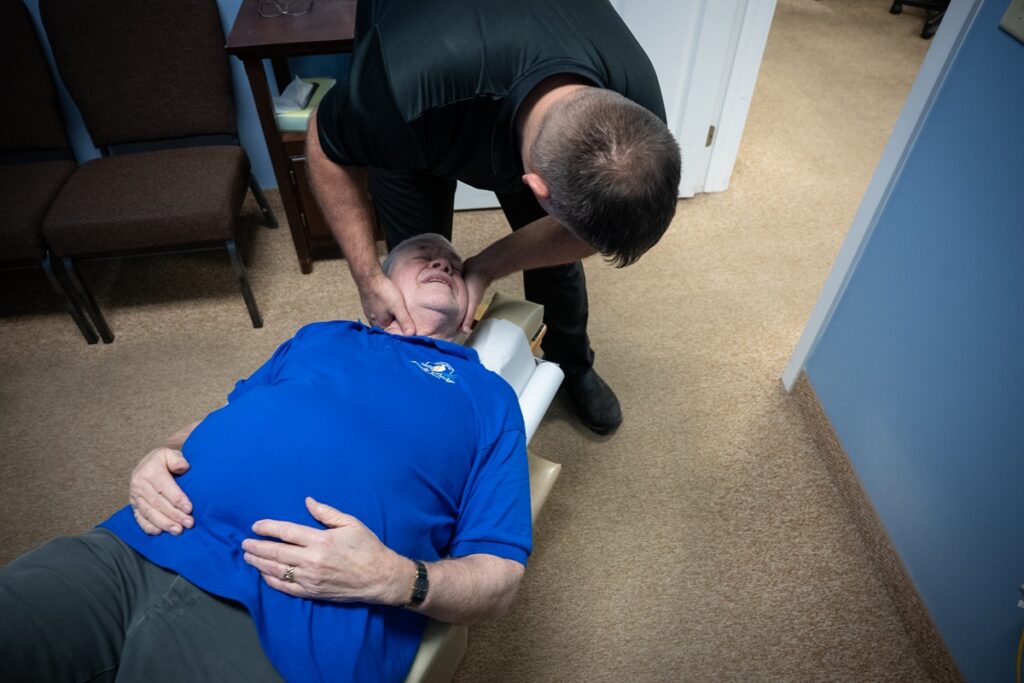

Improving your posture is vital for your overall health and comfort, and as a chiropractor, I see the impact of poor posture every day. You might not even realize how slouching or hunching can affect your daily life, leading to discomfort, fatigue, and even pain. The good news is that there are natural care solutions that can help you achieve better alignment and relief.
By incorporating simple exercises, mindful practices, and ergonomic adjustments into your daily routine, you can make significant improvements to your posture. Here are some tips to get started:
- Strengthening Exercises: Focus on exercises that strengthen your core, back, and shoulder muscles. Stronger muscles support your spine and help maintain good posture. Consider activities like planks, bridges, and shoulder blade squeezes.
- Mindful Awareness: Pay attention to your body throughout the day. Whether you’re sitting at your desk or standing in line, consciously align your head over your shoulders and your shoulders over your hips. This small shift can make a big difference.
- Ergonomic Adjustments: Ensure your workspace is set up for comfort. Your chair should support your lower back, and your computer screen should be at eye level to prevent straining your neck.
- Regular Chiropractic Care: Visiting a chiropractor can help identify and correct misalignments in your spine. Regular adjustments not only relieve pain but also promote better posture and overall health.
- Stretching: Incorporate gentle stretches into your routine, especially for your chest and hip flexors, which can become tight and contribute to poor posture.
By adopting these natural care solutions and prioritizing chiropractic care, you can pave the way for improved alignment, reduced discomfort, and enhanced well-being. Remember, taking small steps toward better posture can lead to significant changes in your health. Embrace these practices, and let them guide you on your journey to a healthier, more aligned you!
Key Takeaways
- Incorporate core-strengthening exercises like plank holds and bird-dogs into your routine. These exercises are excellent for enhancing spinal stability, which is crucial for maintaining good posture and preventing discomfort.
- Practice effective stretches, such as chest openers and seated forward bends. These stretches help relieve tension in your muscles and improve flexibility, making it easier to maintain a healthy posture throughout the day.
- Adjust your workspace ergonomics for better posture. Ensure your chair provides proper support, your desk is at the right height, and your monitor is positioned at eye level. Simple adjustments can make a significant difference in how you feel and help you maintain good posture.
- Utilize mindfulness techniques like breath awareness and body scanning. These practices enhance your body awareness, helping you identify areas of tension that may be affecting your posture. Being in tune with your body is essential for overall wellness.
- As a chiropractor, I recommend seeking professional guidance for personalized posture correction strategies. A tailored approach can address specific issues you may be experiencing. Chiropractic care not only focuses on correcting your posture but also promotes overall health and wellness without the need for medications or surgeries. Remember, maintaining a healthy spine is key to a healthy life!
Understanding the Importance of Good Posture
Good posture is about more than just looking confident; it’s a key component of your overall health and well-being. When you maintain proper alignment while standing or sitting, you help your muscles and joints work harmoniously, which reduces strain on your body. This alignment is crucial for supporting your spine, which can prevent back pain and discomfort—issues that many people experience.
As a chiropractor, I want to emphasize how good posture not only aids in pain relief but also enhances your overall vitality. When you prioritize good posture, you’re also promoting better circulation and digestion. This is essential for nutrient absorption and can significantly boost your energy levels throughout the day.
Simple adjustments like keeping your shoulders back and your head aligned over your spine can make a noticeable difference. Moreover, standing tall can do wonders for your mood and confidence. You may find that when you adopt an upright position, you feel more empowered and ready to face whatever the day brings.
Good posture also allows for improved breathing, letting more oxygen flow to your brain which enhances your concentration and clarity of thought. Incorporating good posture into your daily routine is a step towards better health.
Here are a few tips to help you maintain proper alignment:
- Be Mindful of Your Position: Whether you’re sitting at a desk or standing in line, check in with your posture. Are your shoulders back? Is your head aligned with your spine? Small adjustments can lead to big improvements over time.
- Strengthen Your Core: A strong core supports your spine. Consider exercises that target your abdominal muscles, as they play a vital role in maintaining good posture.
- Take Breaks: If you’re sitting for long periods, take short breaks to stand and stretch. This will help relieve tension and reset your posture.
- Use Ergonomic Furniture: If possible, invest in ergonomic chairs and desks that promote better posture. These can help you maintain a healthy alignment throughout your workday.
By embracing good posture, you’re not just enhancing your appearance—you’re making a valuable investment in your physical and mental health. As a chiropractor, I encourage you to consider how chiropractic care can further support your journey to optimal health through natural healing and wellness.
Common Causes of Poor Posture
Poor posture is often a result of a sedentary lifestyle and improper ergonomic practices, which can lead to discomfort and pain.
When you spend long hours sitting without proper support or fail to adjust your workspace to fit your body, it’s easy to develop harmful habits that can affect your spinal health.
As a chiropractor, I want to emphasize that recognizing these common causes is the first step toward making positive changes.
By understanding how your daily activities contribute to poor posture, you can take proactive steps to improve your well-being.
Here are some simple tips to help you maintain good posture and support your spine:
- Adjust Your Workspace: Ensure your chair and desk are at the right height. Your feet should rest flat on the ground, and your arms should be at a 90-degree angle while typing.
- Take Breaks: Make it a habit to stand up and stretch regularly. This helps relieve tension and promotes better circulation.
- Strengthen Your Core: Engaging in exercises that strengthen your core muscles can help provide better support for your spine.
- Be Mindful of Your Posture: Throughout the day, check in with yourself. Are your shoulders slouched? Is your back rounded? Make a conscious effort to sit up straight with your shoulders back.
- Consider Chiropractic Care: Regular visits to a chiropractor can help you maintain optimal spinal alignment, alleviate pain, and promote overall wellness.
Chiropractic adjustments can be a natural way to address the underlying issues caused by poor posture.
By making these small adjustments and considering chiropractic care, you can take significant steps toward improving your posture and enhancing your overall health.
Sedentary Lifestyle Effects
As you spend long hours sitting, whether at a desk or on the couch, your posture can gradually decline. This common sedentary lifestyle can lead to muscle weakness and stiffness, making it challenging to maintain proper alignment.
Over time, sitting for extended periods can result in poor habits that not only impact your posture but also your overall health. Here are some common effects of a sedentary lifestyle on your posture:
- Weak core muscles that support your spine, which can lead to discomfort.
- Tight hip flexors that can pull your pelvis forward, causing an imbalance.
- Rounded shoulders that may increase strain on your neck and upper back.
Being mindful of these effects is the first step toward improvement. Incorporating regular breaks, stretching, and movement into your daily routine can significantly counteract the negative impacts of prolonged sitting.
Chiropractic care is an excellent way to enhance your posture and overall wellness. A chiropractor can help identify misalignments in your spine and provide adjustments that promote better alignment, reduce pain, and strengthen your core muscles.
Additionally, they can offer personalized exercises and stretches that target tight areas and improve your posture, ultimately leading to a healthier lifestyle.
Remember, your body is designed for movement! Small changes, like standing up to take phone calls or setting a timer to remind you to stretch, can make a big difference.
Let’s work together towards achieving optimal health through natural healing and the power of chiropractic care!
Improper Ergonomics Practices
When you neglect your workspace setup, it can lead to habits that negatively affect your posture and overall well-being. Common issues include slouching in your chair or craning your neck towards your screen. If your monitor is positioned too low or your chair is too high, you may find yourself straining your back and shoulders, which can lead to discomfort and pain over time.
The way you position your keyboard is also important; reaching too far can cause strain in your wrists and arms, leading to unnecessary tension. It’s not just about how you sit, but also how your body aligns. Make sure your feet are flat on the floor—sitting cross-legged or tucking your feet under you can create an imbalance that affects your spine.
To promote optimal health and prevent discomfort, it’s essential to adjust your environment for ideal ergonomics. Simple changes, such as investing in a supportive chair, adjusting your desk height, or positioning your monitor at eye level, can significantly improve your posture and reduce the risk of pain.
Remember, maintaining good posture is key to spinal health, and chiropractic care can play a vital role in helping you achieve that. Regular visits to a chiropractor can help realign your spine, relieve tension, and provide guidance on how to maintain a healthy posture throughout your daily activities.
Simple Exercises to Strengthen Postural Muscles
To maintain good posture and support your spine’s health, incorporating simple exercises that target postural muscles is essential. Strengthening these muscles can enhance your stability and alignment, reducing the risk of discomfort and pain.
As a chiropractor, I encourage you to integrate these three effective exercises into your routine for better posture and overall wellness:
- Wall Angels: Stand with your back against a wall and raise your arms in a “W” position. Slowly slide your arms up and down the wall while ensuring your back and head stay in contact with it. This exercise is excellent for strengthening your shoulder and upper back muscles, helping to counteract the effects of poor posture from prolonged sitting or screen time.
- Plank Holds: Get into a plank position, either on your hands or forearms. Keep your body straight and engage your core muscles. Try to hold this position for 30 seconds to a minute, focusing on maintaining a straight line from your head to your heels. Planks not only strengthen your core but also support spinal stability, which is crucial for good posture.
- Bird-Dogs: Start on all fours on a comfortable surface. Extend one arm forward while simultaneously extending the opposite leg back. Hold this position for a moment, then switch sides. This exercise is fantastic for stabilizing your core and improving balance, which are both vital for maintaining optimal posture.
Incorporating these exercises regularly can significantly improve your posture and enhance your overall health.
Remember, chiropractic care is a valuable ally in achieving optimal health and wellness. By addressing spinal alignment and posture, chiropractic adjustments can help alleviate pain and promote natural healing.
Make sure to consult with your chiropractor to tailor a plan that suits your individual needs and helps you on your journey to better health!
Effective Stretches for Improved Flexibility
Improving flexibility is vital for maintaining good posture and overall physical health, especially since tight muscles can lead to misalignment in the spine. As a chiropractor, I believe that enhancing your flexibility not only helps with mobility but also supports your body’s natural healing processes.
To get you started on your journey toward better flexibility, here are a few effective stretches you can incorporate into your daily routine:
- Standing Quadriceps Stretch: Stand on one leg, bend the other knee, and gently pull your heel towards your glutes. This stretch targets the quadriceps and improves hip flexibility. Hold for 20-30 seconds, then switch legs. This will help keep your lower back aligned and reduce tension.
- Chest Opener: Stand tall and clasp your hands behind your back. Gently pull your shoulders back and down while keeping your chest open. Hold this position for 15-20 seconds. This stretch helps counteract the slouching that can occur from sitting too long, which is common in today’s lifestyle.
- Seated Forward Bend: Sit with your legs straight in front of you, and reach for your toes. This stretch is excellent for your hamstrings and lower back. Take deep breaths and hold for 15-30 seconds. It’s a simple way to relieve tension after a long day, promoting relaxation and flexibility.
- Cat-Cow Stretch: Get on all fours and alternate between arching your back (cat pose) and rounding it (cow pose). This dynamic movement encourages spinal flexibility and can help alleviate stiffness in your back.
Incorporating these stretches into your routine can lead to significant improvements in your flexibility and posture over time. Remember, a flexible body supports a healthy spine, and maintaining that alignment is crucial for overall wellness.
As you work on these stretches, consider visiting your chiropractor regularly. Chiropractic care offers a holistic approach to health, addressing the underlying issues that may be contributing to your tightness and discomfort.
Mindfulness Techniques for Better Body Awareness
Enhancing your flexibility is an important step towards achieving better posture, but developing mindfulness techniques can significantly improve your body awareness as well. By tuning into your body, you can identify areas of tension and misalignment, enabling you to make necessary adjustments throughout your day.
Here are some mindfulness techniques that can help you on your journey to better health, while also complementing chiropractic care:
- Breath Awareness: Start by focusing on your breath. Take a moment to feel it moving through your body. This simple practice helps center your mind and connects you to your physical state, making it easier to recognize any discomfort or misalignment.
- Body Scanning: Spend a few moments mentally scanning your body from head to toe. Pay attention to areas that feel tense or uncomfortable, and consciously relax those muscles. This can enhance your awareness and help you maintain a healthier posture, making chiropractic adjustments more effective.
- Mindful Movement: Engage in gentle activities like yoga or tai chi, where slow, deliberate movements allow you to be fully aware of your body’s positioning. These practices can improve your flexibility and strength, making your chiropractic care even more beneficial.
Incorporating these mindfulness techniques into your daily routine can help you develop a deeper connection with your body.
Not only will this awareness support your posture and flexibility, but it will also enhance the effectiveness of your chiropractic care.
Ergonomic Adjustments for Your Workspace
To improve your posture at work and support your overall spinal health, it’s essential to start with optimizing your desk height and ensuring your chair provides adequate support. These ergonomic adjustments can significantly enhance your comfort and alignment, which are vital for preventing pain and discomfort in your back and neck.
Here are some simple tips to create a healthier workspace:
- Desk Height: Your desk should allow you to keep your elbows at a 90-degree angle while typing. This helps minimize strain on your shoulders and wrists. If your desk is too high or low, consider using a desk riser or an adjustable desk to achieve the right height.
- Chair Support: Choose a chair that supports the natural curve of your spine. A chair with lumbar support is ideal, as it helps maintain proper spinal alignment. If your chair doesn’t provide this support, you can use a small cushion or rolled towel to support your lower back.
- Monitor Position: Your computer monitor should be at eye level so you don’t have to strain your neck to see the screen. If you need to, adjust the height of your monitor or use a stand to keep it at the right level.
- Take Breaks: Remember to take regular breaks from sitting to stretch and move around. This can help alleviate tension in your muscles and keep your spine in better alignment.
- Stay Hydrated: Drinking plenty of water throughout the day can help keep your muscles hydrated and functioning properly, which is essential for maintaining good posture.
By making these simple ergonomic adjustments, you can create a healthier workspace that supports your spinal health.
Remember, chiropractic care is also an excellent way to address any discomfort you may experience and to promote overall wellness. Regular visits to your chiropractor can help ensure your spine stays aligned, your muscles are balanced, and you can enjoy a pain-free life.
Embrace these tips for a better workday and consider integrating chiropractic care into your wellness routine for optimal health.
Desk Height Optimization
Finding the right desk height is crucial for your overall comfort and wellness while working. An optimized workspace can significantly reduce strain on your neck, shoulders, and back, promoting better spinal health.
Here’s how to create an ergonomic setup that supports your body and aligns with natural healing principles:
- Elbow Position: Aim to keep your elbows at about a 90-degree angle or slightly more open when typing. This position helps maintain proper spinal alignment and reduces tension in the upper body.
- Wrist Alignment: Ensure your wrists are straight and elevated off the desk or keyboard while typing. Good wrist alignment prevents undue stress that can lead to discomfort and supports healthy posture, which is key to avoiding pain.
- Screen Level: Position your computer screen at eye level to keep your head in a neutral position. This simple adjustment prevents you from tilting your head up or down, which can lead to neck strain over time.
Incorporating these adjustments into your workspace can enhance your comfort and productivity.
Remember, regular chiropractic care can further support your spinal health, helping you maintain proper alignment and reducing pain naturally.
Chair Support Features
While having a well-adjusted desk is important, the chair you select is vital for maintaining good posture throughout your workday. It’s essential to choose a chair with adjustable features, such as seat height, backrest tilt, and lumbar support. These adjustments allow you to tailor the chair to your body’s unique shape, which can help you keep a neutral spine position—something that’s crucial for spinal health.
Comfort is key, especially if you spend long hours seated. A chair with sufficient cushioning can help prevent discomfort and strain. Additionally, adjustable armrests can alleviate pressure on your shoulders, further contributing to a healthier sitting posture.
Look for chairs that encourage movement and make it easy to shift positions, as this can help keep your spine engaged and reduce stiffness. Don’t overlook the importance of materials; breathable fabrics can enhance your overall comfort during the day.
By investing in a chair with these ergonomic features, you not only improve your posture but also contribute to your overall well-being. Remember, making these adjustments is a proactive step you can take towards better spinal health.
While a good chair is a great start, regular chiropractic care can further support your journey to optimal health. Chiropractors can help address any existing discomfort and guide you on maintaining a healthy spine.
The Role of Footwear in Posture
Many people mightn’t realize how crucial footwear is to maintaining good posture, but the shoes you wear can significantly influence how you stand and move. Choosing the right shoes can’t only promote better alignment but also support your overall health.
Here are some important factors to consider when selecting footwear that can enhance your posture and well-being:
- Arch Support: Look for shoes with proper arch support. This feature helps to evenly distribute your weight and minimizes strain on your feet and back, which can contribute to discomfort and misalignment.
- Heel Height: Opt for shoes with a lower heel. Shoes that encourage a more natural stance can help reduce the risk of misalignment in your spine and lower body, promoting better posture and comfort throughout your day.
- Material Flexibility: Select footwear made from flexible materials that allow for natural movement. Stiff shoes can lead to discomfort and restrict your ability to move freely, which can ultimately affect your posture.
Remember, taking care of your feet is an essential part of your overall health. Proper footwear can support your spine and help you maintain the alignment that’s crucial for a pain-free life.
If you’re experiencing discomfort or have questions about your posture, consider reaching out to a chiropractor. They can provide tailored advice and natural solutions to help you achieve optimal health and wellness.
Incorporating Yoga and Pilates Into Your Routine
Incorporating yoga and Pilates into your routine can significantly enhance your overall posture and well-being. As a chiropractor, I often emphasize the importance of maintaining proper spinal alignment, and these practices are excellent tools for achieving that.
Both yoga and Pilates not only improve flexibility but also build core strength, which is crucial for supporting your spine throughout daily activities.
By committing to regular sessions of yoga and Pilates, you may experience a transformation in how you carry yourself, helping to alleviate tension and discomfort. Additionally, these practices encourage mindfulness and body awareness, which can further support your journey towards optimal health.
Here are a few tips to get started:
- Start Slow: If you’re new to yoga or Pilates, begin with beginner classes or videos. This will help you learn the fundamentals without overexerting yourself.
- Focus on Breathing: Proper breathing techniques are essential in both practices. They help you relax and enhance the benefits of the movements.
- Listen to Your Body: Pay attention to how your body feels during each exercise. If something doesn’t feel right, don’t hesitate to modify the movement or consult with a chiropractor for personalized advice.
- Combine with Chiropractic Care: Regular chiropractic adjustments can complement your yoga and Pilates practice, enhancing your overall spinal health and improving your posture even further.
Remember, while yoga and Pilates can be excellent for enhancing your well-being, consistent chiropractic care is essential for maintaining a healthy spine and achieving lasting pain relief.
It’s the best choice for those seeking natural wellness and optimal health.
Benefits of Yoga
If you’re looking to enhance your posture and overall well-being, incorporating yoga and Pilates into your routine can be a valuable addition. While yoga has many benefits, it’s important to remember that chiropractic care is a natural and effective way to support your journey towards optimal health, especially when it comes to spinal alignment and pain relief.
Here are some ways yoga can complement your chiropractic care:
- Increased flexibility: Regular yoga practice helps stretch tight muscles, which can alleviate tension around the spine, promoting better alignment. However, working with a chiropractor ensures that any underlying issues are addressed, providing a comprehensive approach to flexibility.
- Strengthened core: Many yoga poses engage the core, offering stability and support for your spine. A strong core is essential for maintaining good posture, and chiropractic adjustments can enhance this benefit by ensuring that your spine is in the best position to support your body.
- Mindfulness: Yoga encourages body awareness, helping you recognize poor posture habits. With chiropractic care, you can receive personalized guidance on how to adjust your posture and maintain spinal health.
By integrating yoga into your wellness routine while also prioritizing chiropractic care, you empower yourself to develop a stronger, more balanced body.
A consistent practice can lead to improved posture, enhanced mental clarity, and better emotional well-being.
Remember, your chiropractor can provide you with tailored advice and adjustments that not only ease pain but also promote natural healing and healthier living.
Pilates for Strength
Pilates is an excellent way to build strength and stability, and it pairs nicely with chiropractic care to enhance your overall well-being. By incorporating Pilates into your routine, you can strengthen your core, improve flexibility, and support better posture—all of which are crucial for spinal health. These benefits not only enhance your physical performance but also play a significant role in preventing injuries and reducing pain.
As your local chiropractor, I recommend integrating Pilates exercises into your week as a natural way to support your body. Here’s a simple plan you can follow:
| Day | Pilates Exercise | Duration |
|---|---|---|
| Monday | Roll Up | 15 minutes |
| Wednesday | Plank | 10 minutes |
| Friday | Single Leg Stretch | 15 minutes |
| Sunday | Teaser | 10 minutes |
By committing to this balanced approach, you can notice improvements in your posture and overall health. Remember, maintaining good posture is essential for spinal health and can significantly reduce back pain.
In addition to Pilates, consider visiting your chiropractor regularly to ensure your spine is aligned and functioning optimally. Chiropractic care is a natural, effective way to promote healing and maintain wellness without the need for medications or surgeries. Simple lifestyle changes, such as staying active and focusing on proper body mechanics, can also go a long way in enhancing your health.
Keep these tips in mind, and you’ll be on your way to a healthier, pain-free life!
Daily Habits to Support Healthy Posture
While many people underestimate the impact of daily habits on posture, small adjustments can lead to significant improvements in your spinal health. As a local chiropractor, I want to emphasize that incorporating simple habits into your routine can help you maintain a healthier posture throughout the day and support your overall wellness.
Here are a few strategies to consider:
- Mind your sitting position: It’s essential to ensure your back is straight, shoulders are relaxed, and feet are flat on the floor. If possible, investing in an ergonomic chair can greatly enhance your sitting posture, providing the necessary support for your spine.
- Take regular breaks: Make it a point to stand up and stretch every 30 minutes. This practice helps relieve tension in your muscles and resets your posture, promoting better spinal alignment. Remember, movement is key to maintaining a healthy spine!
- Strengthen your core: Engaging in exercises that target your abdominal and back muscles is crucial. A strong core supports your spine better and can alleviate discomfort. Consider incorporating simple exercises like planks or bridges into your routine to bolster your core strength.
By adopting these daily habits, you can enhance your posture and overall health naturally.
Remember, chiropractic care is also an excellent way to support your body’s alignment and function. Regular visits to your chiropractor can help keep your spine healthy and address any issues before they become more significant problems.
Prioritizing your posture today will pave the way for a healthier tomorrow!
Seeking Professional Advice for Posture Correction
Incorporating daily habits to improve your posture is a fantastic first step, but sometimes you need professional guidance to make lasting changes. As a chiropractor, I encourage you to seek expert advice to help identify specific posture-related issues that might be affecting your overall well-being.
Working with a chiropractor can be incredibly beneficial. We assess your posture, identify any weaknesses, and create a personalized plan that includes exercises and techniques tailored just for you. This targeted approach not only helps you correct current posture problems but also prevents future issues.
Here are some simple tips to get you started:
- Mind Your Alignment: When sitting, keep your feet flat on the floor, your back straight, and your shoulders relaxed.
- Take Breaks: If you sit for long periods, make it a habit to stand up and stretch every 30 minutes.
- Strengthen Your Core: Engage in exercises that strengthen your core muscles, as a strong core supports good posture.
- Stay Active: Incorporate regular physical activity into your routine, as movement helps maintain flexibility and strength.
Additionally, your chiropractor can teach you how to integrate these posture-friendly practices into your daily life.
Remember, good posture is more than just standing tall—it’s vital for your overall health and wellness. By partnering with a chiropractor, you’re investing in a natural and effective way to achieve optimal health and maintain a strong, healthy posture.
Don’t hesitate to reach out for help; your body will thank you!
Conclusion
Improving your posture is not just about looking good; it’s essential for your overall health and well-being. As a chiropractor, I want to share how you can enhance your posture through natural care solutions that prioritize spinal health. This journey involves a combination of exercises, mindfulness, and smart daily habits.
Start by incorporating core-strengthening workouts into your routine. A strong core supports your spine and helps maintain good posture. Simple exercises like planks and bridges can make a significant difference. Pair these with effective stretches to alleviate tension in your muscles, especially in the neck and back areas, which can often become tight from poor posture.
Being mindful of your body mechanics throughout the day is crucial. Pay attention to how you sit, stand, and move. Ensure your workstation is ergonomically friendly—adjust your chair, monitor height, and take regular breaks to avoid prolonged strain.
Proper footwear also plays a vital role in supporting your posture. Choose shoes that provide adequate support and comfort. High heels or unsupportive shoes can lead to misalignment and discomfort.
Incorporating practices like yoga or Pilates can further enhance your posture by promoting flexibility and body awareness. These disciplines encourage proper alignment and can be a great complement to chiropractic care.
Speaking of chiropractic care, regular visits to your chiropractor can help identify and address any spinal misalignments. Chiropractic adjustments can relieve pain, improve mobility, and promote a healthier spine, which is foundational for good posture. Always consider consulting with your chiropractor if you have concerns about your posture or experience discomfort.
Remember, making small changes today can lead to a stronger, healthier you tomorrow. Start implementing these tips, and embrace the journey to better posture and overall wellness!