
As a parent, you want the very best for your child’s health and development. You’re careful about what they eat, how much sleep they get, and when they need to see a doctor. But have you ever considered how your child’s growing spine and nervous system might benefit from chiropractic care? Pediatric chiropractic care is a gentle, safe, and increasingly popular option for families in Blaine, MN, yet many parents have questions about what it involves, whether it’s safe, and when it might be appropriate. This article will walk you through everything you need to know about pediatric chiropractic care, how it differs from adult care, and what to expect if you bring your child to Catalyst Chiropractic And Rehab.
Children aren’t just small adults. Their bodies are constantly growing, developing, and adapting to new physical challenges. From the birth process to learning to walk, riding bikes, playing sports, and carrying heavy backpacks, childhood is full of physical stresses that can affect spinal alignment and overall wellness. Understanding how chiropractic care fits into your child’s health journey can help you make informed decisions that support their growth and long-term well-being.
What Is Pediatric Chiropractic Care?
What exactly is pediatric chiropractic care? Pediatric chiropractic care is a specialized branch of chiropractic that focuses on the unique needs of infants, children, and adolescents. It involves gentle, age-appropriate techniques designed to support healthy spinal development, nervous system function, and overall wellness during the critical growing years.
Table of Contents
- What Is Pediatric Chiropractic Care?
- How Pediatric Chiropractic Differs from Adult Care
- Why Would a Child Need Chiropractic Care?
- Common Childhood Conditions That May Benefit
- What to Expect During Your Child’s Visit
- Is Pediatric Chiropractic Care Safe?
- When Can Children Start Chiropractic Care?
- Supporting Your Child’s Spinal Health at Home
- When to Consider Bringing Your Child In
- Pediatric vs. Adult Chiropractic Techniques
- Myths vs. Facts About Pediatric Chiropractic
- Final Thoughts for Blaine Families
How Pediatric Chiropractic Differs from Adult Care
When parents hear the word “chiropractic,” they often picture the adjustments they’ve experienced themselves—sometimes accompanied by audible pops or cracks. Pediatric chiropractic care is entirely different. Children require significantly less force than adults because their bones, joints, and connective tissues are still developing and are naturally more flexible.
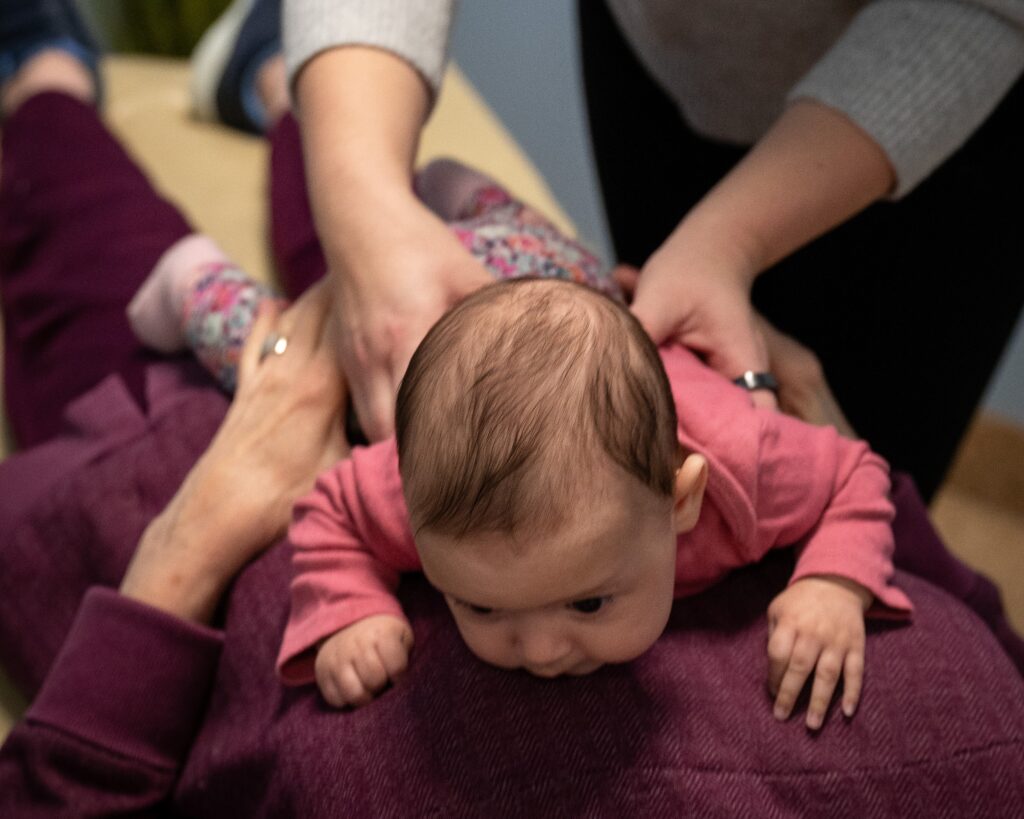
The techniques used on children are extraordinarily gentle. For infants, the pressure applied during an adjustment is often no more than the amount you’d use to test the ripeness of a tomato—typically just a few ounces of pressure. For older children and adolescents, the approach is adjusted based on their size, age, and specific needs, but it remains far gentler than adult techniques.
Chiropractors who work with children also take extra time to create a comfortable, non-threatening environment. At Catalyst Chiropractic And Rehab in Blaine, MN, Dr. Bob Vaughn understands that children may feel nervous or uncertain during their first visit. The focus is always on building trust, explaining what will happen in age-appropriate language, and ensuring both child and parent feel completely comfortable before proceeding.
Why Would a Child Need Chiropractic Care?
Many parents wonder why a child would need chiropractic care in the first place. After all, children are young, active, and generally resilient. However, childhood is actually a time of significant physical stress and rapid development, and these factors can contribute to spinal misalignments and related issues.
The birth process itself can be physically demanding on a newborn’s spine and nervous system, especially if interventions like forceps, vacuum extraction, or C-section are involved. As infants grow, they go through rapid developmental milestones—learning to hold their head up, roll over, sit, crawl, and eventually walk. Each of these stages places new demands on the musculoskeletal system.
Toddlers and young children fall frequently as they develop coordination and balance. While most tumbles are harmless, repeated minor impacts can create subtle misalignments over time. School-age children face new challenges like heavy backpacks, poor posture during screen time, and the physical demands of sports and recreational activities.
Adolescents experience growth spurts that can create temporary imbalances in the spine and joints. Add to this the postural stress from smartphones, tablets, and laptops, and you have a generation of young people whose spines are under more strain than ever before. Chiropractic care during these developmental periods can help support proper alignment and function as children grow.
Common Childhood Conditions That May Benefit
While chiropractic care doesn’t treat diseases, research suggests it may help with several common childhood complaints related to musculoskeletal function and nervous system health. Many parents in Blaine bring their children to Catalyst Chiropractic And Rehab for support with issues like colic and fussiness in infants, difficulty latching during breastfeeding, sleep disturbances, and frequent ear discomfort.
Older children may benefit from chiropractic care for concerns such as growing pains, posture-related neck and back discomfort, headaches, sports injuries, and challenges with concentration or hyperactivity. It’s important to understand that chiropractic care addresses the underlying biomechanical and neurological factors that may contribute to these issues, rather than treating the symptoms directly.
The nervous system controls and coordinates every function in the body, and the spine houses and protects the spinal cord. When spinal segments are misaligned or not moving properly, it can potentially interfere with nervous system communication. By addressing these mechanical issues, chiropractic care may help the body function more optimally overall.
Evidence from systematic reviews suggests that manual therapy, including chiropractic care, may provide benefits for certain pediatric conditions, though research in this area is still evolving. The International Chiropractic Pediatric Association and other professional organizations continue to support research into the safety and effectiveness of pediatric chiropractic care.
What to Expect During Your Child’s Visit
If you’re considering bringing your child to see Dr. Bob Vaughn at Catalyst Chiropractic And Rehab in Blaine, understanding what happens during a typical visit can help ease any concerns. The first visit always begins with a thorough consultation and health history. Dr. Vaughn will ask about your child’s birth history, developmental milestones, any injuries or falls, current symptoms, and your goals for care.
Next comes a gentle examination tailored to your child’s age. For infants, this might involve observing how they move, checking for any asymmetries or areas of tension, and assessing their ability to turn their head equally in both directions. For older children, the exam might include simple movement tests, posture evaluation, and palpation to identify areas of restricted motion or muscle tension.
If chiropractic care is deemed appropriate, Dr. Vaughn will explain exactly what techniques will be used and demonstrate the gentle nature of pediatric adjustments. Parents are always present during care, and children are encouraged to ask questions or express any concerns. Many children find the experience relaxing and enjoyable once they understand what’s happening.
Adjustments for infants often involve light fingertip pressure applied to specific areas of the spine or cranium. Older children might receive slightly more involved techniques, but these remain gentle and are always adapted to the child’s size and comfort level. Some children even fall asleep during their adjustments because they find them so soothing.
Is Pediatric Chiropractic Care Safe?
Safety is understandably the primary concern for any parent considering chiropractic care for their child. The good news is that pediatric chiropractic care has an excellent safety record when performed by a qualified, trained chiropractor. Research published in peer-reviewed journals indicates that adverse events related to pediatric chiropractic care are extremely rare and, when they do occur, are typically minor and temporary, such as mild soreness or temporary fussiness.
A study published in the journal Pediatrics reviewed the available evidence on manual therapy for children and found that serious adverse events were exceptionally uncommon. The key to safety is ensuring that care is provided by a chiropractor who has training and experience working with children, uses age-appropriate techniques, and maintains open communication with parents.
Chiropractors are trained to recognize conditions that are not appropriate for chiropractic care and to refer to medical specialists when necessary. Before any care begins, a thorough examination helps identify any contraindications or conditions that would require a different approach. Parents should always feel free to ask about their chiropractor’s experience with pediatric patients and their approach to ensuring safety.
At Catalyst Chiropractic And Rehab, Dr. Bob Vaughn takes a conservative, evidence-informed approach to pediatric care. This means using the gentlest techniques possible, monitoring progress closely, and working collaboratively with your child’s pediatrician or other healthcare providers when appropriate.
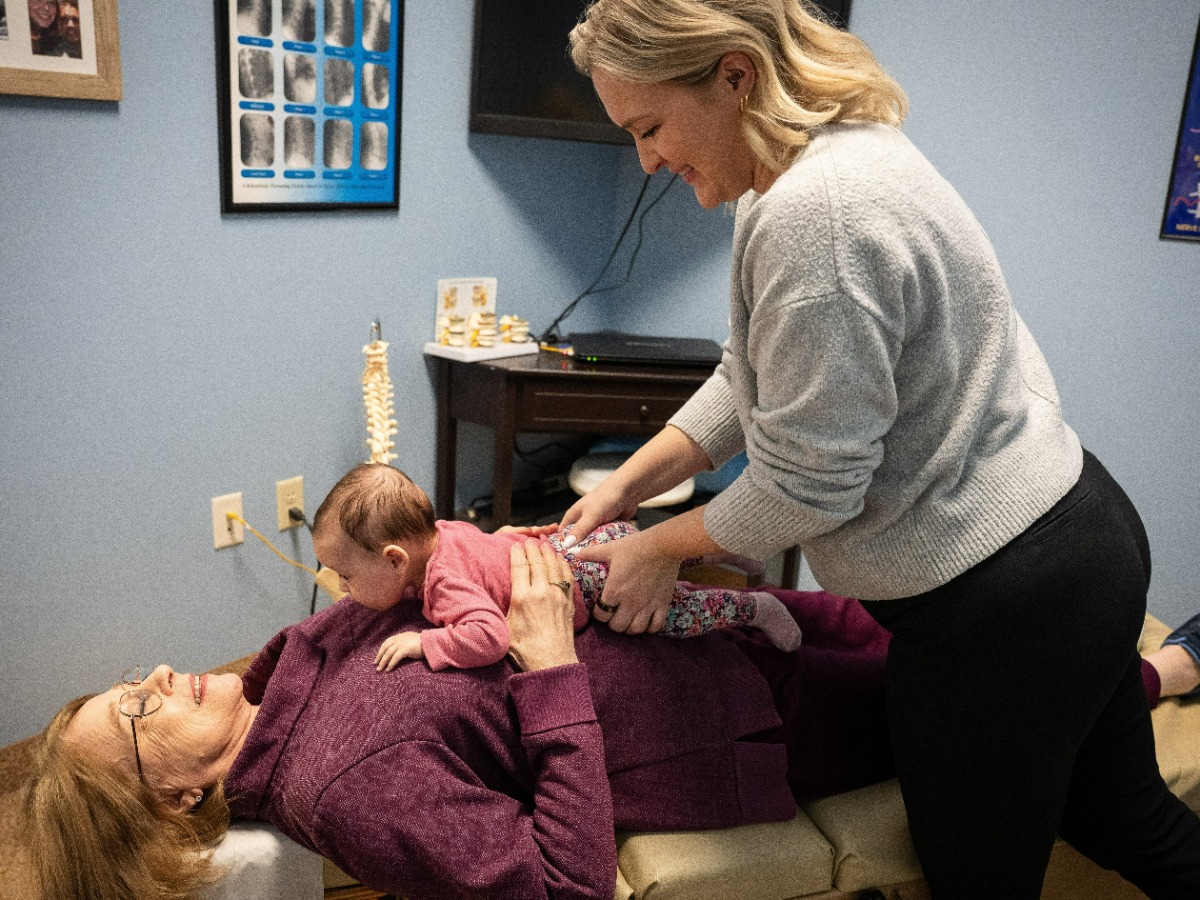
When Can Children Start Chiropractic Care?
Parents often ask how young is too young for chiropractic care. The truth is that infants can be evaluated and receive gentle chiropractic care within days of birth if needed. In fact, some parents bring newborns in for an evaluation shortly after delivery, especially if there were any complications during birth or if the baby is showing signs of discomfort, asymmetrical movement, or difficulty nursing.
The techniques used on newborns are incredibly gentle and specifically designed for their delicate structures. As mentioned earlier, the pressure used is minimal—often just the weight of a finger. These early interventions can sometimes help address minor misalignments before they develop into larger issues as the child grows.
There’s no upper age limit for pediatric chiropractic care either. Adolescents going through growth spurts, playing competitive sports, or dealing with the physical demands of daily life can benefit from regular chiropractic check-ups just as adults do. The transition from pediatric to adult care techniques happens gradually and is always based on the individual’s physical development rather than age alone.
Many families in Blaine make chiropractic care a regular part of their children’s wellness routine, bringing them in for periodic check-ups even when they’re not experiencing specific symptoms. This proactive approach helps identify and address minor issues before they become more significant problems.
Supporting Your Child’s Spinal Health at Home
While professional chiropractic care can be beneficial, there’s much you can do at home to support your child’s spinal health and overall development. These practical tips can complement any care your child receives and help prevent problems from developing in the first place.
For infants, practice tummy time regularly once your baby can tolerate it. This helps develop neck and upper back strength and prevents positional plagiocephaly, or flat spots on the head. Alternate which arm you use to hold and feed your baby to encourage balanced muscle development. When placing your baby down to sleep, alternate which end of the crib their head is positioned toward so they naturally turn their head different directions to see you or activities in the room.
As children grow, encourage varied movement and play. Limit time in containers like car seats, swings, and bouncy seats when not necessary for safety. Allow plenty of free floor time for babies to explore movement naturally. For older children, promote active play that involves climbing, hanging, rolling, and moving in different directions rather than just forward and backward.
Pay attention to backpack safety for school-age children. Backpacks should weigh no more than 10-15% of your child’s body weight, and both shoulder straps should always be used. The backpack should sit evenly in the middle of the back, not sag down toward the buttocks. Consider a rolling backpack if your child’s school materials are consistently too heavy.
Monitor and limit screen time, and when devices are used, teach proper ergonomics. Tablets and phones should be held at eye level rather than looked down at for extended periods. Computer monitors should be positioned so the top of the screen is at or slightly below eye level. Encourage breaks from screen time every 20-30 minutes to move around and change positions.
Promote good sleep posture. Young children generally do fine with whichever sleep position they naturally prefer, but as children get older, sleeping on the back or side with proper pillow support is ideal. Avoid stomach sleeping when possible. Make sure mattresses provide adequate support without being too hard or too soft.
When to Consider Bringing Your Child In
So when should you actually consider bringing your child to see a chiropractor? Here are some situations where evaluation might be appropriate. If your newborn had a difficult birth involving interventions, shows a preference for turning their head to only one side, has difficulty nursing or latching on one side, or seems uncomfortable or excessively fussy despite other causes being ruled out, a gentle chiropractic evaluation could be beneficial.
For infants and toddlers, consider an evaluation if they’re experiencing developmental delays in reaching motor milestones, show persistent asymmetries in how they hold their body or move, have frequent unexplained irritability, or experienced a significant fall or injury. Remember that chiropractic evaluation doesn’t replace regular pediatric care but can complement it.
School-age children might benefit from chiropractic care if they complain of frequent headaches or neck pain, demonstrate poor posture or uneven shoulders, experience growing pains that significantly impact their quality of life, have suffered a sports injury, or show signs of decreased flexibility or range of motion. Many young athletes in Blaine visit Catalyst Chiropractic And Rehab regularly as part of their injury prevention and performance optimization routines.
Adolescents dealing with posture problems from device use, athletic demands, growth-related discomfort, or stress and tension that manifests as physical symptoms may also find chiropractic care helpful. This is also a great time to establish healthy habits and body awareness that will serve them well into adulthood.
Trust your parental instincts. If something seems off with how your child is moving or functioning, even if you can’t quite put your finger on what it is, a professional evaluation can provide peace of mind and identify issues you might not have noticed.
Pediatric vs. Adult Chiropractic Techniques
| Aspect | Pediatric Chiropractic | Adult Chiropractic |
|---|---|---|
| Pressure Applied | Very light (ounces of pressure for infants, minimal force for children) | Moderate to firm pressure depending on technique and area |
| Techniques Used | Fingertip adjustments, gentle mobilization, cranial work, light instrument-assisted techniques | Diversified, drop-table, instrument-assisted, manual manipulation |
| Duration of Visit | Often shorter, focused visits (10-20 minutes including observation and adjustment) | Typically 15-30 minutes depending on treatment plan |
| Response Time | Children often respond very quickly due to body’s natural flexibility and healing capacity | May take longer due to chronic patterns and less adaptive tissues |
| Frequency of Care | Often less frequent; many pediatric issues resolve relatively quickly | May require more frequent initial visits for chronic conditions |
| Focus Areas | Supporting development, addressing birth trauma, preventing future issues | Managing chronic pain, addressing injury, maintaining function |
Myths vs. Facts About Pediatric Chiropractic
Myth: Chiropractic adjustments for children are just like adult adjustments but smaller
Fact: Pediatric chiropractic techniques are fundamentally different from adult techniques, not just scaled down versions. They involve specialized training and use extremely gentle pressure appropriate for a child’s developing body. The approach, force, and techniques are specifically designed for pediatric anatomy and physiology.
Myth: Children’s bones are too soft for chiropractic care
Fact: Children’s bones are actually more resilient and adaptable than adult bones, which is precisely why gentle chiropractic care can be so effective. The light pressure used in pediatric adjustments is well within safe limits and is far less force than children experience during normal play and activities. Chiropractors are trained to work safely with developing skeletal systems.
Myth: If my child isn’t in pain, they don’t need chiropractic care
Fact: While pain is one reason to seek chiropractic evaluation, many parents bring their children in for wellness care, developmental support, or to address functional issues that aren’t painful but may affect quality of life. Additionally, children often don’t experience or communicate discomfort the same way adults do, and minor misalignments can exist without obvious pain symptoms.
Myth: Once you start chiropractic care for your child, they’ll need it forever
Fact: The duration and frequency of pediatric chiropractic care depends entirely on the individual child’s needs and goals. Some children benefit from just a few visits to address a specific issue, while others may come in periodically for wellness checks. There’s no dependency created, and many childhood issues resolve relatively quickly compared to adult conditions.
Myth: Pediatric chiropractic isn’t based on real science
Fact: Chiropractic care is grounded in established principles of anatomy, neurology, and biomechanics. While more research specific to pediatric populations is always welcomed, existing evidence from systematic reviews and clinical studies supports the safety and potential benefits of pediatric chiropractic care. Organizations like the International Chiropractic Pediatric Association continue to promote research and evidence-based practice.
Final Thoughts for Blaine Families
Every parent wants to give their child the best possible start in life and support their growing bodies through all the challenges childhood brings. Pediatric chiropractic care offers a gentle, conservative approach to supporting your child’s spinal health, nervous system function, and overall wellness during these critical developmental years.
Here in Blaine, MN, families have been trusting Catalyst Chiropractic And Rehab to provide compassionate, evidence-informed care for their children. Dr. Bob Vaughn understands that bringing your child in for chiropractic care may feel like a big step, especially if it’s something you’ve never considered before. That’s why education, open communication, and your complete comfort are always priorities.
Whether your child is a newborn who had a challenging birth, a toddler who seems uncomfortable or developing asymmetrically, a school-age child dealing with postural stress or growing pains, or an adolescent athlete looking to perform their best and prevent injuries, gentle chiropractic evaluation and care may be a valuable part of their healthcare team.
If you have questions about whether pediatric chiropractic care might be right for your child, don’t hesitate to reach out. The team at Catalyst Chiropractic And Rehab in Blaine is always happy to discuss your specific concerns and help you make the most informed decision for your family’s health and wellness.
Frequently Asked Questions
How young can my baby be to see a chiropractor?
Infants can be evaluated within the first few days of life if there are concerns about birth trauma, feeding difficulties, or excessive fussiness. The techniques used on newborns are extraordinarily gentle, using no more pressure than you would use to test the ripeness of a piece of fruit. Many parents choose to have their babies evaluated shortly after birth as a proactive wellness measure.
Will my child’s adjustment make a cracking or popping sound?
In most cases, pediatric adjustments do not produce the audible “popping” sound often associated with adult chiropractic care. The techniques used for children are much gentler and involve light pressure or mobilization that typically doesn’t create joint cavitation (the release of gas bubbles that causes the popping sound). Occasionally with older children and adolescents, you might hear some joint movement, but it’s not common or necessary for effective care.
How many visits will my child need?
This varies greatly depending on your child’s age, the specific concern being addressed, and how their body responds to care. Some childhood issues resolve within just a few visits, while others may benefit from ongoing wellness care. After the initial evaluation, Dr. Bob Vaughn will discuss realistic expectations for your child’s specific situation and create an individualized care plan.
Does insurance cover pediatric chiropractic care?
Many insurance plans do provide coverage for chiropractic care, including for children, though coverage varies widely by plan. It’s best to check directly with your insurance provider about your specific benefits. The team at Catalyst Chiropractic And Rehab in Blaine can also help you understand your coverage and work with your insurance company.
Can chiropractic care help with my child’s ear infections or colic?
While chiropractors don’t treat ear infections or colic directly, research suggests that gentle chiropractic care may help support the body’s natural function in ways that could positively affect these conditions. For example, gentle work in the upper cervical spine and cranium may help with drainage and nervous system regulation. It’s important to maintain your relationship with your pediatrician for medical evaluation and management while exploring complementary approaches like chiropractic care.
What should I tell my pediatrician about chiropractic care?
Open communication between all of your child’s healthcare providers is important. Let your pediatrician know that you’re considering or receiving chiropractic care, what the care involves, and what you hope to achieve. Most medical doctors appreciate when parents take a proactive, integrative approach to their children’s health. A collaborative relationship between your pediatrician and chiropractor can provide the most comprehensive care for your child.
TL;DR – Key Takeaways
- Pediatric chiropractic care uses extremely gentle, age-appropriate techniques that are fundamentally different from adult adjustments, often using no more than fingertip pressure for infants and young children.
- Children can benefit from chiropractic evaluation at any age, from newborns dealing with birth trauma to adolescents managing sports injuries and postural stress from device use.
- Research supports the safety of pediatric chiropractic care when performed by trained professionals, with serious adverse events being exceptionally rare.
- Common reasons families seek pediatric chiropractic care include infant fussiness and feeding difficulties, developmental support, growing pains, posture concerns, sports injuries, and general wellness maintenance.
- Parents can support their child’s spinal health at home through practices like tummy time, proper backpack use, good screen ergonomics, and encouraging varied, active play throughout childhood.