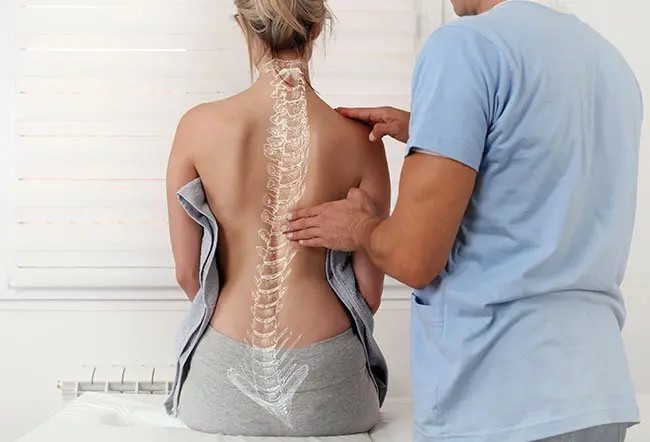

Living with scoliosis can feel overwhelming, especially when you’re not sure what you can do to support your spine and feel better in your daily life. The good news is that understanding your condition — and taking simple, consistent steps to care for your posture — can make a meaningful difference in how you feel. Whether you’ve recently been diagnosed or have been managing scoliosis for years, this article is designed to help you feel informed, empowered, and less alone on your journey.
What is scoliosis?
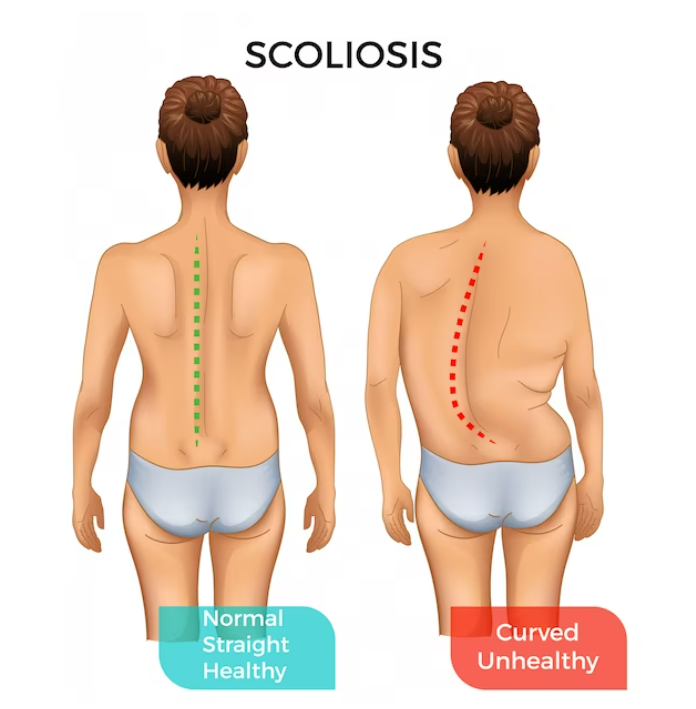
Scoliosis is an abnormal lateral (sideways) curvature of the spine. Instead of running in a straight vertical line, the spine curves to one side — sometimes in a single “C” shape, and sometimes in a double “S” shape. It can affect people of all ages, though it most commonly appears during the adolescent growth years. Scoliosis ranges from mild to severe, and while it doesn’t always cause pain, it can affect posture, movement, and overall spinal health over time.
What Causes Scoliosis?
One of the most common questions people have after a scoliosis diagnosis is simple: why did this happen? The honest answer is that for most people, there isn’t a single, clear-cut cause. The most prevalent form — called idiopathic scoliosis — has no identified cause, though research suggests genetics may play a role. When a parent has scoliosis, their children have a higher likelihood of developing it as well.
There are also other, less common types of scoliosis. Congenital scoliosis occurs when the vertebrae don’t form properly before birth. Neuromuscular scoliosis develops as a secondary condition to disorders like cerebral palsy or muscular dystrophy, where the muscles that support the spine are affected. And degenerative scoliosis, sometimes called adult-onset or de novo scoliosis, can develop later in life as the discs and joints of the spine wear down unevenly over time.
Here in Blaine, MN, Dr. Bob Vaughn at Catalyst Chiropractic And Rehab sees patients across the full spectrum — from teenagers dealing with adolescent idiopathic scoliosis to adults who are noticing postural changes for the first time. No matter the cause, understanding your specific situation is the first step toward managing it well.
How Scoliosis Affects Your Posture and Daily Life
Scoliosis doesn’t just show up on an X-ray — it often shows up in how you carry yourself throughout the day. When the spine curves abnormally, the surrounding muscles, joints, and connective tissues must constantly adapt and compensate. Over time, this can lead to muscle imbalances where some muscles become overworked and tight, while others become underused and weak.
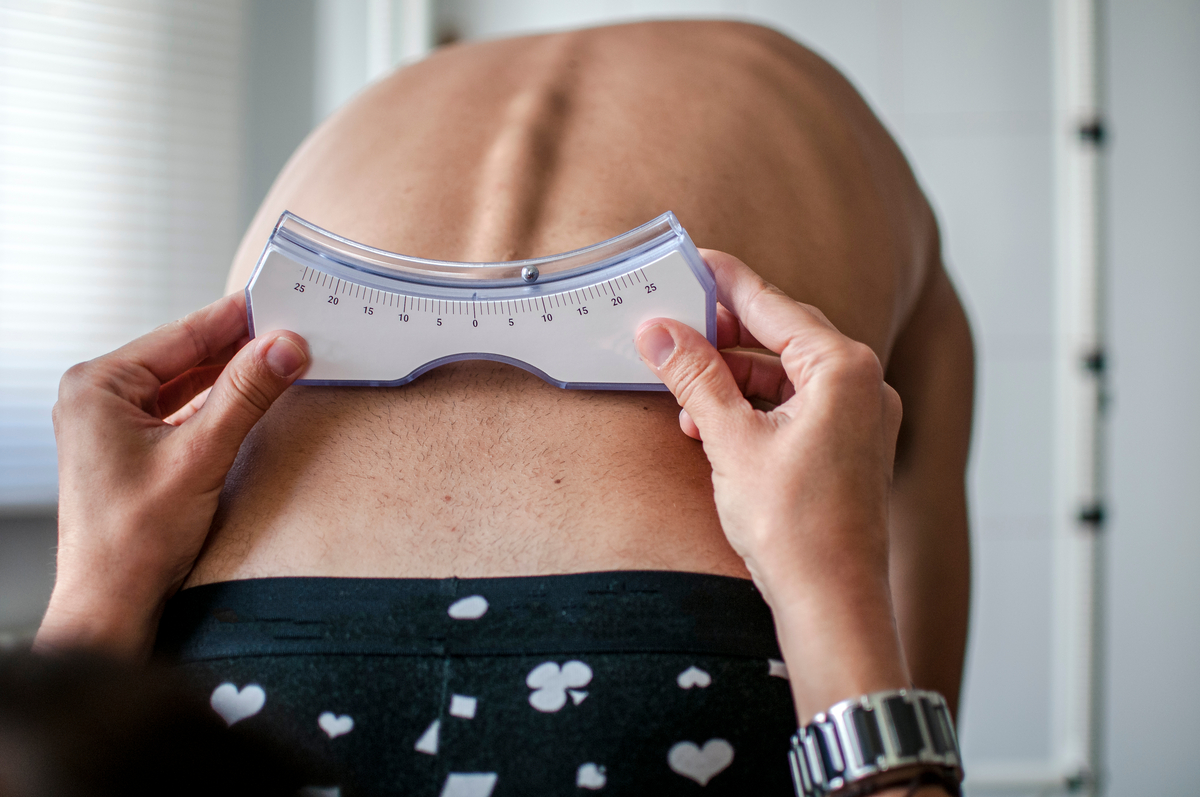
Common postural signs of scoliosis include uneven shoulder height, one hip appearing higher than the other, the head seeming off-center from the pelvis, or a visible rib hump on one side when bending forward. These aren’t just cosmetic concerns. Postural imbalances can cause fatigue, discomfort, and changes in how you breathe, walk, and move through your day.
Pain patterns in scoliosis can vary widely. Some people experience aching or tightness on one side of the back, while others have recurring tension headaches or hip pain as their body compensates. In more significant curves, there can even be some degree of impact on lung capacity or digestive function, though this is generally associated with more severe cases. Understanding how your unique curve is affecting your posture helps guide the most effective path forward.
How Chiropractic Care Fits In
Chiropractic care is one of the most widely used conservative, non-surgical approaches for individuals with scoliosis. It’s important to be clear: chiropractic care does not “straighten” a scoliotic curve in the structural sense. However, evidence indicates that chiropractic adjustments and related therapies may help manage pain, improve spinal mobility, reduce muscle tension, and support overall function — all of which matter enormously to quality of life.
At Catalyst Chiropractic And Rehab in Blaine, MN, Dr. Bob Vaughn takes an individualized approach to every patient with scoliosis. That means a thorough assessment first — looking at the degree and location of the curve, how it’s affecting posture and movement, and what your specific goals are. Care is never one-size-fits-all, because no two spines are exactly alike.
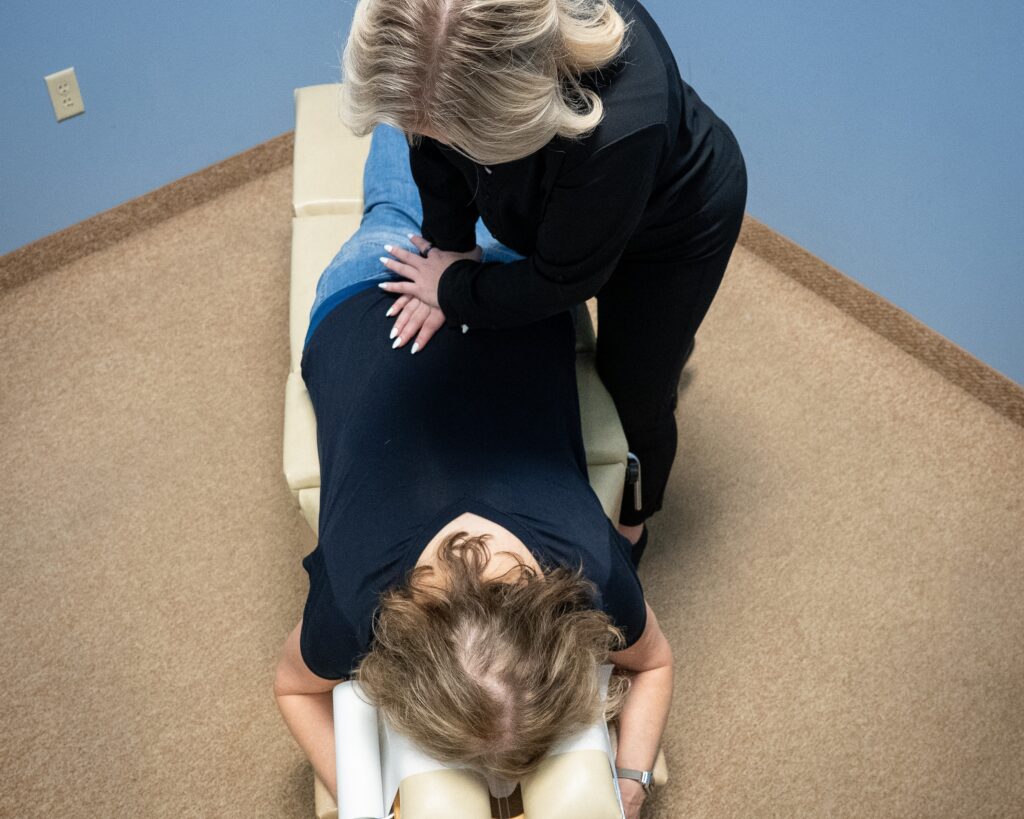
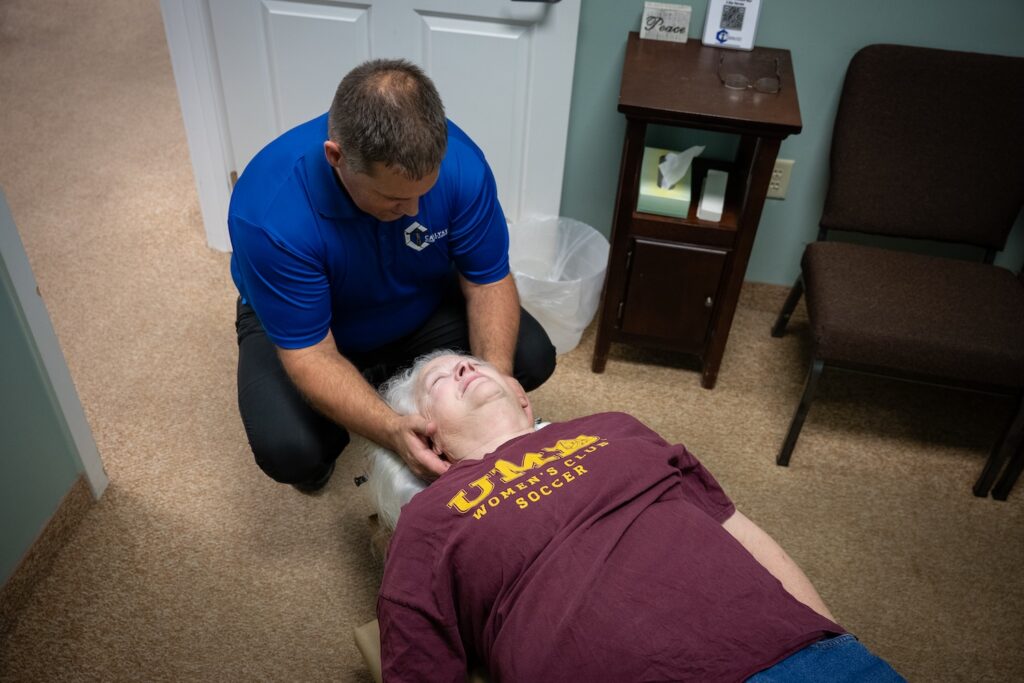
Chiropractic care for scoliosis may include gentle spinal adjustments tailored to the individual’s curve pattern, soft tissue work to address the muscle imbalances that develop alongside a curved spine, and rehabilitative exercises designed to strengthen the muscles that support spinal stability. The goal isn’t to force the spine into a “perfect” position — it’s to help your body move, function, and feel better within its current structure.
The National Center for Complementary and Integrative Health (NCCIH) recognizes chiropractic care as a legitimate conservative option for spinal conditions, and research published in peer-reviewed journals has shown it to be helpful for managing pain and improving function in musculoskeletal conditions. For mild to moderate scoliosis, a collaborative, conservative care plan is often the most appropriate starting point.
Practical Tips for Supporting Your Spine at Home
While professional care is important, what you do in your daily life matters just as much. The spine responds to the habits and positions you repeat most often. If you spend long hours sitting with poor posture or consistently loading one side of your body more than the other, those patterns can increase discomfort and strain over time — especially when scoliosis is already creating asymmetry in the spine.
Posture awareness is a great starting point. For those with scoliosis, “good posture” looks slightly different from person to person depending on the curve location and direction. Rather than trying to force a rigid, military-straight posture, the goal is balanced, supported positioning. When sitting, try to keep your feet flat on the floor, your weight distributed evenly, and your hips at roughly a 90-degree angle. A lumbar support pillow can help maintain comfort during long periods of sitting.
Movement is medicine for a scoliotic spine. Prolonged static postures — whether sitting at a desk, standing in one place, or lying in an awkward position — can increase stiffness and discomfort. Regular, gentle movement throughout the day helps keep the spinal joints mobile and the surrounding muscles active. Even short movement breaks every 30 to 45 minutes can make a notable difference.
Sleep position also matters. Many patients with scoliosis find that sleeping on their side with a pillow between their knees reduces nighttime discomfort, though this can vary. A medium-firm mattress that provides both support and pressure relief tends to work well for most people with spinal conditions. If you wake up stiff or sore, it’s worth discussing your sleep setup with Dr. Bob Vaughn during your next visit to Catalyst Chiropractic And Rehab.
Core strengthening is another key component of long-term spinal health. The muscles of the core — including the deep stabilizers of the abdomen, back, and pelvis — act as a natural brace for the spine. Gentle, consistent exercises that build core endurance (not just strength) can reduce the load placed on a curved spine and help manage discomfort over time. Activities like walking, swimming, and yoga are generally well-tolerated and beneficial for most people with scoliosis, but it’s always wise to get personalized guidance before starting a new exercise routine.
When to See a Chiropractor
If you’ve been diagnosed with scoliosis and are experiencing back pain, stiffness, muscle tightness, or postural concerns, chiropractic care is worth exploring. This is especially true if your symptoms are affecting your daily activities, your sleep, or your ability to stay active. Many people in Blaine and the surrounding area wait longer than they need to because they assume scoliosis-related discomfort is just something they have to live with — but that’s rarely the case.
You should also consider a chiropractic evaluation if you’ve noticed recent changes in your posture, if one side of your back consistently tires more easily than the other, or if you’re unsure whether a conservative care approach might help you. Dr. Bob Vaughn at Catalyst Chiropractic And Rehab can help determine whether chiropractic care is appropriate for your situation or whether a referral or collaborative care with another provider is a better fit.
There are some situations where more immediate medical attention is warranted. If you experience severe or rapidly worsening pain, significant neurological symptoms such as weakness, numbness, or tingling in the legs, changes in bladder or bowel function, or difficulty breathing, please seek medical care promptly. These symptoms could indicate a more serious spinal issue that requires urgent evaluation.
Posture Habits: Helpful vs. Harmful
|
Posture Habit |
Helpful |
Harmful |
|---|---|---|
|
Sitting position |
Feet flat, hips at 90°, weight evenly distributed |
Crossing legs, slouching, leaning heavily to one side |
|
Screen height |
Eye level with monitor to reduce neck strain |
Looking down at a laptop or phone for extended periods |
|
Bag carrying |
Backpack worn evenly on both shoulders |
Heavy shoulder bag carried on one side repeatedly |
|
Sleep position |
Side-lying with pillow support between knees |
Stomach sleeping, which increases spinal rotation |
|
Movement breaks |
Short breaks every 30–45 minutes to stretch and move |
Sitting or standing in one position for hours at a time |
|
Exercise habits |
Low-impact, balanced activity such as walking or swimming |
High-impact, asymmetrical sports without core preparation |
Myths vs. Facts About Scoliosis
Myth: Scoliosis always causes severe pain.
Fact: Many people with mild to moderate scoliosis experience little to no pain at all. Pain levels depend on many factors, including the degree of curvature, age, muscle health, and daily habits. With proper support and care, many individuals manage very well and live full, active lives.
Myth: Chiropractic adjustments will straighten a scoliotic curve.
Fact: Chiropractic care does not structurally reverse a scoliotic curve. What it can do is help reduce pain, improve spinal mobility, address muscle imbalances, and support better function and comfort. The goal is meaningful improvement in how you feel and move — not a promise of structural correction.
Myth: People with scoliosis shouldn’t exercise.
Fact: Movement is generally encouraged for people with scoliosis. Regular, appropriate exercise — especially activities that build core strength and spinal support — can actually help manage symptoms and improve overall spinal health. The key is choosing the right types of movement and getting guidance tailored to your specific curve.
Myth: Scoliosis is only a concern for adolescents.
Fact: While idiopathic scoliosis is most commonly identified during the teenage years, adults can also develop scoliosis — particularly degenerative scoliosis as the spine ages. Adults can also experience progression of a curve that was present but mild in childhood. Scoliosis is genuinely a lifelong spinal health consideration.
Myth: If your scoliosis isn’t severe, you don’t need to do anything about it.
Fact: Even mild scoliosis can benefit from proactive care. Building good postural habits, maintaining core strength, staying active, and having regular spinal evaluations can help prevent unnecessary discomfort and support long-term spinal health — regardless of curve severity.
Final Thoughts
Scoliosis is a condition that looks different for everyone — in its shape, its severity, and the way it affects daily life. What’s consistent is that the people who tend to do best are the ones who stay informed, stay active, and work with a care team they trust. You don’t have to figure this out on your own.
At Catalyst Chiropractic And Rehab in Blaine, MN, Dr. Bob Vaughn is committed to helping patients with scoliosis understand their spines and take confident steps toward better health. Whether you’re looking for pain relief, improved posture, or simply a clear picture of where things stand, our team is here to provide honest, compassionate, individualized care. We’re proud to serve the Blaine community and the surrounding area with a conservative, whole-person approach to spinal health.
If you’re living with scoliosis and wondering whether chiropractic care might be right for you, the best first step is simply a conversation. You deserve to feel supported — and you deserve a spine that works as well as it possibly can for you.
Frequently Asked Questions
Can chiropractic care help with scoliosis-related back pain?
Yes, evidence suggests chiropractic care can help manage pain and improve function for individuals with scoliosis. It’s important to have a thorough evaluation so care can be tailored to your specific curve and symptoms. Dr. Bob Vaughn at Catalyst Chiropractic And Rehab in Blaine, MN can help determine the most appropriate approach for your situation.
Is it safe to get chiropractic adjustments if I have scoliosis?
For most people with mild to moderate scoliosis, chiropractic care is considered safe when provided by an experienced chiropractor who understands the condition. Care is typically modified to account for the direction and degree of the curve. A thorough health history and assessment are always conducted before beginning care.
Will my scoliosis get worse as I get older?
Curve progression varies depending on the type of scoliosis, age, and severity. Some curves remain stable for decades, while others may progress gradually — particularly during growth spurts in adolescents or with age-related degeneration in adults. Regular monitoring by a healthcare professional is the best way to stay on top of any changes.
What exercises are good for scoliosis?
Low-impact activities such as walking, swimming, and gentle yoga are generally well-tolerated and beneficial for spinal health in people with scoliosis. Specific therapeutic exercises targeting core stability and spinal support can also be very helpful. It’s best to get personalized exercise guidance from a knowledgeable provider rather than following a generic routine.
How do I know if my posture problems are related to scoliosis?
Common postural signs of scoliosis include uneven shoulder height, one hip sitting higher than the other, and visible asymmetry in the upper back or waist. Only a proper clinical evaluation — typically including a physical examination and imaging — can confirm a scoliosis diagnosis. If you’re noticing postural changes, it’s worth having them evaluated.
How often should someone with scoliosis see a chiropractor?
Visit frequency depends on your symptoms, goals, and the specifics of your condition. Some patients benefit from an initial period of more frequent visits followed by a maintenance schedule, while others may need only periodic check-ins. Dr. Bob Vaughn will recommend a care plan based on your individual needs after a thorough assessment.
TL;DR Summary
-
Scoliosis is an abnormal sideways curvature of the spine that can affect posture, movement, and comfort — but it is very manageable with the right approach.
-
Chiropractic care doesn’t structurally correct scoliosis, but evidence suggests it can meaningfully reduce pain, improve mobility, and support better daily function.
-
Simple habits — including balanced sitting, regular movement breaks, core strengthening, and mindful sleep position — make a real difference in spinal health.
-
Scoliosis affects people of all ages, and even mild curves benefit from proactive, consistent care.
-
At Catalyst Chiropractic And Rehab in Blaine, MN, Dr. Bob Vaughn provides individualized, conservative care to help patients with scoliosis feel and function better.