
Text Neck: Causes, Symptoms, and Chiropractic Care in Blaine
If your neck feels tight or achy after scrolling on your phone, you’re not alone. At Catalyst Chiropractic And Rehab here in Blaine, we see this pattern every week—stiff necks, sore shoulders, tension headaches, and even mid-back fatigue after long periods of looking down. This is often called “text neck,” and it’s a very real, very fixable issue. In this guide, I’ll explain what text neck is, why it happens, and the steps we take as chiropractors to help you feel and move better.
My goal with this article is to give you clear, practical information. You’ll learn the simple biomechanics behind text neck, how to spot early warning signs, and proven ways to protect your spine—plus how chiropractic care addresses the root of the problem, not just the symptoms.
Table of Contents
- What Is Text Neck?
- Why Looking Down at Your Phone Matters for Your Neck and Spine
- The Biomechanics of Text Neck (Explained Simply)
- Common Signs and Symptoms
- Kids vs. Adults: Who Is at Risk in Blaine?
- Common Mistakes That Make It Worse
- How Chiropractic Care at Catalyst Chiropractic And Rehab Helps
- Practical Tips to Protect Your Neck Daily
- When to See a Chiropractor
- When to Seek Urgent Medical Care
- Myths vs. Facts About Text Neck
- A Local Message from Catalyst Chiropractic And Rehab in Blaine
What Is Text Neck?
Text neck is the strain, discomfort, and stiffness caused by repeatedly looking down at a phone or screen, which pushes the head forward and stresses the neck and upper back. Over time, this forward head posture can irritate joints, overwork muscles, and compress soft tissues, leading to pain and reduced mobility.
Text neck isn’t a disease; it’s a posture problem that accumulates stress on the neck, shoulders, and upper back. Think of your head as a bowling ball that your neck has to support. When your head is directly over your shoulders, the load is balanced. When your head shifts forward as you look down, the load multiplies on the neck’s muscles and joints.
Over hours and days, this creates micro-strain in ligaments and muscles, makes joints stiff, and can irritate nerves. The result is soreness and tension that often improves when posture improves—but may return if the habit continues.
Why Looking Down at Your Phone Matters for Your Neck and Spine
Small posture habits add up. A few minutes of scrolling here and there usually isn’t a big deal. But spending hours each day with a forward head posture compounds stress on the cervical spine (neck), upper back, and even the shoulders and jaw.
When your posture collapses forward, your spine loses its efficient, natural alignment. The muscles in the back of the neck and between the shoulder blades have to work overtime. Over time, this can affect how you move, how you breathe, and even your energy levels. The good news: with the right care and daily strategies, you can reverse these patterns.
The Biomechanics of Text Neck (Explained Simply)
Your cervical spine is designed with a gentle, forward-facing curve that helps distribute load and keep joints healthy. Looking down straightens or even reverses that curve, which increases pressure on discs and joints and forces muscles to hold the weight of the head longer than they should.
Here’s the simple version: the farther your head drifts forward, the harder your neck has to work to hold it up. The muscles that stabilize your shoulder blades also get pulled long and tired, while the chest muscles can tighten. That imbalance leads to stiffness, soreness, and sometimes nerve irritation that may feel like tingling into the shoulder or arm.
Common Signs and Symptoms
Text neck doesn’t look the same in everyone. Some people notice a dull ache at the base of the neck. Others feel burning between the shoulder blades after a long day at a desk. You might notice headaches that start in the neck and wrap around the temples, or jaw tension that builds as your posture collapses.
Reduced neck rotation, a “crick” when turning to check a blind spot, or morning stiffness that improves as you move are also common. Some people report occasional tingling in the upper back or shoulder area. If symptoms persist or worsen, it’s time to have the spine evaluated.
Kids vs. Adults: Who Is at Risk in Blaine?
We see text neck in students, parents, remote workers, gamers, and commuters across Blaine. Kids and teens are especially vulnerable because their postures are still developing and screen time is frequent. Early attention can help them build healthy habits for life.
Adults who spend long hours on laptops or phones—especially without breaks—are also at risk. Athletes who train hard but work at a desk all day may feel it too, because tightness can accumulate during the workday and spill into training.
Common Mistakes That Make It Worse
Most people don’t realize how subtle habits stack up. One common mistake is holding the phone low in your lap, which forces your head forward. Another is leaning into the screen with your chin jutting out. This position compresses the joints in the upper neck and strains the muscles in the lower neck and upper back.
Working long stretches without moving is another culprit. Your body thrives on movement. Even a perfect posture becomes stressful if you hold it too long. Finally, ignoring early stiffness often prolongs recovery. Early, consistent attention to alignment and mobility speeds improvement.
How Chiropractic Care at Catalyst Chiropractic And Rehab Helps
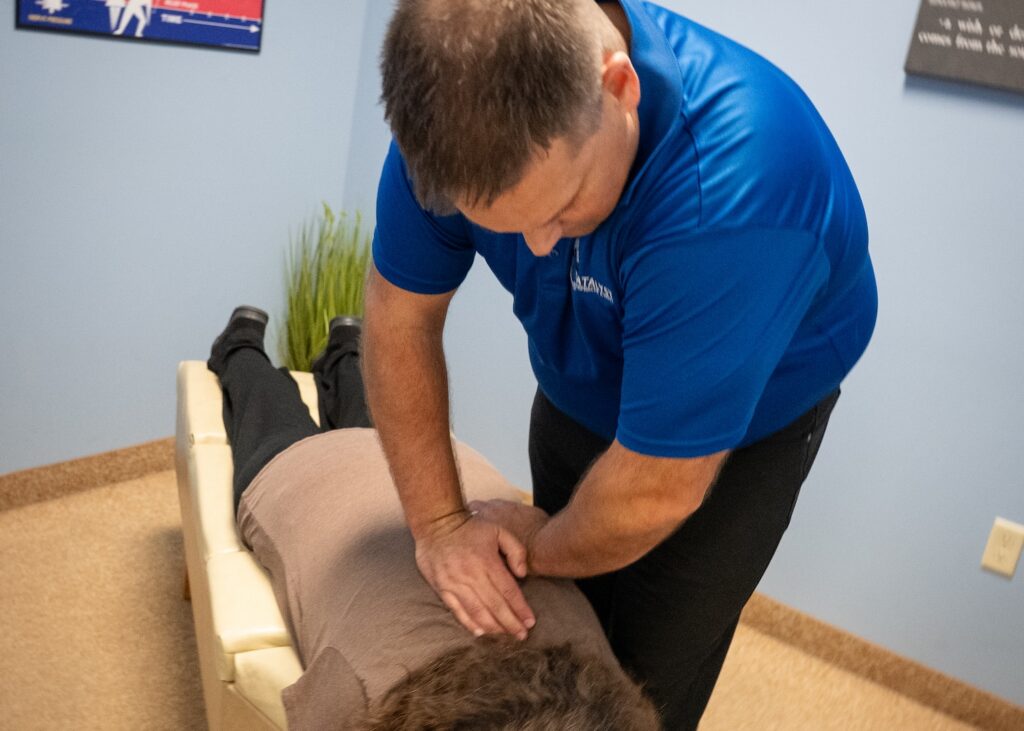
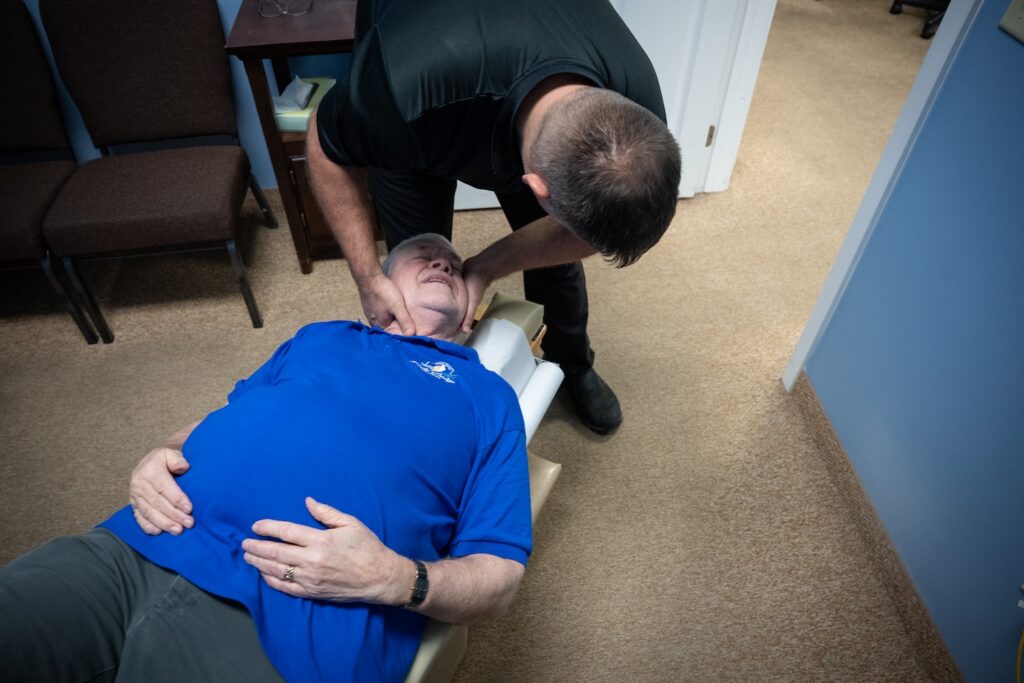
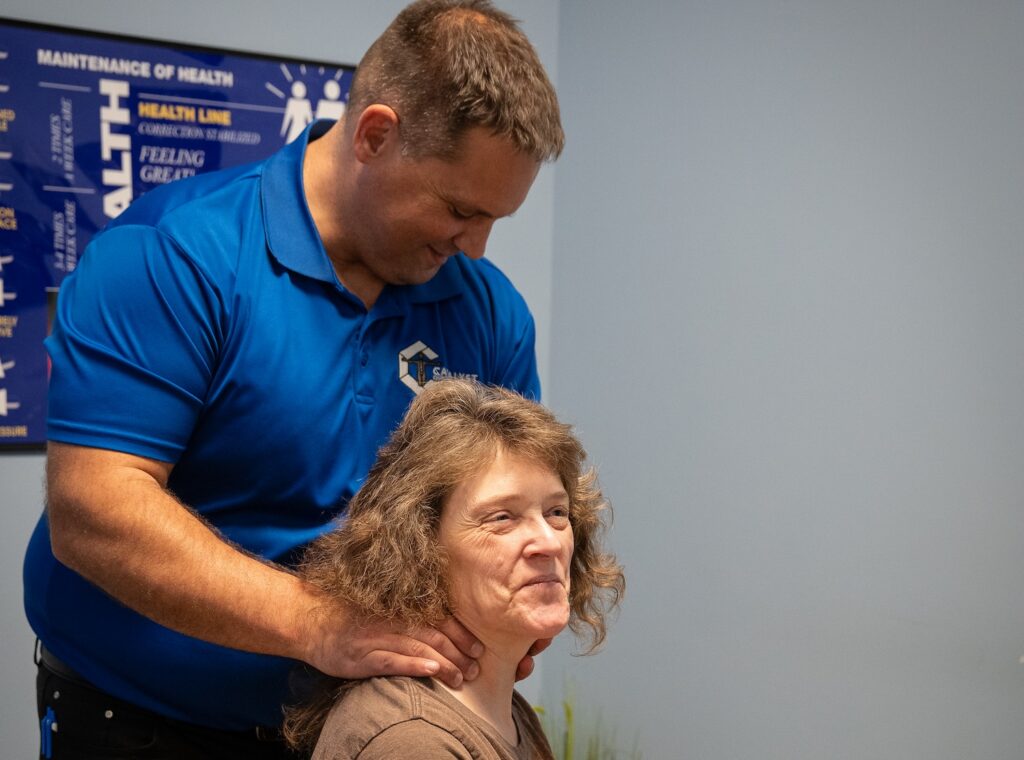
Chiropractic care is a frontline, non-invasive approach for text neck because it directly addresses spinal alignment, joint mobility, and the way your body functions. At Catalyst Chiropractic And Rehab in Blaine, we start with a focused evaluation of your posture, spinal motion, and muscle balance. We don’t guess—we assess, then treat.
Spinal adjustments restore motion to restricted joints and help reduce irritation that fuels pain and muscle guarding. When the joints move the way they’re designed to, muscles can relax and coordinate better, making it easier to maintain a comfortable, upright posture.
In addition to precise adjustments, we teach targeted, easy-to-follow corrective strategies—like gentle chin tucks, shoulder blade setting, and breathing patterns—that reinforce the changes we make on the table. This is chiropractic care delivered as it should be: addressing the root mechanics and empowering you with home strategies to keep your progress.
For many patients, a short course of consistent chiropractic care helps break the pain–stiffness cycle, improves range of motion, and sets the stage for healthier screen-time habits. If something in your exam suggests the need for imaging or a medical referral, we will discuss that with you clearly and coordinate as needed.
Practical Tips to Protect Your Neck Daily
- Lift the screen, not your head: Bring your phone or tablet closer to eye level. At a desk, raise your monitor so your eyes land on the top third of the screen.
- Set “movement reminders”: Every 30–45 minutes, stand up, roll your shoulders, and gently rotate your neck. A few deep breaths with tall posture can reset muscle tension.
- Use the “chin tuck” check-in: Gently draw your chin back so your ears line up over your shoulders. Hold 3–5 seconds, repeat a few times. Keep it gentle, not forced.
- Support your upper back: Sit back in the chair with your ribcage stacked over your pelvis. If needed, use a small towel roll behind the mid-back for short periods.
- Text with two hands: This reduces one-sided neck and shoulder tension. Switch hands to share the load.
- Prioritize recovery: Sleep with a supportive pillow that keeps your neck neutral. Side or back sleeping often supports the neck better than stomach sleeping.
When to See a Chiropractor
If neck or upper back soreness shows up most days, if you notice frequent tension headaches, or if your neck feels stiff turning to drive, it’s time for a chiropractic evaluation. Symptoms that last more than a week or two, return frequently, or limit your daily activities deserve attention.
Chiropractors are trained to evaluate spinal function, muscle balance, and nerve-related symptoms. Early care often means faster improvement and fewer flare-ups. Here in Blaine, our practice prioritizes an individualized plan so you can move comfortably and confidently—at work, at school, and in the gym.
When to Seek Urgent Medical Care
While text neck is usually a mechanical, posture-related issue, certain symptoms need prompt medical attention. Seek urgent care if you experience severe trauma, progressive weakness or numbness in an arm or hand, loss of coordination, sudden severe headache with neck stiffness, fever with neck pain, or unexplained weight loss with persistent pain. If you’re unsure, contact us—we’ll help you choose the safest next step.
Myths vs. Facts About Text Neck
| Myth | Fact |
|---|---|
| “Text neck is just a fad term—nothing to worry about.” | It’s a modern name for a real, well-understood posture problem: forward head posture and prolonged flexion that strain the neck and upper back. |
| “If I work out, I can’t get text neck.” | Strength helps, but long screen time with poor posture can still overload joints and soft tissues. Strong people get text neck too. |
| “Only phones cause it.” | Laptops, tablets, gaming, and even reading in bed can create the same forward head posture. |
| “It’s permanent.” | Most posture-related neck pain improves with the right care and consistent habits. Early attention speeds results. |
A Local Message from Catalyst Chiropractic And Rehab in Blaine
We love helping our Blaine community stay active, comfortable, and confident—on and off screens. If you or your child is dealing with stiffness, headaches, or that familiar ache after scrolling, chiropractic care can help you reset posture, restore motion, and build habits that last.
If you have questions about your setup at work or school, bring a few photos of your workstation or how you typically hold your phone. We’ll walk through simple adjustments tailored to you, and we’ll outline a clear plan to get you feeling better.
Frequently Asked Questions
Is text neck reversible?
In most cases, yes. With chiropractic care to restore joint motion and practical daily habits, many people notice less pain, fewer headaches, and improved mobility.
How long does it take to feel better?
It varies by person and severity. Some patients feel relief within a few visits, while others need a few weeks of consistent care and posture changes for lasting results.
Can chiropractic help headaches related to text neck?
Yes, neck-related tension headaches often improve when cervical joints move better and postural strain is reduced. Your chiropractor will evaluate to confirm it’s appropriate.
Do I need imaging for neck pain from phone use?
Most posture-related neck pain doesn’t require imaging initially. If your exam suggests otherwise, your chiropractor will discuss next steps.
What’s the best way to hold my phone?
Bring the phone up toward eye level, keep your shoulders relaxed, and check that your ears are stacked over your shoulders. Take frequent movement breaks.
Is this only a problem for teenagers?
No. Teens are common sufferers, but adults in desk-based jobs, gamers, and commuters experience text neck as well.
TL;DR
- Text neck is neck and upper back strain from forward head posture while looking down at screens.
- It stresses joints, overworks muscles, and can trigger headaches—but it’s very manageable.
- Chiropractic care is a frontline solution to restore motion, improve alignment, and reduce pain.
- Lift your screen, move every 30–45 minutes, practice gentle chin tucks, and support your sleep posture.
- If symptoms persist or limit your day, schedule a chiropractic evaluation at Catalyst Chiropractic And Rehab in Blaine.