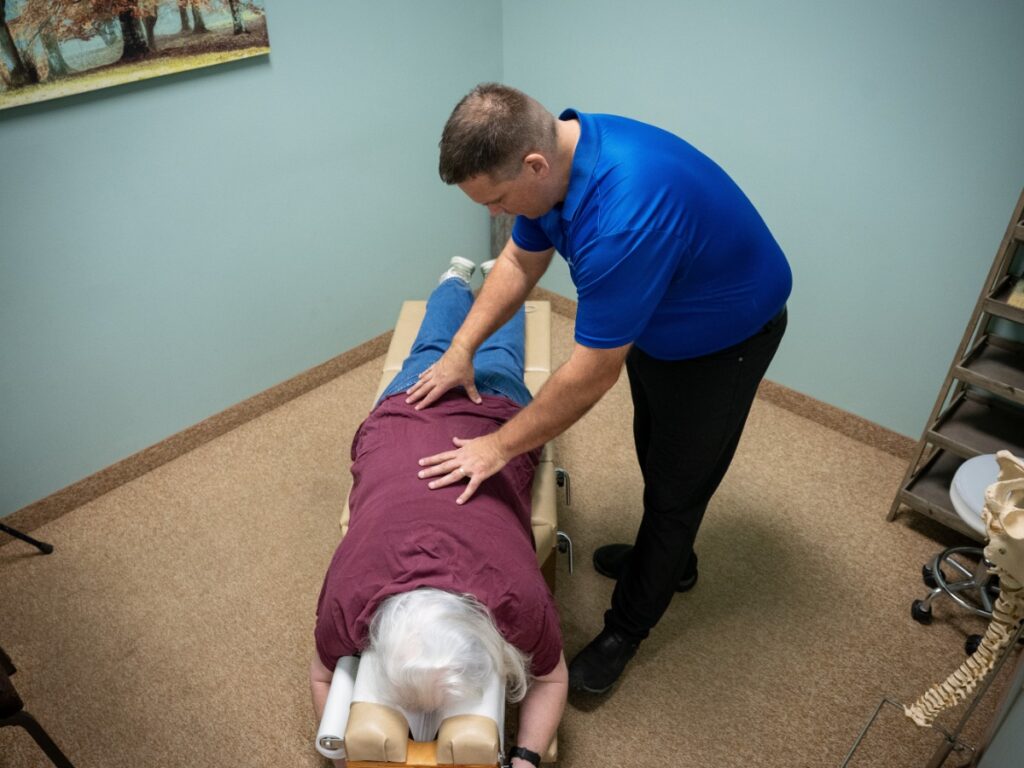

Managing chronic pain naturally can seem daunting, but it doesn’t have to be. As a chiropractor, I believe in the power of holistic approaches to help you regain control of your well-being. By focusing on natural healing methods, including spinal health and lifestyle changes, you can alleviate discomfort without the need for medications or invasive procedures. You might be amazed at how simple adjustments can lead to significant improvements in your quality of life. Ready to discover these seven practical tips? Let’s dive in!
- Prioritize Spinal Health: Your spine plays a crucial role in your overall health. Regular chiropractic adjustments can help realign your spine, reduce tension, and relieve pain. Make sure to schedule routine visits to ensure your spine is functioning at its best.
- Stay Active: Gentle exercise can enhance your flexibility and strength, which is essential for managing pain. Activities like walking, swimming, or yoga can be beneficial. Always consult with your chiropractor to tailor an exercise plan that suits your needs.
- Practice Mindfulness: Incorporating mindfulness techniques, such as meditation or deep breathing exercises, can help you manage stress and reduce the perception of pain. Taking a few minutes each day to focus on your breath can create a calming effect on both your mind and body.
- Eat a Balanced Diet: Nutrition plays a vital role in managing chronic pain. Foods rich in anti-inflammatory properties, like fruits, vegetables, nuts, and fish, can help reduce pain levels. Staying hydrated is equally important, so drink plenty of water throughout the day.
- Get Quality Sleep: A good night’s sleep is essential for recovery and pain management. Establish a sleep routine, create a comfortable sleep environment, and avoid screens before bedtime to improve your sleep quality.
- Utilize Heat and Cold Therapy: Applying heat or cold to painful areas can provide relief. Heat can relax muscles, while cold can reduce inflammation. Experiment with both methods to see which works best for you.
- Stay Connected: Surrounding yourself with supportive friends and family can make a significant difference in your pain management journey. Consider joining support groups where you can connect with others who understand what you’re going through.
By incorporating these tips into your routine, you can take significant strides toward managing chronic pain naturally. Remember, chiropractic care is an excellent option for achieving optimal health and wellness. Your journey to a pain-free life starts with taking small, actionable steps today!
Key Takeaways
- Embrace mindfulness and meditation to boost your awareness of your body and promote relaxation, which can be incredibly beneficial in managing chronic pain. These practices not only help you connect with your body but can also support the effectiveness of chiropractic adjustments.
- Engage in gentle, low-impact exercises such as walking or swimming. These activities are excellent for improving flexibility and circulation while being easy on your body. Regular movement complements chiropractic care by keeping your joints and muscles healthy.
- Consider making dietary adjustments by incorporating anti-inflammatory foods into your meals. Staying well-hydrated is also crucial. A nutritious diet can help reduce pain sensitivity and enhance your overall wellness, aligning beautifully with the principles of chiropractic care.
- Utilize heat and cold therapy as a way to find immediate pain relief. Applying heat can help relax tight muscles, while cold can reduce inflammation. These methods can be great adjuncts to the benefits you receive from chiropractic treatments.
- Prioritize quality sleep and create a calming bedtime routine. Rest is vital for your body’s repair processes and can significantly affect how you manage pain. Good sleep supports the effectiveness of chiropractic care, helping you wake up feeling refreshed and ready for the day.
By incorporating these natural strategies alongside regular chiropractic visits, you can take a proactive approach to managing chronic pain and achieving optimal health.
Practice Mindfulness and Meditation
When you incorporate mindfulness and meditation into your daily routine, you can create a powerful approach to managing chronic pain alongside chiropractic care. These techniques help you focus your attention and enhance your awareness of your body, allowing you to recognize and accept your pain without judgment. Instead of battling discomfort, you learn to observe it, which can help reduce its intensity.
By dedicating just a few minutes each day to mindfulness, you can train your mind to stay present. This practice can alleviate the anxiety and stress that often accompany chronic pain. Techniques like deep breathing and visualization not only promote relaxation but also work in harmony with chiropractic adjustments to create a sense of calm and distract you from your pain.
As you develop this mindfulness practice, you may notice an improvement in your emotional resilience, making it easier to cope with pain flare-ups. Remember, consistency is crucial; the more you engage in mindfulness alongside your chiropractic care, the more effective these strategies will be at transforming your relationship with pain.
In addition to mindfulness, consider incorporating gentle stretches and maintaining good posture to support your spine’s health.
Regular chiropractic visits can help realign your body and alleviate discomfort, while mindfulness practices help you manage the mental aspects of pain. Together, they form a holistic approach to achieving optimal health and wellness.
Incorporate Gentle Exercise
Incorporating gentle exercise into your daily routine can significantly help manage chronic pain and enhance your overall well-being. As a chiropractor, I believe that maintaining a healthy spine and body is essential for optimal health, and gentle exercises can play a key role in that.
Start with flexibility exercises to improve your range of motion and reduce stiffness in your joints. Simple stretches can be done at home and don’t require special equipment.
Consider low-impact activities like walking or swimming; these are excellent ways to stay active while minimizing strain on your body. These activities not only promote physical health but also support your spinal health, making chiropractic care even more effective.
Remember, consistency is key. Aim to incorporate gentle exercise into your routine a few times a week, and you’ll likely notice improvements in how you feel day to day.
Always listen to your body and consult with your chiropractor to tailor an exercise plan that suits your individual needs. By embracing gentle exercise, you’re taking a proactive step towards natural healing and a healthier lifestyle.
Focus on Flexibility Exercises
Flexibility exercises play a crucial role in managing chronic pain, and as a local chiropractor, I want to emphasize how these movements can help you maintain mobility and reduce stiffness without the need for medications or surgeries. By incorporating flexibility exercises into your daily routine, you can enhance your overall comfort and functionality, paving the way for a healthier, more active life.
Stretching not only eases tension but also improves circulation, which is vital for your body’s natural healing processes. When your muscles and joints are flexible, daily activities become much more manageable, allowing you to enjoy life with less discomfort.
Here are some effective flexibility exercises that you can incorporate into your routine. I recommend evaluating these based on your comfort level and gradually increasing their duration and frequency:
| Exercise | Duration (Minutes) | Frequency (Per Week) |
|---|---|---|
| Neck Stretch | 5 | 3-4 |
| Shoulder Roll | 5 | 3-4 |
| Hamstring Stretch | 5 | 3-4 |
| Cat-Cow Stretch | 5 | 3-4 |
| Seated Forward Bend | 5 | 3-4 |
As you practice these stretches, remember to listen to your body. It’s important to move within your limits and avoid pushing yourself too hard. If you experience any pain, stop and consult with your chiropractor, who can guide you on safe practices tailored to your needs.
In addition to these exercises, here are some general tips for enhancing your flexibility and overall wellness:
- Create a Routine: Set aside specific times each week to focus on flexibility exercises. Consistency is key to seeing benefits.
- Warm Up: Before stretching, take a few minutes to warm up your muscles with light activity, such as walking or gentle movements.
- Breathe Deeply: Focus on your breathing while stretching. Deep, controlled breaths can help you relax and improve the effectiveness of your stretches.
- Stay Hydrated: Drink plenty of water throughout the day to keep your muscles hydrated and functioning properly.
- Consider Chiropractic Care: Regular visits to your chiropractor can help ensure your spine is aligned, which can enhance your flexibility and overall well-being.
Consider Low-Impact Activities
Exploring low-impact activities can be a key part of your journey towards managing chronic pain naturally. Gentle exercises like swimming, walking, or cycling not only keep you active but also help you avoid putting unnecessary stress on your body. These activities can improve circulation, strengthen muscles, and boost your mood—all of which contribute to pain relief.
Consistency is important, so even short sessions of these exercises can make a big difference. You may also find practices like yoga or tai chi particularly helpful, as they encourage relaxation and flexibility, which are essential for spinal health.
Always listen to your body and remember not to push beyond your limits. Incorporating low-impact exercises into your daily routine can help you feel more in control of your pain, leading to a more active and fulfilling lifestyle.
Chiropractic care can play an essential role in your wellness journey. By addressing spinal alignment and overall body function, chiropractic treatments can enhance the benefits of your low-impact activities and help you achieve optimal health.
Explore Dietary Changes
Managing chronic pain can be a challenging journey, but making specific dietary adjustments can play a significant role in relieving discomfort and enhancing your overall well-being. As a chiropractor, I believe in a holistic approach to pain management, and nutrition is a vital piece of that puzzle.
Start by incorporating anti-inflammatory foods into your meals. Think of leafy greens, vibrant berries, and fatty fish like salmon. These foods are known to help reduce inflammation and may provide relief from pain. On the flip side, it’s wise to limit processed foods, sugar, and trans fats, as these can worsen your symptoms.
Staying hydrated is also crucial. Drinking plenty of water can help reduce pain sensitivity, as dehydration can make discomfort feel more intense. Aim for a balanced diet that includes whole grains, lean proteins, and healthy fats. You might also want to explore potential food sensitivities; some people find that avoiding gluten or dairy helps alleviate their pain.
If you’re unsure where to start, consider consulting with a nutritionist who can help you create a personalized plan. Remember, by focusing on what you eat and how it affects your body, you empower yourself to manage chronic pain naturally and improve your quality of life.
Finally, don’t forget that chiropractic care is an excellent option for pain relief and overall health. Regular adjustments can help align your spine, improve your body’s function, and enhance your ability to heal naturally.
Making these dietary changes and incorporating chiropractic care may take time and patience, but your body will be grateful for the effort in the long run.
Utilize Heat and Cold Therapy
In addition to the dietary changes that can support your overall health, incorporating heat and cold therapy into your routine can significantly enhance your pain management strategy.
As a chiropractor, I believe in the power of natural healing, and these therapies can be effective tools in your journey towards relief.
Heat therapy is excellent for relaxing tense muscles and improving blood circulation, which can be particularly beneficial for chronic pain. You might consider using a heating pad, wrapping a warm towel around the area, or even enjoying a warm bath to soothe discomfort.
Just remember to keep the heat at a comfortable level to avoid burns; it should feel soothing, not scorching.
Conversely, cold therapy is great for numbing areas of pain and reducing inflammation and swelling. Using ice packs or a cold compress can be particularly effective after physical activity or if you’ve recently experienced an injury.
When applying cold therapy, aim for about 15-20 minutes per session, and always place a cloth between the ice and your skin to protect yourself from frostbite.
Incorporating these simple techniques into your daily routine can complement chiropractic care and enhance your overall wellness.
Remember, the goal is to listen to your body and find what feels best for you.
Consider Herbal Supplements
When managing chronic pain, incorporating chiropractic care into your wellness routine can be a powerful approach to finding relief. Chiropractic adjustments focus on aligning the spine and improving overall body function, which can help alleviate pain and promote healing naturally.
In addition to chiropractic care, some people find that herbal supplements like turmeric and ginger can complement their treatment by reducing inflammation and discomfort. These natural remedies can be a helpful addition to your wellness regimen, but it’s crucial to consult with your chiropractor before starting any new supplement. They can guide you on the appropriate use and ensure it aligns with your personalized health plan.
Remember, optimal health is about more than just treating symptoms—it’s about creating a balanced lifestyle. Alongside your chiropractic visits, consider integrating regular physical activity, maintaining a nutritious diet, staying hydrated, and getting enough rest.
These practices can enhance your overall wellness and support your body’s healing process.
Popular Herbal Options
Many individuals seek natural ways to manage chronic pain, and while there are various herbal options available, it’s essential to remember that chiropractic care is often the most effective route to achieving optimal health and pain relief. A chiropractor can help identify the root causes of pain and provide tailored adjustments to promote healing and wellness.
That said, some popular herbal options people explore include turmeric, which is celebrated for its anti-inflammatory properties. Ginger is another option that may help with pain and nausea, but it’s important to understand that these herbs can complement, rather than replace, the benefits of chiropractic adjustments.
Boswellia is often used for arthritis and joint pain relief, and while it may offer some support, the real magic happens when the spine is properly aligned, allowing your body to function at its best.
Valerian root is known to help calm nerves, particularly for pain associated with stress or anxiety, but focusing on the nervous system through chiropractic care can lead to lasting relief.
Cayenne pepper contains capsaicin, which is believed to reduce pain signals, yet it’s essential to address the underlying issues through spinal adjustments for long-term wellness.
Devil’s Claw has also gained attention for its potential anti-inflammatory effects, but again, the foundation of pain management lies in a well-aligned spine.
As you consider your options for managing pain, remember that chiropractic care focuses on holistic healing. Regular adjustments can help reduce pain, improve mobility, and enhance your overall quality of life.
In addition to seeking chiropractic care, you can incorporate gentle stretching, maintain good posture, and stay active in ways that feel right for your body. Always consult with your chiropractor to find the best approach for your unique situation and enjoy the journey toward better health!
Safety and Dosage Guidelines
When it comes to managing chronic pain, many people seek out natural options, including herbal supplements. While these can be helpful, it’s essential to prioritize your safety and stick to recommended dosage guidelines. As a chiropractor, I always recommend consulting with a healthcare professional before starting any new supplement, as even natural herbs can interact with other treatments.
Here’s a handy reference for some common herbal supplements that can support your journey to wellness:
| Herbal Supplement | Recommended Dosage |
|---|---|
| Turmeric | 500-2000 mg/day |
| Ginger | 500-1000 mg/day |
| Willow Bark | 120-240 mg/day |
| Boswellia | 300-500 mg, 2-3x/day |
While herbal supplements can assist in pain management, don’t forget that chiropractic care is one of the most effective ways to address pain at its source. By focusing on spinal health and alignment, we can help your body heal naturally, reducing the need for supplements or medications.
Here are some general tips to support your wellness:
- Stay Active: Regular movement helps keep your joints flexible and your muscles strong. Simple activities like walking or stretching can make a big difference.
- Hydrate: Drinking plenty of water supports your overall health and can help reduce inflammation.
- Posture Matters: Be mindful of your posture, especially if you spend long hours at a desk. Good posture can prevent unnecessary strain on your body.
- Rest and Recovery: Make sure to give your body time to recover. Quality sleep is vital for healing and overall wellness.
- Listen to Your Body: Pay attention to how you feel. If something doesn’t seem right, it’s always best to seek guidance.
Engage in Alternative Therapies
Exploring alternative therapies can be an essential part of your journey towards relief from chronic pain, and as a chiropractor, I firmly believe that chiropractic care stands out as one of the most effective options for achieving optimal health and wellness.
Chiropractic adjustments focus on realigning the spine and improving the function of your nervous system, which can significantly reduce pain and enhance your overall well-being. This hands-on approach not only addresses the root cause of pain but also promotes natural healing in your body.
In addition to chiropractic care, practices like acupuncture can be beneficial. This method targets specific pain points and can work in harmony with your chiropractic treatments.
Gentle exercises like tai chi and yoga can improve your flexibility and reduce stress, both of which are essential for managing pain effectively.
You may also want to explore natural remedies, such as turmeric and ginger, known for their anti-inflammatory properties, which may complement your chiropractic care. Incorporating mindfulness and meditation into your daily routine can help cultivate a sense of calm and improve your pain management skills.
Physical therapy is another valuable addition to your wellness plan. A personalized physical therapy program can complement your chiropractic adjustments, helping to strengthen your body and reduce discomfort.
Lastly, sound therapy or music therapy can uplift your mood and serve as a wonderful distraction from pain, enhancing your overall healing experience.
Remember, experimenting with these therapies can lead you to a personalized approach that works best for you. However, it’s essential to consult with a healthcare professional, such as your chiropractor, before starting any new treatment to ensure it aligns with your individual health needs.
Prioritize Sleep and Rest
Incorporating effective pain management strategies, such as chiropractic care, can significantly enhance your quality of life. However, it’s essential not to overlook the critical role that sleep and rest play in your healing journey. Quality sleep is vital for your body’s repair processes, helps reduce inflammation, and boosts your overall mood. By prioritizing rest, you’re giving your body the opportunity to recover from the stresses associated with chronic pain.
To improve your sleep quality, start by establishing a consistent bedtime routine. A calming environment is key—make sure your bedroom is dark, cool, and quiet. It’s also important to limit screen time before bed, as exposure to blue light can interfere with your natural sleep cycle.
If you find it hard to drift off, try relaxation techniques like deep breathing exercises or meditation to ease your mind. Always listen to your body; if you feel the need for a nap during the day, don’t hesitate to take one!
Remember, by making sleep and rest a priority alongside your chiropractic care, you’ll enhance your ability to manage pain effectively and experience a greater sense of well-being. Chiropractic care not only helps align your spine but also supports your overall health, making it an excellent choice for natural pain relief and wellness.
Prioritize your rest, and watch how it complements your journey to optimal health!
Conclusion
Managing chronic pain naturally is a journey that starts with understanding your body and how to support it. As a chiropractor, I believe that the spine plays a crucial role in your overall health and well-being. By prioritizing chiropractic care, you can address the root causes of your pain and promote healing from within.
Incorporating mindfulness practices into your daily routine can help you become more in tune with your body and reduce stress, which often exacerbates pain. Gentle exercises, such as stretching or yoga, can enhance your flexibility and strengthen your muscles, supporting your spine and reducing discomfort.
Dietary changes can also make a significant difference. Eating a balanced diet rich in anti-inflammatory foods can help alleviate pain. Foods like leafy greens, fatty fish, and nuts are great additions to your meals.
Don’t overlook the power of heat therapy! Applying heat to sore areas can increase blood flow and help relax tight muscles. Herbal supplements, like turmeric or ginger, can also provide natural anti-inflammatory benefits.
Alternative therapies, such as acupuncture or massage, can complement your chiropractic care and enhance your overall relief. And remember, prioritizing sleep is vital for recovery; aim for a restful night’s sleep to help your body heal.
With a holistic approach that includes chiropractic care and these natural strategies, you can take control of your chronic pain and work towards a healthier, happier life. Embrace these tips, and remember that you have the power to foster your own wellness!