
Lower back pain can be a frustrating and limiting experience, but it’s important to know that you don’t have to endure it alone. Chiropractic care offers a natural, holistic approach to managing pain and enhancing mobility. By focusing on the spine and overall musculoskeletal health, we can help you find relief from discomfort and improve your quality of life.
There are several effective techniques you can incorporate into your daily routine to support your healing journey. Simple stretching exercises can help relieve tension in the lower back and improve flexibility. Consider gentle movements like knee-to-chest stretches or pelvic tilts, which can help alleviate tightness and promote better spinal alignment.
In addition to physical exercises, mindfulness practices such as deep breathing and meditation can significantly reduce stress, which often contributes to back pain. Taking the time to relax and center yourself can help your body heal more effectively.
One of the most impactful changes can be making small adjustments to your daily habits. For instance, paying attention to your posture while sitting, standing, or lifting can prevent strain on your lower back. Ensure your workspace is ergonomically set up to support your spine, and remember to take breaks to stretch throughout the day.
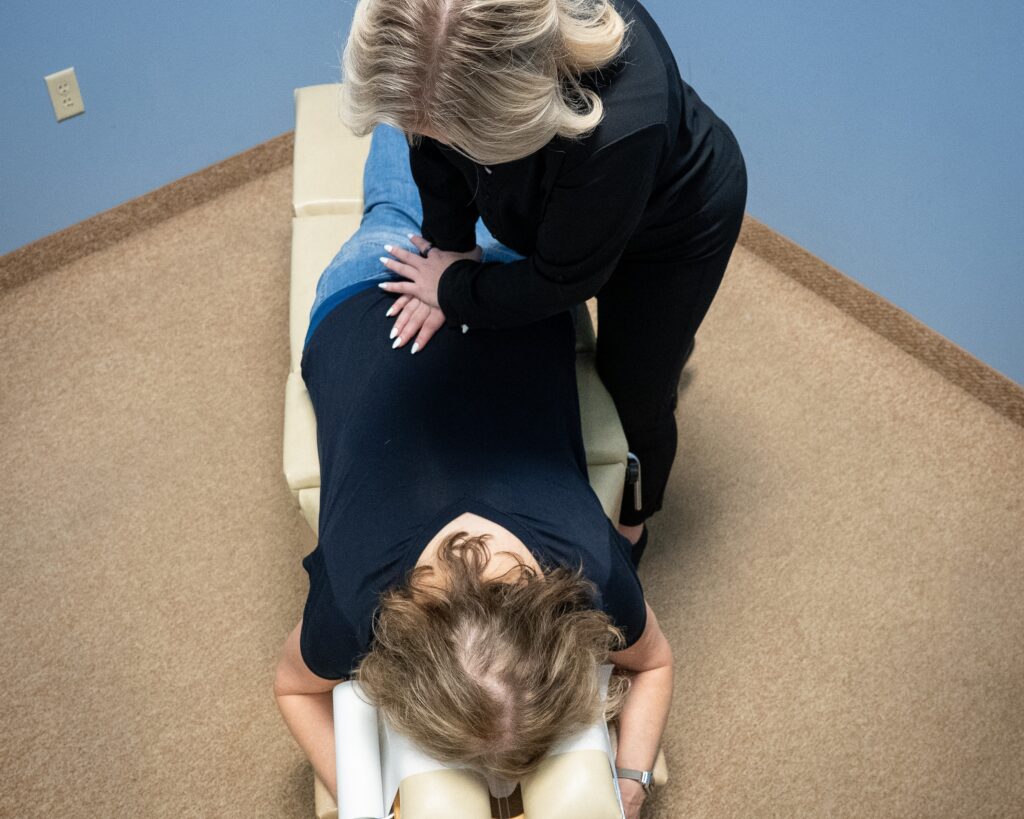
Chiropractic care is a powerful tool in addressing lower back pain. Regular adjustments can help restore proper alignment, improve mobility, and alleviate discomfort. By focusing on the root cause of your pain rather than just masking the symptoms, chiropractic care promotes long-term wellness and healing.
Let’s work together to uncover the strategies that can help you feel better and move with ease. Embrace the journey toward optimal health through chiropractic care and enjoy a more active, pain-free life.
Key Takeaways
Unlocking Relief: Techniques for Lower Back Pain
As a local chiropractor, I am passionate about helping you achieve optimal health and wellness through natural methods. If you’re experiencing lower back pain, there are several effective techniques you can incorporate into your routine to find relief and enhance your overall well-being.
- Stretching Techniques: Simple stretches like child’s pose and cat-cow can offer immediate relief from lower back tension and improve the mobility of your spine. These gentle movements help to release tight muscles and promote flexibility.
- Strengthening Exercises: Engaging in strengthening exercises, such as planks and bridges, is crucial for supporting your back health. These exercises target your core muscles, which play a vital role in stabilizing your spine and preventing future pain.
- Mindfulness and Deep Breathing: Practicing mindfulness and deep breathing techniques can significantly reduce muscle tightness and promote relaxation. By incorporating these practices into your daily routine, you can create a peaceful environment for your spine to thrive.
- Ergonomic Adjustments: Making simple ergonomic adjustments to your workspace can help minimize strain on your back. Ensure your chair is at the right height, and position your computer screen at eye level to maintain proper posture throughout the day.
- Regular Chiropractic Care: One of the best ways to address underlying issues, improve spinal alignment, and achieve long-term relief from back pain is through regular chiropractic care. A chiropractor can provide personalized treatment plans that focus on restoring your body’s natural balance and function.
By implementing these techniques and seeking chiropractic care, you can take significant steps toward relieving your lower back pain and enhancing your overall health. Remember, natural healing is a journey, and I’m here to support you every step of the way!
Stretching Techniques for Immediate Relief
When you’re experiencing lower back pain, stretching can be a beneficial method for finding quick relief. As a chiropractor, I encourage incorporating gentle stretches into your daily routine to alleviate tension and enhance your flexibility.
One effective stretch to start with is the child’s pose. Simply kneel on the floor, sit back on your heels, and extend your arms forward. This position helps to elongate your spine and soothe tight muscles, promoting a sense of relaxation.
Another helpful stretch is the cat-cow stretch. Begin on all fours and alternate between arching your back upward, like a cat, and lowering it while lifting your head, like a cow. This dynamic movement encourages spinal mobility and can significantly reduce stiffness in your back.
You might also find relief with the knee-to-chest stretch. Lie on your back and gently pull one knee toward your chest while keeping the other leg straight. Hold this position for about 20-30 seconds before switching to the other side. This stretch can help release tension in your lower back and improve flexibility.
These simple stretches can provide immediate relief and help you regain comfort in your lower back. Remember to breathe deeply and pay attention to how your body feels during each stretch. Listening to your body is key to understanding its needs.
While these stretches can be incredibly helpful, it’s important to remember that chiropractic care offers a holistic approach to addressing the underlying causes of back pain.
Regular chiropractic adjustments can help ensure that your spine is aligned correctly, which can lead to long-term relief and improved overall health. If you’ve been struggling with persistent discomfort, consider visiting your local chiropractor for a personalized treatment plan tailored to your needs.
Your journey to optimal health starts with taking care of your spine!
Strengthening Exercises to Support Your Back
To effectively support your lower back and prevent future pain, incorporating strengthening exercises into your routine is crucial. Focusing on your core is essential, as it serves as the foundation for a strong and healthy back. As a chiropractor, I recommend beginning with planks. These exercises engage multiple muscle groups and enhance stability, which is vital for a resilient spine. Aim for 3 sets of 20-30 seconds, and gradually increase your time as you build strength.
Next, consider adding bridges to your routine. To do this, lie on your back with your knees bent and lift your hips toward the ceiling while squeezing your glutes. Hold for a few seconds and repeat for 10-15 reps. This exercise not only strengthens your back but also targets the glutes, which play an important role in back health.
Don’t overlook the benefits of bird-dogs! Start on all fours, extending one arm forward while simultaneously extending the opposite leg back. This exercise helps improve balance and coordination, both of which are key in maintaining a healthy spine.
Lastly, incorporate pelvic tilts into your routine. Lie on your back and gently arch and flatten your lower back. Perform 10-15 reps of this simple yet effective movement.
By committing to these exercises, you’ll build resilience in your lower back and significantly reduce the likelihood of pain.
Remember, while these exercises can be beneficial, regular chiropractic care is the best way to ensure your spine is functioning optimally. Chiropractors can provide personalized guidance and adjustments that enhance your overall health and wellness, making it easier to enjoy a pain-free life.
Stay proactive about your spinal health, and consider scheduling regular visits to your chiropractor to support your journey toward natural healing and healthier living.
Mindfulness and Relaxation Practices
Incorporating mindfulness and relaxation practices into your daily routine can significantly support your journey towards alleviating lower back pain and enhancing your overall well-being. These techniques not only help you reconnect with your body but also play a crucial role in reducing tension—a key factor in back pain. As a chiropractor, I encourage you to start with deep breathing exercises. This simple practice can calm your mind and ease muscle tightness, setting the stage for better spinal health.
In addition to deep breathing, exploring practices like yoga or meditation can also be beneficial. These activities promote flexibility, strengthen the core, and enhance relaxation—all of which are vital for maintaining a healthy spine. Here’s a handy table to help you visualize these techniques and their benefits:
| Technique | Benefits |
|---|---|
| Deep Breathing | Reduces stress, lowers heart rate |
| Yoga | Increases flexibility, strengthens core |
| Meditation | Enhances focus, promotes relaxation |
Ergonomic Adjustments for Daily Comfort
As a chiropractor, I want to emphasize how vital your workspace setup is for maintaining lower back health and overall wellness. You may not realize it, but small adjustments can lead to significant improvements in your daily comfort and help you avoid pain.
Start by ensuring your chair is properly adjusted. Your feet should rest flat on the floor, and your knees should be at the same level as your hips. A chair with good lumbar support is essential to help maintain the natural curve of your spine, which is crucial for preventing discomfort.
When working at a desk, it’s important to keep your computer screen at eye level. This simple adjustment can prevent neck strain and reduce the risk of back pain. If you find yourself sitting for long periods, consider incorporating a standing desk or remember to take regular breaks to stretch and walk around. Movement is key to maintaining spinal health!
Organizing your workspace can also make a big difference. Keep essential items within easy reach to avoid awkward stretching or twisting that could strain your back. When you need to lift something, always bend your knees and keep your back straight. This technique helps protect your spine and minimizes the risk of injury.
Lastly, don’t overlook the importance of a supportive mattress and comfortable pillows for a good night’s sleep. Quality rest is foundational for healing and maintaining a healthy spine.
These ergonomic adjustments are simple yet effective ways to enhance your comfort and well-being. Remember, chiropractic care is an excellent option for pain relief and promoting overall health. Regular adjustments can help keep your spine aligned and functioning at its best, allowing you to enjoy a pain-free, active lifestyle.
If you’re experiencing discomfort, don’t hesitate to reach out to your local chiropractor for personalized care and guidance.
Alternative Therapies for Long-term Solutions
When searching for long-term relief from lower back pain, chiropractic care stands out as one of the most effective and natural solutions available. Chiropractic adjustments focus on spinal alignment, which can significantly improve mobility and reduce discomfort. By addressing the root causes of pain, chiropractic care not only alleviates current issues but also helps prevent future pain from arising.
In addition to chiropractic adjustments, incorporating practices like yoga can be beneficial. Yoga enhances flexibility and strengthens your core muscles, which are essential for supporting your spine and reducing the risk of injury.
Consider integrating mindfulness techniques, such as meditation, into your routine. Managing stress is crucial, as it can often contribute to muscle tension and exacerbate pain.
You might also explore natural anti-inflammatory options like herbal remedies, such as turmeric or ginger. These can complement your chiropractic care by helping to reduce inflammation in the body.
Another fantastic addition to your wellness routine is massage therapy, which targets muscle tension and promotes blood circulation, aiding in overall recovery.
Before starting any new therapy, it’s always a good idea to consult with a qualified chiropractor. They can provide you with personalized guidance tailored to your specific needs and help you develop a holistic plan for managing your lower back pain.
By choosing chiropractic care, you’re taking a proactive step towards achieving optimal health and maintaining a pain-free lifestyle.
Conclusion
Incorporating chiropractic care into your daily routine can significantly alleviate lower back pain. Regular visits to your chiropractor can help identify and address the root causes of your discomfort. Alongside professional adjustments, practicing stretching and strengthening exercises at home can enhance your progress. Mindfulness techniques, like deep breathing and meditation, can also aid in reducing stress that contributes to pain.
It’s essential to make ergonomic adjustments in your workspace and home to support spinal health—this can include using supportive chairs and maintaining proper posture. Don’t overlook the benefits of alternative therapies, such as massage or acupuncture, which can complement your chiropractic care.
Remember, taking proactive steps toward your well-being through natural healing methods can lead to a more comfortable, pain-free life. Start today with a consultation, and together we can work toward achieving optimal health for a healthier back and a happier you!