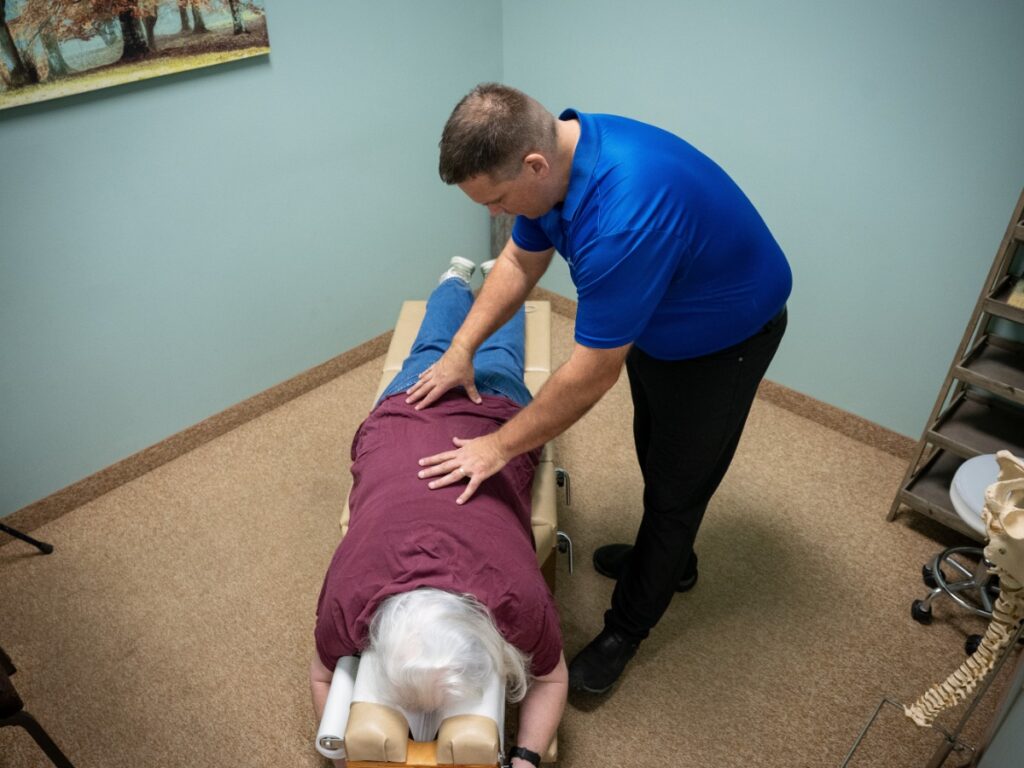

Have you ever felt how your physical health can impact your mood? It’s not just a coincidence. The alignment of your spine is crucial for your overall emotional well-being. When your spine is in good shape, it enhances nerve function and reduces discomfort, which can significantly improve how you feel each day.
Chiropractic care focuses on maintaining proper spinal alignment, which not only helps alleviate pain but also promotes a healthier emotional state. When your body is free from tension and discomfort, it allows you to be more active and engaged in life, leading to a more positive outlook.
Here are some tips to consider for improving your emotional health through spinal care:
- Regular Chiropractic Visits: Make it a habit to visit your chiropractor. Regular adjustments can help keep your spine aligned and your body functioning optimally.
- Stay Active: Engage in light exercises, such as walking or stretching, to keep your spine flexible and support overall health.
- Practice Good Posture: Be mindful of your posture when sitting, standing, or lifting. Good posture can help prevent spinal misalignments and improve your mood.
- Stay Hydrated: Drinking plenty of water supports spinal health by keeping the discs in your spine hydrated and functioning properly.
- Manage Stress: Incorporate relaxation techniques like deep breathing or mindfulness, which can help alleviate tension in your spine and improve your emotional state.
By prioritizing your spinal care through chiropractic adjustments and healthy lifestyle choices, you can experience both physical relief and emotional uplift. If you’re looking for a natural, effective way to enhance your well-being, consider chiropractic care as your go-to solution for pain relief and overall health.
Key Takeaways
Why Does Spinal Care Improve Emotional Well-Being?
- Chiropractic care plays a vital role in enhancing spinal alignment, which is key for optimal nerve function. This is essential for managing stress effectively and maintaining emotional balance in our daily lives.
- When your spine is properly aligned, it reduces nerve interference. This can lead to a decrease in feelings of anxiety and irritability, helping to lift your overall mood.
- One of the great benefits of chiropractic adjustments is that they can stimulate the release of endorphins—often referred to as the body’s natural “feel-good” hormones. These endorphins can enhance your sense of well-being and build emotional resilience to face life’s challenges.
- By alleviating physical discomfort through regular spinal care, individuals often find it easier to cope with emotional stressors. When your body feels good, it’s much easier to maintain a positive mindset.
- Making routine chiropractic visits a part of your health regimen not only helps with pain relief but also fosters a sense of control over your health, which contributes significantly to improved mental well-being and emotional stability.
Tips for Better Emotional Health:
- Stay Active: Incorporate gentle exercises like walking or stretching to keep your body and mind in sync.
- Practice Relaxation Techniques: Simple practices such as deep breathing or meditation can enhance your emotional health.
- Prioritize Sleep: Good sleep is crucial for both physical and mental well-being. Aim for a consistent sleep schedule.
- Stay Hydrated and Eat Well: Nutrition and hydration play a big role in how we feel emotionally. Opt for a balanced diet rich in whole foods.
- Connect with Others: Building strong relationships can provide support and enhance your emotional resilience.
By embracing chiropractic care and these simple tips, you can take significant steps toward achieving optimal health and emotional well-being naturally.
The Mind-Body Connection: Understanding the Link Between Spinal Health and Emotional Well-Being
When considering your overall health, it’s important to recognize the significant connection between your spine and your emotions. Your spine isn’t just a structural component of your body; it houses the nervous system, which plays a crucial role in how you feel both physically and emotionally.
When your spine is misaligned or under stress, it can lead to physical tension that may result in emotional strain. You might find that when you experience back pain, your mood can take a hit, leading to feelings of frustration or sadness.
Caring for your spine through chiropractic adjustments can greatly enhance your emotional well-being. When your spine is aligned, your body operates more efficiently, enabling you to navigate daily stressors with greater ease. A healthy spine not only supports your physical health but also nurtures a more positive emotional state.
To prioritize your spinal care and promote overall wellness, consider the following tips:
- Regular Chiropractic Visits: Make chiropractic care a part of your routine. Regular adjustments can help maintain spinal alignment and prevent discomfort before it starts.
- Posture Awareness: Pay attention to your posture throughout the day, especially if you spend long hours sitting. Good posture can alleviate strain on your spine.
- Physical Activity: Engage in gentle exercises such as yoga or stretching, which can improve flexibility and spinal health.
- Stay Hydrated: Drink plenty of water to keep your discs hydrated and your body functioning optimally.
- Mindfulness Practices: Incorporate mindfulness or relaxation techniques to reduce stress, as emotional well-being is closely tied to physical health.
By understanding and nurturing the mind-body connection, you can take proactive steps to ensure your spine remains healthy, ultimately leading to improved feelings of happiness and balance in your daily life.
How Spinal Alignment Affects Mood and Stress Levels
Spinal alignment is crucial for your overall mood and stress management. When your spine is properly aligned, it allows your nerves to function optimally, which can significantly influence how your body handles stress. If the spine is misaligned, it can create nerve interference, leading to increased feelings of anxiety and irritability.
By maintaining good spinal health, you can also enhance blood flow and oxygen delivery throughout your body, which boosts your energy levels. When you’re feeling energized, you’re better equipped to tackle stress and maintain a positive outlook on life.
Additionally, proper spinal alignment can help alleviate physical discomfort. Often, pain can contribute to emotional strain, making it essential to care for your spine. By prioritizing chiropractic care, you not only support your physical wellbeing but also nurture a more balanced emotional state.
Here are some simple tips for maintaining spinal health and overall wellness:
- Stay Active: Regular exercise can help keep your spine flexible and strong. Activities like walking, swimming, or yoga are great for your spine and overall mood.
- Mind Your Posture: Pay attention to how you sit, stand, and sleep. Good posture can prevent misalignments and reduce strain on your spine.
- Stretch Regularly: Incorporate stretching into your daily routine to keep your muscles relaxed and your spine aligned.
- Hydrate: Drinking plenty of water supports spinal health by keeping the discs in your spine well-hydrated.
- Visit Your Chiropractor: Regular chiropractic adjustments can help maintain spinal alignment, relieve discomfort, and support your emotional wellbeing.
The Role of Chiropractic Care in Enhancing Emotional Resilience
Chiropractic care isn’t just about making physical adjustments; it also plays a crucial role in boosting your emotional resilience. When you receive chiropractic treatment, you’re not only alleviating pain but also restoring balance within your body, which can lead to a brighter mood and less anxiety.
These adjustments promote the release of endorphins—your body’s natural mood enhancers—helping you feel better overall. By correcting spinal misalignments, chiropractic care optimizes your nervous system, making it easier for you to manage stress.
When you experience less discomfort and improved physical health, you’re in a stronger position to tackle emotional challenges. Additionally, regular chiropractic visits can create a sense of routine and control in your life, further enhancing your mental well-being.
To maximize the benefits of your chiropractic care, consider incorporating some simple tips into your daily routine:
- Stay Active: Engage in gentle exercises like walking or stretching to support your spinal health.
- Practice Good Posture: Be mindful of your posture when sitting or standing to reduce strain on your spine.
- Manage Stress: Try relaxation techniques such as deep breathing or meditation to help keep stress levels in check.
- Stay Hydrated: Drinking plenty of water can help maintain the health of your joints and tissues.
In summary, chiropractic care offers a holistic approach to health that nurtures both your body and mind, empowering you to face life’s challenges with greater emotional strength.
Embrace chiropractic care as a pathway to achieving optimal health and a happier, more resilient you.
Physical Therapy: A Pathway to Improved Mental Health
While many people think of chiropractic care mainly for pain relief, it also plays a significant role in enhancing mental health. Engaging in chiropractic sessions can elevate your mood, reduce anxiety, and improve your overall emotional well-being. The personalized care and holistic approach that chiropractic offers create a sense of accomplishment and empowerment, which can greatly uplift your spirits.
Here’s a quick overview of how chiropractic care positively impacts mental health:
| Benefits of Chiropractic Care | Emotional Impact |
|---|---|
| Pain Relief | Increases happiness |
| Improved Mobility | Reduces feelings of isolation |
| Enhanced Strength and Stability | Boosts self-confidence |
Chiropractors focus on aligning the spine and ensuring that the nervous system functions optimally. This not only helps in alleviating pain but also positively influences your mental state. Regular chiropractic adjustments can lead to increased serotonin levels, the “feel-good” hormone, helping you to feel better both physically and emotionally.
Here are some general tips to maximize your mental wellness through chiropractic care:
- Stay Consistent: Regular visits to your chiropractor can help maintain spinal health and contribute to ongoing mental well-being.
- Incorporate Movement: Simple exercises and stretches recommended by your chiropractor can enhance mobility and reduce stress.
- Practice Mindfulness: Combining chiropractic care with mindfulness techniques, such as meditation or deep breathing, can further enhance your emotional health.
- Stay Hydrated: Adequate hydration supports overall health and can improve your mood.
- Prioritize Sleep: Good spinal alignment can lead to better sleep quality, which is crucial for mental health.
Practical Tips for Prioritizing Spinal Care for Emotional Balance
To maintain emotional balance, it’s crucial to prioritize your spinal care, as a healthy spine plays a significant role in your overall mental well-being. As a chiropractor, I encourage you to start with daily stretches to keep your spine flexible and alleviate tension. Simple movements can work wonders in enhancing your mood and relieving stress.
Focus on your posture throughout the day, whether you’re working at a desk or standing. Good posture not only supports your spinal health but also boosts your confidence and energy levels. Remember, a well-aligned spine can lead to a more positive outlook on life.
Regular visits to a chiropractor can be incredibly beneficial in addressing any spinal concerns before they become bigger issues. Chiropractic adjustments help restore proper alignment, reduce pain, and enhance your body’s natural healing abilities. This proactive approach is essential for maintaining both physical and emotional health.
Incorporate low-impact exercises like yoga or swimming into your routine. These activities not only strengthen your back but also promote relaxation and reduce stress. Additionally, pay attention to your sleep position; a supportive mattress and pillow can significantly improve spinal alignment during rest, leading to better overall health.
Lastly, don’t underestimate the power of stress management techniques. Practices like meditation and deep breathing can relieve tension in your spine and enhance your emotional well-being.
Conclusion
Incorporating spinal care into your daily routine can significantly boost your emotional well-being. When you prioritize spinal alignment, you’re not only enhancing your physical health but also creating a pathway for a more positive mood and reduced stress levels. Chiropractic adjustments play a key role in this process by helping to align your spine, which can alleviate tension and promote overall relaxation.
By regularly visiting a chiropractor, you can experience a sense of balance and resilience that empowers you to face life’s emotional challenges with greater ease. Here are some tips to help you take care of your spine and, in turn, improve your emotional health:
- Stay Active: Regular physical activity, such as walking, stretching, or yoga, can help keep your spine healthy and improve your mood. Aim for at least 30 minutes of movement each day.
- Practice Good Posture: Being mindful of your posture while sitting, standing, and lifting can prevent strain on your spine. Remember to keep your shoulders back and your head aligned with your spine.
- Stay Hydrated: Drinking plenty of water helps maintain the health of your spinal discs and overall body function. Aim for at least 8 glasses of water a day.
- Get Enough Sleep: A good night’s sleep is crucial for your spinal health and emotional well-being. Try to establish a consistent sleep schedule and create a comfortable sleep environment.
- Schedule Regular Chiropractic Visits: Routine chiropractic care can help keep your spine in alignment and your body functioning optimally. Regular adjustments can help reduce stress and improve your overall mood.
By taking these steps and prioritizing spinal care, you can enjoy the uplifting benefits it brings to both your body and mind. Remember, chiropractic care is a natural and effective way to achieve optimal health, so consider making it a vital part of your wellness journey.