
If you’re dealing with lower back pain, you’re not alone—it’s a common issue that can disrupt daily life. The good news is that gentle relief is achievable through simple strategies that you can easily incorporate into your daily routine. As a chiropractor, I want to emphasize the importance of understanding the underlying factors contributing to your pain. This knowledge will empower you to address these issues effectively and lead you towards a path of natural healing.
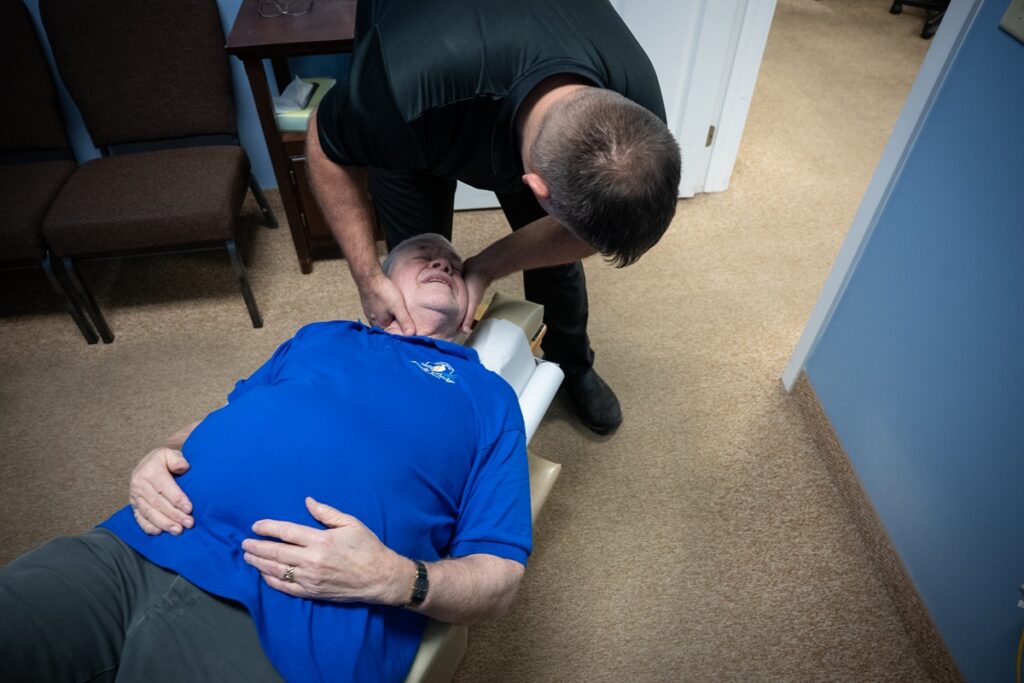
Chiropractic care stands out as one of the best choices for pain relief and overall wellness. It focuses on aligning the spine and optimizing nervous system function, which can significantly alleviate discomfort. Regular chiropractic adjustments can help restore balance and flexibility, allowing your body to heal itself naturally.
In addition to chiropractic treatments, here are some general tips to help manage lower back pain:
- Mindful Stretching: Gentle stretches can relieve tension in the back muscles. Incorporate stretches that focus on the lower back, hamstrings, and hips. A simple cat-cow stretch or child’s pose can work wonders.
- Ergonomic Workspace: Ensure your workspace is set up to support your spine. Use a chair with good lumbar support, keep your feet flat on the ground, and position your computer screen at eye level to reduce strain.
- Stay Active: Engage in low-impact activities like walking, swimming, or yoga. Movement helps maintain strength and flexibility in your back, which is crucial for preventing pain.
- Posture Awareness: Be mindful of your posture throughout the day. Whether sitting, standing, or lifting objects, maintaining proper posture can significantly reduce strain on your back.
- Heat and Ice Therapy: Applying heat or ice packs can help soothe inflamed muscles. Use ice for acute pain and heat to relax tight muscles.
- Hydration and Nutrition: Proper hydration and a balanced diet contribute to overall health and can support spinal health. Foods rich in anti-inflammatory properties can help reduce discomfort.
Remember, you don’t have to navigate lower back pain alone. Chiropractic care can provide you with personalized strategies tailored to your specific needs. By focusing on natural healing and wellness, you can take significant steps toward achieving optimal health and living pain-free. If you’re ready to explore how chiropractic care can help you, don’t hesitate to reach out for a consultation. Together, we can work towards a healthier, more comfortable you!
Key Takeaways
Gentle Relief for Lower Back Pain Solutions
As a local chiropractor, I want to share some effective ways to take care of your lower back and promote overall wellness. Here are some simple tips to help you find relief and enhance your spinal health naturally:
- Mindful Stretching: Incorporate gentle stretches into your daily routine, such as the Cat-Cow and Supine Twist. These movements can help improve flexibility and reduce muscle tension in your lower back, making you feel more relaxed and comfortable.
- Proper Ergonomics: Ensure your workspace is set up to support your spine. Adjust your chair height and monitor position so that they promote good posture. When your body is aligned, it reduces strain and helps prevent discomfort.
- Strengthening Exercises: Engage in exercises that build your core strength, like bridges and planks. A strong core supports your spine and improves your posture, which can significantly lessen the pressure on your back.
- Regular Breaks: Don’t forget to take breaks every 30-60 minutes! Stand up, stretch, and move around. This practice not only promotes better circulation but also relieves tension in your lower back, keeping you feeling your best throughout the day.
- Chiropractic Care: For personalized guidance on maintaining your spinal health, consider consulting with a chiropractor. We specialize in gentle, natural approaches to relieve lower back pain and help you achieve optimal wellness. Chiropractic care is a fantastic way to enhance your overall health without relying on medications or surgeries.
By implementing these straightforward strategies, you can support your lower back and enjoy a healthier, more active lifestyle. Remember, your spine is the foundation of your wellbeing, and taking care of it is key to living your best life.
Understanding Lower Back Pain
Lower back pain is a common issue that many people encounter at some point in their lives. This discomfort can arise from various factors, including poor posture, muscle strain, or even emotional stress. Understanding the specific causes of your pain is crucial in finding effective relief and improving your overall well-being.
Often, lower back pain is linked to a sedentary lifestyle, where prolonged sitting without adequate support puts strain on your spine. It can also occur from lifting heavy objects improperly. By identifying activities or habits contributing to your discomfort, you can make necessary adjustments that may alleviate your pain.
Chiropractic care offers a natural and holistic approach to addressing lower back pain. Chiropractors are trained to assess your spine and overall musculoskeletal health, providing tailored adjustments that help restore proper alignment. This can lead to significant pain relief and improved function, allowing you to engage in daily activities with greater ease.
Moreover, your emotional state plays a role in how you perceive pain. Stress and anxiety can heighten your sensitivity to discomfort. Incorporating stress-reducing techniques, such as deep breathing exercises or gentle stretching, can enhance your overall wellness and help mitigate pain.
Here are some general tips to consider for managing lower back pain:
- Maintain Good Posture: Pay attention to how you sit and stand. Keeping your spine aligned can reduce strain.
- Stay Active: Engage in regular physical activity, such as walking or swimming, to strengthen your back muscles and improve flexibility.
- Practice Safe Lifting: When lifting heavy objects, remember to bend at the knees and keep the load close to your body.
- Incorporate Stretching: Gentle stretches can relieve tension in your back and promote better mobility.
- Consider Chiropractic Care: Regular visits to a chiropractor can help maintain spinal health and prevent future pain.
The Benefits of Mindful Stretching
Mindful stretching is an excellent way to enhance your flexibility and mobility, making everyday movements feel much easier. By incorporating mindful stretching into your routine, you not only improve your physical well-being but also support the health of your spine.
Focusing on your breath and body during these stretches helps reduce muscle tension, promoting relaxation and easing discomfort that can arise from daily activities. This practice strengthens the connection between your mind and body, allowing you to become more attuned to your body’s needs.
As a chiropractor, I often see how mindful stretching can complement chiropractic care by helping to maintain proper alignment and reduce the risk of injury.
Here are some simple tips for incorporating mindful stretching into your daily routine:
- Breathe Deeply: As you stretch, take deep, slow breaths. This helps to oxygenate your muscles and promotes relaxation.
- Listen to Your Body: Pay attention to how your body feels during each stretch. If something doesn’t feel right, ease back. It’s important to honor your body’s limits.
- Create a Routine: Set aside a few minutes each day for mindful stretching. Consistency is key to seeing improvements in flexibility and overall health.
- Focus on Key Areas: Target areas that often hold tension, such as your neck, shoulders, and lower back. Gentle stretches in these areas can greatly alleviate discomfort.
- Combine with Chiropractic Care: Regular chiropractic adjustments work hand-in-hand with mindful stretching. They help keep your spine aligned, which enhances the benefits of your stretching routine.
By integrating mindful stretching into your lifestyle and pairing it with chiropractic care, you can achieve optimal health and well-being naturally.
Enhancing Flexibility and Mobility
When you incorporate mindful stretching into your daily routine, you can significantly boost your flexibility and mobility, which is essential for alleviating lower back pain. Mindful stretching focuses on your breath and movements, allowing you to truly connect with your body. This practice enhances your awareness of tight areas, helping you gently release tension and improve your overall well-being.
As a chiropractor, I want to emphasize that mindful stretching is a fantastic way to complement your chiropractic care. While adjustments can help align your spine and relieve pain, integrating these stretches can further support your journey towards optimal health. Here are some effective stretching techniques that can be easily incorporated into your routine:
| Stretching Technique | Benefits |
|---|---|
| Cat-Cow Stretch | Improves spinal flexibility and encourages healthy movement patterns |
| Child’s Pose | Relieves lower back tension, promoting relaxation and stress relief |
| Seated Forward Bend | Stretches hamstrings and lower back, enhancing overall flexibility |
| Figure Four Stretch | Opens hips and glutes, which is crucial for maintaining proper posture |
| Supine Twist | Enhances spinal mobility, helping to improve circulation and relieve tightness |
Reducing Muscle Tension
While many people overlook the connection between muscle tension and lower back pain, addressing this tension can lead to remarkable relief. As a chiropractor, I’ve seen firsthand how mindful stretching can help reduce this tension, allowing your muscles to relax and your body to move more freely.
By incorporating simple stretches into your daily routine, you can alleviate discomfort and enhance your overall well-being.
Here are a few key benefits of stretching that I encourage you to consider:
- Improved Blood Circulation: Stretching enhances blood flow, which can speed up the recovery of strained muscle tissues and promote healing. This is essential for maintaining a healthy spine and reducing discomfort.
- Better Posture: Regular stretching helps improve your posture by loosening tight muscles that may be pulling your spine out of alignment. Good posture is important for reducing strain on your lower back and preventing further pain.
- Increased Body Awareness: Through consistent stretching, you can become more attuned to your body and its signals. This awareness helps you identify tension before it escalates into more significant pain or discomfort.
Remember, chiropractic care is an excellent way to address not just muscle tension, but the underlying issues affecting your spinal health.
Regular adjustments can complement your stretching routine, helping your body function optimally. If you’re looking for a natural approach to wellness and pain relief, consider incorporating chiropractic care into your health regimen.
Together, we can work towards a pain-free, healthier life!
Promoting Mind-Body Connection
Building on the benefits of reducing muscle tension, incorporating mindful stretching into your daily routine can significantly enhance your mind-body connection. As a chiropractor, I often emphasize the importance of understanding your body and its movements. When you focus on your breath and the sensations in your muscles while stretching, you not only relieve pain but also cultivate a deeper awareness of your body. This synergy fosters relaxation and boosts your emotional well-being, making it a fantastic complement to chiropractic care.
Here’s a simple guide to some effective stretches that can help you connect with your body and promote a healthier spine:
| Stretch Type | Benefits | Duration |
|---|---|---|
| Cat-Cow Stretch | Improves spinal flexibility | 30 seconds |
| Child’s Pose | Releases lower back tension | 1 minute |
| Seated Forward Bend | Calms the mind | 1 minute |
| Supine Twist | Enhances spinal mobility | 30 seconds |
| Standing Forward Bend | Energizes the body | 1 minute |
Incorporating these stretches into your routine not only helps ease discomfort but also empowers you to develop a stronger connection with your body. Remember, chiropractic care focuses on aligning your spine and supporting your overall health naturally. By embracing mindful stretching along with regular chiropractic adjustments, you can achieve holistic relief and maintain optimal health.
Yoga Poses for Relief
If you’re dealing with lower back pain, incorporating chiropractic care into your wellness routine can significantly enhance your recovery and overall health. Chiropractic care focuses on aligning the spine and improving nerve function, which can lead to natural healing and pain relief.
While yoga poses can be a helpful complement to your chiropractic treatment, it’s essential to prioritize adjustments from a qualified chiropractor for optimal results. Here are three gentle yoga poses that may assist you in your journey toward relief:
- Child’s Pose: This gentle stretch not only relaxes the back but also eases tension in the hips and thighs. It can be a soothing addition to your post-adjustment routine.
- Cat-Cow Stretch: This simple movement promotes spinal flexibility, helping to alleviate stiffness and improve your posture. It’s a great way to keep your spine mobile between chiropractic visits.
- Downward-Facing Dog: This pose helps lengthen the spine and strengthen the back muscles, providing a full-body stretch that can support the adjustments made by your chiropractor.
Remember, consistency is key. Practice these poses regularly and listen to your body—never push into pain.
It’s important to consult with your chiropractor about incorporating these exercises into your routine. With a combination of chiropractic care and mindful movement, you can work towards lasting relief from lower back pain and enjoy a healthier, more active lifestyle.
Heat Therapy Techniques
Heat therapy is a simple yet effective method for alleviating lower back pain and promoting healing. When you apply heat, it enhances blood flow to the affected area, which helps to relax tense muscles and reduce stiffness. This is particularly beneficial when combined with chiropractic care, as it can complement adjustments and other treatments aimed at optimizing your spinal health.
You can choose from various methods to apply heat, such as heating pads, hot water bottles, or warm towels. Just ensure that the heat is at a comfortable level to prevent burns. For a more soothing experience, consider soaking in a warm bath with Epsom salts. This not only warms your back but also creates a relaxing environment that supports your overall well-being.
If you’re looking for a more targeted approach, try using a microwavable heat pack. These packs mold to your body’s shape, providing better coverage and relief. Remember to apply heat for about 15-20 minutes at a time and take breaks in between sessions.
Incorporating regular heat therapy into your routine can be a comforting addition to your self-care practices, helping you manage pain and feel more at ease.
However, it’s important to remember that for long-term relief and optimal health, regular visits to your chiropractor can help address the underlying issues contributing to your discomfort. Chiropractic care not only focuses on pain relief but also promotes natural healing and healthier living, ensuring you get back to enjoying life without limitations.
The Role of Ergonomics
When it comes to preventing lower back pain, the design of your workspace plays a crucial role in your overall health and wellness. As a chiropractor, I see firsthand how proper sitting posture can significantly impact your spinal health.
By making simple adjustments to your environment and considering ergonomic furniture options, you can create a supportive setting that promotes a healthy back.
Here are some practical tips to improve your workspace ergonomics:
- Chair Height: Ensure your chair is at the right height so that your feet are flat on the floor, and your knees are at a 90-degree angle. This helps to reduce strain on your lower back.
- Lumbar Support: Use a chair that provides good lumbar support or invest in a lumbar roll. This will help maintain the natural curve of your spine while sitting.
- Screen Position: Position your computer screen at eye level to avoid leaning forward or straining your neck. Your monitor should be about an arm’s length away.
- Keyboard and Mouse Placement: Keep your keyboard and mouse close to you to minimize reaching. Your elbows should be at your sides, and your wrists should remain straight while typing.
- Take Breaks: Regular breaks are essential. Stand up, stretch, and move around every 30 to 60 minutes to relieve pressure on your spine.
Remember, chiropractic care is a fantastic way to address any discomfort you might experience while working. A chiropractor can help align your spine and alleviate pain, ensuring that you maintain optimal health and wellness.
Workspace Design Considerations
As a local chiropractor, I want to emphasize how crucial workspace design is for your overall health, especially when it comes to preventing and alleviating lower back pain.
An ergonomic workspace can make a significant difference in how you feel throughout your day. Here are some simple and effective tips to create a healthier work environment that supports your spine:
- Desk Height: Ensure your desk is at elbow height when you’re seated. This helps keep your shoulders relaxed and can prevent unnecessary strain on your back.
- Chair Selection: Opt for a chair that provides good lumbar support. A chair that supports the natural curve of your spine can help reduce discomfort and enhance your posture, which is vital for your overall health.
- Screen Positioning: Position your monitor at eye level. This adjustment can prevent neck strain and promote better spinal alignment, which is essential for maintaining a pain-free lifestyle.
Remember, taking small steps to improve your workspace can lead to significant benefits for your spine and overall well-being.
If you’re experiencing pain or discomfort, consider visiting a chiropractor for natural healing techniques that can provide relief and support your journey toward optimal health. Your spine deserves the best care!
Proper Sitting Posture
Creating an ergonomic workspace is just the first step toward preventing lower back pain; maintaining proper sitting posture is equally important. When you sit, keep your feet flat on the ground or on a footrest, ensuring your knees are level with or slightly lower than your hips. Your back should be straight, with your shoulders relaxed and aligned over your hips. Opt for a chair that offers good support for your lower back, and consider using a cushion to enhance comfort if needed.
To protect your spine and enhance your overall well-being, position your computer screen at eye level to avoid straining your neck. Remember, even with good posture, it’s essential to take breaks every hour to stand, stretch, and move around. These simple actions can help alleviate tension and encourage better blood flow, which is vital for your overall health.
By focusing on maintaining proper posture, you not only reduce strain on your back but also boost your comfort and productivity throughout the day. If you’re experiencing persistent discomfort, consider visiting a chiropractor. Chiropractic care focuses on aligning your spine and promoting natural healing, which can be highly effective for achieving optimal health and wellness.
Taking these proactive steps can lead to a healthier lifestyle and a happier, pain-free life!
Adjustable Furniture Options
Investing in adjustable furniture can significantly improve your workspace ergonomics, helping you maintain proper posture and comfort throughout the day. When your environment is tailored to your body’s needs, you can reduce strain and enhance your overall well-being.
Here are some adjustable options to consider for a healthier workspace:
- Height-Adjustable Desks: Transitioning between sitting and standing can keep your spine aligned and promote better circulation. This flexibility allows you to listen to your body and change positions throughout the day.
- Ergonomic Chairs: A chair that allows you to adjust the seat height and lumbar support can fit your body’s natural curves. Proper support for your lower back is crucial in preventing discomfort and promoting spinal health.
- Monitor Stands: Elevating your screen to eye level reduces neck strain, which is essential for avoiding tension headaches and maintaining good posture.
Incorporating these adjustable features into your workspace not only encourages better posture but also promotes movement, which can help alleviate lower back pain.
Remember, chiropractic care is an excellent way to address any discomfort and optimize your spinal health.
Here are some additional tips to enhance your wellness:
- Take Regular Breaks: Stand up, stretch, and move around every hour. This simple practice can relieve tension and keep your body functioning well.
- Practice Good Posture: Keep your feet flat on the ground, shoulders relaxed, and back straight. Being mindful of your posture can prevent many common aches and pains.
- Stay Hydrated: Drinking plenty of water throughout the day can help maintain your energy levels and support overall health.
Taking the time to create a supportive environment and incorporating these habits into your routine can lead to significant improvements in how you feel. Your body will thank you for it!
Strengthening Exercises for Support
To effectively alleviate lower back pain, incorporating strengthening exercises into your routine can make a significant difference in your overall wellness. Building the muscles that support your spine—like your core, glutes, and legs—plays a crucial role in maintaining a healthy back.
Simple exercises like bridges, planks, and bird-dogs can enhance stability, reduce discomfort, and complement the benefits of chiropractic care.
Let’s start with bridges. To perform this exercise, lie on your back with your knees bent and feet flat on the floor. Lift your hips while squeezing your glutes, hold for a few seconds, and then lower back down. This not only strengthens your glutes but also promotes better spinal alignment.
Next, try planks. Position yourself on your forearms and toes, keeping your body straight while engaging your core. This exercise is excellent for building core strength, which is essential for supporting your spine.
For bird-dogs, balance on your hands and knees, extending one arm and the opposite leg simultaneously. This exercise not only strengthens but also improves your posture and overall balance, which is vital for spinal health.
Incorporating these exercises into your routine a few times a week can provide significant benefits, especially when combined with regular chiropractic adjustments. Chiropractic care focuses on aligning the spine and optimizing your body’s natural healing processes, making it a powerful ally in your journey towards pain relief and wellness.
Remember, taking care of your spine is key to overall health. Listen to your body, start slow, and gradually increase the intensity of your exercises.
If you ever have questions or concerns, don’t hesitate to reach out to your chiropractor for guidance and support. Together, you can work towards a healthier, pain-free life!
The Importance of Proper Posture
As a local chiropractor, I want to emphasize just how crucial proper posture is in preventing lower back pain and enhancing your overall spinal health. You mightn’t think about it, but when you maintain good posture, you’re not just standing tall; you’re actively supporting your spine and alleviating strain on your muscles. This simple yet powerful adjustment can lead to significant improvements in your daily life.
Let’s break down a few key points to keep in mind:
- Spinal Alignment: Keeping your spine aligned is essential. It helps distribute your body weight evenly, which minimizes pressure on specific areas of your back. When your spine is in the right position, it can function optimally, reducing discomfort and promoting better health.
- Muscle Engagement: Good posture naturally engages your core muscles, which provide stability and support for your lower back. By consciously maintaining proper posture, you’re helping to strengthen these important muscles, making them more effective in supporting your spine.
- Breath and Circulation: When you practice proper posture, you allow your lungs to expand fully and improve blood circulation. This not only enhances your overall well-being but can also boost your energy levels and help you feel more vibrant throughout the day.
Here are some easy tips and tricks to improve your posture:
- Mind Your Setup: Whether you’re at your desk or watching TV, make sure your seating promotes good posture. Use a chair that supports your lower back and keep your feet flat on the floor.
- Take Breaks: If you sit for long periods, remember to take breaks. Stand up, stretch, and move around every 30 minutes to keep your muscles engaged and prevent stiffness.
- Strengthen Your Core: Incorporate core-strengthening exercises into your routine. A strong core is vital for maintaining good posture, so exercises like planks and bridges can be very beneficial.
- Be Aware: Make a conscious effort to check in with your posture throughout the day. Set reminders on your phone to adjust your posture if you notice you’re slumping or leaning.
By focusing on these aspects and making small changes, you can greatly improve your posture, which in turn supports your spinal health and overall wellness.
Lifestyle Changes for Long-Term Relief
Making lifestyle changes can significantly improve your chances of achieving long-term relief from lower back pain, and I’m here to help you understand how chiropractic care can play a key role in your journey to wellness.
First and foremost, regular physical activity is essential. Engaging in simple exercises like walking, swimming, or yoga not only strengthens your core but also enhances your flexibility. These activities can complement the adjustments you receive from your chiropractor, helping to stabilize your spine and support your overall health.
Maintaining a healthy weight is crucial, as excess weight can place additional strain on your back. A balanced diet paired with chiropractic care can help you reach and maintain a healthy weight, leading to less pressure on your spine and improved overall function.
It’s also important to pay attention to your daily habits. Consider adjusting your workspace to promote better posture. A supportive chair and frequent breaks to stretch can make a significant difference. Remember, when lifting objects, always bend your knees and keep the load close to your body. This technique reduces the risk of injury, which aligns with the principles of chiropractic care that emphasize the importance of proper body mechanics.
Lastly, don’t underestimate the impact of your sleep environment. A firm mattress and supportive pillows can create a more comfortable sleeping position, allowing your spine to rest and recover. Chiropractic care can also enhance the quality of your sleep by reducing discomfort and promoting relaxation.
Conclusion
Incorporating gentle relief strategies can truly transform the way you manage lower back pain. As a chiropractor, I emphasize the importance of chiropractic care as a natural and effective approach to achieving optimal health. By practicing mindful stretching, you can help alleviate tension in your muscles and improve flexibility. Ergonomic solutions, such as proper workstation setup, can support your spine while you go about your daily activities.
Strengthening your core is vital as it provides essential support to your spine. Simple exercises like planks and bridges can make a significant difference over time. Additionally, maintaining proper posture is crucial; be aware of how you sit, stand, and move throughout your day. Small adjustments can lead to lasting relief.
Lifestyle changes, such as staying active and incorporating more movement into your routine, can also play a key role in your overall well-being. Remember, scheduling regular visits to a chiropractor can offer personalized advice and treatment tailored to your specific needs. Chiropractic adjustments can help align your spine, reduce pain, and promote natural healing.
By taking these steps and prioritizing chiropractic care, you’ll be on the path to feeling better and living a healthier, more vibrant life.