

If you’ve ever found yourself reaching for a painkiller after what seemed like a perfectly normal meal, you’re not alone. Headaches are one of the most common complaints we hear about here at Catalyst Chiropractic And Rehab in Blaine, MN, and many patients are genuinely surprised to learn that what they’re eating could be a major piece of the puzzle. Understanding the connection between diet and headaches isn’t about giving up all your favorite foods. It’s about becoming a smarter, more informed version of yourself so you can finally get some relief.
What is a food-triggered headache? A food-triggered headache is a headache that is provoked or worsened by consuming specific foods or ingredients. Certain compounds in everyday foods can affect blood vessel tone, neurotransmitter levels, or inflammation — all of which can set the stage for head pain. Not every person reacts to the same triggers, which is why personalized awareness matters so much.
1. Aged Cheeses and the Tyramine Connection
That beautiful charcuterie board at your last gathering might have been more trouble than it was worth, at least for your head. Aged cheeses like sharp cheddar, gouda, brie, and blue cheese contain a naturally occurring compound called tyramine. Tyramine forms as proteins in food break down over time, and it’s been widely recognized in the medical community as a common headache trigger, particularly for people who suffer from migraines.
Tyramine affects the way blood vessels constrict and dilate. For some people, the body has difficulty breaking down tyramine efficiently, which can lead to a buildup that triggers head pain. Here in Blaine, MN, Dr. Bob Vaughn often asks patients who experience frequent headaches to reflect on what they ate in the 24 hours before their pain began — and aged cheese comes up more often than most people expect.
The good news is that not all cheeses are equal in tyramine content. Fresh cheeses like ricotta, cottage cheese, and cream cheese tend to be much safer options for those who are sensitive.
2. Processed Meats and the Nitrate Problem
Hot dogs, deli meats, bacon, pepperoni, sausage — these are staples in many American diets. Unfortunately, most of them contain preservatives called nitrates and nitrites. These compounds are used to extend shelf life and maintain color in cured and processed meats. The problem is that nitrates can cause blood vessels to dilate, which is a known mechanism behind certain types of headaches.
You may have heard the term “hot dog headache.” It’s actually a recognized phenomenon in the headache literature. The dilation effect from nitrate-containing foods can be swift and noticeable, especially in people who are already prone to vascular headaches. If you regularly eat processed meats and regularly experience headaches, that pattern is worth paying close attention to.
Choosing nitrate-free or naturally cured alternatives where possible is a reasonable step for headache-prone individuals. Reading ingredient labels can feel tedious at first, but it quickly becomes second nature.
3. Alcohol — Especially Red Wine
This one surprises very few people, yet it still catches many off guard by how quickly even a small amount can trigger a headache. Red wine in particular is a well-documented headache culprit. It contains both tyramine and tannins, along with histamines — all of which can influence blood vessel behavior and contribute to head pain.
Beer and darker spirits also carry a higher headache risk compared to lighter options like white wine or clear spirits. But it’s important to recognize that any alcohol can be a trigger for the right (or wrong) individual. Alcohol also contributes to dehydration, which is itself a significant driver of headaches. That double whammy — vascular dilation plus fluid loss — can make for a very painful next morning.
Staying well hydrated when consuming alcohol and being honest with yourself about your personal tolerance level are both practical strategies worth exploring.
4. Artificial Sweeteners
You switched to diet soda to be healthier, but your headaches haven’t improved; there may be a connection. Aspartame is the most commonly cited artificial sweetener in the headache conversation. Evidence suggests that aspartame may affect certain neurotransmitter levels in the brain, and for sensitive individuals, this can translate directly into head pain.
Aspartame is found in a wide range of products beyond diet sodas — think sugar-free gum, flavored waters, yogurt, and many so-called “light” or “diet” packaged foods. Because it hides in so many products, people often don’t make the connection between their sweetener consumption and their recurring headaches.
Other sweeteners like sucralose and saccharin have been reported as triggers by some patients as well, though aspartame has the most widely discussed association with head pain. If you consume a lot of artificially sweetened products and struggle with regular headaches, trying an elimination period can be very revealing.
5. MSG and Flavor Additives
Monosodium glutamate, better known as MSG, has had a complicated reputation for decades. It’s a flavor enhancer used in many restaurant dishes, fast food, chips, canned soups, frozen meals, and seasoning packets. Some people report experiencing a cluster of symptoms after eating MSG-heavy meals, including headaches, sometimes referred to informally as “Chinese restaurant syndrome,” though that label has become outdated and somewhat controversial.
The science on MSG is genuinely mixed. Not everyone reacts to it, and the evidence is not as clear-cut as it is with tyramine or nitrates. However, for individuals who seem to experience headaches consistently after certain restaurant meals or heavily seasoned packaged foods, MSG is a reasonable trigger to investigate. Keeping a food and symptom diary can help you identify whether MSG plays a role in your specific headache pattern.
It’s also worth noting that MSG appears under several different names on ingredient labels, including hydrolyzed vegetable protein, yeast extract, and glutamate. Being a savvy label reader helps you stay ahead of hidden sources.
6. Caffeine — The Double-Edged Trigger
Caffeine is a fascinating and complicated headache trigger because it actually works both ways. In small amounts, caffeine can help relieve headache pain. It’s even included in some over-the-counter pain medications for this reason. But regular, high caffeine consumption sets you up for a different kind of problem: withdrawal headaches.
If you drink multiple cups of coffee each day and then skip your morning cup, the drop in caffeine levels causes blood vessels to dilate, and that dilation can bring on a throbbing headache within hours. This caffeine withdrawal cycle is extremely common and very uncomfortable. Many people don’t even realize their daily headache is essentially a sign of caffeine dependence.
The path forward isn’t necessarily to eliminate caffeine entirely, but to be deliberate and consistent about how much you consume and when. Gradually tapering down your intake, rather than going cold turkey, tends to be the gentler approach for most people.
7. Blood Sugar Crashes and Skipped Meals
This seventh trigger is a little different because it’s less about a specific food and more about the absence of food. Skipping meals or going long stretches without eating causes your blood sugar to drop — a state called “hypoglycemia.” Low blood sugar is a well-recognized headache trigger. The brain is extraordinarily sensitive to changes in glucose availability, and when levels dip, head pain is one of the common responses.
This is particularly relevant for people who skip breakfast, push through busy workdays without eating, or follow very low-carbohydrate diets without careful planning. In Blaine, MN, Dr. Bob Vaughn sees many patients who work demanding jobs, skip lunch regularly, and then wonder why they get afternoon headaches almost every day. The connection is often that straightforward.
Eating balanced meals at consistent times throughout the day — with enough protein and complex carbohydrates to keep blood sugar stable — can make a meaningful difference in headache frequency for people in this category.
How Chiropractic Care Fits Into Headache Management
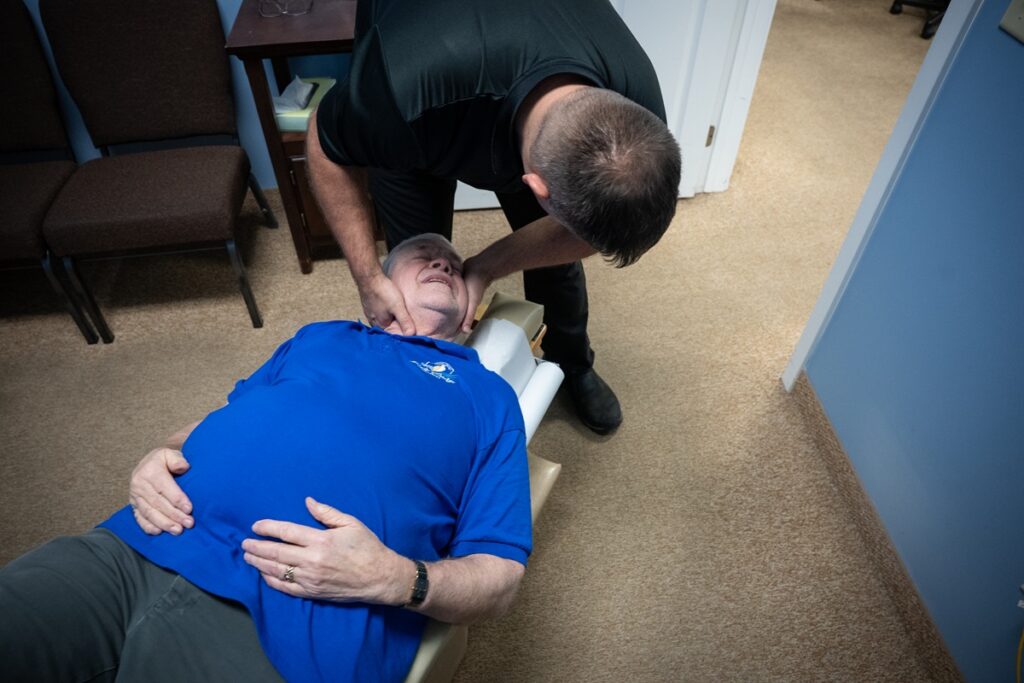
Diet is one important piece of the headache puzzle, but it rarely stands alone. At Catalyst Chiropractic And Rehab, Dr. Bob Vaughn takes a whole-person approach to evaluating and addressing headache patterns. Many headaches — particularly tension-type headaches and cervicogenic headaches (those originating from the neck) — have a strong musculoskeletal component that dietary changes alone won’t fully address.
Spinal misalignments in the cervical spine, muscle tension in the neck and upper back, and poor posture can all contribute significantly to headache frequency and severity. Chiropractic adjustments help restore proper alignment and reduce nervous system irritation, which can decrease the frequency of headaches over time. Research published in journals like the Journal of Manipulative and Physiological Therapeutics has indicated that spinal manipulation may be an effective option for managing tension-type and cervicogenic headaches.
Chiropractic care is non-invasive and drug-free, which makes it an appealing option for people who want to address the root causes of their head pain rather than simply masking symptoms. At our Blaine, MN practice, care is always individualized. Dr. Bob Vaughn evaluates each patient’s specific presentation before recommending any course of care.
Practical Tips for Managing Dietary Headache Triggers
Managing food-related headaches starts with awareness. The most powerful tool you have is observation. Pay close attention to what you eat and how you feel in the hours and days that follow. A simple food and symptom journal, even kept on your phone’s notes app, can reveal patterns you’d otherwise miss completely.
Beyond journaling, staying consistently hydrated is one of the most straightforward steps you can take. Dehydration alone is a significant headache driver, and many people in Blaine, MN — especially during the cold Minnesota winters when indoor heating dries the air — are chronically mildly dehydrated without realizing it. Aim for steady water intake throughout the day rather than playing catch-up in the evening.
Eating at consistent times, minimizing highly processed foods, and gradually reducing your exposure to known triggers are all reasonable, realistic steps. You don’t need to overhaul your entire diet overnight. Small, deliberate changes over weeks often yield more sustainable results than dramatic restrictions that feel impossible to maintain.
When to See a Chiropractor for Your Headaches

If your headaches are frequent — happening more than a couple of times per week — or if they’re significantly affecting your quality of life, work, or sleep, that’s a clear signal to seek professional evaluation. Chiropractic care is particularly worth considering when headaches seem to originate from the neck or are accompanied by stiffness, tension between the shoulder blades, or worsening with prolonged sitting or computer use.
Dr. Bob Vaughn and the team at Catalyst Chiropractic And Rehab in Blaine, MN are experienced in evaluating headache presentations and helping patients identify whether a musculoskeletal component is contributing to their symptoms. There are also red flag symptoms that warrant prompt medical attention rather than chiropractic care, including sudden severe headaches described as “the worst headache of your life,” headaches accompanied by fever, stiff neck, visual changes, or neurological symptoms like weakness or confusion. These require an immediate medical evaluation.
Common Food Triggers: What They Contain and Why They Cause Head Pain
|
Food or Beverage |
Key Compound or Mechanism |
Common Headache Type Triggered |
Safer Alternative |
|---|---|---|---|
|
Aged Cheeses |
Tyramine |
Migraine, vascular headache |
Fresh cheeses (ricotta, cottage cheese) |
|
Processed Meats |
Nitrates/Nitrites |
Vascular, tension headache |
Nitrate-free deli meats |
|
Red Wine / Alcohol |
Tyramine, tannins, histamines, dehydration |
Migraine, hangover headache |
Hydrate well; limit consumption |
|
Diet Sodas / Sugar-Free Foods |
Aspartame |
Migraine, tension headache |
Water, natural fruit-infused water |
|
Fast Food / Packaged Snacks |
MSG / Glutamate compounds |
Tension, pressure-type headache |
Whole, minimally processed foods |
|
Coffee / Energy Drinks |
Caffeine withdrawal / dilation |
Withdrawal headache |
Consistent, moderate consumption |
|
Skipped Meals |
Blood sugar drop (hypoglycemia) |
Hunger headache |
Regular meals with protein and complex carbs |
Myths vs. Facts About Food and Headaches
Myth: Everyone gets headaches from the same foods.
Fact: Headache triggers are highly individual. What consistently causes a headache in one person may have zero effect on another. This is why personalized tracking and evaluation — rather than blanket elimination diets — tends to be the most useful approach.
Myth: If food caused my headache, it would happen immediately after eating.
Fact: Food-triggered headaches often have a delayed onset of several hours or even up to a day. This delay is part of why people struggle to make the connection between what they ate and the headache that followed. Keeping a food journal over several weeks is far more reliable than trying to recall recent meals in the moment.
Myth: Chocolate always causes migraines.
Fact: Chocolate contains small amounts of tyramine and caffeine, and it is a reported trigger for some people. However, research suggests the relationship may be more complex — chocolate cravings sometimes occur as part of the pre-headache phase (prodrome), leading people to blame the chocolate when the headache was already in progress. Not everyone who eats chocolate will experience a headache from it.
Myth: Drinking more water can’t really help headaches.
Fact: Dehydration is one of the most well-established and straightforward headache triggers. Increasing consistent water intake throughout the day has been shown to help reduce headache frequency and duration in people who are prone to dehydration-related headaches.
Myth: Chiropractic care is only for back pain — it can’t help headaches.
Fact: Chiropractic care is widely recognized as a relevant approach for tension-type and cervicogenic headaches. Evidence indicates that spinal manipulation of the cervical spine can help reduce headache frequency and intensity for appropriate candidates. Many patients at Catalyst Chiropractic And Rehab come specifically for headache-focused care.
Final Thoughts From Catalyst Chiropractic And Rehab in Blaine, MN
Living with frequent headaches can feel exhausting, especially when the cause seems mysterious. The truth is, your diet may be playing a much bigger role than you ever realized, and that’s actually empowering news. It means there are real, concrete changes you can make to start taking back control of how you feel.
Here at Catalyst Chiropractic And Rehab, Dr. Bob Vaughn is passionate about helping members of the Blaine, MN community understand the full picture of their health — not just treating symptoms, but uncovering underlying contributors. Whether your headaches have a dietary root, a postural root, a spinal root, or some combination of all three, you deserve individualized, thoughtful care.
If you’ve been battling headaches and haven’t found lasting relief, we encourage you to take the first step toward understanding what’s really driving them. Our team is here to help, with genuine care and respect for every patient who walks through our door.
Frequently Asked Questions
Can the foods I eat really cause headaches, or is it just a coincidence?
Yes, certain foods and compounds in foods are widely recognized as headache triggers in susceptible individuals. The connection is well-established for substances like tyramine, nitrates, caffeine withdrawal, and blood sugar fluctuations. Keeping a food and symptom journal is one of the best ways to confirm whether a specific food is contributing to your headaches.
How do I figure out which foods are triggering my headaches?
A food diary is the most practical starting point. Track what you eat, when you eat it, and when headaches occur over a period of several weeks. If you notice consistent patterns, you can work with a healthcare provider to consider a guided elimination approach to confirm the connection.
Is it safe to completely eliminate suspected trigger foods?
For most common trigger foods, short-term elimination is generally safe and can be informative. However, dramatic dietary changes should be approached thoughtfully, especially if you have underlying health conditions. It’s always a good idea to consult with a healthcare professional before making major dietary modifications.
Can chiropractic adjustments help reduce headache frequency?
Evidence suggests that chiropractic care, particularly spinal manipulation of the cervical spine, may help reduce the frequency and severity of tension-type and cervicogenic headaches. It works best as part of a comprehensive approach that also addresses lifestyle factors like diet, hydration, posture, and stress management.
How long does it take to see improvement in headaches with dietary changes?
This varies significantly from person to person. Some individuals notice a reduction in headache frequency within a few weeks of eliminating key triggers. For others, it may take longer, and multiple contributing factors — not just diet — may need to be addressed for meaningful improvement.
Should I see a chiropractor or a medical doctor for my headaches?
Both can be appropriate depending on the nature of your headaches. If your headaches are associated with neck tension, poor posture, or musculoskeletal complaints, a chiropractor like Dr. Bob Vaughn at Catalyst Chiropractic And Rehab is a logical first step. If you experience sudden severe headaches, neurological symptoms, or headaches associated with fever, seek medical attention promptly.
TL;DR — Key Takeaways
-
Certain everyday foods, including aged cheeses, processed meats, alcohol, artificial sweeteners, MSG, caffeine, and skipped meals, can trigger headaches through mechanisms like tyramine release, blood vessel dilation, and blood sugar drops.
-
Food-triggered headaches often have a delayed onset, making a food and symptom journal one of the most useful tools for identifying your personal triggers.
-
Hydration, consistent meal timing, and reducing processed food intake are practical first steps to reducing dietary headache triggers.
-
Chiropractic care can address the musculoskeletal contributors to headaches — like cervical misalignment and muscle tension — that dietary changes alone won’t resolve.
-
If headaches are frequent, severe, or significantly impacting your life, a professional evaluation at a practice like Catalyst Chiropractic And Rehab in Blaine, MN is a smart, proactive step.