
If you’ve been dealing with frequent headaches or migraines, you know how much they can disrupt your daily life. Whether it’s a dull ache that won’t go away or a debilitating migraine that sends you to a dark room, chronic head pain affects everything—your work, your relationships, your ability to enjoy simple activities. Many people in Blaine and the surrounding Twin Cities area reach for over-the-counter pain relievers as their first line of defense, but this approach only masks symptoms temporarily without addressing the underlying cause. What if there was a natural, drug-free approach that could help reduce the frequency and intensity of your headaches? That’s where chiropractic care comes in. At Catalyst Chiropractic And Rehab in Blaine, MN, we help patients understand the root causes of their headaches and provide targeted, conservative care designed to bring lasting relief.
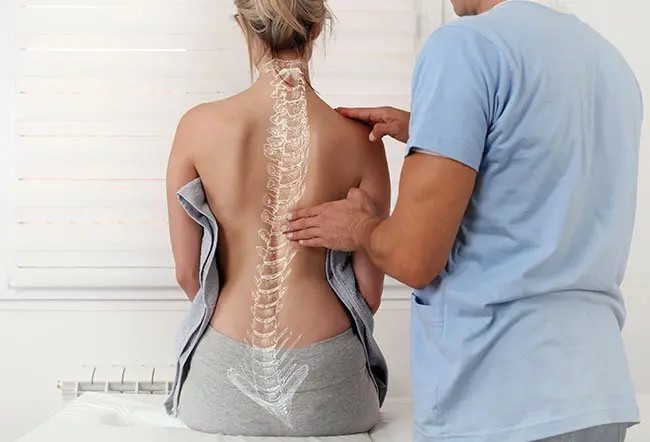
What causes headaches and migraines from a chiropractic perspective? Many headaches originate from musculoskeletal dysfunction in the neck and upper back. Tension-type headaches, cervicogenic headaches, and even some migraines can be triggered or worsened by misalignments in the cervical spine, muscle tension, poor posture, and joint restrictions. When the vertebrae in your neck aren’t moving properly or surrounding muscles become tight and strained, it can irritate nerves and blood vessels, leading to referred pain in the head.
Table of Contents
- Understanding Different Types of Headaches
- Common Causes and Triggers
- The Chiropractic Connection: How Neck Function Affects Head Pain
- How Chiropractic Care Can Help Headaches and Migraines
- Practical Tips for Headache Prevention
- When to See a Chiropractor for Headaches
- What to Expect at Catalyst Chiropractic And Rehab
- Treatment Approaches Comparison
- Myths vs. Facts About Chiropractic Care for Headaches
- Final Thoughts
Understanding Different Types of Headaches
Not all headaches are the same, and understanding what type you’re experiencing can help guide the most appropriate care approach. The three most common types we see at our Blaine chiropractic office are tension-type headaches, cervicogenic headaches, and migraines.
Tension-type headaches are the most prevalent form of headache. They typically feel like a tight band around your head or a dull, pressing sensation on both sides. These headaches often result from muscle tension in the neck, shoulders, and jaw. Stress, poor posture, and extended periods at a computer can all contribute to this type of head pain.
Cervicogenic headaches originate from problems in the cervical spine—the neck region. Unlike tension headaches, cervicogenic headaches start in the neck and radiate forward into the head, often affecting one side more than the other. They’re frequently associated with reduced neck mobility and can be triggered by certain neck movements or sustained postures. Research indicates that cervicogenic headaches account for a significant portion of chronic headache cases, and they respond particularly well to conservative, hands-on care.
Migraines are more complex and intense than typical headaches. They often present with throbbing pain on one side of the head, accompanied by sensitivity to light and sound, nausea, and sometimes visual disturbances called auras. While migraines have a neurological component and can be influenced by hormones, diet, and genetics, evidence suggests that spinal dysfunction and muscle tension in the neck can act as significant triggers or aggravating factors for many migraine sufferers.
Common Causes and Triggers
Here in Blaine, many patients come into Catalyst Chiropractic And Rehab wondering why their headaches keep coming back. The answer often lies in identifying and addressing the underlying triggers and causes rather than just treating symptoms.
Poor posture is one of the most common culprits. When you spend hours hunched over a computer, looking down at your phone, or sitting with your head forward, the muscles in your neck and upper back become strained. This forward head posture places enormous stress on the cervical spine—for every inch your head moves forward, it can add up to 10 pounds of additional force on your neck muscles. Over time, this chronic strain leads to muscle tension, joint dysfunction, and eventually headaches.
Spinal misalignments or subluxations in the cervical vertebrae can interfere with normal joint mechanics and irritate surrounding nerves. When vertebrae aren’t moving properly or are stuck in improper positions, it affects the entire kinetic chain from your neck up through your skull. This can trigger pain signals and contribute to both tension headaches and cervicogenic headaches.
Muscle tension and trigger points in the neck, shoulders, and upper back are another major factor. Muscles like the upper trapezius, suboccipital muscles at the base of the skull, and the sternocleidomastoid can develop tight, tender spots that refer pain to the head. These trigger points can mimic migraine symptoms and often go unrecognized as a source of chronic head pain.
Stress and anxiety don’t just affect your mental state—they have physical consequences too. When you’re stressed, you tend to hold tension in your shoulders and neck, clench your jaw, and breathe more shallowly. All of these physical responses contribute to muscular tension and can precipitate headaches.
Other contributing factors include dehydration, poor sleep quality, jaw dysfunction (TMJ disorders), previous neck injuries like whiplash, and certain dietary triggers. For migraine sufferers specifically, hormonal changes, weather patterns, and specific foods may also play a role. The good news is that addressing the musculoskeletal component through chiropractic care can often reduce the frequency and severity of headaches, even when multiple triggers are at play.
The Chiropractic Connection: How Neck Function Affects Head Pain
The relationship between your neck and your head pain is more significant than most people realize. Your cervical spine isn’t just a stack of bones—it’s a complex system of vertebrae, discs, muscles, ligaments, nerves, and blood vessels all working together to support your head and allow for movement.
When everything is functioning properly, your neck moves smoothly through its full range of motion, muscles work efficiently without excessive tension, and nerves transmit signals without interference. But when dysfunction occurs—whether from poor posture, injury, repetitive strain, or other factors—it sets off a cascade of problems that can manifest as head pain.
The upper cervical spine, particularly the atlas (C1) and axis (C2) vertebrae, has a direct anatomical relationship with structures in your head. The suboccipital muscles connect these vertebrae to your skull, and when they become tight or irritated, they can create tension that radiates into the head. Additionally, the greater occipital nerve, which provides sensation to much of the back and top of the head, passes through these muscles. When the nerve becomes compressed or irritated—a condition called occipital neuralgia—it can cause sharp, shooting pains that mimic migraine symptoms.
Joint restrictions in the cervical spine can also affect proprioception—your body’s sense of position and movement. When joints aren’t moving properly, it disrupts the normal sensory feedback to your brain, which can trigger protective muscle guarding and pain responses. Research has shown that improving cervical spine mobility can have positive effects on headache frequency and intensity.
The biomechanical stress that poor neck alignment places on your body extends beyond just the neck itself. When your head sits forward of your shoulders, your center of gravity shifts, forcing your entire spine to compensate. This creates a domino effect of tension and dysfunction that can contribute to chronic headache patterns.
How Chiropractic Care Can Help Headaches and Migraines
Chiropractic care offers a non-invasive, drug-free approach to managing headaches and migraines by addressing the underlying musculoskeletal factors that contribute to head pain. At Catalyst Chiropractic And Rehab in Blaine, MN, we take a comprehensive approach that goes beyond just treating symptoms.
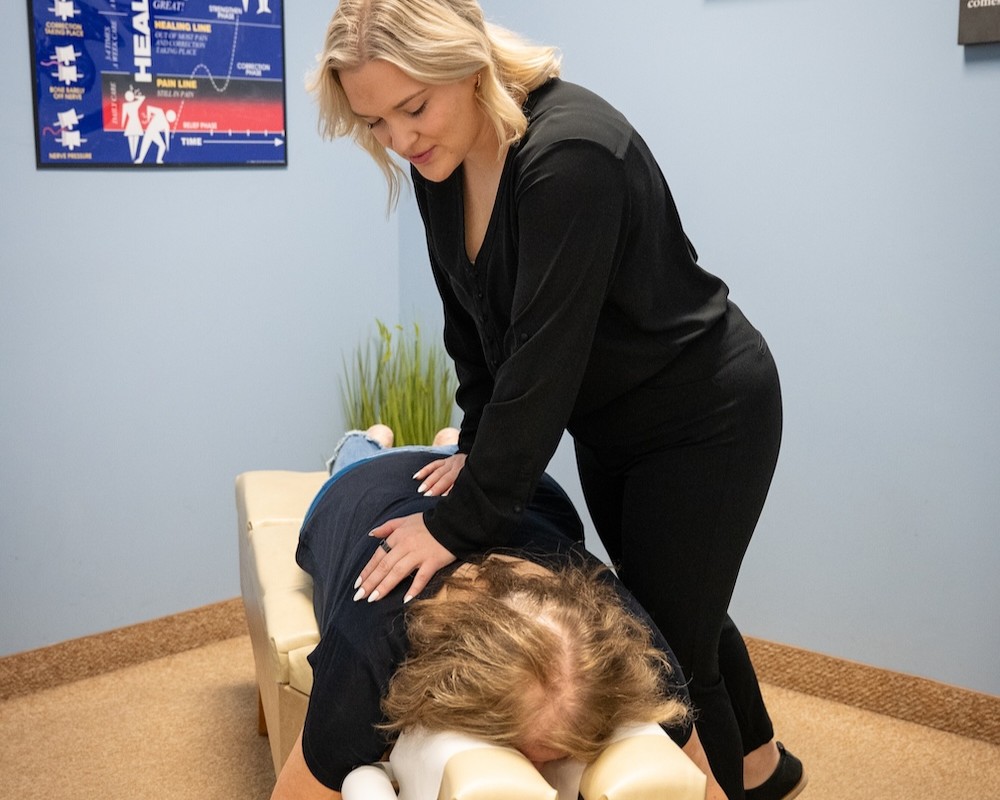
The foundation of chiropractic headache care is the spinal adjustment. These precise, controlled movements help restore proper motion to restricted joints in the cervical spine. When vertebrae are moving correctly, it reduces nerve irritation, decreases muscle tension, and improves overall biomechanics. Evidence from multiple studies indicates that chiropractic spinal manipulation can be effective for both tension-type headaches and cervicogenic headaches, with some patients experiencing significant reductions in headache frequency and intensity.
For migraine sufferers, research suggests that chiropractic care may help reduce the frequency of migraine episodes. While chiropractic doesn’t claim to cure migraines, many patients report that regular adjustments help decrease how often migraines occur and how severe they are when they do happen. The mechanism likely involves reducing spinal nerve stress, improving blood flow, and decreasing muscle tension that can trigger migraine episodes.
Beyond adjustments, chiropractors use soft tissue techniques to address muscle tension and trigger points. Techniques like myofascial release, active release, and therapeutic massage target tight, painful areas in the neck, shoulders, and upper back. By releasing these tension points, we can often provide immediate relief and prevent headaches from recurring.
Rehabilitation exercises are another crucial component of care. Weak, imbalanced neck muscles contribute to poor posture and increased headache risk. We prescribe specific exercises to strengthen the deep cervical flexors, improve postural endurance, and restore proper movement patterns. These exercises empower you to take an active role in your recovery and help prevent future episodes.
Postural education and ergonomic guidance are equally important. We assess how you sit at work, what your workstation setup looks like, how you use your phone, and other daily habits that may be contributing to your headaches. Small changes in how you position yourself throughout the day can make a substantial difference in reducing headache frequency.
What makes chiropractic care particularly appealing is its safety profile and lack of side effects compared to medication-based approaches. While pain relievers can be helpful for acute episodes, they don’t address the root cause and can lead to medication-overuse headaches when used too frequently. Chiropractic care works with your body’s natural healing mechanisms to restore function and reduce pain without drugs or invasive procedures.
Practical Tips for Headache Prevention
While professional chiropractic care is important, there are also many things you can do at home and throughout your day to reduce headache frequency and intensity. Here are practical, evidence-based strategies that we recommend to our patients at Catalyst Chiropractic And Rehab in Blaine.
First, pay attention to your posture, especially if you work at a desk or spend significant time on devices. Your computer monitor should be at eye level so you’re not looking down or craning your neck forward. Your feet should be flat on the floor with your knees at about 90 degrees. Keep your shoulders relaxed and your head balanced over your spine rather than jutting forward. Set a timer to remind yourself to check your posture every 30 minutes—awareness is the first step to change.
Take movement breaks throughout your day. Sitting in one position for extended periods allows muscles to tighten and joints to stiffen. Every 30 to 60 minutes, stand up, walk around, and perform some simple neck stretches. Roll your shoulders backward several times, gently tilt your head from side to side, and rotate your neck through its comfortable range of motion. These micro-breaks can prevent the buildup of tension that leads to headaches.
Practice proper breathing techniques. Many people who suffer from headaches breathe shallowly from their chest rather than deeply from their diaphragm. Shallow breathing engages the accessory breathing muscles in your neck and shoulders, contributing to tension. Take a few moments several times per day to practice deep belly breathing—inhale slowly through your nose, allowing your abdomen to expand, then exhale fully. This simple practice can reduce overall muscle tension and stress.
Stay properly hydrated. Dehydration is a common and often overlooked headache trigger. Aim for at least eight glasses of water per day, more if you’re active or the weather is warm. Keep a water bottle at your desk and make hydration a habit, not an afterthought.
Create a consistent sleep schedule and optimize your sleep environment. Poor sleep quality or inadequate sleep can trigger headaches and lower your pain threshold. Go to bed and wake up at consistent times, keep your bedroom cool and dark, and make sure your pillow provides proper neck support. Your pillow should maintain the natural curve of your neck whether you sleep on your back or side—avoid sleeping on your stomach, which twists your neck into awkward positions.
Manage stress through regular physical activity, mindfulness practices, or whatever healthy outlets work for you. Stress is one of the most common headache triggers, and finding effective ways to decompress can make a real difference. Even a 20-minute walk, some gentle yoga, or a few minutes of meditation can help break the stress-tension-headache cycle.
Be mindful of your jaw. Many people clench their teeth during the day or grind them at night without realizing it, which can contribute to tension headaches. If you notice yourself clenching, consciously relax your jaw and keep your teeth slightly apart. If you suspect nighttime grinding, mention it during your visit to Catalyst Chiropractic And Rehab so we can evaluate your jaw function and provide appropriate recommendations.
When to See a Chiropractor for Headaches
If you’re experiencing headaches, how do you know when it’s time to seek professional chiropractic care? While occasional mild headaches are common and don’t necessarily require intervention, certain patterns and symptoms indicate that chiropractic evaluation would be beneficial.
Consider seeing a chiropractor if your headaches are occurring more than once or twice per week. Frequent headaches significantly impact your quality of life and often indicate an underlying problem that needs to be addressed rather than just managed with medication. If you find yourself taking pain relievers multiple times per week for headaches, that’s a clear signal to explore a more comprehensive approach.
If your headaches consistently follow certain activities—like working at your computer, driving, or looking at your phone—it suggests a musculoskeletal component that chiropractic care can address. These activity-related patterns often point to postural issues, repetitive strain, or cervical dysfunction that responds well to adjustments and rehabilitation.
When your headaches seem to originate in your neck or are accompanied by neck pain, stiffness, or reduced range of motion, this strongly suggests a cervicogenic headache. These types of headaches are particularly responsive to chiropractic care because the primary problem lies in the cervical spine itself.
If you’ve had a previous neck injury—whether a car accident, sports injury, or fall—and later developed chronic headaches, there may be lingering dysfunction from that injury contributing to your head pain. Chiropractic care can help address chronic issues stemming from old injuries that were never fully rehabilitated.
For migraine sufferers who have tried various approaches without satisfactory results, chiropractic care offers another conservative option worth exploring. While we can’t promise to eliminate migraines entirely, many patients at Catalyst Chiropractic And Rehab in Blaine find that regular chiropractic care helps reduce the frequency and severity of their migraine episodes.
However, it’s important to recognize when headaches may indicate something more serious requiring immediate medical attention. Seek emergency care if you experience a sudden, severe headache unlike any you’ve had before (often described as a “thunderclap” headache), headache accompanied by fever, stiff neck, confusion, vision changes, difficulty speaking, or weakness, headache after a significant head injury, or headache with progressive worsening over days or weeks despite treatment. These symptoms can indicate serious conditions that require immediate medical evaluation.
For typical tension-type, cervicogenic, or migraine headaches, chiropractic care is a safe and appropriate first-line approach. We can perform a thorough evaluation to determine whether your headaches are musculoskeletal in nature and develop an individualized care plan to address them.
What to Expect at Catalyst Chiropractic And Rehab
If you’re considering chiropractic care for your headaches, you might be wondering what your first visit to Catalyst Chiropractic And Rehab in Blaine, MN will look like. Understanding the process can help ease any concerns and set realistic expectations.
Your initial visit begins with a comprehensive consultation and examination. We’ll discuss your headache history in detail—how long you’ve had them, how often they occur, what they feel like, what triggers them, and what you’ve tried so far. We’ll also ask about your work, daily activities, stress levels, sleep patterns, and any previous injuries. This conversation helps us understand the full picture of your condition.
The physical examination includes postural analysis, range of motion testing for your neck and upper back, orthopedic and neurological tests, palpation to identify areas of muscle tension and joint restriction, and evaluation of your spinal biomechanics. We may also assess your jaw function and check for trigger points in key muscles that refer pain to the head. If needed, we can arrange for imaging studies, though many headache cases can be evaluated and treated based on history and physical examination alone.
Once we’ve completed the evaluation, we’ll discuss our findings with you in clear, understandable terms. We’ll explain what we believe is contributing to your headaches and outline a recommended care plan. This plan is individualized to your specific needs and might include spinal adjustments, soft tissue therapy, rehabilitative exercises, postural training, and lifestyle recommendations.
Chiropractic adjustments for headache patients typically focus on the cervical spine and upper thoracic region. We use techniques that are appropriate for your condition and comfort level. Some people experience immediate relief after their first adjustment, while others notice gradual improvement over several visits. The timeline varies based on how long you’ve had the problem, the severity of dysfunction, and your overall health.
Treatment frequency depends on your individual case. Initially, you might come in two to three times per week for a few weeks to establish momentum and start changing dysfunctional patterns. As you improve, visits typically become less frequent. The goal is not to create dependence but to restore function, reduce pain, and give you the tools to maintain your improvement long-term.
Throughout your care at Catalyst Chiropractic And Rehab, we’ll track your progress and adjust your treatment plan as needed. We believe in empowering patients with knowledge and self-care strategies so you can take an active role in preventing future headaches. Our approach combines hands-on treatment with education, exercise, and lifestyle modifications to give you the best possible outcome.
Treatment Approaches Comparison
| Approach | How It Works | Best For | Considerations |
|---|---|---|---|
| Over-the-Counter Medication | Blocks pain signals and reduces inflammation temporarily | Occasional headaches, acute relief | Doesn’t address underlying cause; frequent use can lead to rebound headaches |
| Prescription Medication | Prevents migraines or provides stronger pain relief | Severe migraines, when conservative care insufficient | Potential side effects; may require trial of multiple medications |
| Chiropractic Care | Restores spinal function, reduces nerve irritation, releases muscle tension | Tension headaches, cervicogenic headaches, frequent migraines | Drug-free, addresses root cause; requires active participation |
| Physical Therapy | Strengthens muscles, improves posture through exercise and manual therapy | Posture-related headaches, rehabilitation after injury | Similar benefits to chiropractic; focus more on exercise-based rehab |
| Massage Therapy | Releases muscle tension and trigger points | Tension headaches, stress-related head pain | Addresses soft tissue but not spinal mechanics; often used alongside chiropractic |
Myths vs. Facts About Chiropractic Care for Headaches
There are several misconceptions about chiropractic care for headaches that can prevent people from seeking help. Let’s address some of the most common myths with evidence-based facts.
Myth: Chiropractic adjustments are dangerous for your neck
Fact: When performed by a licensed, trained chiropractor, cervical adjustments are very safe. Research shows that serious adverse events from chiropractic neck adjustments are extremely rare—estimated at less than one in several million adjustments. We use precise, controlled techniques and always assess your individual situation before any treatment. The risk of serious complications from long-term medication use for headaches is actually significantly higher than the risk from chiropractic care.
Myth: Chiropractors only crack your back and don’t provide real treatment
Fact: Comprehensive chiropractic care involves much more than just adjustments. At Catalyst Chiropractic And Rehab in Blaine, headache treatment includes spinal adjustments, soft tissue therapy, rehabilitative exercises, postural education, ergonomic guidance, and lifestyle recommendations. We address all the factors contributing to your headaches, not just one aspect. The adjustment itself is just one tool in a complete treatment approach.
Myth: Once you start seeing a chiropractor, you have to keep going forever
Fact: The goal of chiropractic care is to restore function and give you the tools to maintain your health independently. While some patients choose to continue periodic visits for wellness and prevention, it’s not a requirement. Initial treatment typically lasts several weeks to a few months, depending on your condition. Once you’ve improved and learned proper self-care strategies, the choice to continue care is entirely yours. We encourage independence, not dependence.
Myth: Chiropractic care only works for back pain, not headaches
Fact: While chiropractors are well-known for treating back pain, evidence indicates that chiropractic care can be effective for several types of headaches, particularly tension-type and cervicogenic headaches. Since many headaches have a musculoskeletal component involving the neck and upper back, addressing these areas through chiropractic care makes logical sense and is supported by clinical research. Many patients report significant improvement in headache frequency and intensity with chiropractic treatment.
Myth: You need X-rays or MRIs before a chiropractor can treat headaches
Fact: Most headache cases can be evaluated and effectively treated based on a thorough history and physical examination alone. While imaging can be helpful in certain cases—such as after trauma or when red flags are present—it’s not routinely necessary for typical tension-type or cervicogenic headaches. We use clinical judgment to determine when imaging would be beneficial and only order it when medically appropriate.
Final Thoughts
Living with frequent headaches or migraines doesn’t have to be your normal. If you’ve been suffering with head pain and haven’t explored the chiropractic approach yet, you may be missing out on a safe, effective, drug-free option that addresses the root causes rather than just masking symptoms.
At Catalyst Chiropractic And Rehab in Blaine, MN, we understand how debilitating chronic headaches can be, and we’re committed to helping our community find lasting relief. Whether your headaches stem from poor posture, spinal dysfunction, muscle tension, or a combination of factors, comprehensive chiropractic care can make a meaningful difference in your quality of life.
The path to fewer, less intense headaches starts with understanding what’s causing them and taking proactive steps to address those underlying issues. If you’re tired of relying on medications that only provide temporary relief, or if you’re looking for a natural approach that works with your body’s healing mechanisms, chiropractic care may be exactly what you need.
We invite you to reach out to Catalyst Chiropractic And Rehab here in Blaine to schedule a consultation. Let’s work together to identify what’s triggering your headaches and develop a personalized plan to help you feel better. You don’t have to live with chronic head pain—there are answers, and we’re here to help you find them.
Frequently Asked Questions
How quickly can chiropractic care help reduce my headaches?
The timeline varies depending on how long you’ve had headaches and what’s causing them. Some patients notice improvement after just a few visits, while others with more chronic conditions may take several weeks to experience significant relief. Most patients at Catalyst Chiropractic And Rehab in Blaine begin seeing positive changes within two to four weeks of starting care. Consistency with appointments and following home care recommendations typically leads to faster results.
Can chiropractic care prevent migraines, or just treat them once they start?
Chiropractic care is primarily preventive in nature for migraines. Regular adjustments and addressing spinal dysfunction can help reduce the frequency and severity of migraine episodes before they occur. Evidence suggests that ongoing chiropractic care may decrease how often migraines happen and how intense they are when they do occur. While we can’t guarantee prevention of all migraines, many patients experience significantly fewer episodes with consistent care.
Is chiropractic care safe if I’m already taking medication for my headaches?
Yes, chiropractic care can be safely combined with medication management. In fact, many patients find that as their chiropractic treatment progresses, they’re able to reduce their reliance on medications. Always inform both your chiropractor and your physician about all treatments you’re receiving so everyone is working together. We can coordinate with your other healthcare providers to ensure comprehensive, integrated care.
Do I need a referral from my doctor to see a chiropractor for headaches?
In Minnesota, you do not need a referral to see a chiropractor. Chiropractors are portal-of-entry providers, meaning you can schedule an appointment directly without a physician referral. However, if you’re using certain insurance plans, you may want to verify your coverage details. At Catalyst Chiropractic And Rehab, we’re happy to answer questions about access to care when you call to schedule.
What’s the difference between a tension headache and a cervicogenic headache?
While both involve neck muscle tension, tension headaches typically feel like a band around your entire head and are caused by general muscle tension from stress, poor posture, or fatigue. Cervicogenic headaches specifically originate from problems in the cervical spine itself—joint dysfunction, nerve irritation, or disc issues—and the pain starts in the neck before radiating into the head. Cervicogenic headaches often affect one side more than the other and may be triggered by specific neck movements. Both types respond well to chiropractic care.
Will I hear cracking sounds during my adjustment, and is that normal?
You may hear popping or cracking sounds during spinal adjustments, which is completely normal and harmless. These sounds come from gas bubbles releasing within the joint fluid when the joint surfaces separate slightly during the adjustment—similar to cracking your knuckles. The sound itself isn’t the treatment; it’s simply a byproduct of the joint movement. Some techniques we use at Catalyst Chiropractic And Rehab don’t produce these sounds at all, and the treatment is equally effective.
TL;DR – Key Takeaways
- Many headaches and migraines have a musculoskeletal component involving neck dysfunction, poor posture, and muscle tension that chiropractic care can effectively address.
- Chiropractic treatment for headaches includes spinal adjustments to restore proper neck function, soft tissue therapy to release muscle tension, rehabilitative exercises, and postural education—a comprehensive, drug-free approach.
- Evidence indicates that chiropractic care can be effective for tension-type headaches and cervicogenic headaches, and may help reduce the frequency and severity of migraines.
- Consider seeing a chiropractor if you have frequent headaches (more than 1-2 per week), neck pain accompanying your headaches, headaches triggered by specific postures or activities, or if you want a conservative alternative to medication.
- At Catalyst Chiropractic And Rehab in Blaine, MN, we provide individualized care that addresses the root causes of your headaches, not just temporary symptom relief, helping you achieve lasting improvement in your quality of life.