
If you’ve noticed your knees don’t feel quite like they used to, you’re not alone. Knee pain affects millions of older adults across the country, and here in Blaine, MN, we see patients every week who are dealing with stiffness, discomfort, or reduced mobility in their knees. The good news is that knee pain doesn’t have to mean the end of an active lifestyle. With the right approach to joint health, many older adults can maintain strong, functional knees well into their later years. This article will help you understand what’s happening in your knees, what you can do about it, and how conservative care approaches like chiropractic can support your joint health without surgery or medication.
What is knee pain in older adults? Knee pain in older adults typically refers to discomfort, stiffness, or reduced function in the knee joint that develops gradually over time due to age-related changes, wear patterns, decreased muscle support, or underlying joint conditions. It can range from mild morning stiffness to significant pain that limits daily activities like walking, climbing stairs, or getting up from a chair.
Table of Contents
- Understanding Your Aging Knees
- Common Causes of Knee Pain in Older Adults
- Signs and Symptoms to Watch For
- How Chiropractic Care Supports Knee Health
- Practical Tips for Maintaining Healthy Knees
- When to See a Chiropractor or Healthcare Provider
- Myths vs. Facts About Knee Pain in Older Adults
- Final Thoughts
Understanding Your Aging Knees
Your knee is one of the most complex and hardworking joints in your body. It bears your weight with every step, absorbs shock when you walk or climb stairs, and allows you to bend, straighten, and twist. The knee joint is where your thighbone (femur), shinbone (tibia), and kneecap (patella) meet, all cushioned by cartilage and supported by ligaments, tendons, and muscles.
As we age, several natural changes occur in and around the knee joint. The cartilage that cushions the joint may gradually thin. The muscles and tendons that support the knee can lose some of their strength and flexibility. The lubricating fluid inside the joint may change in quality or quantity. These changes don’t automatically mean pain or disability, but they can make the knee more vulnerable to injury or discomfort if we don’t take proactive steps to support joint health.
Here at Catalyst Chiropractic And Rehab in Blaine, we help patients understand that aging doesn’t mean accepting pain as inevitable. Your knees are designed to last a lifetime, and with proper care and attention, many age-related knee problems can be managed effectively without invasive interventions.
Common Causes of Knee Pain in Older Adults
Understanding what’s behind your knee pain is the first step toward addressing it effectively. While every person’s situation is unique, several common factors contribute to knee discomfort in older adults.
Osteoarthritis
Osteoarthritis is one of the most common reasons older adults experience knee pain. This condition involves the gradual breakdown of cartilage in the joint. As cartilage wears down, bones may rub together more directly, causing pain, stiffness, and sometimes swelling. Research indicates that osteoarthritis affects a significant portion of adults over 65, though severity varies widely from person to person.
Previous Injuries
Old injuries to the knee—even ones from decades ago—can create lasting changes in how the joint functions. A torn meniscus, ligament injury, or fracture from your younger years may have healed, but it can alter joint mechanics in ways that contribute to discomfort later in life. These old injuries can also accelerate cartilage wear in specific areas of the knee.
Decreased Muscle Support
The muscles around your knee, particularly your quadriceps and hamstrings, play a crucial role in stabilizing and protecting the joint. As we age, we naturally lose muscle mass and strength—a process called sarcopenia. When these supporting muscles weaken, the knee joint must absorb more stress directly, which can lead to pain and accelerated wear.
Weight Changes
Your knees bear approximately three to six times your body weight with each step, depending on the activity. Even modest weight gain over the years can significantly increase the load on your knee joints. Conversely, maintaining a healthy weight or losing excess pounds can dramatically reduce knee stress and pain.
Biomechanical Issues
How your entire body moves affects your knees. Problems with foot alignment, hip weakness, or changes in your gait pattern can all place abnormal stress on the knee joint. For example, if your hips are weak or unstable, your knees may compensate by rotating inward during walking, creating uneven wear patterns. At Catalyst Chiropractic And Rehab, we assess these whole-body movement patterns to identify contributing factors beyond just the knee itself.
Reduced Activity Levels
It might seem counterintuitive, but too little movement can be just as problematic as too much. When you’re inactive, the muscles around your knee weaken, the joint stiffens, and circulation decreases. Cartilage also depends on movement to receive nutrients, since it doesn’t have its own blood supply. Regular, appropriate movement actually helps keep knees healthy.
Signs and Symptoms to Watch For
Knee pain in older adults can present in many different ways. Recognizing these signs early allows you to address problems before they become more limiting.
Morning stiffness is one of the most common early symptoms. You might notice your knees feel tight or achy when you first get out of bed, but improve after you’ve been moving for a while. This often reflects joint fluid changes or mild inflammation that settles overnight.
Pain with specific activities is another key indicator. You might notice discomfort when climbing stairs, getting up from a chair, kneeling, or squatting. Pain that occurs during weight-bearing activities often signals that the joint is struggling to handle normal loads efficiently.
Many of our patients in Blaine describe a grinding, clicking, or popping sensation in their knees. While these sounds aren’t always painful, they can indicate changes in how the joint surfaces are moving against each other. Not all clicking needs treatment, but if it’s accompanied by pain or swelling, it deserves attention.
Swelling around the knee can occur intermittently or become chronic. The joint may feel warm to the touch or appear visibly larger. Swelling usually indicates inflammation or excess fluid accumulation in response to irritation within the joint.
Reduced range of motion is another sign that shouldn’t be ignored. If you can’t fully straighten or bend your knee like you used to, or if it feels like something is blocking normal movement, the joint structures may need evaluation and care.
Instability or a feeling that your knee might “give out” can be particularly concerning. This sensation suggests that the muscles, ligaments, or joint surfaces aren’t providing adequate support during movement. While occasional instability might be manageable, frequent episodes increase fall risk and deserve professional attention.
How Chiropractic Care Supports Knee Health
Chiropractic care offers a conservative, non-invasive approach to managing knee pain and supporting joint health in older adults. At Catalyst Chiropractic And Rehab, we take a whole-body perspective, recognizing that knee pain rarely exists in isolation.
Our approach begins with a thorough assessment. We examine not just your knee, but also your hips, ankles, feet, and spine to understand how your entire kinetic chain is functioning. Poor alignment or movement patterns elsewhere in your body can place abnormal stress on your knees, so addressing these contributing factors is essential for lasting improvement.
Chiropractic adjustments can help optimize joint function throughout your body. When your pelvis, hips, and spine are aligned and moving properly, your knees often experience less compensatory stress. We may also perform gentle mobilization techniques directly on the knee joint itself to improve range of motion and reduce stiffness.
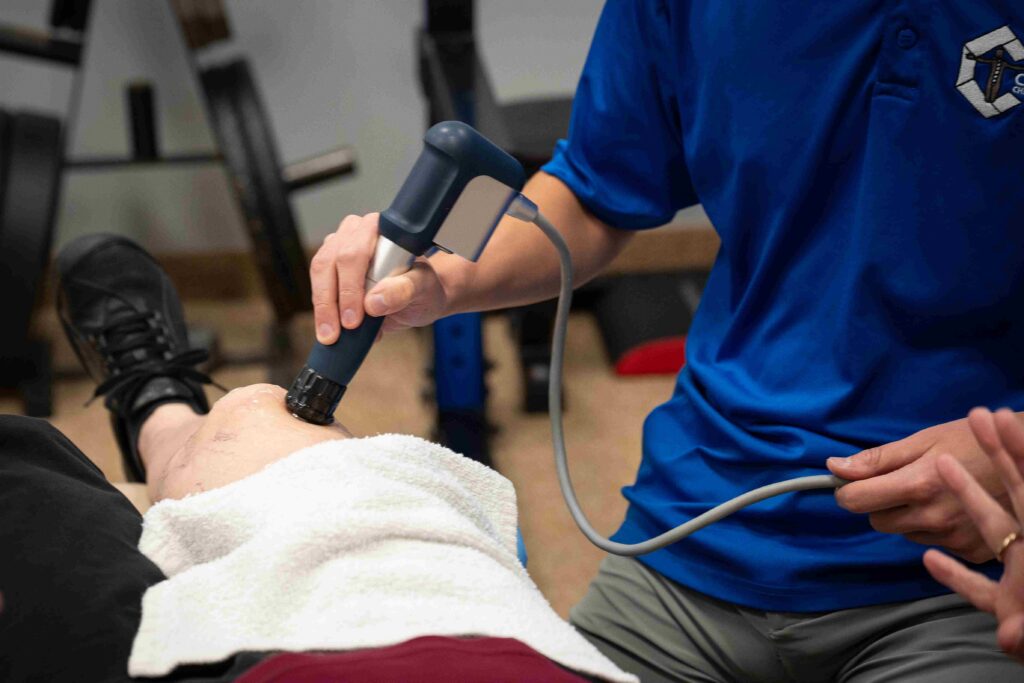
Soft tissue therapy is another important component of our care. Tight muscles, adhesions in connective tissue, or trigger points around the knee can all contribute to pain and dysfunction. We use various techniques to address these soft tissue problems, helping muscles function more efficiently and reducing strain on the joint.
Rehabilitation exercises are a cornerstone of effective knee care. We design individualized exercise programs to strengthen the muscles that support your knee, improve flexibility, and enhance your overall movement patterns. These exercises are tailored to your current fitness level and gradually progress as you improve. Evidence suggests that targeted strengthening, particularly of the quadriceps and hip muscles, can significantly reduce knee pain and improve function in older adults.
Patient education is equally important. We help you understand what’s happening in your knee, what activities to modify, and how to move in ways that protect rather than aggravate the joint. This knowledge empowers you to take an active role in your own knee health.
Our care at Catalyst Chiropractic And Rehab is individualized. We don’t believe in one-size-fits-all protocols. Your treatment plan reflects your specific condition, goals, activity level, and overall health status. Whether you’re an active retiree who wants to keep hiking Minnesota’s beautiful trails or someone who simply wants to garden and play with grandchildren without pain, we tailor our approach to support your lifestyle.
Practical Tips for Maintaining Healthy Knees
Beyond professional care, there’s much you can do in your daily life to support knee health. These practical strategies can help reduce pain, prevent further problems, and maintain function.
Stay Active with Low-Impact Exercise
Regular movement is essential for knee health, but the type of activity matters. Low-impact exercises that don’t jar the joint are ideal. Swimming and water aerobics are excellent choices because the water’s buoyancy reduces stress on your knees while providing resistance for strengthening. Walking on even surfaces is also beneficial—Blaine has many great walking trails that are perfect for knee-friendly exercise. Cycling, either outdoors or on a stationary bike, provides cardiovascular benefits without excessive knee impact. Tai chi has been shown in research to improve balance, strength, and knee pain in older adults.
Strengthen Supporting Muscles
Strong muscles around your knee provide crucial support and protection. Focus on exercises that target your quadriceps (front thigh muscles), hamstrings (back of thigh), and hip muscles. Simple exercises like straight leg raises, seated knee extensions, and gentle squats or wall sits can make a significant difference. Even basic resistance training a few times weekly can help preserve muscle mass and support joint health.
Maintain a Healthy Weight
If you’re carrying extra pounds, losing even a modest amount of weight can significantly reduce knee stress. Research indicates that every pound of weight loss removes approximately four pounds of pressure from your knees during walking. This doesn’t mean you need to achieve a certain number on the scale—even a 5-10% reduction in body weight can improve knee pain and function.
Use Proper Footwear
Your shoes affect how forces travel up through your legs to your knees. Wear supportive, well-cushioned shoes that fit properly. Avoid worn-out shoes with compressed cushioning or uneven sole wear. If you have flat feet or high arches, custom orthotics may help improve alignment and reduce knee stress. We can assess your foot mechanics and recommend appropriate support if needed.
Modify Activities Thoughtfully
You don’t have to give up activities you enjoy, but you may need to modify how you do them. If kneeling bothers your knees, use knee pads or a gardening stool. If stairs are challenging, use the handrail and take them one at a time. If standing for long periods causes discomfort, take sitting breaks. These small adjustments allow you to stay active while protecting your joints.
Apply Heat and Cold Appropriately
Heat can help reduce stiffness and improve circulation, making it useful before activity or when your knees feel tight. A warm shower or heating pad for 15-20 minutes can be soothing. Cold therapy can help reduce swelling and pain after activity or during flare-ups. An ice pack wrapped in a towel and applied for 15-20 minutes can provide relief. Alternate between the two based on what your knees need at different times.
Stay Hydrated
Proper hydration supports the health of cartilage and the synovial fluid that lubricates your joints. While there’s no magic amount that works for everyone, drinking adequate water throughout the day helps your body maintain these important joint structures.
Consider Anti-Inflammatory Foods
While diet alone won’t cure knee pain, certain foods may help reduce inflammation. Omega-3 fatty acids found in fish, colorful fruits and vegetables rich in antioxidants, and foods like turmeric and ginger have anti-inflammatory properties. Conversely, reducing processed foods, excess sugar, and unhealthy fats may help minimize inflammation.
Practice Good Movement Patterns
Pay attention to how you move throughout the day. When getting up from a chair, use your leg muscles rather than pushing off with your hands if possible. When bending down, hinge at your hips rather than hyperflexing your knees. These small adjustments in movement patterns can reduce unnecessary stress on your knee joints.
When to See a Chiropractor or Healthcare Provider
While some knee discomfort may be manageable with self-care, certain situations warrant professional evaluation and treatment. Knowing when to seek help can prevent minor issues from becoming more serious problems.
Consider scheduling an appointment at Catalyst Chiropractic And Rehab in Blaine if your knee pain persists for more than a few weeks despite rest and home care. Chronic pain that doesn’t improve suggests an underlying issue that needs professional assessment.
If your knee pain is interfering with daily activities—making it difficult to walk, climb stairs, get in and out of cars, or perform routine tasks—professional care can help restore function. You shouldn’t have to accept significant lifestyle limitations due to knee pain.
Progressive worsening of symptoms is another important indicator. If your knee pain, stiffness, or swelling is gradually getting worse over time, early intervention can often prevent further deterioration and provide more effective outcomes.
Sudden increases in pain or swelling, even without a specific injury, deserve attention. These changes may indicate acute inflammation or other problems that respond well to prompt treatment.
If you’re relying increasingly on pain medications to get through the day, it’s time to explore other options. While occasional use of over-the-counter pain relievers may be appropriate, regular dependence on medication suggests the underlying problem needs to be addressed.
Certain red flags require more immediate medical attention, though they’re less common. Seek urgent care if you experience severe, sudden knee pain following an injury, if your knee is significantly deformed or unable to bear weight, if you have a fever along with knee swelling and pain, or if you notice signs of infection such as warmth, redness, and severe tenderness. These symptoms may indicate conditions requiring medical evaluation beyond chiropractic scope.
At Catalyst Chiropractic And Rehab, we’re committed to appropriate care coordination. If we identify issues that require medical intervention, imaging, or specialty consultation, we’ll guide you toward the right resources while continuing to support your conservative care needs.
Knee-Friendly vs. Knee-Stressing Activities
| Knee-Friendly Activities | Activities That May Stress Knees | Modifications to Consider |
|---|---|---|
| Swimming and water aerobics | Running on hard surfaces | Switch to walking, use softer surfaces, or reduce frequency |
| Cycling on level terrain | Deep squats or lunges | Reduce range of motion, use support, or substitute with other strengthening |
| Walking on even surfaces | High-impact aerobics | Choose low-impact aerobics or water-based classes |
| Elliptical machines | Kneeling without support | Use knee pads, cushions, or a gardening stool |
| Tai chi or gentle yoga | Sports with sudden pivoting | Modify movements, wear supportive braces, or choose alternative activities |
| Seated resistance training | Prolonged standing on hard floors | Use anti-fatigue mats, take sitting breaks, wear supportive shoes |
Myths vs. Facts About Knee Pain in Older Adults
Myth: Knee pain is just a normal part of aging that you have to live with
Fact: While age-related changes in the knee are common, significant pain and disability are not inevitable. Many older adults maintain healthy, pain-free knees throughout their lives. With appropriate care, exercise, and lifestyle modifications, knee pain can often be effectively managed or significantly reduced. Accepting pain as “just part of getting old” prevents many people from seeking help that could dramatically improve their quality of life.
Myth: Exercise will make knee pain worse
Fact: Appropriate exercise is actually one of the most effective treatments for knee pain in older adults. Evidence consistently shows that strengthening exercises, low-impact aerobic activity, and flexibility training can reduce pain and improve function. The key is choosing the right types and intensity of exercise for your condition. Complete rest and inactivity typically lead to muscle weakness and joint stiffness, which can worsen knee problems over time.
Myth: You should avoid using your knee if it hurts
Fact: While you should avoid activities that cause sharp or severe pain, gentle movement and activity are generally beneficial for knee health. Cartilage needs movement to receive nutrients and stay healthy. The phrase “motion is lotion” applies well to knees—appropriate movement helps lubricate the joint and maintain function. The goal is finding the right balance between rest and activity, not complete avoidance of knee use.
Myth: Cracking or popping sounds in your knee mean something is seriously wrong
Fact: Joint sounds are extremely common and don’t always indicate a problem. Many knees produce clicking, popping, or crunching sounds during normal movement. If these sounds are painless and your knee functions normally, they’re usually not concerning. However, if popping is accompanied by pain, swelling, or instability, it deserves evaluation. Here at Catalyst Chiropractic And Rehab, we can assess whether your knee sounds are benign or indicate an issue needing attention.
Myth: Surgery is the only real solution for knee arthritis
Fact: While knee replacement surgery can be appropriate for severe cases, it’s far from the only option. Research from organizations like the American College of Physicians recommends trying conservative treatments first, including exercise, weight management, manual therapy, and activity modification. Many people with knee arthritis achieve significant improvement through these non-surgical approaches. Surgery should generally be considered only after conservative options have been thoroughly explored.
Myth: If you have knee pain, you should stop all physical activity
Fact: Complete inactivity can actually worsen knee health over time. Instead of stopping all activity, the focus should be on modifying activities and choosing knee-friendly exercises. Swimming, cycling, walking, and targeted strengthening exercises can all be appropriate even when you have knee pain. We work with our Blaine patients to develop activity plans that support healing while maintaining fitness and function.
Final Thoughts
Knee pain doesn’t have to limit your golden years. With a proactive approach to joint health, most older adults can maintain strong, functional knees that support an active, fulfilling lifestyle. The key is understanding your knees, addressing problems early, staying active in appropriate ways, and seeking professional guidance when needed.
Here in Blaine, Minnesota, Catalyst Chiropractic And Rehab is committed to helping older adults achieve and maintain optimal knee health through conservative, evidence-based care. We understand that every patient’s situation is unique, and we tailor our approach to your specific needs, goals, and lifestyle. Whether you’re dealing with new knee discomfort or have been managing chronic pain for years, we’re here to support your journey toward better joint health.
Remember, taking action today can prevent more serious problems tomorrow. Small, consistent steps—staying active, maintaining a healthy weight, strengthening supporting muscles, and seeking professional care when needed—can make a tremendous difference in how your knees feel and function in the years ahead. Your knees have carried you this far. With proper care and attention, they can continue to serve you well for many years to come.
Frequently Asked Questions
At what age does knee pain typically start in older adults?
Knee pain can begin at different ages depending on individual factors like activity history, weight, genetics, and previous injuries. Many people start noticing age-related knee changes in their 50s or 60s, though some experience issues earlier or later. The key is addressing discomfort when it appears rather than waiting for a specific age milestone.
Can chiropractic care help with knee arthritis?
Yes, chiropractic care can be beneficial for managing knee arthritis symptoms. While we can’t reverse arthritis, we can help improve joint function, reduce pain, optimize movement patterns, and strengthen supporting muscles. Many patients with knee arthritis experience significant improvement in pain and mobility through conservative chiropractic treatment combined with appropriate exercise and lifestyle modifications.
How long does it take to see improvement in knee pain with conservative care?
The timeline varies depending on the cause and severity of your knee pain. Some patients notice improvement within a few weeks, while others with more chronic conditions may take several months to experience significant changes. Consistency with treatment recommendations and home exercises is crucial for optimal outcomes. We’ll provide realistic expectations based on your specific situation during your initial evaluation.
Is walking good or bad for knee pain?
Walking is generally beneficial for knee health when done appropriately. It strengthens supporting muscles, maintains joint mobility, and promotes circulation without excessive impact. The key is walking on even surfaces, wearing supportive shoes, starting with shorter distances, and gradually increasing as tolerated. If walking causes significant pain that worsens with activity, we can help you modify your approach or identify alternative exercises.
Should I use heat or ice for my knee pain?
Both can be helpful, but for different situations. Ice is typically better for acute pain, swelling, or after activities that aggravate your knee, as it reduces inflammation. Heat works well for stiffness, chronic achiness, or before activity, as it increases blood flow and relaxes tissues. Many people benefit from using both at different times based on their symptoms. Apply either for 15-20 minutes at a time, and always use a barrier between ice/heat and your skin.
When should I consider knee replacement surgery versus continuing with conservative care?
Surgery is typically considered when conservative treatments have been thoroughly tried without adequate improvement, pain significantly limits daily function despite treatment, quality of life is severely impacted, and imaging shows substantial joint damage. Most experts recommend at least several months of conservative care first. At Catalyst Chiropractic And Rehab, we’ll work with you to maximize conservative options and provide honest guidance about when additional medical consultation might be appropriate for your situation.
TL;DR – Key Takeaways
- Knee pain in older adults is common but not inevitable—proactive care can maintain joint health and reduce discomfort throughout your later years.
- Common causes include osteoarthritis, muscle weakness, previous injuries, biomechanical issues, and weight-related stress on the joint.
- Conservative chiropractic care offers effective, non-invasive support for knee health through joint optimization, soft tissue therapy, rehabilitation exercises, and whole-body assessment.
- Staying active with low-impact exercise, maintaining healthy weight, strengthening supporting muscles, and wearing proper footwear are essential for long-term knee health.
- Seek professional care if pain persists beyond a few weeks, interferes with daily activities, progressively worsens, or requires regular pain medication—early intervention often provides better outcomes than waiting until problems become severe.