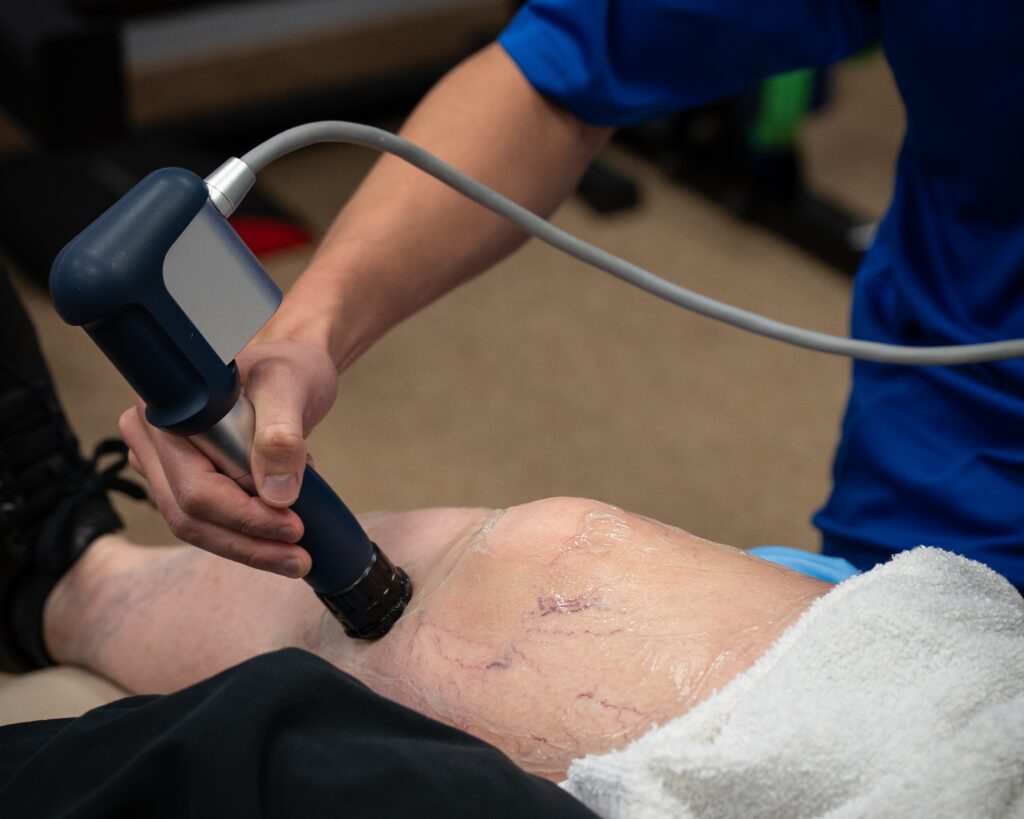

Leg pain can turn simple daily tasks into major challenges. Whether it’s a dull ache that won’t go away, sharp shooting pains down your thigh, or persistent cramping in your calves, leg discomfort affects how you move, work, and enjoy life. Many people in Blaine assume leg pain is just part of getting older or the result of overdoing it at the gym, but the truth is often more complex. The source of your leg pain might not even be in your leg at all—it could be coming from your spine, pelvis, or other areas of your musculoskeletal system. Understanding the root cause is the first step toward finding lasting relief, and that’s where chiropractic care can make a significant difference.
What is leg pain in a chiropractic context? Leg pain refers to discomfort anywhere from the hip to the toes that may originate from musculoskeletal misalignments, nerve compression, or biomechanical dysfunction. Chiropractors evaluate the entire kinetic chain—including the spine, pelvis, hips, and lower extremities—to identify and address the underlying mechanical causes of leg pain.
Table of Contents
- Understanding Leg Pain: More Than Just a Muscle Issue
- Common Causes of Leg Pain
- How Your Spine Affects Your Legs
- The Chiropractic Approach to Leg Pain
- What to Expect During Chiropractic Care
- Practical Tips for Managing Leg Pain at Home
- When to See a Chiropractor for Leg Pain
- Myths vs. Facts About Leg Pain and Chiropractic Care
- Final Thoughts from Catalyst Chiropractic And Rehab
Understanding Leg Pain: More Than Just a Muscle Issue
When most people experience leg pain, they immediately think they’ve pulled a muscle or need to rest. While muscle strains certainly happen, leg pain often has deeper origins that rest alone won’t fix. Your legs are complex structures involving bones, joints, muscles, tendons, ligaments, blood vessels, and an intricate network of nerves. All these components must work together smoothly for proper function.
What makes leg pain particularly tricky is that the discomfort you feel in your leg might actually be referred pain from somewhere else entirely. Your lower back, sacroiliac joints, and hip alignment all play crucial roles in how your legs feel and function. When these areas aren’t working correctly, the resulting biomechanical stress can manifest as pain anywhere along your legs.
At Catalyst Chiropractic And Rehab, we see patients every week who’ve been struggling with leg pain for months or even years. Many have tried various approaches with limited success because the true source of their pain was never properly identified. The key is looking at the body as an integrated system rather than isolated parts.
Common Causes of Leg Pain
Leg pain can stem from numerous sources, and identifying the correct cause is essential for effective treatment. Understanding these common causes helps you recognize patterns in your own symptoms and communicate more effectively with healthcare providers.
Sciatica and Nerve Compression
One of the most common causes of leg pain we see at our Blaine clinic is sciatica. The sciatic nerve is the longest nerve in your body, running from your lower back through your hips and buttocks and down each leg. When this nerve becomes compressed or irritated—often due to a herniated disc, bone spur, or spinal misalignment—it can cause pain that radiates down the leg. This pain is often described as sharp, burning, or electric-like, and it typically affects one leg more than the other.
Piriformis Syndrome
The piriformis is a small muscle deep in your buttock that helps rotate your hip. When this muscle becomes tight or goes into spasm, it can compress the sciatic nerve, causing symptoms similar to true sciatica. Many patients experience deep buttock pain that extends down the back of the leg, often worsening with prolonged sitting.
Sacroiliac Joint Dysfunction
Your sacroiliac joints connect your pelvis to your spine, and they’re essential for transferring weight and forces between your upper and lower body. When these joints become misaligned or inflamed, they can cause pain in the lower back, buttocks, hips, and legs. This type of pain often feels worse when standing from a seated position or climbing stairs.
Hip Misalignment and Imbalances
Your hips are foundational to proper leg function. When hip alignment is off—whether from an injury, repetitive stress, or postural habits—the entire leg can suffer. Hip problems can cause pain in the groin, thigh, knee, or even as far down as the ankle and foot.
Postural and Gait Issues
How you stand, walk, and move throughout the day significantly impacts your legs. Poor posture, uneven gait patterns, or compensatory movement habits can create chronic stress on muscles, joints, and nerves, leading to persistent leg pain.
Muscle Imbalances and Weakness
When certain leg muscles become weak while others remain tight, the resulting imbalance creates abnormal stress on joints and soft tissues. This commonly occurs with prolonged sitting, which weakens glutes and hamstrings while tightening hip flexors and quadriceps.
How Your Spine Affects Your Legs
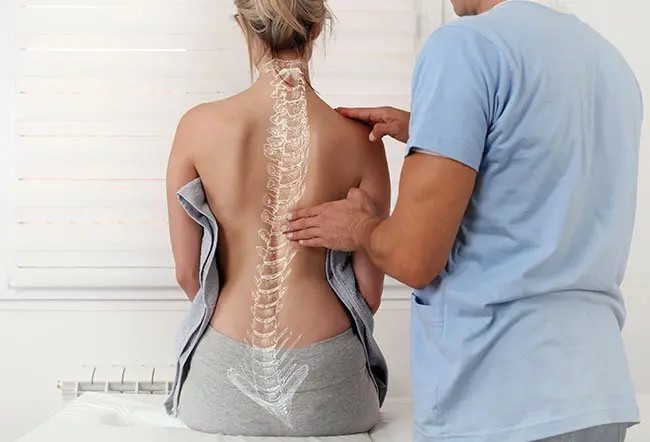
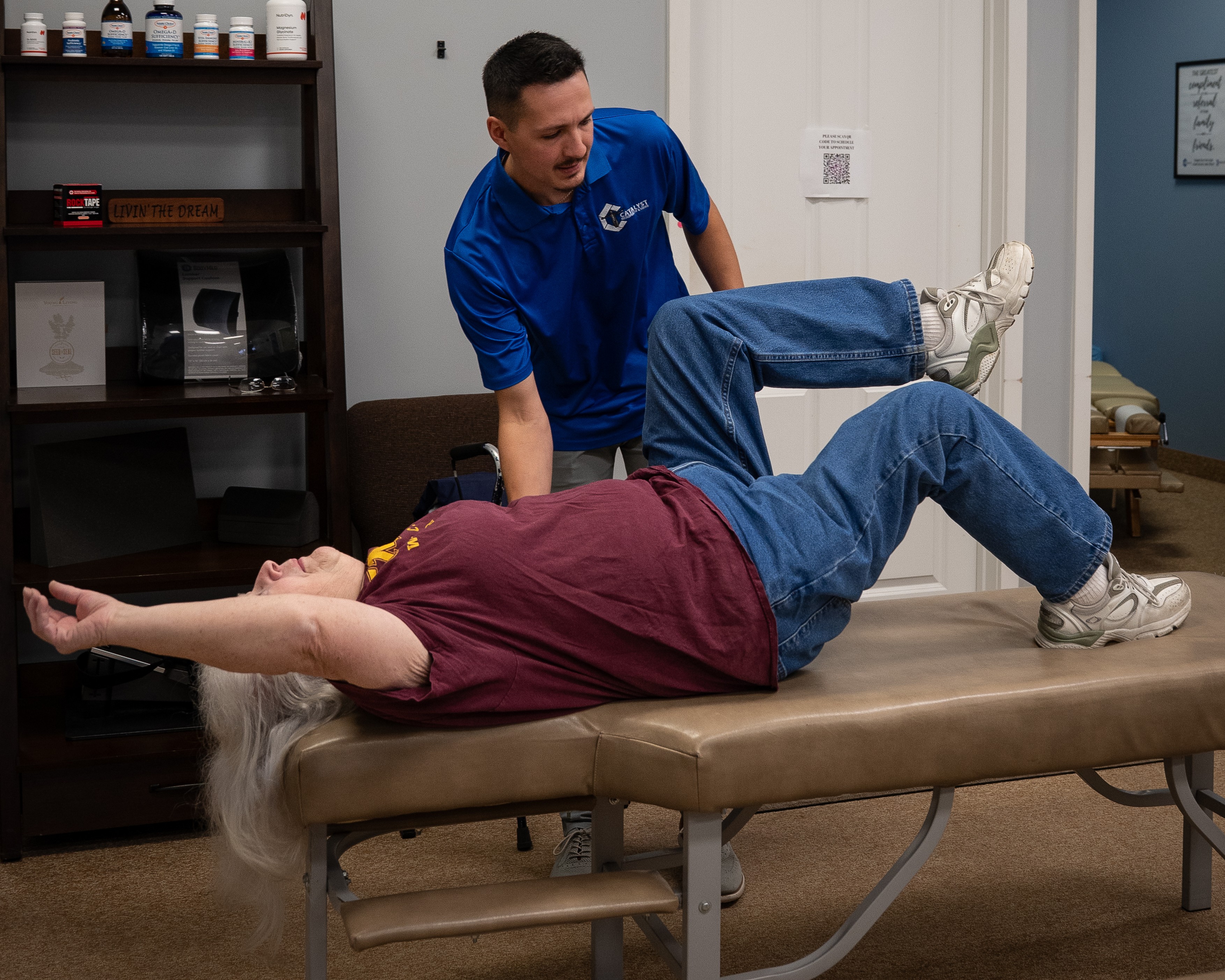
Many patients are surprised to learn that their leg pain originates in their spine. Understanding this connection is crucial to addressing the root cause rather than just masking symptoms. Your spinal cord carries all the nerve signals between your brain and the rest of your body, including your legs.
Nerves that control sensation and movement in your legs exit your spinal cord in the lower lumbar region. When vertebrae in this area become misaligned—what chiropractors call subluxations—they can irritate or compress these nerves. Even a slight misalignment can create inflammation and nerve interference that manifests as pain, numbness, tingling, or weakness anywhere along the nerve pathway.
The biomechanics are equally important. Your spine and pelvis form the foundation for everything below. When your spine loses its proper alignment or mobility, your body compensates by altering how you stand and walk. These compensations place abnormal stress on your hips, knees, ankles, and feet, eventually leading to pain and dysfunction.
Research published in the Spine Journal indicates that addressing spinal alignment and function can significantly improve lower extremity symptoms. This is because restoring proper spinal biomechanics removes nerve interference and allows your body to move as it was designed, reducing stress throughout the entire kinetic chain.
| Type of Leg Pain | Common Location | Possible Spinal Connection |
|---|---|---|
| Sciatica | Buttock down back of leg to foot | L4-S1 nerve root compression or irritation |
| Anterior thigh pain | Front of thigh | L2-L3 nerve involvement, hip flexor issues |
| Lateral leg pain | Outside of thigh and leg | L5 nerve root, IT band syndrome, hip dysfunction |
| Calf cramping | Back of lower leg | S1 nerve irritation, muscle imbalance |
| Foot numbness/tingling | Top or bottom of foot | L5-S1 nerve compression, peripheral nerve entrapment |
The Chiropractic Approach to Leg Pain
Chiropractic care offers a conservative, non-surgical approach to leg pain that focuses on identifying and correcting the underlying mechanical dysfunctions contributing to your symptoms. Rather than simply treating the pain itself, chiropractors aim to restore proper alignment, improve joint function, and optimize nervous system communication.
At Catalyst Chiropractic And Rehab in Blaine, our approach begins with a comprehensive evaluation. We don’t just look at where it hurts—we examine your entire spine, pelvis, and lower extremities to understand how different areas might be contributing to your leg pain. This includes assessing your posture, gait, range of motion, and neurological function.
Spinal Adjustments
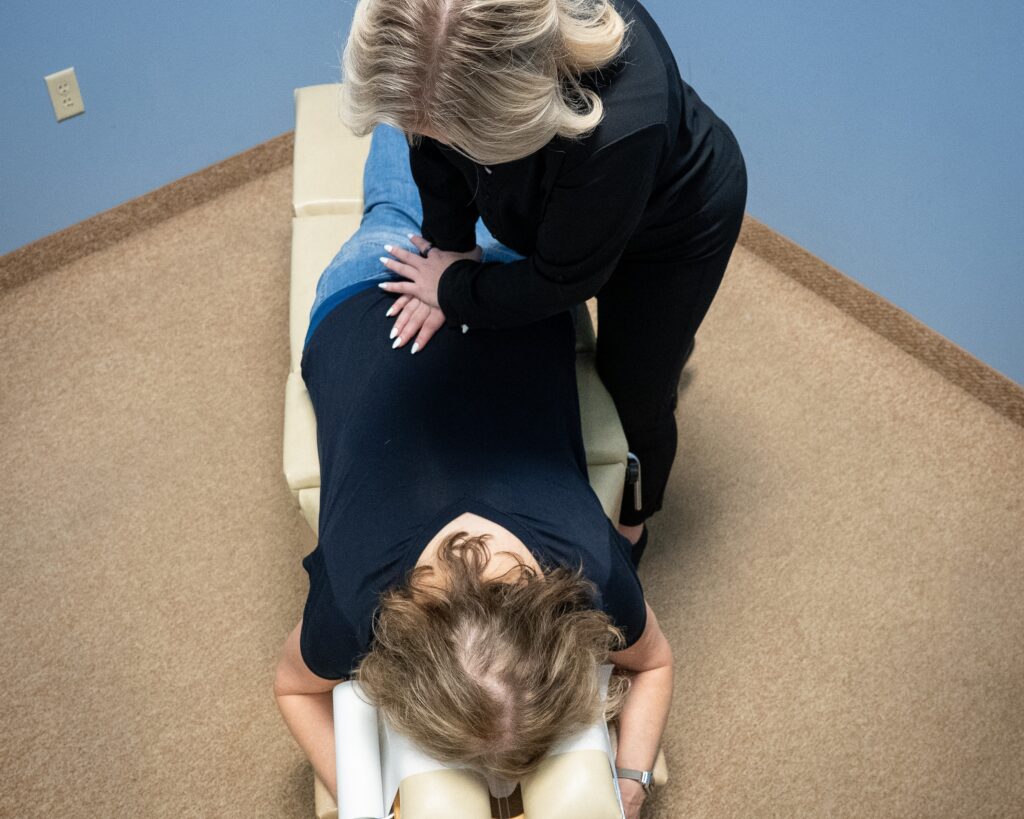
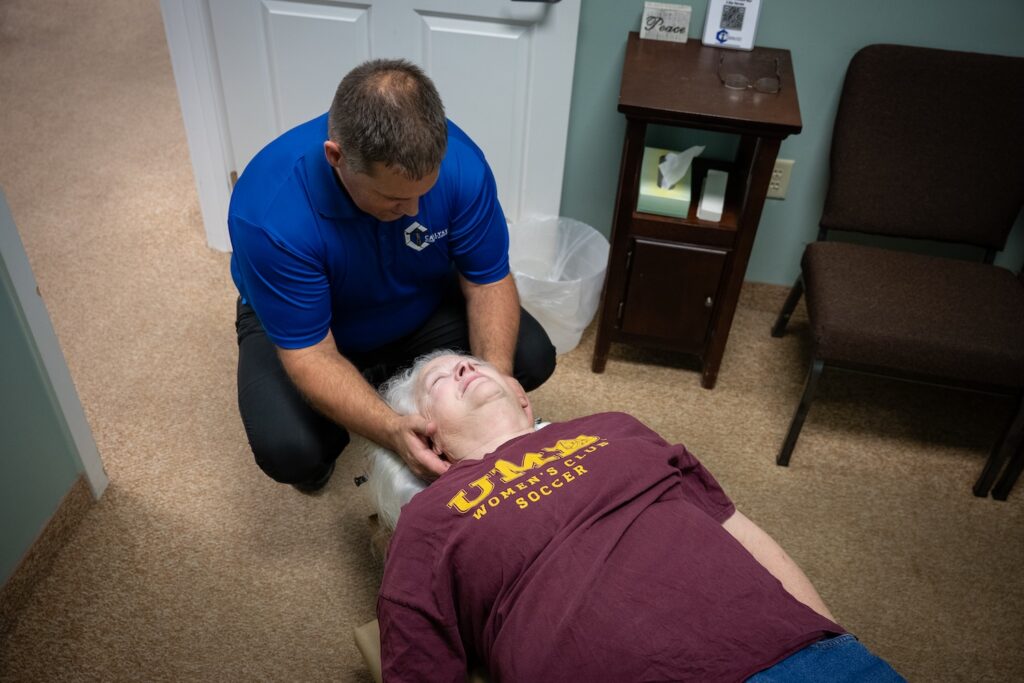
The cornerstone of chiropractic care is the spinal adjustment. When vertebrae in your lower back or pelvis are misaligned, gentle, specific adjustments can restore proper position and movement. This reduces nerve irritation, decreases inflammation, and allows your body’s natural healing processes to work more effectively. Many patients experience immediate relief in leg symptoms following adjustments that address spinal dysfunction.
Extremity Adjustments
Sometimes the problem isn’t just in the spine. Your hips, knees, ankles, and even feet have joints that can become restricted or misaligned. Chiropractors are trained to adjust extremity joints as well, improving overall lower body mechanics and reducing compensatory stress patterns.
Soft Tissue Therapy
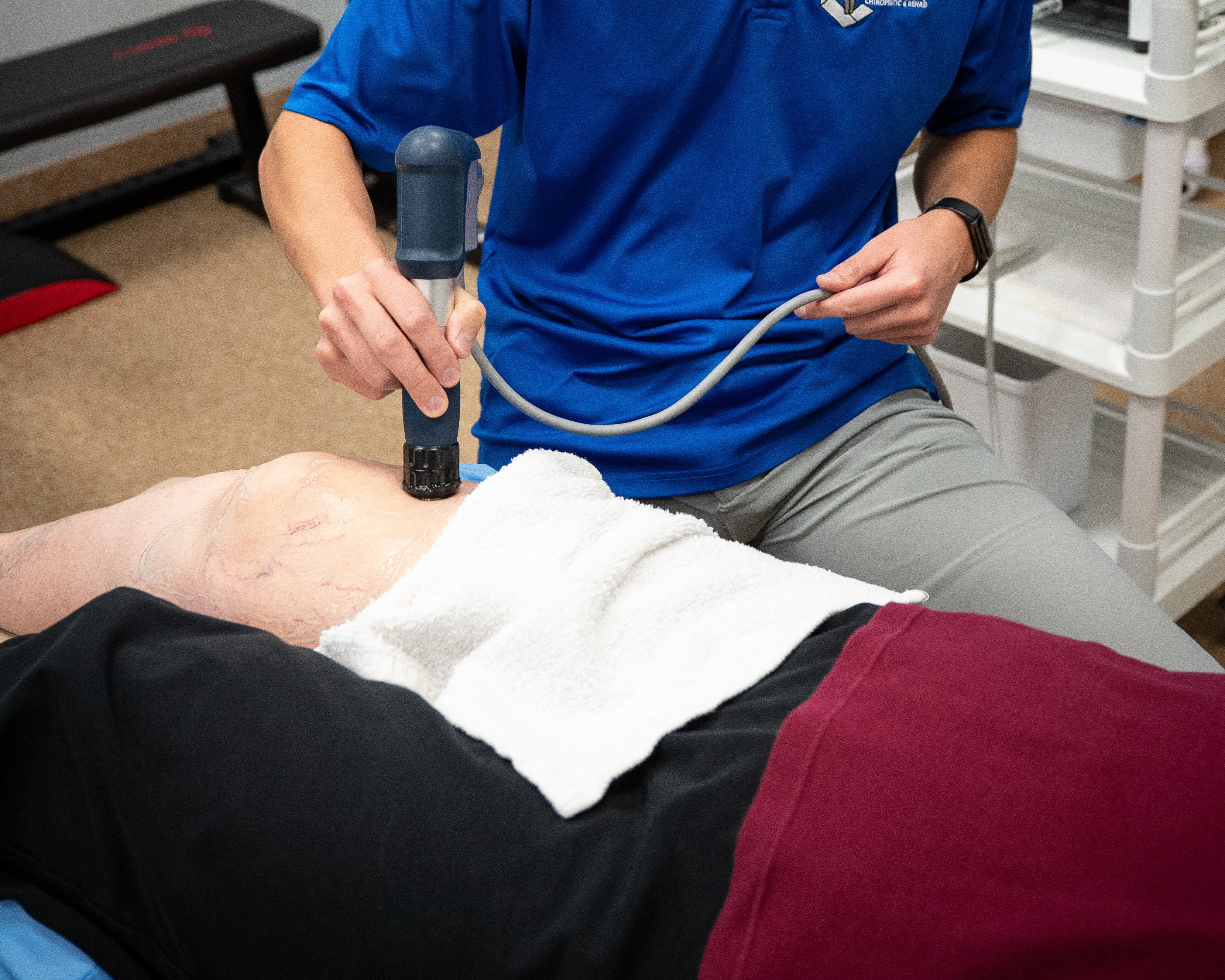
Tight, shortened muscles and fascia can contribute significantly to leg pain. Techniques like myofascial release, trigger point therapy, and instrument-assisted soft tissue mobilization help release muscle tension, improve blood flow, and restore normal tissue function. This is particularly helpful for conditions like piriformis syndrome or IT band tightness.
Rehabilitation and Corrective Exercise
Long-term relief requires more than just passive treatment. We incorporate specific exercises designed to strengthen weak muscles, improve flexibility, and retrain movement patterns. This active approach helps prevent recurrence and empowers you to take control of your own recovery.
Lifestyle and Ergonomic Guidance
How you sit at work, sleep at night, and move throughout your day all impact your leg health. We provide practical recommendations to modify daily activities that might be contributing to your pain, helping you make sustainable changes that support lasting improvement.
Evidence from the Cochrane Library suggests that multimodal conservative care—combining manual therapy, exercise, and patient education—shows positive outcomes for various musculoskeletal conditions affecting the lower extremities. This integrated approach aligns with modern chiropractic practice and our philosophy at Catalyst Chiropractic And Rehab.
What to Expect During Chiropractic Care
If you’ve never visited a chiropractor for leg pain, you might wonder what actually happens during treatment. Understanding the process can help ease any concerns and set realistic expectations for your care journey.
Your first visit typically involves a detailed consultation where we discuss your symptoms, medical history, and how the pain affects your daily life. We’ll ask about when the pain started, what makes it better or worse, and any previous treatments you’ve tried. This information helps us understand the full picture of your condition.
Next comes a thorough examination. We’ll evaluate your posture, spine alignment, and how you move. We’ll test your range of motion, muscle strength, and reflexes. For leg pain, we pay special attention to orthopedic and neurological tests that help identify nerve involvement or joint dysfunction. In some cases, we may recommend imaging like X-rays to get a clearer picture of your spinal structure.
Once we’ve gathered all this information, we’ll explain our findings in terms you can understand. We’ll discuss what we believe is causing your leg pain and outline a recommended care plan. This plan is individualized to your specific needs and goals, not a one-size-fits-all protocol.
Treatment sessions typically last 15-30 minutes and may include various techniques depending on your condition. Most patients find adjustments comfortable, often experiencing a sense of relief and improved mobility immediately afterward. Some people feel slightly sore for a day or two as their body adapts to better alignment, similar to how you might feel after a good workout.
The frequency and duration of care varies based on the severity and chronicity of your condition. Acute leg pain from a recent injury might improve within a few weeks, while chronic conditions that have developed over years typically require more time and consistent care to achieve lasting results. We’ll monitor your progress closely and adjust your care plan as needed.
Practical Tips for Managing Leg Pain at Home
While professional chiropractic care addresses the underlying causes of leg pain, there’s much you can do at home to support your recovery and prevent future problems. These practical strategies can make a meaningful difference in your daily comfort and function.
Mind Your Sitting Posture
For those of us in Blaine who work desk jobs, prolonged sitting is often a major contributor to leg pain. Sit with your feet flat on the floor, knees at about 90 degrees, and avoid crossing your legs. Take standing breaks every 30-45 minutes to walk around and reset your posture. Consider a standing desk converter if you spend many hours at a computer.
Practice Proper Sleep Positioning
How you sleep affects your spine and leg alignment. Side sleepers should place a pillow between their knees to keep hips aligned and reduce strain on the lower back. Back sleepers can benefit from a pillow under the knees to maintain the natural curve of the lower spine. Avoid sleeping on your stomach, as this position can twist your spine and hips.
Move Throughout Your Day
Movement is medicine for leg pain. Gentle walking promotes circulation, maintains joint mobility, and prevents stiffness. Even five to ten minutes of walking several times daily can help. Avoid staying in any one position for extended periods, whether sitting or standing.
Stay Hydrated
Proper hydration supports muscle function and helps prevent cramping. Dehydrated muscles are more prone to spasm and injury. Aim for adequate water intake throughout the day, especially if you’re active.
Wear Supportive Footwear
Your shoes directly impact your entire lower body. Worn-out shoes with poor support can alter your gait and create stress up through your legs, hips, and spine. Replace athletic shoes every 300-500 miles of use, and choose shoes with adequate arch support and cushioning for daily wear.
Gentle Stretching
Regular, gentle stretching can help maintain flexibility and reduce muscle tension. Focus on hip flexors, hamstrings, quadriceps, and calf muscles. Hold stretches for 20-30 seconds without bouncing, and never stretch to the point of pain. Consistency is more important than intensity.
Apply Ice or Heat Appropriately
For acute pain or inflammation, ice can help reduce swelling and numb discomfort. Apply for 15-20 minutes at a time. For chronic muscle tension or stiffness, heat can increase blood flow and relax tight tissues. Many patients find alternating between ice and heat helpful, but discuss with your chiropractor what’s best for your specific situation.
Address Biomechanical Stressors
Be mindful of activities that consistently aggravate your symptoms. If carrying a heavy bag on one shoulder causes pain, switch sides or use a backpack. If certain exercises at the gym trigger symptoms, modify or temporarily avoid them while you heal. Small adjustments can prevent ongoing irritation.
When to See a Chiropractor for Leg Pain
Not all leg pain requires professional attention, but knowing when to seek care can prevent a minor issue from becoming a chronic problem. Here are some indicators that chiropractic evaluation would be beneficial for your leg pain.
Consider scheduling an appointment if your leg pain has persisted for more than a week or two despite rest and home care. Acute injuries often improve with basic self-care, but pain that lingers suggests an underlying mechanical problem that needs professional attention.
If your leg pain is progressively worsening rather than improving, this is another important sign. Pain that gets worse over time indicates the underlying issue isn’t resolving on its own and may require intervention to prevent further deterioration.
Radiating pain that travels down your leg, especially if accompanied by numbness, tingling, or weakness, often indicates nerve involvement. These symptoms shouldn’t be ignored, as prolonged nerve compression can lead to more serious complications.
When leg pain interferes with your ability to perform daily activities—whether that’s work, exercise, caring for your family, or simply walking comfortably—it’s time to seek help. You shouldn’t have to modify your entire life around pain.
If you’ve noticed changes in how you walk or stand because of leg pain, professional evaluation is important. Compensatory gait patterns can create additional problems in other areas of your body over time.
Red Flags That Require Immediate Medical Attention
While most leg pain is musculoskeletal in nature and responds well to conservative care, certain symptoms require urgent medical evaluation. Seek immediate medical attention if you experience sudden, severe leg pain with no clear cause, signs of infection like fever, redness, or warmth, loss of bowel or bladder control, or weakness so severe you cannot bear weight.
These symptoms may indicate serious conditions that require immediate medical intervention. Chiropractors are trained to recognize these red flags and will refer to appropriate medical specialists when necessary.
At Catalyst Chiropractic And Rehab, we always prioritize your safety and wellbeing. If we identify anything during your evaluation that requires medical co-management, we’ll coordinate with other healthcare providers to ensure you receive comprehensive care.
Myths vs. Facts About Leg Pain and Chiropractic Care
Myth: Leg pain always means there’s a problem in the leg itself
Fact: Many cases of leg pain actually originate from dysfunction in the spine, pelvis, or hips. The pain you feel in your leg is often referred from nerve compression or biomechanical problems higher up in the kinetic chain. This is why thorough evaluation of the entire musculoskeletal system is so important.
Myth: Rest is the best treatment for leg pain
Fact: While rest may be appropriate for acute injuries, prolonged inactivity often worsens leg pain by causing muscle weakness, stiffness, and poor circulation. Appropriate movement and activity, guided by a healthcare professional, typically promotes better recovery than extended rest.
Myth: Chiropractic care is only for back pain
Fact: Chiropractors are trained to diagnose and treat conditions affecting the entire musculoskeletal system, including the extremities. Many chiropractors have extensive training in treating leg, hip, knee, ankle, and foot problems, in addition to spinal conditions.
Myth: If leg pain isn’t caused by an injury, it’s not serious
Fact: Leg pain that develops gradually without a specific injury often indicates cumulative stress from postural issues, repetitive movements, or biomechanical dysfunction. These conditions can be just as serious and limiting as acute injuries, and they benefit from professional evaluation and treatment.
Myth: You need X-rays or MRIs before chiropractic care can help
Fact: While imaging can be valuable in certain situations, many cases of leg pain can be effectively evaluated and treated based on clinical examination alone. Chiropractors will recommend imaging when clinically appropriate, but it’s not always necessary to begin conservative care.
Final Thoughts from Catalyst Chiropractic And Rehab
Living with leg pain doesn’t have to be your normal. Whether your discomfort is from sciatica, hip dysfunction, postural stress, or another musculoskeletal issue, understanding the root cause is the first step toward meaningful relief. Here in Blaine, we see firsthand how leg pain impacts people’s ability to work, exercise, and enjoy time with family and friends.
The good news is that many forms of leg pain respond well to conservative chiropractic care. By addressing spinal alignment, improving joint function, and optimizing movement patterns, we can often help patients find relief without surgery or medications. The key is taking a comprehensive approach that looks beyond just the symptoms to identify and correct the underlying mechanical problems.
At Catalyst Chiropractic And Rehab, we’re committed to helping our Blaine community move better and feel better. We take the time to understand your unique situation, explain what’s happening in terms you can understand, and create an individualized care plan designed around your goals. Our focus is always on empowering you with the knowledge and tools to not just feel better temporarily, but to achieve lasting improvement.
If you’ve been struggling with leg pain, we encourage you to reach out. A proper evaluation can provide clarity on what’s causing your symptoms and what options are available to help. You don’t have to simply accept leg pain as part of life or wait until it becomes unbearable to seek help. The sooner we can identify and address the underlying issues, the better your outcomes tend to be.
Walking tall and pain-free isn’t just a dream—it’s an achievable goal when you address the root causes of your leg discomfort. We look forward to helping you get back to the activities you love and the quality of life you deserve.
Frequently Asked Questions
Can a chiropractor really help with leg pain, or should I see a different specialist?
Chiropractors are well-equipped to evaluate and treat many common causes of leg pain, especially when symptoms originate from spinal, pelvic, or hip dysfunction. We’ll perform a thorough assessment to determine if chiropractic care is appropriate for your condition, and we’ll refer to other specialists if needed. Many patients find significant relief through conservative chiropractic management.
How long does it typically take to see improvement in leg pain with chiropractic care?
Response time varies based on the severity, duration, and cause of your leg pain. Some patients experience noticeable improvement within the first few visits, while chronic conditions that have developed over months or years typically require more time. Most people see meaningful progress within 4-6 weeks of consistent care, though your individual timeline may differ.
Will chiropractic adjustments hurt if I already have leg pain?
Chiropractic adjustments are generally comfortable and are tailored to your condition and tolerance. Most patients find adjustments relieving rather than painful. We’ll always communicate what we’re doing and adjust our technique based on your comfort level. If something doesn’t feel right, let us know immediately so we can modify our approach.
Is leg pain always related to the spine, or can it be just a muscle problem?
Leg pain can originate from various sources including the spine, muscles, joints, or nerves—or a combination of these. While some leg pain is purely muscular, many cases involve mechanical dysfunction in the spine or pelvis that affects how muscles function. A comprehensive evaluation helps identify all contributing factors.
Can chiropractic care prevent leg pain from coming back?
While no treatment can guarantee that pain will never return, chiropractic care focuses on correcting underlying mechanical problems and providing you with strategies to maintain proper function. Regular maintenance care, combined with proper ergonomics, exercise, and body mechanics, can significantly reduce the likelihood of recurrence.
Do I need a referral from my medical doctor to see a chiropractor for leg pain?
In Minnesota, you can see a chiropractor directly without a medical referral. Chiropractors are portal-of-entry providers, meaning you can schedule an appointment on your own. If we identify anything during your evaluation that requires medical co-management, we’ll coordinate with your primary care physician or appropriate specialists.
TL;DR – Key Takeaways
- Leg pain often originates from spinal, pelvic, or hip dysfunction rather than problems in the leg itself, which is why comprehensive evaluation is essential
- Chiropractic care addresses leg pain through spinal adjustments, extremity adjustments, soft tissue therapy, and corrective exercises that target underlying mechanical causes
- Common causes include sciatica, piriformis syndrome, sacroiliac joint dysfunction, and postural imbalances—many of which respond well to conservative chiropractic treatment
- Home strategies like proper posture, supportive footwear, appropriate movement, and ergonomic modifications support professional care and promote lasting relief
- Seek chiropractic evaluation if leg pain persists beyond two weeks, progressively worsens, radiates down the leg, or interferes with daily activities