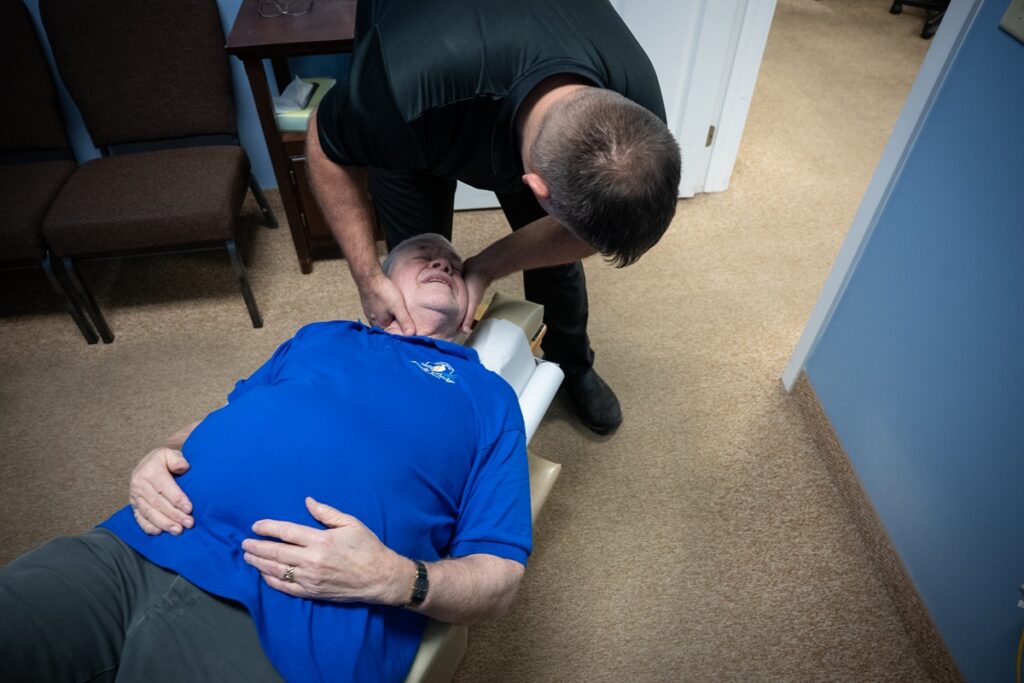
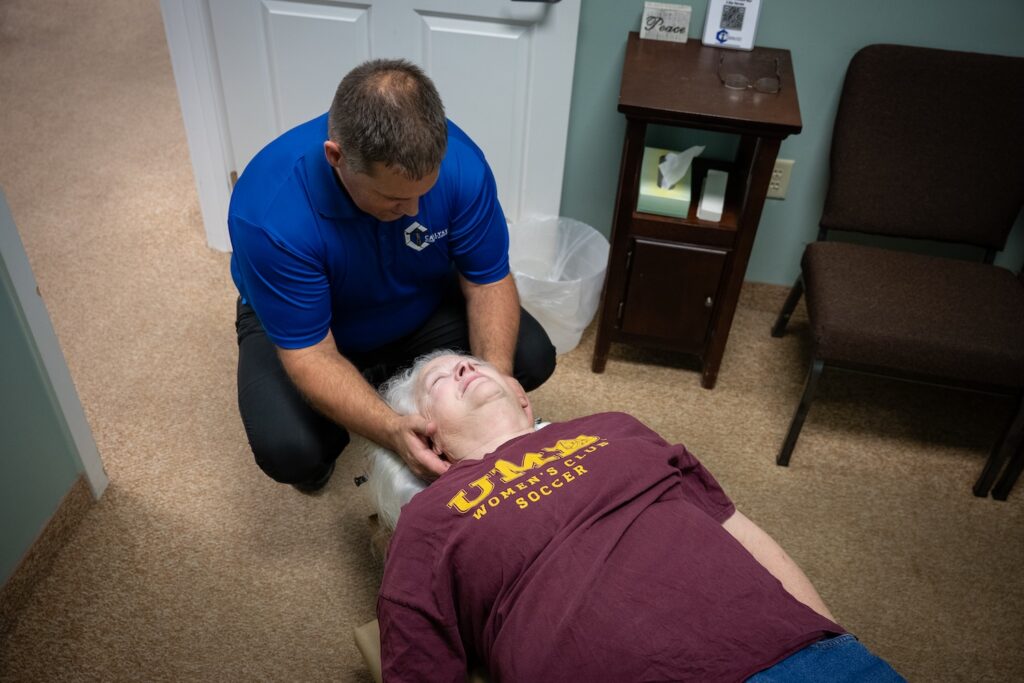

If you’ve ever felt the room spinning for no apparent reason, you know how unsettling that experience can be. For older adults, vertigo is more than just a momentary dizzy spell — it can interfere with daily life, increase the risk of falls, and affect overall confidence and independence. Here in Blaine, MN, Dr. Bob Vaughn and the team at Catalyst Chiropractic And Rehab work with many patients who are navigating this exact challenge. Understanding vertigo, what causes it in older adults specifically, and what can be done about it are the first steps toward feeling more stable and in control.
What Is Vertigo?
Vertigo is the false sensation that you or your surroundings are spinning or moving when nothing is actually in motion. It is not simply “feeling dizzy” — it is a specific type of dizziness that often has a physical cause rooted in the inner ear or the nervous system. In older adults, vertigo tends to occur more frequently and can be more disruptive than in younger populations.
Vertigo in Older Adults: Why Age Matters
Vertigo can affect people of all ages, but it becomes significantly more common as we grow older. The inner ear, which plays a central role in maintaining our sense of balance, undergoes natural changes with age. The sensory hair cells inside the vestibular system — the part of the inner ear responsible for detecting movement and spatial orientation — can become less sensitive over time.
Beyond the inner ear, older adults often experience changes in their cervical spine (the neck region) that can influence balance and spatial awareness. The neck contains a dense network of sensory receptors that send positional information to the brain. When the cervical spine is stiff, misaligned, or degenerating due to arthritis or years of wear, those signals can become distorted. This is sometimes referred to as cervicogenic dizziness, and it is a real and treatable condition.
Additionally, many seniors take multiple medications, some of which list dizziness or vertigo as a side effect. Reduced circulation, blood pressure fluctuations, and changes in vision can all compound the problem. The result is that vertigo in older adults often has a layered, multifactorial nature — and that complexity is exactly why a thorough evaluation matters so much.
Common Causes of Vertigo in Seniors
The most frequently diagnosed cause of vertigo in older adults is Benign Paroxysmal Positional Vertigo, commonly known as BPPV. This condition occurs when tiny calcium carbonate crystals — called otoliths or “ear rocks” — become dislodged from their normal position within the inner ear and migrate into the semicircular canals. When the head moves in certain positions, these crystals send incorrect movement signals to the brain, triggering intense but brief spinning sensations.
BPPV is more common in older adults for a few reasons. The otoliths tend to become less firmly attached with age, making displacement more likely. Even minor head trauma, prolonged bed rest, or simply rolling over in bed can trigger an episode. The good news is that BPPV is one of the most treatable forms of vertigo, often responding well to specific repositioning maneuvers performed by a trained clinician.
Another common cause in older adults is Meniere’s disease, a disorder involving fluid buildup in the inner ear that can cause vertigo, hearing loss, tinnitus (ringing in the ears), and a sensation of fullness in the ear. Vestibular neuritis — inflammation of the vestibular nerve, often following a viral illness — is another culprit that can produce prolonged vertigo episodes. And as mentioned earlier, cervicogenic dizziness stemming from neck dysfunction is increasingly recognized as a significant contributor to balance problems in the senior population.
Signs and Symptoms to Watch For
Vertigo itself is a symptom, but it comes with a collection of accompanying experiences that can help identify what is going on. The most characteristic sign is that sensation of spinning or tilting, which may last anywhere from a few seconds to several minutes or longer depending on the cause. Many people also report nausea, difficulty walking in a straight line, and a tendency to veer to one side.
In older adults especially, vertigo can present more subtly. Rather than dramatic spinning, some seniors describe a persistent feeling of being “off-balance,” foggy, or unsteady on their feet. These vague descriptions can sometimes delay a proper diagnosis, which is why it is important to communicate clearly with your healthcare provider about exactly when symptoms occur, how long they last, and what triggers them.
Eye movement abnormalities are another hallmark. During or after a vertigo episode, a person may experience nystagmus — rapid, involuntary eye movements that a trained clinician can observe and use to help identify the type and source of vertigo. If you notice any sudden hearing changes, facial numbness, double vision, difficulty speaking, or severe headache alongside dizziness, those are red flags that require immediate medical attention, as they may indicate something more serious such as a stroke.
How Chiropractic Care Fits In
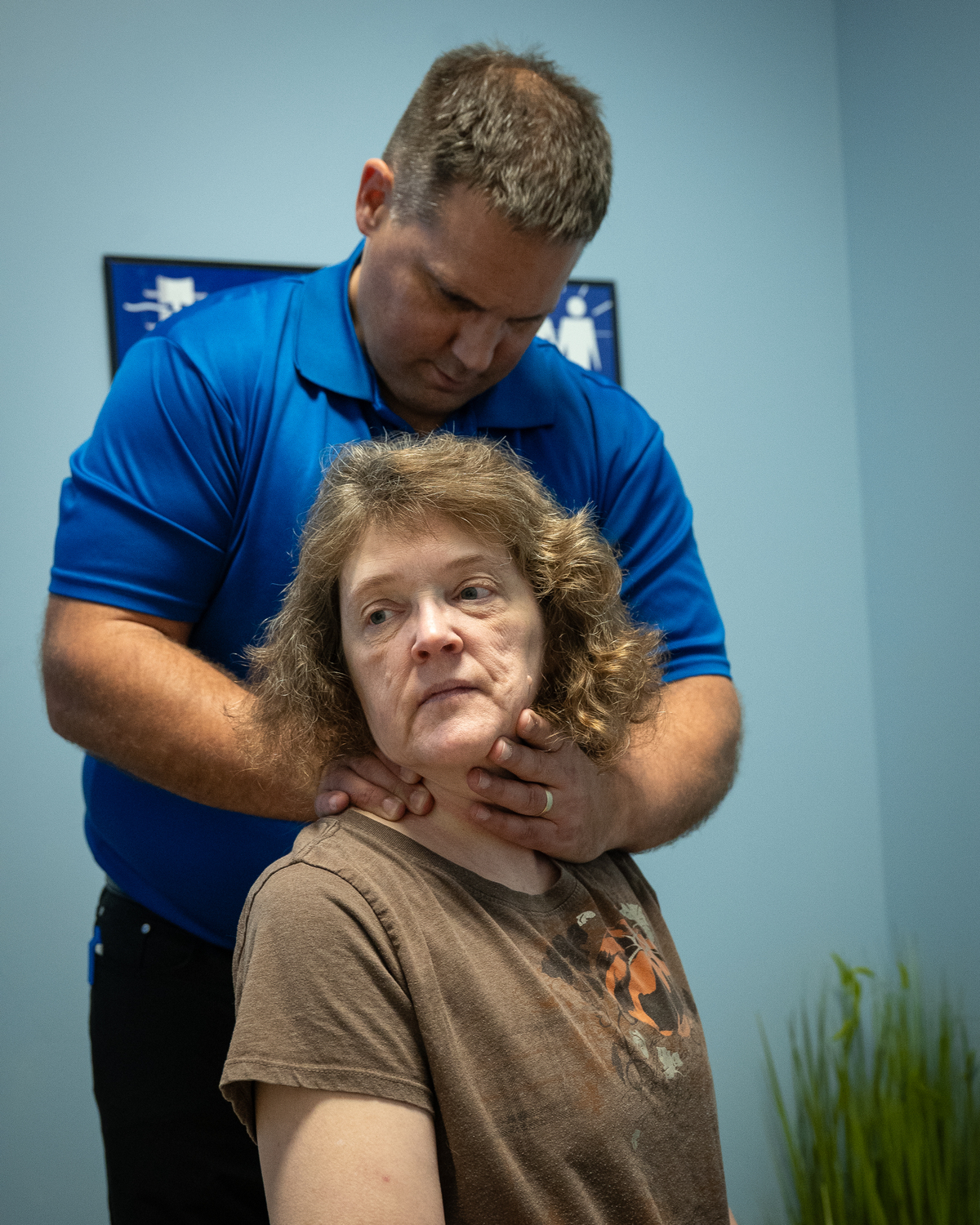
Chiropractic care offers a non-invasive, drug-free approach to vertigo management, particularly when the condition is related to the inner ear or cervical spine dysfunction. At Catalyst Chiropractic And Rehab in Blaine, MN, Dr. Bob Vaughn takes time to understand each patient’s unique presentation before developing a care plan. There is no one-size-fits-all approach — especially when working with older adults whose health picture is often more complex.
For patients with BPPV, one of the most well-established interventions is the Epley maneuver, a series of guided head and body movements designed to reposition the displaced crystals in the inner ear. Research published in reputable journals, including the Cochrane Library, supports the effectiveness of repositioning maneuvers for BPPV. Dr. Bob Vaughn is trained to assess whether this type of maneuver is appropriate and how to perform it safely, especially with older patients who may have neck stiffness or limited mobility.
When cervicogenic dizziness is suspected, chiropractic adjustments aimed at restoring proper motion and alignment to the cervical spine may be helpful. The goal is to reduce joint restriction, improve the quality of sensory signals sent from the neck to the brain, and decrease any associated muscle tension that may be contributing to the problem. Gentle, age-appropriate techniques are used to ensure patient comfort and safety throughout every session.
Vestibular rehabilitation exercises may also be incorporated into care. These are targeted movements designed to help the brain and vestibular system recalibrate and adapt. When delivered consistently and progressively, vestibular rehab has shown promise in reducing dizziness and improving balance in older adults. At Catalyst Chiropractic And Rehab, this type of rehabilitation is approached gradually and with great attention to each patient’s tolerance and goals.
Practical Tips for Managing Vertigo at Home
While professional care is essential for diagnosing and treating vertigo, there are several things older adults can do to support their own safety and recovery between appointments. The most important step is fall prevention. Vertigo significantly increases fall risk, and falls are a leading cause of injury in seniors. Simple modifications like removing loose rugs, installing grab bars in the bathroom, and ensuring good lighting throughout the home can make a meaningful difference.
Moving slowly and deliberately when changing positions — especially when getting out of bed in the morning or standing up from a seated position — can help reduce the frequency and severity of BPPV episodes. Sitting on the edge of the bed for a moment before standing gives your vestibular system a chance to adjust. Staying well hydrated also supports inner ear function and overall circulation.
Gentle neck mobility exercises, when approved by your care provider, may help maintain cervical flexibility and reduce the likelihood of cervicogenic dizziness. Avoiding prolonged positions that strain the neck — like extended screen time with poor posture — is also wise. Dr. Bob Vaughn often reviews these kinds of ergonomic and lifestyle habits with patients at Catalyst Chiropractic And Rehab to help them make small but impactful changes in their daily routines.
When to See a Chiropractor
If you or a loved one in the Blaine, MN area is experiencing recurring dizziness or episodes of spinning that interfere with everyday activities, it is worth scheduling an evaluation. You do not have to be falling or in significant distress to seek care — early assessment can help identify the cause and prevent the condition from worsening.
Chiropractic care may be particularly appropriate when dizziness is triggered by head or neck movements, when you’ve been told you have BPPV, or when you are experiencing neck stiffness or discomfort alongside your balance issues. Dizziness that has persisted for more than a few days without explanation also warrants a professional look.
There are situations where medical referral is necessary before or alongside chiropractic care. If your vertigo is accompanied by sudden hearing loss, severe headache, vision changes, facial drooping, or any signs of neurological involvement, please seek emergency medical care right away. Dr. Bob Vaughn and the team at Catalyst Chiropractic And Rehab take these red flags seriously and will always refer out when the situation calls for it. Your safety comes first.
Vertigo Types at a Glance
Type of Vertigo |
Common Cause |
Typical Duration |
Chiropractic Role |
|---|---|---|---|
|
BPPV |
Displaced inner ear crystals |
Seconds to minutes per episode |
Repositioning maneuvers (e.g., Epley) |
|
Cervicogenic Dizziness |
Cervical spine dysfunction |
Variable; often linked to neck movement |
Cervical adjustments, soft tissue work |
|
Vestibular Neuritis |
Viral inflammation of vestibular nerve |
Days to weeks |
Vestibular rehabilitation exercises |
|
Meniere’s Disease |
Fluid imbalance in the inner ear |
Minutes to hours; episodic |
Supportive care; often co-managed with ENT |
Myths vs. Facts About Vertigo
Myth: Vertigo is just another word for feeling dizzy.
Fact: Vertigo is a specific type of dizziness characterized by a false sense of spinning or movement. Not all dizziness is vertigo. General lightheadedness, for instance, is a different experience with different potential causes. Making this distinction matters because the treatment approaches are quite different.
Myth: Vertigo in older adults is just a normal part of aging that you have to live with.
Fact: While age-related changes do increase vulnerability to vertigo, the condition is not simply something to accept and endure. Many causes of vertigo — especially BPPV and cervicogenic dizziness — are highly treatable. Seeking an evaluation can open the door to real relief and improved quality of life.
Myth: Chiropractic care is not safe for older adults with vertigo.
Fact: When performed by a trained and experienced chiropractor who understands the needs of older patients, chiropractic care can be both safe and effective. Dr. Bob Vaughn uses gentle, age-appropriate techniques and always tailors the approach to each individual’s health status and comfort level.
Myth: If the vertigo goes away on its own, there is nothing to worry about.
Fact: Vertigo that resolves temporarily may return, especially if the underlying cause has not been addressed. BPPV, for example, has a known recurrence rate. Getting a proper assessment — even after symptoms subside — can help prevent future episodes and identify any patterns worth monitoring.
Myth: Only ear doctors can treat vertigo.
Fact: While ear, nose, and throat specialists (ENTs) and audiologists play an important role in certain vertigo conditions, they are not the only professionals qualified to help. Chiropractors trained in vestibular assessment and rehabilitation, like Dr. Bob Vaughn at Catalyst Chiropractic And Rehab, can address specific types of vertigo — particularly BPPV and cervicogenic dizziness — very effectively.
Final Thoughts
Vertigo can be frightening, isolating, and limiting — but it does not have to stay that way. For older adults in Blaine, MN and the surrounding communities, getting a proper assessment is the most empowering step you can take. Understanding what is causing your dizziness makes it possible to create a plan that actually addresses the root of the problem, not just the symptom.
At Catalyst Chiropractic And Rehab, Dr. Bob Vaughn approaches vertigo care with patience, thoroughness, and a genuine commitment to helping each patient feel more confident and stable on their feet. Whether your concern is BPPV, neck-related dizziness, or a combination of factors, the team here is ready to walk through it with you — step by step, at your pace.
You deserve to move through your day without fear of the room spinning. If vertigo has been holding you back, consider reaching out to Catalyst Chiropractic And Rehab in Blaine, MN. Taking that first step toward clarity and stability might be closer than you think.
Frequently Asked Questions
Can a chiropractor really help with vertigo?
Yes, for certain types of vertigo — particularly BPPV and cervicogenic dizziness — chiropractic care can be very helpful. Repositioning maneuvers for BPPV and cervical spine adjustments for neck-related dizziness are both evidence-supported approaches. A proper evaluation helps determine whether chiropractic care is the right fit for your specific situation.
How long does it take to recover from vertigo with chiropractic treatment?
Recovery time varies depending on the type and cause of vertigo. Some patients experience significant relief from BPPV after just one or two repositioning sessions. Others with more complex or chronic presentations may need several weeks of care and vestibular rehabilitation. There is no universal timeline, and Dr. Bob Vaughn sets realistic expectations based on each individual’s needs.
Is BPPV dangerous for older adults?
BPPV itself is not life-threatening, but it significantly increases the risk of falls, which can be very serious for older adults. That is why addressing it promptly matters. With appropriate treatment, most patients see a meaningful reduction in episodes and an improvement in their overall sense of balance and safety.
What is the difference between vertigo and lightheadedness?
Vertigo involves a sensation of spinning or movement — either you feel like you’re moving or the room feels like it’s moving around you. Lightheadedness is more of a faint, floaty, or woozy feeling without that spinning component. Both can affect older adults, but they often have different causes and call for different approaches to care.
Should I see a chiropractor or a medical doctor first for vertigo?
Either is a reasonable starting point. If your symptoms are mild to moderate and you have no red flags (sudden hearing loss, facial weakness, vision changes, or neurological symptoms), a chiropractor trained in vestibular assessment is well-equipped to evaluate you. If red flags are present, urgent medical care should come first. The team at Catalyst Chiropractic And Rehab will always refer appropriately if your condition falls outside chiropractic scope.
Can poor posture contribute to vertigo?
Yes, particularly in the case of cervicogenic dizziness. Forward head posture and chronic neck tension can affect the sensory signals that travel from the cervical spine to the brain, potentially contributing to feelings of dizziness and imbalance. Addressing posture and cervical alignment is often a meaningful part of a comprehensive vertigo care plan.
TL;DR
-
Vertigo in older adults is a specific sensation of spinning that is more common with age due to inner ear changes, cervical spine degeneration, and other factors.
-
The most common cause in seniors is BPPV, which occurs when inner ear crystals become displaced — and it is highly treatable with repositioning maneuvers.
-
Chiropractic care, including vestibular rehab and cervical adjustments, can play an important role in managing vertigo for older adults.
-
Fall prevention, slow positional changes, and staying hydrated are key home strategies for minimizing vertigo’s impact.
-
Dr. Bob Vaughn at Catalyst Chiropractic And Rehab in Blaine, MN provides individualized, age-appropriate care for patients dealing with vertigo and balance challenges.