
If you’ve ever felt a sharp, shooting pain that radiates from your lower back down through your leg, you’re not alone. Sciatic pain affects millions of people each year, disrupting daily activities, limiting mobility, and significantly impacting quality of life. Here in Blaine, MN, we see patients at Catalyst Chiropractic And Rehab who’ve struggled with this debilitating condition, often unsure where to turn for relief. The good news is that chiropractic care offers a conservative, non-invasive approach that addresses the underlying causes of sciatic pain rather than simply masking symptoms. In this article, we’ll explore what sciatic pain really is, how it develops, and how chiropractic adjustments can play a meaningful role in your recovery journey.
What is sciatic pain? Sciatic pain, also called sciatica, occurs when the sciatic nerve—the longest nerve in your body—becomes compressed, irritated, or inflamed. This results in pain that typically starts in the lower back and travels down through the buttock and leg, sometimes reaching all the way to the foot.
Table of Contents
- Understanding the Sciatic Nerve and How Pain Develops
- Common Causes of Sciatic Pain
- Signs and Symptoms You Shouldn’t Ignore
- How Chiropractic Adjustments Address Sciatic Pain
- Practical Self-Care Strategies for Sciatic Relief
- When to See a Chiropractor for Sciatic Pain
- Myths vs. Facts About Sciatica and Chiropractic Care
- Final Thoughts from Catalyst Chiropractic And Rehab
Understanding the Sciatic Nerve and How Pain Develops
The sciatic nerve is formed by five nerve roots that exit the lower spine and converge into a single nerve structure. This thick nerve bundle runs deep through the pelvis, beneath the piriformis muscle, and down the back of each leg. Because of its size and path, the sciatic nerve can be vulnerable to compression or irritation at multiple points along its route.
When pressure is applied to the nerve—whether from a herniated disc, bone spur, muscle tension, or misalignment—it sends pain signals that can range from a dull ache to an electric shock sensation. The body’s natural inflammatory response to this irritation can further aggravate the nerve, creating a cycle that becomes increasingly difficult to break without intervention.
Many patients who visit Catalyst Chiropractic And Rehab in Blaine describe their sciatic pain as life-altering. Simple tasks like sitting at a desk, driving, or bending to pick something up become sources of anxiety and discomfort. Understanding the mechanics behind this pain is the first step toward addressing it effectively.
Common Causes of Sciatic Pain
Sciatic pain doesn’t appear out of nowhere. It typically develops due to specific biomechanical or structural issues in the spine and surrounding tissues. Recognizing these common triggers can help you understand your own situation better and guide treatment decisions.
Herniated or Bulging Discs
One of the most frequent causes of sciatica is a herniated disc in the lumbar spine. The soft, gel-like center of a spinal disc can push through its outer layer, creating a bulge that presses directly on the sciatic nerve root. Research indicates that disc-related sciatica accounts for a significant portion of lower back and leg pain cases.
Spinal Misalignments and Subluxations
When vertebrae in the lower back shift out of proper alignment—what chiropractors call subluxations—they can narrow the spaces where nerves exit the spine. This compression directly affects nerve function and can trigger sciatic symptoms. Over time, these misalignments can also alter your posture and gait, perpetuating the problem.
Piriformis Syndrome
The piriformis muscle sits deep in the buttock region, and the sciatic nerve typically passes beneath or through it. When this muscle becomes tight or spasms, it can compress the nerve, causing symptoms that mimic traditional sciatica. This condition is particularly common among people who sit for extended periods or who have muscle imbalances.
Degenerative Disc Disease and Arthritis
As we age, the discs between our vertebrae naturally lose hydration and height. This degeneration can lead to bone spurs and narrowing of the spinal canal, both of which can irritate the sciatic nerve. Osteoarthritis in the facet joints can contribute to inflammation and nerve compression as well.
Pregnancy
Expectant mothers often experience sciatic pain due to the additional weight, shifting center of gravity, and hormonal changes that loosen ligaments. The growing uterus can also put direct pressure on the sciatic nerve. While pregnancy-related sciatica often resolves after delivery, chiropractic care can provide safe relief during this challenging time.
Signs and Symptoms You Shouldn’t Ignore
Sciatic pain presents differently for each person, but certain hallmark symptoms help distinguish it from other types of back or leg pain. Being able to recognize these signs allows for earlier intervention and better outcomes.
The most characteristic feature is pain that follows the path of the sciatic nerve—starting in the lower back or buttock and radiating down the back or side of the leg. This pain is typically one-sided, though in rare cases both legs may be affected. The sensation can vary from a mild ache to severe, burning, or electric-shock pain that makes movement nearly impossible.
Numbness and tingling are common companions to sciatic pain. You might notice a “pins and needles” feeling in your leg or foot, or areas that feel completely numb to the touch. Some patients at our Blaine clinic describe their leg feeling heavy or “asleep” even after changing positions.
Muscle weakness in the affected leg is another warning sign. You may find it difficult to push off your toes, lift your foot, or maintain balance. This weakness occurs because the compressed nerve can’t properly transmit signals to your leg muscles.
Pain that worsens with certain movements is typical of sciatica. Sitting, coughing, sneezing, or prolonged standing often intensify symptoms, while lying down or walking may provide temporary relief. This pattern helps differentiate sciatic pain from other conditions.
How Chiropractic Adjustments Address Sciatic Pain
Chiropractic care takes a fundamentally different approach to sciatic pain than conventional medical treatments. Rather than relying on medications to mask pain or rushing toward invasive procedures, chiropractors focus on identifying and correcting the underlying mechanical dysfunction causing nerve irritation.
At Catalyst Chiropractic And Rehab, we begin with a comprehensive evaluation that includes your health history, physical examination, orthopedic and neurological testing, and when appropriate, diagnostic imaging review. This thorough assessment helps us pinpoint the exact source of your sciatic pain and develop a targeted treatment plan.
Spinal Adjustments for Proper Alignment
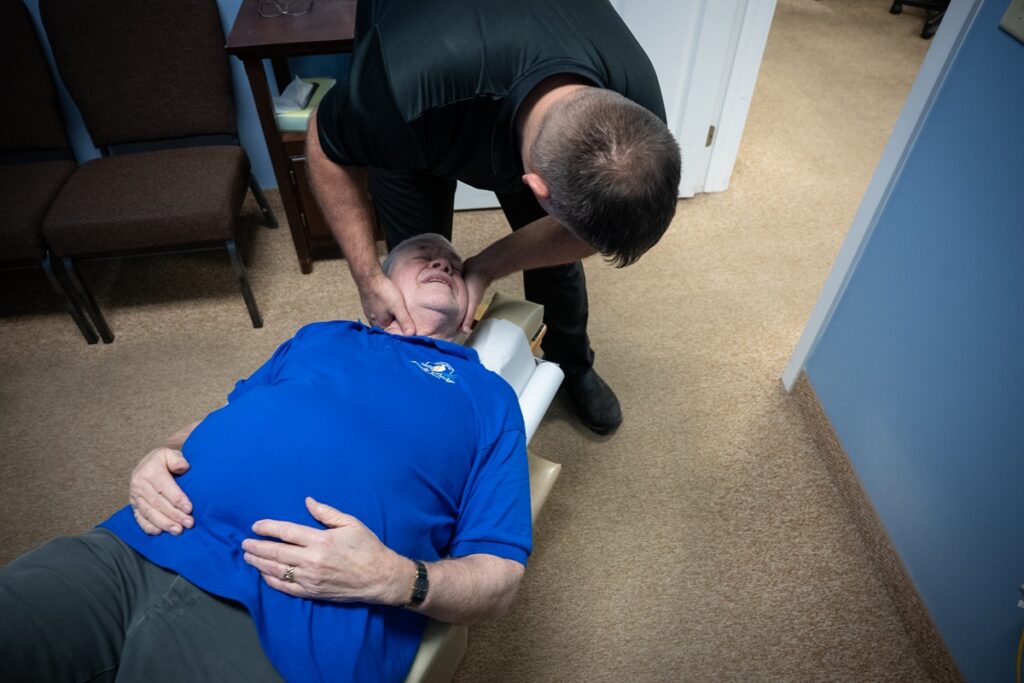
The cornerstone of chiropractic care for sciatica is the spinal adjustment. Using precise, controlled force, chiropractors restore proper motion and alignment to spinal segments that have become restricted or misaligned. Evidence suggests that spinal manipulation can reduce pain and improve function in patients with sciatica, particularly when the condition is related to mechanical dysfunction.
These adjustments reduce pressure on the sciatic nerve by creating more space in the areas where nerve roots exit the spine. They also help restore normal biomechanics, which reduces inflammation and allows your body’s natural healing processes to work more effectively.
Reducing Muscle Tension and Spasm
Chiropractic care extends beyond the spine itself. We often incorporate soft tissue techniques to address muscle tightness that contributes to nerve compression. For instance, releasing tension in the piriformis muscle can provide immediate relief when this muscle is compressing the sciatic nerve. Manual therapy, trigger point work, and instrument-assisted techniques all play a role in comprehensive sciatic pain management.
Improving Joint Mobility
Restricted motion in the lower back, pelvis, or hip joints can alter your movement patterns and place additional stress on the sciatic nerve. Chiropractic adjustments restore proper joint function, allowing your body to move as it was designed to. This improved mobility reduces compensatory patterns that often perpetuate pain cycles.
Individualized Treatment Protocols
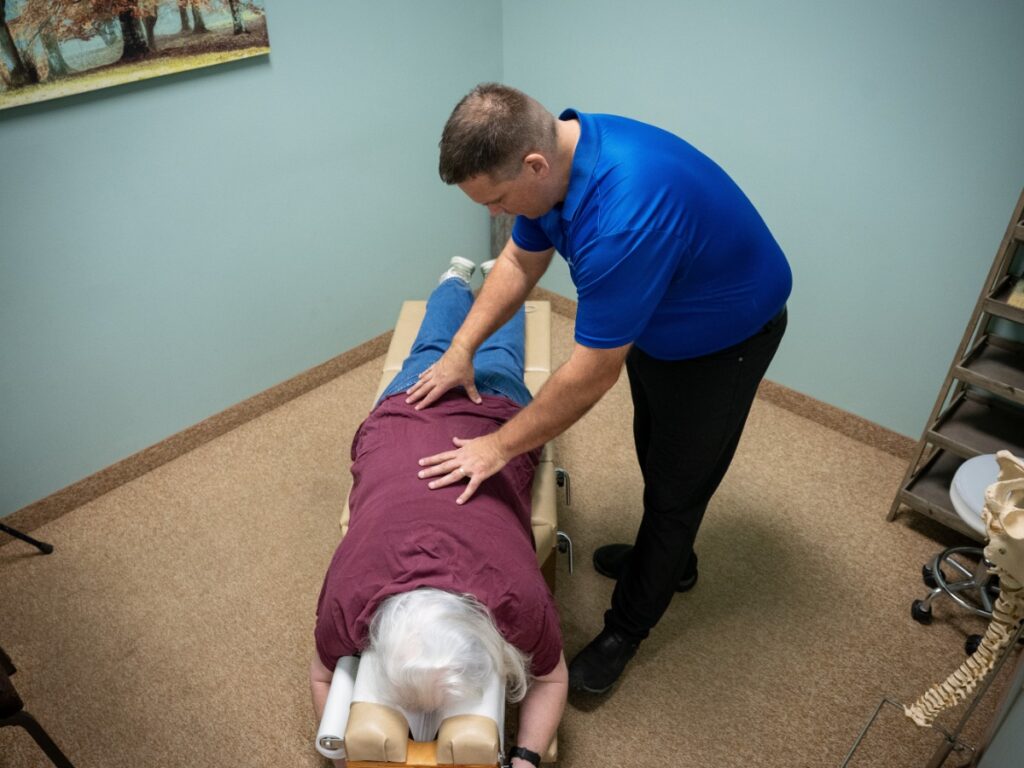
What works for one patient may not work for another. That’s why we develop individualized care plans at our Blaine practice. Some patients respond best to traditional manual adjustments, while others benefit from gentler techniques like flexion-distraction or instrument-assisted adjustments. We continually assess your progress and modify your treatment plan accordingly.
Integrating Rehabilitation Exercises
Adjustments alone are powerful, but combining them with targeted rehabilitation exercises produces the best long-term outcomes. We teach patients specific stretches and strengthening exercises that support spinal health, improve core stability, and prevent future episodes of sciatic pain. This active approach empowers you to take control of your recovery.
Practical Self-Care Strategies for Sciatic Relief
While professional chiropractic care is essential for addressing the root causes of sciatic pain, there are several self-care strategies you can implement at home to support your recovery and manage symptoms between visits.
Practice Proper Posture Throughout the Day
Poor posture places unnecessary stress on your lower spine and can aggravate sciatic symptoms. When sitting, keep both feet flat on the floor, maintain the natural curve in your lower back, and avoid crossing your legs. If you work at a desk, ensure your computer screen is at eye level and your chair provides adequate lumbar support.
Modify Your Sleeping Position
How you sleep matters. Side sleepers should place a pillow between their knees to keep the pelvis neutral and reduce strain on the lower back. Back sleepers benefit from a pillow under the knees. Avoid sleeping on your stomach, as this position can twist the spine and worsen nerve irritation.
Apply Ice and Heat Strategically
Ice can help reduce inflammation and numb acute pain, especially during the first 48 hours of a flare-up. Apply ice for 15-20 minutes several times daily. After the initial inflammatory phase, heat can relax tight muscles and improve blood flow to the area. Some patients find alternating between ice and heat provides the most relief.
Stay Gently Active
Complete bed rest is no longer recommended for sciatica. Research suggests that remaining moderately active promotes faster recovery than prolonged inactivity. Gentle walking, swimming, or water aerobics can maintain blood flow and prevent stiffness without aggravating symptoms. Listen to your body and avoid movements that significantly increase your pain.
Practice Nerve Flossing Exercises
Nerve flossing, or nerve gliding, involves gentle movements that help the sciatic nerve move more freely through surrounding tissues. These exercises can reduce adhesions and improve nerve mobility. However, they should be taught by a qualified professional to ensure you’re performing them correctly without causing additional irritation.
Mind Your Lifting Technique
Improper lifting is a common trigger for sciatic pain episodes. Always bend at your knees rather than your waist, keep the object close to your body, and engage your core muscles. Avoid twisting while carrying heavy items, and don’t hesitate to ask for help with particularly heavy or awkward loads.
When to See a Chiropractor for Sciatic Pain
Knowing when to seek professional care can make the difference between a quick recovery and chronic, ongoing pain. While some mild cases of sciatica resolve on their own within a few weeks, many situations benefit greatly from early chiropractic intervention.
Consider scheduling an appointment at Catalyst Chiropractic And Rehab if your sciatic pain persists beyond a few days without improvement. The longer nerve irritation continues, the more likely it is to become a recurring problem. Early treatment often leads to faster resolution and helps prevent the condition from becoming chronic.
If your pain is severe enough to limit your daily activities—such as difficulty walking, sitting through a work meeting, or performing household tasks—professional care is warranted. Severe pain indicates significant nerve involvement that requires specific attention beyond self-care measures.
Progressive symptoms represent another important indicator. If your pain is worsening over time, spreading to new areas, or accompanied by increasing weakness or numbness, these changes suggest the underlying problem needs to be addressed before permanent nerve damage occurs.
Recurrent episodes of sciatic pain point to an underlying mechanical problem that hasn’t been fully resolved. If you’ve experienced multiple bouts of sciatica, a comprehensive chiropractic evaluation can identify and correct the root cause, breaking the cycle of recurring pain.
Red Flags That Require Immediate Medical Attention
While most cases of sciatica respond well to conservative chiropractic care, certain symptoms require urgent medical evaluation. Seek immediate medical attention if you experience loss of bowel or bladder control, progressive weakness in both legs, numbness in the saddle region (inner thighs and buttocks), or pain following significant trauma. These symptoms may indicate cauda equina syndrome or other serious conditions that require emergency intervention.
| Symptom Pattern | Likely Cause | Appropriate Action |
|---|---|---|
| Sharp pain down one leg after lifting | Disc herniation or acute spinal misalignment | Schedule chiropractic evaluation within 1-3 days |
| Gradual onset with prolonged sitting | Postural stress or piriformis syndrome | Address ergonomics and seek chiropractic care |
| Numbness and weakness progressing over days | Significant nerve compression | Seek prompt chiropractic or medical evaluation |
| Pain with loss of bowel/bladder control | Possible cauda equina syndrome | Seek emergency medical attention immediately |
Myths vs. Facts About Sciatica and Chiropractic Care
Misconceptions about sciatic pain and chiropractic treatment are common. Let’s clear up some of the most persistent myths that may be keeping you from getting the relief you deserve.
Myth: Sciatica Always Requires Surgery
Fact: The vast majority of sciatic pain cases resolve with conservative care. Research indicates that most patients who receive chiropractic treatment, physical therapy, or other non-surgical interventions experience significant improvement. Surgery is typically reserved for severe cases that don’t respond to conservative treatment or involve progressive neurological deficits.
Myth: You Should Rest in Bed Until Sciatica Goes Away
Fact: Prolonged bed rest can actually worsen sciatic pain by causing muscle weakness and stiffness. Evidence suggests that staying moderately active promotes faster recovery. Gentle movement maintains blood flow, prevents muscle atrophy, and keeps joints mobile—all important factors in healing.
Myth: Chiropractic Adjustments Are Dangerous for Sciatica
Fact: When performed by a licensed, trained chiropractor, spinal adjustments are remarkably safe and effective for sciatic pain. Serious complications are extremely rare. Chiropractors are trained to identify contraindications and modify techniques based on each patient’s specific condition and comfort level.
Myth: If You Have a Herniated Disc, Nothing Can Help
Fact: Many people with herniated discs respond very well to chiropractic care. Not all disc herniations require surgery, and conservative approaches can reduce pain, improve function, and allow the body’s natural healing processes to work. Specific techniques like flexion-distraction are designed specifically to address disc-related sciatica.
Myth: Sciatica Only Affects Older Adults
Fact: While age-related degeneration can contribute to sciatica, people of all ages can develop this condition. Here in Blaine, we treat patients ranging from young athletes to active seniors. Poor posture, prolonged sitting, improper lifting, and sports injuries can all trigger sciatic pain regardless of age.
Final Thoughts from Catalyst Chiropractic And Rehab
Living with sciatic pain doesn’t have to be your reality. Here in Blaine, Minnesota, Catalyst Chiropractic And Rehab is committed to helping our community members find lasting relief through evidence-based, patient-centered chiropractic care. We understand how frustrating and debilitating sciatic pain can be, and we’re here to guide you through every step of your recovery journey.
Chiropractic adjustments offer a safe, effective, drug-free approach that addresses the underlying causes of sciatic pain rather than simply covering up symptoms. By restoring proper spinal alignment, reducing nerve irritation, and improving overall biomechanics, chiropractic care helps your body heal naturally while providing meaningful relief.
Remember that every patient’s situation is unique. What works best for you depends on the specific cause of your sciatic pain, your overall health, and your individual goals. That’s why we take the time to thoroughly evaluate each patient and develop personalized treatment plans that fit your needs and lifestyle.
If you’re experiencing sciatic pain, don’t wait for it to become unbearable. Early intervention often leads to faster recovery and helps prevent chronic problems from developing. We invite you to reach out to Catalyst Chiropractic And Rehab to schedule a comprehensive evaluation and take the first step toward a pain-free life. Your journey to relief starts with understanding your condition and exploring the conservative care options available to you right here in Blaine.
Frequently Asked Questions About Sciatic Pain and Chiropractic Care
How long does it take for chiropractic care to relieve sciatic pain?
The timeline varies based on the severity and underlying cause of your sciatica. Some patients experience noticeable improvement within the first few visits, while others with chronic or more complex cases may require several weeks of consistent care. Most patients see meaningful progress within 4-6 weeks of beginning treatment.
Is chiropractic care safe if I have a herniated disc?
Yes, chiropractic care can be very safe and effective for disc-related sciatica. Chiropractors use specific techniques designed to reduce disc pressure and nerve irritation without causing harm. We carefully evaluate each patient to determine the most appropriate treatment approach and modify techniques as needed for your comfort and safety.
Will I need X-rays or MRI scans before starting chiropractic treatment?
Not always. Many cases of sciatica can be diagnosed through a thorough clinical examination. However, if your history or symptoms suggest a more complex condition, or if you’re not responding as expected to initial care, diagnostic imaging may be recommended to better understand the underlying problem and guide treatment decisions.
Can chiropractic care prevent sciatica from coming back?
While no treatment can guarantee prevention, chiropractic care addresses the underlying mechanical dysfunctions that contribute to sciatic pain. By maintaining proper spinal alignment, improving posture, and strengthening supportive muscles through recommended exercises, you significantly reduce your risk of future episodes. Many patients continue with periodic maintenance care to support long-term spinal health.
What’s the difference between sciatica and general lower back pain?
Lower back pain typically stays localized in the lumbar region, while sciatica involves nerve pain that radiates down the leg, often below the knee. Sciatica may include numbness, tingling, or weakness along the nerve pathway, whereas general back pain usually doesn’t involve these neurological symptoms. The distinction is important because it guides treatment approach.
Should I continue my regular activities while receiving chiropractic care for sciatica?
We generally encourage patients to remain active within their pain tolerance. Gentle activities like walking are beneficial, while you should avoid movements that significantly worsen your symptoms. Your chiropractor will provide specific activity guidelines based on your condition, and these recommendations may change as you progress through treatment.
TL;DR: Key Takeaways About Chiropractic Care for Sciatic Pain
- Sciatic pain occurs when the sciatic nerve becomes compressed or irritated, causing pain that radiates from the lower back down through the leg, often accompanied by numbness, tingling, or weakness.
- Common causes include herniated discs, spinal misalignments, piriformis syndrome, degenerative changes, and postural stress—all of which can be addressed through chiropractic care.
- Chiropractic adjustments reduce nerve pressure by restoring proper spinal alignment, improving joint mobility, and releasing muscle tension that contributes to nerve irritation.
- Most cases of sciatica respond well to conservative chiropractic care without the need for surgery or long-term medication use, especially when treatment begins early.
- Supporting your professional care with proper posture, appropriate activity levels, and targeted self-care strategies helps speed recovery and prevents recurrence of sciatic pain.