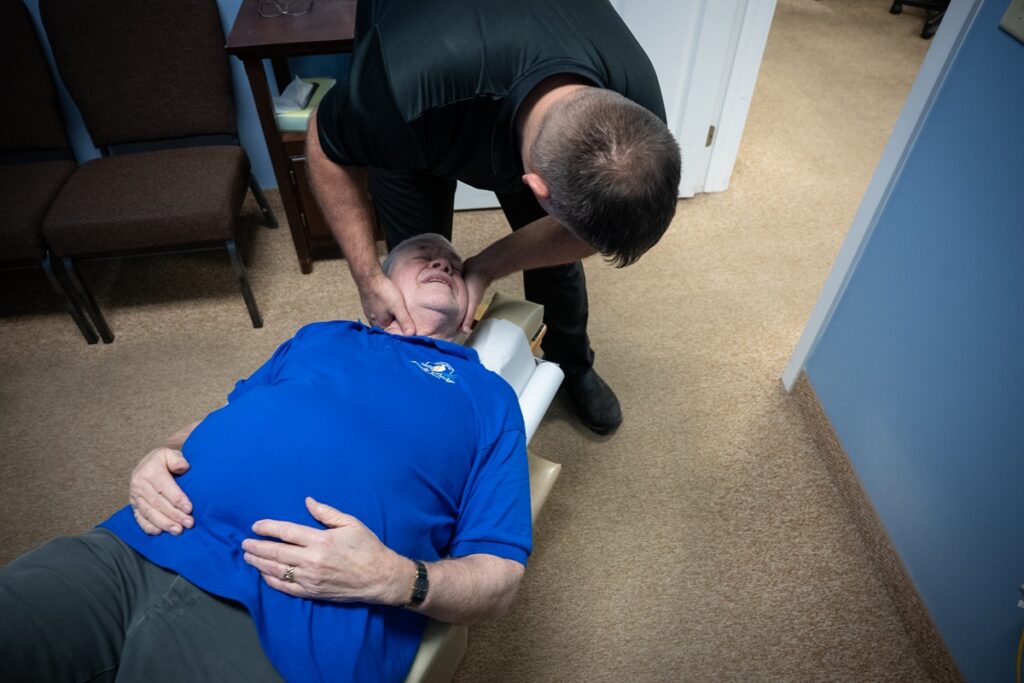


If you’ve ever felt that familiar burning, tingling, or numbness radiating through your wrist and fingers, you know just how disruptive it can be. Carpal tunnel syndrome affects millions of people — desk workers, tradespeople, musicians, parents — and it doesn’t discriminate. Here in Blaine, MN, many patients come through the doors of Catalyst Chiropractic And Rehab frustrated by symptoms that have crept up slowly and now interfere with everyday life. The good news is that you don’t have to immediately reach for surgery or rely on medications to find relief. Chiropractic care offers a non-invasive, drug-free path forward that addresses the root causes of your discomfort rather than just masking the symptoms.
What Is Carpal Tunnel Syndrome?
Carpal tunnel syndrome (CTS) is a condition caused by compression of the median nerve as it passes through a narrow passageway in the wrist called the carpal tunnel. This compression leads to pain, tingling, numbness, and weakness in the hand and fingers. It is one of the most common peripheral nerve entrapment conditions in the body and, when addressed early, responds well to conservative care.
Common Causes and Risk Factors
Understanding why carpal tunnel syndrome develops is the first step toward managing it well. The carpal tunnel itself is a rigid, narrow channel formed by the wrist bones and a thick band of connective tissue called the transverse carpal ligament. When anything causes the contents of that tunnel — tendons, connective tissue, or fluid — to swell or shift, it puts pressure on the median nerve running through it.
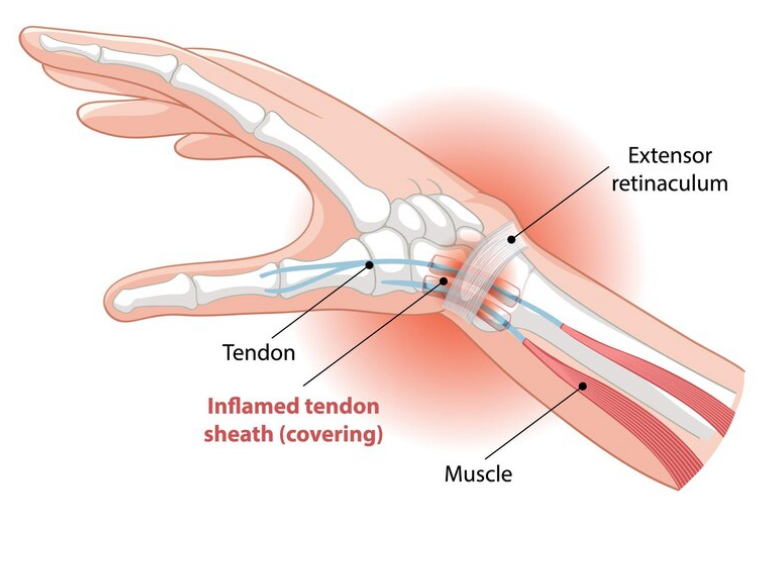
Repetitive hand and wrist movements are among the most well-recognized contributors. Typing, using a mouse, assembly line work, playing an instrument, and using vibrating hand tools over long periods can all irritate the tendons that share the carpal tunnel with the median nerve. Over time, this irritation leads to inflammation and swelling that narrows the already tight space available to that nerve.
Beyond repetitive motion, there are several other factors that can increase your risk. Poor wrist positioning — like resting your wrists flat on a desk while typing with bent wrists — places sustained mechanical stress on the tunnel. Underlying health conditions such as thyroid disorders, diabetes, rheumatoid arthritis, and pregnancy-related fluid retention have all been associated with a higher likelihood of developing CTS. Additionally, anatomical differences in wrist structure can make some people simply more susceptible than others.
What many people don’t realize is that the problem doesn’t always begin in the wrist alone. Nerve dysfunction can be influenced by tension or irritation anywhere along the median nerve’s path — including the neck, shoulder, and elbow. This is sometimes called a “double crush” phenomenon, where the nerve is compromised at more than one location. At Catalyst Chiropractic And Rehab, Dr. Bob Vaughn takes a whole-body approach to evaluating where nerve stress may be originating.
Signs and Symptoms to Watch For
Carpal tunnel syndrome often begins subtly and progresses gradually. The most commonly reported early symptoms include a tingling or “pins and needles” sensation in the thumb, index finger, middle finger, and part of the ring finger — the specific fingers served by the median nerve. Many people notice this sensation most strongly at night or early in the morning, often waking up to find their hand feeling asleep.
As the condition progresses, symptoms can evolve. The tingling may give way to more persistent numbness, and some individuals begin to notice a dull ache in the wrist or even radiating up into the forearm. Grip strength often decreases, making simple tasks like opening jars, buttoning shirts, or holding a phone increasingly difficult. Dropping objects unexpectedly is another sign that the motor fibers of the median nerve are being affected.
A key distinguishing detail of carpal tunnel syndrome is that the pinky finger is typically not involved, because a different nerve — the ulnar nerve — serves that finger. If your symptoms include the pinky, the diagnosis may be something different, which is exactly why a proper evaluation matters. Dr. Bob Vaughn and the team at Catalyst Chiropractic And Rehab in Blaine, MN conduct thorough assessments to make sure the right structures are being addressed.
How Chiropractic Care Fits In
When most people think of chiropractic care, they think of back and neck adjustments. And while spinal care is certainly a cornerstone of what chiropractors do, modern chiropractic practice extends well beyond that. Chiropractic care for carpal tunnel syndrome is a legitimate, evidence-informed approach that addresses both the local compression at the wrist and the broader biomechanical contributors that may be aggravating your symptoms.
Research published in peer-reviewed journals, including work referenced by the National Center for Complementary and Integrative Health (NCCIH), suggests that conservative care — including manual therapy and soft tissue techniques — may provide meaningful relief for mild to moderate carpal tunnel syndrome. While the evidence base continues to grow, the appeal of a non-surgical, drug-free first-line option is significant for many patients.
At Catalyst Chiropractic And Rehab, chiropractic care for carpal tunnel typically involves a combination of approaches tailored to your specific presentation. Joint manipulation or mobilization of the wrist, hand, and forearm bones can help restore proper mechanics and reduce pressure on the median nerve. Soft tissue therapies targeting the muscles of the forearm and hand can relieve tension that contributes to nerve compression. And because the median nerve originates from nerve roots in the cervical spine, Dr. Bob Vaughn also evaluates and addresses spinal alignment in the neck when relevant.
Rehabilitative exercises are another important piece of the puzzle. Nerve gliding and tendon gliding exercises are well-supported techniques that help improve the mobility of the median nerve through the carpal tunnel, reducing adhesions and improving circulation around the nerve. These are often taught as part of a home care program so patients in Blaine, MN can continue making progress between visits.
It’s also worth noting what chiropractic care is not. It is not a guaranteed cure, and it is not appropriate for every presentation of carpal tunnel syndrome. Severe cases with significant nerve damage or muscle wasting may ultimately require surgical consultation. The goal at Catalyst Chiropractic And Rehab is always to be honest with you about what conservative care can and cannot accomplish — and to refer appropriately when needed.
Practical Tips for Relief at Home
While professional care provides the foundation for recovery, there are several things you can do on your own to support the healing process and reduce daily aggravation of your symptoms. These strategies work best as complements to — not replacements for — a proper evaluation and individualized care plan.
Pay close attention to your wrist position throughout the day. The wrist should ideally be kept in a neutral, straight position during activities like typing or mouse use. Avoid sustained postures where the wrist is sharply bent forward or backward, as both extremes increase pressure within the carpal tunnel. An ergonomic keyboard setup, a cushioned wrist rest, and a properly positioned mouse can make a meaningful difference over time.
Taking microbreaks is another underrated but effective habit. If your work involves repetitive hand and wrist use, briefly stopping every 30 to 45 minutes to gently stretch and shake out your hands gives the tissues inside the carpal tunnel a chance to decompress. Gentle nerve gliding exercises — where you slowly extend the arm and wrist in a controlled sequence — can also be incorporated, though it’s best to learn proper technique from a professional before attempting them on your own.
Sleep position can also influence your symptoms significantly. Many people unconsciously curl their wrists tightly while sleeping, which sustains pressure on the median nerve throughout the night. Wearing a neutral-position wrist splint while sleeping can reduce nighttime symptoms for many patients. This is a commonly recommended adjunct and is worth discussing with Dr. Bob Vaughn at your next visit to Catalyst Chiropractic And Rehab.
When to See a Chiropractor
Knowing when to seek professional help is important — both to avoid letting the condition worsen unnecessarily and to make sure more serious causes aren’t being overlooked. Generally speaking, if you’ve been experiencing wrist tingling, numbness, or hand weakness that has persisted for more than two to four weeks, it’s a good idea to get an evaluation.
Earlier is typically better. The longer a nerve remains compressed, the greater the potential for cumulative damage, and the harder it can be to achieve full resolution with conservative care alone. Catching and addressing carpal tunnel syndrome in its early or moderate stages gives chiropractic care the best opportunity to make a meaningful impact.
However, there are certain red flags that should prompt you to seek medical attention promptly rather than simply scheduling a chiropractic visit. These include sudden or severe loss of grip strength, signs of infection around the wrist, symptoms that appeared immediately following a traumatic injury, or any unexplained muscle wasting in the hand. These presentations warrant prompt medical evaluation to rule out more urgent conditions.
Treatment Approaches Compared
|
Approach |
Invasiveness |
Primary Goal |
Best For |
Considerations |
|---|---|---|---|---|
|
Chiropractic Care |
Non-invasive |
Restore mechanics, reduce nerve compression |
Mild to moderate CTS |
May require multiple visits; whole-body assessment included |
|
Wrist Splinting |
Non-invasive |
Maintain neutral position, reduce nighttime symptoms |
Mild CTS, especially overnight |
Supportive only; does not address underlying cause |
|
Corticosteroid Injections |
Minimally invasive |
Reduce inflammation and swelling |
Moderate CTS, short-term relief |
Temporary benefit; repeated use not advised |
|
Surgical Release |
Invasive |
Physically enlarge the carpal tunnel |
Severe or persistent CTS unresponsive to conservative care |
Recovery time required; generally effective for severe cases |
|
NSAIDs / Pain Medication |
Non-invasive |
Manage pain and inflammation |
Symptom management |
Does not address structural cause; potential long-term side effects |
Myths vs. Facts About Carpal Tunnel Syndrome
Myth: Carpal tunnel syndrome only affects people who type all day.
Fact: While keyboard use is a well-known risk factor, carpal tunnel syndrome affects a wide range of people — from construction workers and musicians to pregnant women and individuals with metabolic conditions like hypothyroidism or diabetes. Occupation is just one piece of a much larger picture.
Myth: Surgery is the only real solution for carpal tunnel.
Fact: Surgery is sometimes necessary for severe or long-standing cases, but many people with mild to moderate carpal tunnel syndrome respond well to conservative care. Evidence indicates that approaches like manual therapy, nerve gliding exercises, and ergonomic modification can provide meaningful relief without going under the knife.
Myth: Chiropractic care is just for back pain and can’t help with wrist problems.
Fact: Chiropractic care addresses the musculoskeletal and nervous system as a whole. Chiropractors are trained to evaluate and treat conditions affecting the extremities, including the wrist and hand. At Catalyst Chiropractic And Rehab, Dr. Bob Vaughn routinely assesses not just the wrist but the entire upper extremity and cervical spine to get a complete picture.
Myth: If I just ignore it, carpal tunnel syndrome will go away on its own.
Fact: In some mild cases triggered by temporary factors like pregnancy, symptoms may resolve as the underlying condition changes. But for most people, untreated carpal tunnel syndrome tends to worsen over time. Persistent nerve compression can lead to cumulative damage, which is why early evaluation and intervention matter.
Myth: Wrist pain always means carpal tunnel syndrome.
Fact: There are several conditions that can mimic CTS, including De Quervain’s tenosynovitis, ulnar nerve entrapment, thoracic outlet syndrome, and cervical radiculopathy. An accurate diagnosis is essential before starting any treatment plan — this is exactly the kind of assessment that a chiropractic evaluation is designed to provide.
Final Thoughts
Living with the tingling, numbness, and hand weakness of carpal tunnel syndrome is genuinely frustrating — and it can make you feel like your hands, which you rely on for nearly everything, are working against you. But you have more options than you might think, and the journey from pain to progress doesn’t have to involve surgery or a lifetime of medication.
Here in Blaine, MN, the team at Catalyst Chiropractic And Rehab is dedicated to helping patients understand what’s happening in their bodies and guiding them toward real, sustainable relief. Dr. Bob Vaughn takes the time to listen, evaluate thoroughly, and build a care plan that’s specific to you — not a one-size-fits-all template. Whether you’re in the early stages of noticing wrist symptoms or you’ve been struggling for months, it’s never the wrong time to seek a professional opinion.
If you’ve been searching for a chiropractor near you in the Blaine area who understands carpal tunnel syndrome and takes a whole-body approach to care, we’d love to be a resource for you. Your hands do a lot for you every single day — they deserve the same kind of attention in return.
Frequently Asked Questions
Can a chiropractor actually treat carpal tunnel syndrome?
Yes — chiropractors can evaluate and provide conservative care for carpal tunnel syndrome, including joint mobilization, soft tissue therapy, nerve gliding techniques, and rehabilitation exercises. Research suggests that these approaches may be effective for mild to moderate cases. A thorough assessment helps determine whether chiropractic care is a good fit for your specific situation.
How many chiropractic visits does it typically take to see improvement?
The number of visits varies depending on how long symptoms have been present, their severity, and individual factors. Some patients notice improvement within a few weeks; others with more chronic presentations may require a longer course of care. Dr. Bob Vaughn will give you a realistic expectation based on your evaluation findings.
Is carpal tunnel syndrome the same as tendinitis?
No — these are distinct conditions. Carpal tunnel syndrome involves compression of the median nerve, while tendinitis refers to inflammation of a tendon. They can occur at the same time or produce overlapping symptoms, which is one reason why a proper evaluation is so important before starting treatment.
Will I need to stop working while being treated for carpal tunnel?
Most people continue working during conservative treatment, though modifications to your workstation or activities may be recommended. Ergonomic adjustments and activity pacing are often incorporated into the care plan to reduce daily irritation while healing progresses.
Can carpal tunnel syndrome come back after treatment?
It can, particularly if the underlying contributing factors — such as poor ergonomics, repetitive motions, or a health condition — aren’t addressed. Part of a comprehensive care approach includes educating patients on long-term strategies to reduce recurrence risk. Catalyst Chiropractic And Rehab emphasizes sustainable habits alongside hands-on treatment.
Is chiropractic care safe for carpal tunnel syndrome?
Chiropractic care for carpal tunnel syndrome is generally considered safe when performed by a licensed chiropractor following a proper assessment. As with any form of care, individual factors matter, which is why a thorough evaluation comes before any treatment begins. If conservative care isn’t appropriate for your case, you’ll be referred to the right provider.
TL;DR Summary
-
Carpal tunnel syndrome is caused by compression of the median nerve at the wrist, leading to tingling, numbness, and hand weakness — and it often has contributing factors beyond just the wrist itself.
-
Chiropractic care offers a non-invasive, drug-free approach that addresses wrist mechanics, soft tissue tension, nerve mobility, and spinal health as part of a whole-body assessment.
-
Ergonomic habits, neutral wrist positioning, microbreaks, and proper sleep positioning can all support recovery alongside professional care.
-
Early intervention generally leads to better outcomes — if symptoms have lasted more than a few weeks, it’s worth getting evaluated sooner rather than later.
-
At Catalyst Chiropractic And Rehab in Blaine, MN, Dr. Bob Vaughn provides individualized care designed to get to the root of your symptoms and help you move forward with confidence.