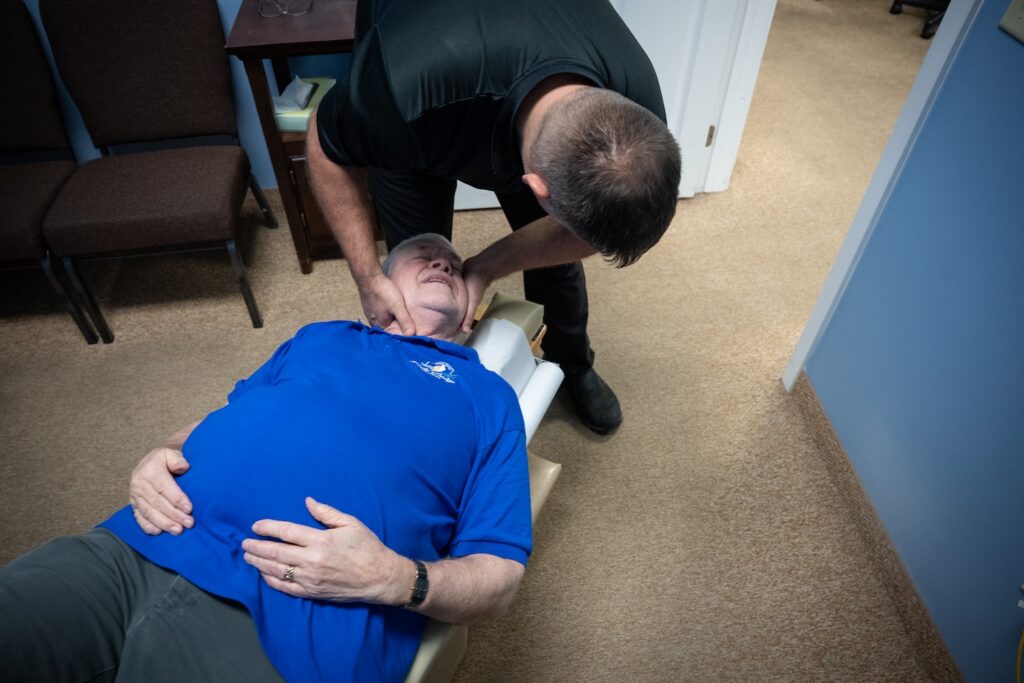

Chronic tension headaches can be incredibly challenging, disrupting your daily activities and overall quality of life. As a chiropractor, I believe that understanding and managing your specific triggers is key to finding relief. Additionally, integrating healthy habits into your routine can make a significant difference. Simple practices, such as stretching and staying hydrated, can alleviate discomfort and promote overall wellness.
So, what are some effective strategies to combat those persistent headaches? Let’s dive into some actionable tips that can help you feel better and position chiropractic care as a natural and effective solution for your health needs.
- Regular Chiropractic Adjustments: Visiting a chiropractor can help realign your spine, reduce tension in your muscles, and relieve pressure on nerves. This holistic approach addresses the root cause of headaches rather than just masking the symptoms.
- Stretching and Exercise: Incorporate gentle stretching into your daily routine. Simple neck and shoulder stretches can relieve tension. Regular exercise, such as walking or yoga, can also promote better posture and reduce stress.
- Stay Hydrated: Dehydration can be a common trigger for headaches. Aim to drink plenty of water throughout the day to keep your body well-hydrated.
- Practice Good Posture: Be mindful of your posture, especially when sitting for long periods. Use ergonomic furniture and take breaks to stand and stretch, which can help prevent tension from building up in your neck and shoulders.
- Manage Stress: Stress is a significant contributor to tension headaches. Consider incorporating relaxation techniques such as deep breathing, meditation, or mindfulness into your routine to help manage stress levels.
- Limit Caffeine and Alcohol: Both caffeine and alcohol can contribute to dehydration and headaches. Moderation is key, so try to limit your intake of these substances.
- Sleep Hygiene: Ensure you’re getting enough restful sleep. Establish a consistent sleep schedule and create a calming bedtime routine to improve your sleep quality.
- Massage Therapy: Regular massages can help relieve muscle tension in the neck and shoulders, which can reduce the frequency and intensity of headaches.
- Warm Compresses: Applying a warm compress to your neck or shoulders can help relax tight muscles and alleviate discomfort.
- Stay Informed: Educate yourself about your body and the potential triggers for your headaches. Keeping a headache diary can help you identify patterns and discuss them with your chiropractor for a more tailored treatment plan.
By making these adjustments and embracing chiropractic care, you can take control of your health and find relief from chronic tension headaches. Remember, the journey to wellness is a partnership, and I’m here to support you every step of the way.
Key Takeaways
- Consider keeping a headache diary to pinpoint triggers and patterns related to your chronic tension headaches. This can empower you to understand your body better and seek chiropractic care tailored to your specific needs.
- Regular stretching and exercise are essential for relieving muscle tension and promoting overall well-being. Incorporating chiropractic adjustments can further enhance your physical health, ensuring your spine is aligned and your body functions optimally.
- Establishing a consistent sleep routine is crucial for quality rest. Proper spinal alignment through chiropractic care can improve your sleep quality, thereby reducing the frequency and intensity of your headaches.
- Staying well-hydrated is vital for overall health. Drinking plenty of water and including water-rich foods in your diet can support your body’s natural healing processes. A well-hydrated body is less prone to headaches, and chiropractic care can help ensure your body is functioning at its best.
- Utilize relaxation techniques like mindfulness and meditation to manage stress and tension. Chiropractic care complements these practices by addressing physical stressors in the body, allowing your mind to relax more effectively. By focusing on both mental and physical wellness, you can achieve a holistic approach to headache relief.
Identify and Manage Triggers
How can you effectively identify and manage your tension headache triggers? A great starting point is to keep a headache diary. This simple tool allows you to note when your headaches occur, their intensity, and any activities or foods that might lead to them. By tracking these details, you’ll start to notice patterns and pinpoint potential triggers. Common culprits include stress, poor posture, dehydration, and skipped meals.
Once you’ve identified your triggers, you can take proactive steps to manage them naturally. For instance, if you notice stress is a common factor, consider incorporating relaxation techniques such as deep breathing exercises or meditation into your daily routine.
If dehydration seems to be an issue, make a habit of drinking plenty of water throughout the day to keep your body well-hydrated.
Don’t overlook your work environment; an uncomfortable chair or excessive screen glare can contribute to tension headaches. Adjusting your workspace to promote better posture and comfort can make a significant difference.
As a chiropractor, I encourage you to explore how spinal health plays a crucial role in your overall well-being. Regular chiropractic adjustments can help alleviate tension in your spine and neck, which may reduce the frequency and intensity of your headaches.
Practice Regular Stretching and Exercise
To help alleviate chronic tension headaches, it’s essential to incorporate daily stretches into your routine. As a chiropractor, I always emphasize that regular physical activity not only enhances your overall health but also plays a crucial role in reducing muscle tension. By staying active and engaging in gentle stretches, you can effectively manage and even prevent headaches from occurring.
Chiropractic care is a fantastic way to address the root causes of tension headaches, as it focuses on spinal alignment and overall wellness. When your spine is aligned, it can help relieve pressure on the nerves that may contribute to headaches. Additionally, regular chiropractic adjustments can improve your posture and reduce muscle tension, which are both key factors in headache prevention.
Here are some simple tips to incorporate into your daily routine:
- Stretch It Out: Spend a few minutes each day doing neck and shoulder stretches. Gently tilting your head from side to side and rolling your shoulders can relieve built-up tension.
- Stay Active: Aim for at least 30 minutes of physical activity most days of the week. Whether it’s walking, yoga, or light jogging, staying active can significantly reduce stress levels.
- Mind Your Posture: Be mindful of your posture, especially if you sit for long periods. Make sure your workstation is ergonomically set up and take breaks to stretch and move around.
- Stay Hydrated: Dehydration can lead to headaches, so make sure you’re drinking plenty of water throughout the day.
- Chiropractic Care: Regular visits to your chiropractor can help maintain spinal health and prevent headaches from becoming a recurring issue.
By incorporating these practices into your life and prioritizing chiropractic care, you can take proactive steps toward better health and wellness.
Incorporate Daily Stretches
Incorporating daily stretches into your routine can be a powerful way to alleviate chronic tension headaches and support your overall spinal health. By focusing on specific muscle groups, you can release built-up tension, improve circulation, and enhance your body’s natural healing abilities.
Start with gentle neck stretches; simply tilt your head side to side and forward to help relieve tightness. This not only eases discomfort but also promotes better alignment of the spine. Don’t forget your shoulders—rolling them back and forth can significantly reduce stiffness and tension that often leads to headaches.
Incorporate upper back stretches by clasping your hands and reaching out in front of you. This helps open up the chest and release tension in the upper body, which is crucial for maintaining good posture. These simple movements can be easily integrated into your day, especially during breaks from work or daily activities.
Aim for at least 10 minutes of stretching every day. You’ll not only feel more relaxed, but you’ll also enhance your overall flexibility and posture. This is important because proper alignment and a healthy spine can contribute to reducing the frequency and intensity of headaches.
Remember, chiropractic care is an excellent complement to these stretching routines. A chiropractor can provide personalized adjustments to ensure your spine is aligned and functioning optimally, further supporting your body’s natural ability to heal.
Engage in Regular Activity
Engaging in regular activity is crucial for managing chronic tension headaches, and as a chiropractor, I can’t emphasize enough how beneficial physical movement is for your overall well-being. Exercise helps reduce muscle tightness and improves blood circulation, which can alleviate headache symptoms. Aim for at least 30 minutes of moderate exercise most days of the week. Simple activities like walking, swimming, or practicing yoga can make a significant difference in how you feel.
These forms of exercise not only boost your body’s natural pain-relieving chemicals called endorphins but also help you relax, which is essential for headache relief. Additionally, incorporating stretching before and after your workouts can enhance flexibility and prevent tension from building up in the muscles.
If you’re new to exercise, it’s important to start slowly and gradually increase the intensity. Always listen to your body; if something doesn’t feel right, don’t hesitate to modify your routine.
Remember, chiropractic care can also play a vital role in enhancing your physical activity. Regular adjustments can help align your spine, improve your posture, and reduce muscle tension, all of which contribute to fewer headaches.
Maintain Proper Posture
Maintaining proper posture is crucial for preventing chronic tension headaches, as misalignment can put unnecessary strain on your neck and shoulder muscles. As a chiropractor, I emphasize the importance of good posture in achieving optimal health and wellness. When you sit or stand, be mindful of keeping your back straight, shoulders relaxed, and head in line with your spine. This simple adjustment can significantly reduce the tension that accumulates in your upper body.
Here’s a quick reference table to help you remember key posture tips:
| Posture Aspect | Correct Position | Common Mistake |
|---|---|---|
| Head Position | Aligned with shoulders | Jutted forward |
| Shoulder Position | Relaxed and down | Tensed and raised |
| Back Position | Straight, with a slight curve | Slouched or overly arched |
| Feet Position | Flat on the floor, shoulder-width | Crossed or tucked under |
Utilize Relaxation Techniques
While chronic tension headaches can be debilitating, incorporating relaxation techniques into your daily routine can significantly alleviate their frequency and intensity. As a chiropractor, I emphasize the importance of natural healing methods, and these techniques can complement your chiropractic care for optimal health.
Begin with deep breathing exercises, which are incredibly simple yet effective. Inhale slowly through your nose, allowing your abdomen to expand, and then exhale gently through your mouth. This practice not only calms your mind but also helps relieve muscle tension, creating a sense of relaxation.
Another beneficial technique is progressive muscle relaxation. Simply tense each muscle group for a few seconds and then release. This method enhances your awareness of physical tension and promotes relaxation throughout your entire body, making it a great addition to your wellness routine.
Meditation is also a powerful tool for managing stress and tension. Spend a few minutes each day focusing on your breath or visualizing a peaceful scene. There are many apps and guided sessions available that can help you stay consistent with this practice, ultimately supporting your journey to better health.
Incorporating gentle yoga or stretching into your daily activities can also provide relief. These movements not only help release tension but also improve flexibility, which is essential for maintaining a healthy spine.
By integrating these relaxation techniques with regular chiropractic adjustments, you can achieve a more balanced and pain-free life.
Stay Hydrated
Staying hydrated is crucial for maintaining overall health and can play a significant role in reducing the occurrence and intensity of chronic tension headaches.
As a chiropractor, I want to emphasize that proper hydration not only supports your body’s functions but can also enhance the effectiveness of chiropractic care by relieving tension and promoting overall wellness.
Here are some straightforward tips to help you stay hydrated throughout your day:
- Drink Water Regularly: Aim for at least eight 8-ounce glasses of water daily. Keeping a refillable water bottle with you serves as a great reminder to sip water throughout the day, which can help alleviate tension in your body.
- Eat Water-Rich Foods: Incorporate water-rich fruits and vegetables into your meals. Options like cucumbers, oranges, and watermelon can add extra hydration while also providing essential vitamins and minerals that support spinal health.
- Limit Caffeine and Alcohol: Both caffeine and alcohol can lead to dehydration, which may increase muscle tension. Try to balance your intake by drinking plenty of water, ensuring your body remains hydrated and ready to function optimally.
- Set Reminders: If you often forget to drink water, use your phone’s alarm or sticky notes around your space as reminders. Staying proactive about your hydration can help reduce tension headaches and support your overall wellness journey.
Remember, staying hydrated is just one piece of the puzzle when it comes to achieving optimal health.
Regular chiropractic adjustments can also help manage pain and improve your body’s function, allowing you to enjoy a more vibrant, healthy life.
Establish a Consistent Sleep Routine
To effectively manage chronic tension headaches, establishing a consistent sleep routine is crucial for your overall health and wellness. As a chiropractor, I’ve seen firsthand how important quality sleep is for spinal health and pain relief.
Here are some simple tips to help you create a sleep-friendly environment:
- Set a Regular Sleep Schedule: Aim to go to bed and wake up at the same time every day, even on weekends. This helps regulate your body’s internal clock, leading to better sleep quality.
- Limit Screen Time Before Bed: The blue light emitted by screens can interfere with your sleep. Try to turn off electronic devices at least an hour before bedtime to help your body prepare for rest.
- Create a Relaxing Environment: Make your bedroom a calming sanctuary. Consider dimming the lights, using soothing scents like lavender, and maintaining a comfortable temperature to help you wind down.
By incorporating these practices, you can enhance your sleep quality, which in turn can reduce the frequency of headaches and improve your overall well-being.
Remember, chiropractic care is also a fantastic way to support your health and alleviate pain naturally. Adjustments can help align your spine, reduce tension, and promote better sleep.
Prioritize your sleep, and you’ll be on your way to feeling your best!
Set a Sleep Schedule
Establishing a consistent sleep routine can significantly reduce the frequency and intensity of chronic tension headaches, which is essential for overall wellness and spinal health.
Here are some simple steps to set a sleep schedule that complements your chiropractic care and supports your journey to optimal health:
- Choose a fixed bedtime: Going to bed and waking up at the same time every day, even on weekends, helps regulate your body’s internal clock. This consistency can enhance your sleep quality and, in turn, support your spinal health.
- Create a pre-sleep ritual: Engage in relaxing activities such as reading, gentle stretching, or meditating before bed. This signals to your body that it’s time to wind down and can help relieve tension in your muscles and spine.
- Limit caffeine and heavy meals: Avoid caffeine and heavy meals in the hours leading up to bedtime. These can disrupt your sleep quality, making it harder for your body to heal and rejuvenate, which is crucial for maintaining a healthy spine.
- Optimize your sleep environment: Ensure your bedroom is dark, quiet, and cool. A comfortable sleep environment can enhance your restfulness and promote better alignment and relaxation of your spine.
By incorporating these tips into your daily routine, you can’t only improve your sleep but also enhance your overall well-being.
Limit Screen Time
How often do you find yourself scrolling through screens right before bed? If it’s a nightly habit, you could be contributing to chronic tension headaches. The blue light emitted by screens can interfere with your sleep cycle, making it more difficult to fall asleep and stay asleep. This lack of quality rest can lead to increased tension in your body, particularly in the spine and neck, which are areas I often see affected in my practice.
As a chiropractor, I advocate for natural methods to promote wellness and relieve pain. One effective step you can take is to set a screen curfew an hour before bedtime. Instead of scrolling, try winding down with a good book or some gentle stretches.
These activities can help signal your body that it’s time to relax, promoting better sleep and reducing the chances of waking up with a headache.
Incorporating these habits not only supports your sleep but also contributes to overall spinal health. Remember, chiropractic care can be a valuable part of your wellness routine, helping to align your spine and relieve tension, which can further enhance your ability to rest well.
Prioritize your health by giving your mind a break before you hit the pillow, and consider how chiropractic care can support your journey to optimal health and natural wellness.
Create a Relaxing Environment
Creating a relaxing environment is essential for improving your sleep quality, which can help alleviate chronic tension headaches and support overall wellness.
As a chiropractor, I believe that a good night’s rest is vital for optimal health, especially when combined with chiropractic care.
Here are four simple ways you can create a soothing space that promotes relaxation and healing:
- Dim the Lights: Soft, warm lighting in the evening can help signal to your body that it’s time to wind down. This is especially important as it prepares your nervous system for rest and recovery.
- Reduce Noise: Unwanted sounds can disrupt your peace and lead to tension. Consider using earplugs or a white noise machine to create a calm auditory environment. A serene space can significantly enhance your body’s ability to relax and rejuvenate.
- Control Temperature: Keeping your bedroom cool, ideally between 60-67°F (15-19°C), can promote better sleep. A comfortable temperature helps your body relax, allowing your spine and muscles to recover efficiently.
- Declutter Your Space: A tidy environment can reduce stress and anxiety, making it easier for you to unwind. A clean space not only feels more welcoming but also allows your mind to relax, supporting the healing process that chiropractic care promotes.
By creating a relaxing environment, you can enhance the benefits of chiropractic adjustments and support your journey toward optimal health and wellness.
Incorporate Mindfulness and Meditation
Chronic tension headaches can be a significant challenge, but as a chiropractor, I believe there are natural and effective ways to find relief. One of the most powerful tools at your disposal is the practice of mindfulness and meditation. These techniques can help you become more aware of your body and thoughts, allowing you to release tension and stress, which are often contributors to headache pain.
To get started, set aside just a few minutes each day for this practice. Choose a quiet space where you can sit comfortably without distractions. Focus on your breath—inhale deeply, hold for a moment, and then exhale slowly. This simple act of focusing on your breath can ground you and help alleviate tension.
As you meditate, thoughts may pop up in your mind—that’s completely normal! Instead of getting frustrated, simply acknowledge those thoughts and then gently guide your focus back to your breathing. This process not only helps clear your mind but also helps you tune into your body, making it easier to identify areas of tension. By consciously relaxing those areas, you can help reduce the frequency and intensity of your headaches.
Incorporating guided meditations into your routine can also enhance your mindfulness practice. These structured sessions can provide additional support and help you stay on track. Over time, you may discover that your headaches become less frequent and less severe.
Remember, while mindfulness and meditation are excellent practices for managing tension headaches, regular chiropractic care is essential for achieving optimal health and wellness. Chiropractic adjustments can help align your spine, improve nerve function, and reduce tension throughout your body. By combining chiropractic care with mindfulness techniques, you empower yourself to take control of your health and well-being.
In addition to these practices, make sure to stay hydrated, maintain good posture, and take regular breaks if you spend long periods sitting. These simple adjustments can also contribute to a reduction in tension headaches.
Explore Acupressure and Massage Therapy
Alongside mindfulness and meditation, exploring acupressure and massage therapy can be a wonderful way to find relief from chronic tension headaches. While these techniques can be beneficial, remember that chiropractic care offers a holistic approach to pain relief and overall wellness.
By addressing the root cause of headaches, chiropractic adjustments can help restore proper alignment and function to your spine, promoting natural healing and improved well-being.
Here’s how you can incorporate acupressure and massage into your routine while also considering the benefits of chiropractic care:
- Acupressure Points: Identify key pressure points, such as the space between your eyebrows or the base of your skull. Gently applying pressure here can help alleviate pain and tension. However, for lasting relief, consider how spinal alignment may also impact these areas.
- Self-Massage: Take a few moments to massage your temples, neck, and shoulders using your fingers. This can help ease tightness and promote relaxation. Pairing this with regular chiropractic visits can enhance the effectiveness of your self-care routine.
- Professional Massage: If you choose to see a licensed massage therapist, look for one who understands how to work in conjunction with chiropractic care. They can tailor their treatments to complement your chiropractic adjustments, ensuring a comprehensive approach to your wellness.
- Regular Practice: Make acupressure and massage a part of your regular self-care routine. Consistency is key in preventing headaches from becoming chronic. Additionally, regular chiropractic care can help maintain spinal health, reducing the likelihood of tension headaches.
Remember, while acupressure and massage can provide temporary relief, chiropractic care focuses on the long-term health of your spine and nervous system, which can lead to more effective and lasting results.
Limit Caffeine and Alcohol Intake
To effectively manage chronic tension headaches and enhance your overall wellness, it’s wise to limit your intake of caffeine and alcohol. These substances can lead to dehydration and disrupt your sleep patterns, which may increase the frequency and intensity of headaches. By reducing your consumption of these items, you may find relief from your symptoms and a boost in your overall health.
Here’s a handy reference table to illustrate how these substances can affect your headaches:
| Substance | Recommended Limit | Potential Effects on Headaches |
|---|---|---|
| Caffeine | 1-2 cups/day | Overconsumption can lead to withdrawal headaches |
| Alcohol | 1 drink/day | Can cause dehydration and disrupt sleep, triggering headaches |
| Water | 8 glasses/day | Staying well-hydrated can significantly reduce headache occurrences |
| Herbal Tea | Unlimited | A great option that is both soothing and hydrating |
| Sleep | 7-9 hours/night | Essential for recovery and crucial for preventing headaches |
In addition to limiting caffeine and alcohol, consider incorporating chiropractic care into your wellness routine. Chiropractic adjustments can help alleviate tension in the body, promote better sleep, and enhance hydration through improved spinal health. By focusing on natural healing methods, you can take charge of your health and work towards a headache-free life! Remember, small changes in your daily habits can lead to big improvements in your well-being.
Seek Professional Help When Necessary
If your tension headaches persist, it’s important to consider seeking the expertise of a chiropractor. Chiropractors specialize in spinal health and can help identify any underlying issues contributing to your headaches. By focusing on the alignment of your spine and the overall function of your nervous system, chiropractic care offers a natural and holistic approach to pain relief.
Regular visits to a chiropractor can’t only address your headaches but also enhance your overall well-being. They can provide personalized treatment plans that may include spinal adjustments, lifestyle recommendations, and exercises to help manage stress and tension in your body.
In addition to chiropractic care, here are some general tips you can incorporate into your daily routine to help alleviate tension headaches:
- Stay hydrated: Drink plenty of water throughout the day to avoid dehydration, which can trigger headaches.
- Practice good posture: Be mindful of your posture, especially when sitting for long periods, as poor posture can lead to neck and back tension.
- Take breaks: If you’re working at a desk, take regular breaks to stretch and move around.
- Manage stress: Engage in relaxation techniques, such as deep breathing, meditation, or yoga, to help reduce stress levels.
Identify Underlying Conditions
While it might be easy to brush off chronic tension headaches as just another hassle, it’s essential to uncover any underlying conditions for effective relief. As a chiropractor, I encourage you to seek professional help if you experience persistent headaches, as they can often be linked to issues that chiropractic care can address.
Here are some common conditions to consider, along with tips for better health:
- Stress and Anxiety: Continuous stress can lead to muscle tension, triggering headaches. Incorporating relaxation techniques like deep breathing, meditation, or gentle yoga can help alleviate tension. Regular chiropractic adjustments can also promote relaxation and help your body manage stress more effectively.
- Posture Issues: Poor posture can put a strain on your neck and shoulder muscles, leading to headache pain. Be mindful of your posture throughout the day, especially if you sit for long periods. Consider setting up an ergonomic workspace and taking breaks to stretch. Chiropractic care can help correct postural imbalances and relieve the associated discomfort.
- Sleep Disorders: Lack of quality sleep can increase the frequency and intensity of headaches. Establishing a regular sleep routine and creating a comfortable sleep environment can make a big difference. Chiropractic adjustments may also promote better sleep by aligning your spine and reducing tension.
- Dehydration: Not drinking enough water can lead to headaches, so make sure you’re staying hydrated throughout the day. Aim for at least eight glasses of water daily, and consider keeping a water bottle handy as a reminder.
By addressing these underlying conditions through natural methods like chiropractic care, you can work towards effective headache relief and overall wellness.
Explore Treatment Options
Understanding the underlying conditions that contribute to your chronic tension headaches is just the first step towards feeling better. At our chiropractic practice, we believe that exploring natural treatment options is essential for achieving long-term relief and optimal health.
Start by considering chiropractic care as a powerful approach to alleviating tension headaches. Chiropractors specialize in aligning the spine and improving nervous system function, which can help reduce headache frequency and intensity. Through gentle adjustments, we can relieve tension in your neck and back, which are often key contributors to headache discomfort.
In addition to chiropractic adjustments, there are several lifestyle changes you can make to enhance your well-being. Regular exercise not only strengthens your body but also releases endorphins, which can help combat pain. Staying properly hydrated is crucial, as dehydration can trigger headaches. Aim for at least eight glasses of water a day!
Prioritizing adequate sleep is another important factor; aim for a consistent sleep schedule to ensure your body gets the rest it needs. Mindfulness practices such as yoga and meditation can also be beneficial, helping to reduce stress and promote relaxation.
Remember, addressing both the symptoms and triggers of your tension headaches is vital for long-term relief. At our clinic, we’re here to support you on your journey to better health.
Don’t let pain hold you back—take action today and discover the natural healing power of chiropractic care!
Consult Specialists Regularly
Regularly consulting specialists is essential for effectively managing your chronic tension headaches, and as a chiropractor, I believe that chiropractic care should be your first step toward natural healing and optimal wellness. Here’s how chiropractic care can play a crucial role in your journey to relief:
- Chiropractic Adjustments: Visiting a chiropractor can help address misalignments in your spine that may contribute to tension headaches. Through gentle adjustments, we can relieve pressure on nerves and improve overall spinal function, leading to reduced pain and discomfort.
- Posture Improvement: Chiropractic care emphasizes the importance of proper posture. I can guide you through exercises and tips to enhance your posture, which is vital in preventing tension that leads to headaches. Simple changes in your daily routine can make a significant difference.
- Stress Management Techniques: Stress is a common trigger for headaches. As a chiropractor, I can teach you relaxation techniques and recommend lifestyle adjustments that promote a calmer, more balanced state of mind, helping to reduce headache frequency and intensity.
- Holistic Approach: Chiropractic care takes a whole-body approach to health. By focusing on spinal health and overall wellness, we can work together to identify lifestyle habits that may be contributing to your headaches and develop a tailored plan to address them naturally.
General Tips for Headache Relief:
- Stay Hydrated: Drink plenty of water throughout the day to prevent dehydration, which can trigger headaches.
- Take Breaks: If you’re working at a desk or using screens, take regular breaks to stretch and move around, reducing tension in your neck and shoulders.
- Practice Good Sleep Hygiene: Ensure you’re getting restful sleep by maintaining a consistent sleep schedule and creating a comfortable sleep environment.
Conclusion
Incorporating these tips into your daily routine can significantly help in managing and relieving chronic tension headaches, particularly when combined with chiropractic care. Understanding your headache triggers and practicing relaxation techniques are key steps toward better head health. Staying properly hydrated is essential, as dehydration can contribute to increased tension.
Regular chiropractic adjustments can enhance your overall wellness by improving spinal alignment, which may reduce the frequency and intensity of headaches. Additionally, maintaining good posture is crucial; it can prevent unnecessary strain on your neck and back, which are often linked to tension headaches.
Make sure to include regular exercise in your routine—simple activities like walking or stretching can make a big difference in how your body feels. If your headaches continue to bother you, seeking the guidance of a chiropractor can provide personalized strategies to alleviate your pain naturally. You deserve a life free from chronic discomfort, so take these steps towards a healthier, pain-free existence today!