
Frozen Shoulder (Adhesive Capsulitis): Symptoms, Causes, and Chiropractic Care in Blaine
Frozen shoulder can make everyday tasks—like reaching into a cupboard or putting on a jacket—feel frustrating and painful. At Catalyst Chiropractic And Rehab here in Blaine, we help patients understand why this happens and provide a clear, hands-on path forward. In this guide, you’ll learn what frozen shoulder is, how to recognize it, the common causes, and how evidence-informed chiropractic care can help you move with confidence again.
Frozen shoulder (medical name: adhesive capsulitis) is a condition where the shoulder joint capsule becomes inflamed and tight, leading to pain and significant stiffness. Over time, the shoulder can feel “stuck,” making movement difficult.
Table of Contents
- What Is Frozen Shoulder (Adhesive Capsulitis)?
- Common Causes and Risk Factors
- Signs and Symptoms to Watch For
- Why Frozen Shoulder Hurts: The Simple Biomechanics
- How Chiropractic Care at Catalyst Chiropractic And Rehab Helps
- What to Expect at Your First Visit in Blaine
- Practical Tips for Comfort and Mobility at Home
- When to See a Chiropractor in Blaine
- When We Refer or Co-Manage Your Care
- Myths and Facts
- Final Thoughts for Our Blaine Community
What Is Frozen Shoulder (Adhesive Capsulitis)?
Your shoulder joint is a ball-and-socket wrapped in a flexible capsule. With frozen shoulder, that capsule becomes inflamed and starts to thicken and tighten. As it stiffens, it restricts your range of motion and irritates sensitive structures around the joint. Most people notice a gradual onset of pain followed by increasing stiffness. Without care, it can linger for months or even years, cycling through stages.
| Stage | What You May Feel | Chiropractic Focus |
|---|---|---|
| Freezing | Growing pain, especially at night; motion starts to decline | Gentle joint and soft-tissue work to calm irritation; pain-aware mobility strategies |
| Frozen | Stiffness is the main problem; pain may lessen at rest but flares with movement | Progressive mobilization of the shoulder, shoulder blade, and upper spine; guided range-of-motion drills |
| Thawing | Motion gradually returns; achiness with end-range stretching | Build motion and control; restore strength and movement patterns to prevent recurrence |
Research and clinical guidelines commonly describe these stages and note that many cases improve with consistent, conservative care focused on mobility and function. Authoritative health resources such as the National Institutes of Health and OrthoInfo (American Academy of Orthopaedic Surgeons) describe the condition and its natural course in similar terms.
Common Causes and Risk Factors
Frozen shoulder can happen without a clear trigger, but certain factors increase risk. It’s more common in adults in midlife and slightly more frequent in women. Periods of immobilization—like wearing a sling after an injury or surgery—can set the stage for the capsule to tighten. Systemic conditions such as diabetes and some thyroid disorders are also associated with higher risk. Past shoulder injuries, poor movement patterns, and prolonged postural strain can contribute to irritation and stiffness around the joint.
Here in Blaine, we often see frozen shoulder develop after people “rest” a sore shoulder too much. While rest can be helpful initially, too little movement over time lets the capsule shorten. The key is the right type and amount of movement—safe, progressive, and guided—so the shoulder can begin to open back up.
Signs and Symptoms to Watch For
Frozen shoulder usually starts with a dull, aching pain deep in the shoulder. You might notice discomfort at night, particularly when you roll onto the painful side. As stiffness increases, reaching overhead or behind your back (like putting on a coat or fastening a seatbelt) becomes tough. Many people feel a “hard stop” at a certain point in the motion rather than just sore muscles—this is a hallmark sign that the capsule itself is restricting movement.
Another helpful clue: both active and passive motion are limited. In other words, even if someone tries to move your arm for you, it still won’t go very far. That’s different from a simple muscle strain, where another person might be able to move the arm more than you can on your own.
Why Frozen Shoulder Hurts: The Simple Biomechanics
Think of the shoulder capsule like a soft jacket around the joint. When it’s flexible, your arm glides smoothly in many directions. When the jacket gets stiff and irritated, it grips too tightly. Movements that need extra space—reaching overhead or rotating the arm—bump up against a literal limit. Your brain interprets this as pain or a sharp, pinching stop.
The body tries to help by bracing and recruiting nearby muscles. The neck and upper back may tense. The shoulder blade may move awkwardly to “cheat” for lost ball-and-socket motion. Over time, these compensations keep the problem going. That’s why a complete approach addresses the shoulder, the shoulder blade, the collarbone joints, and the upper spine together.
How Chiropractic Care at Catalyst Chiropractic And Rehab Helps
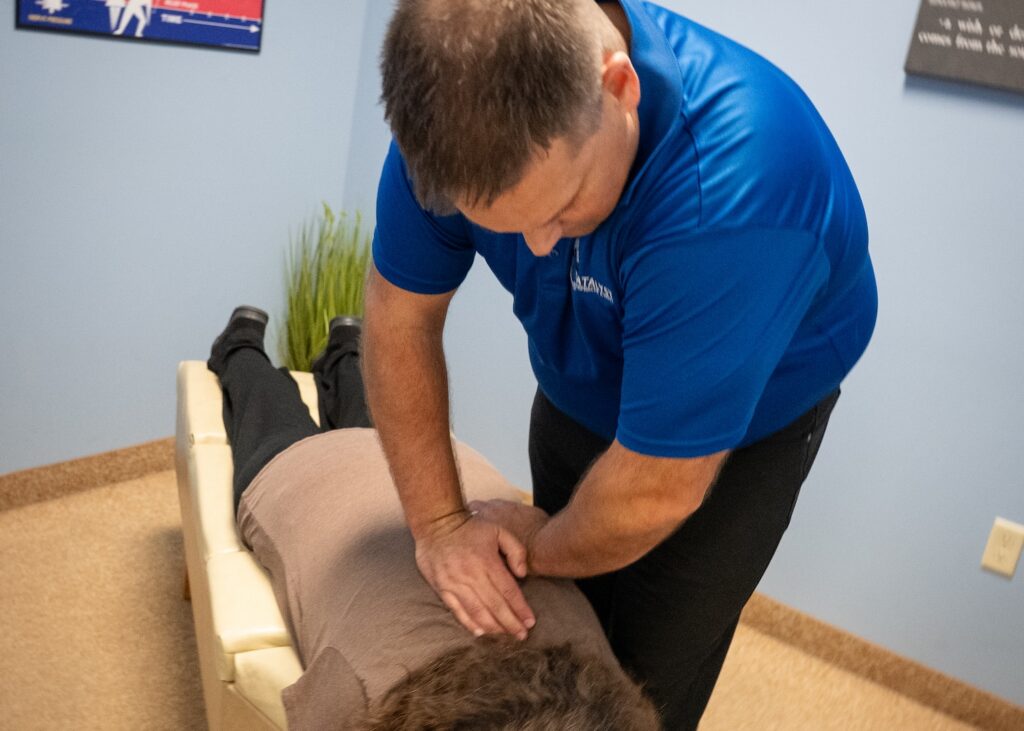
Chiropractic is a frontline, conservative solution for frozen shoulder because it focuses on restoring motion, reducing irritation, and improving how the whole shoulder complex moves. At Catalyst Chiropractic And Rehab in Blaine, we take a hands-on, evidence-informed approach tailored to your stage of recovery.
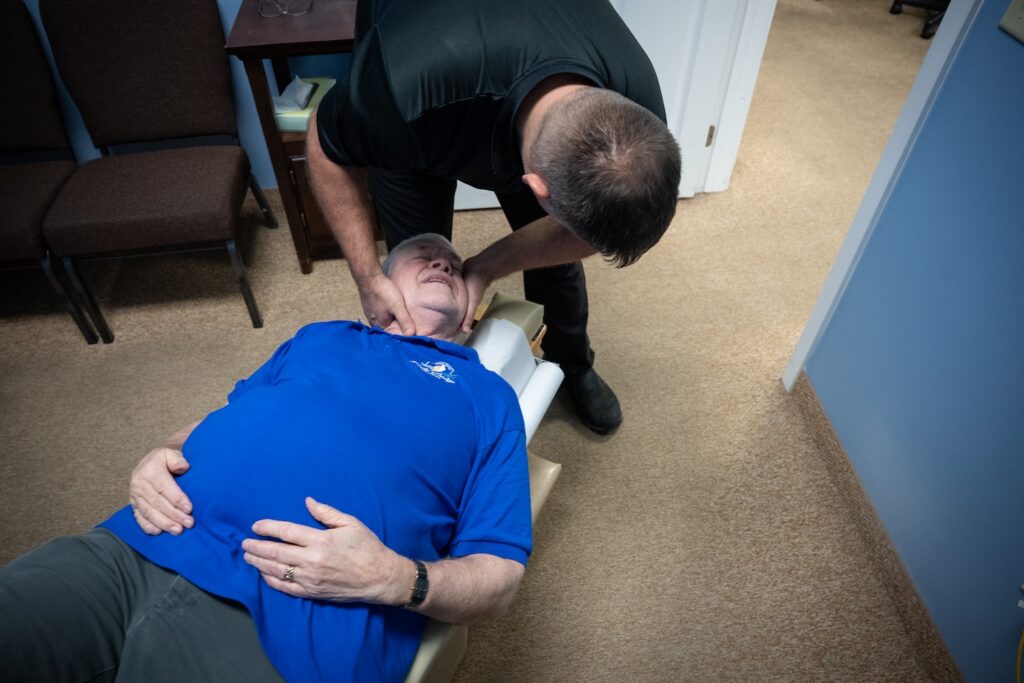
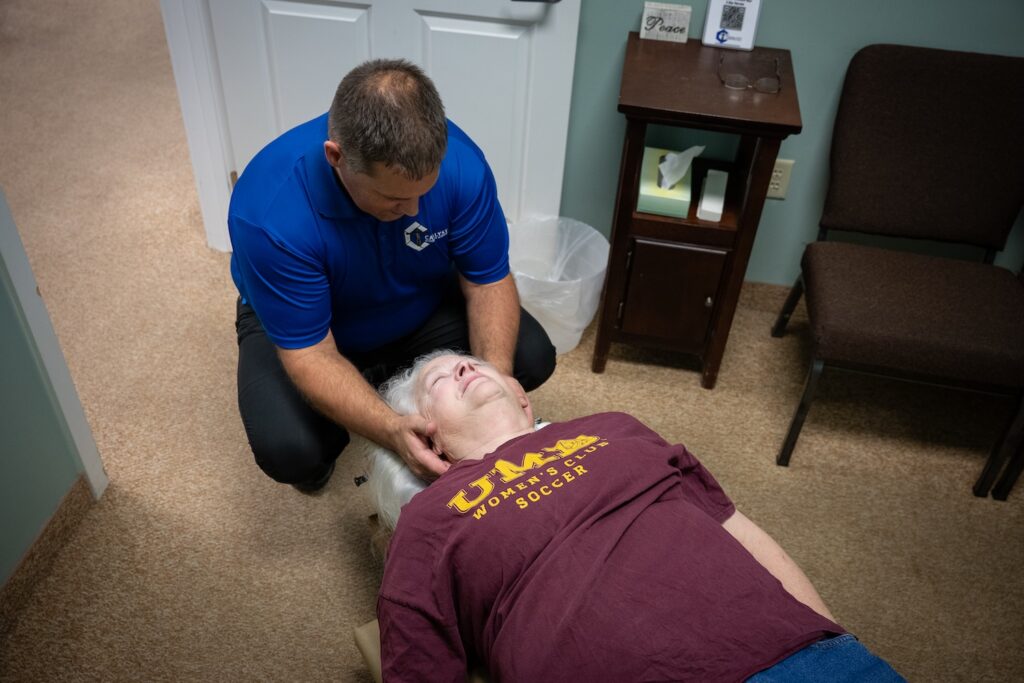
We begin with a careful evaluation to confirm the pattern fits frozen shoulder and to rule out other issues. Then we focus on restoring movement with gentle joint mobilization and manipulation as appropriate—targeting the shoulder joint itself, the shoulder blade-thoracic interface, the collarbone joints, and the cervical and thoracic spine. By improving how these areas work together, we reduce stress on the tight capsule and help you reclaim motion more comfortably.
Soft-tissue techniques around the rotator cuff, biceps tendon area, and chest muscles can reduce protective guarding. We’ll guide you through specific, stage-matched mobility drills so you can safely work on range of motion between visits. As your pain calms and motion returns, we progress to controlled strengthening that supports healthy shoulder mechanics and helps prevent recurrence.
While every person heals at a different pace, many patients notice steady improvements in daily movement, sleep comfort, and confidence when care is consistent and exercises are performed regularly. Our role is to lead with skilled, targeted chiropractic care and provide the exact progression of movements your shoulder needs at the right time.
What to Expect at Your First Visit in Blaine
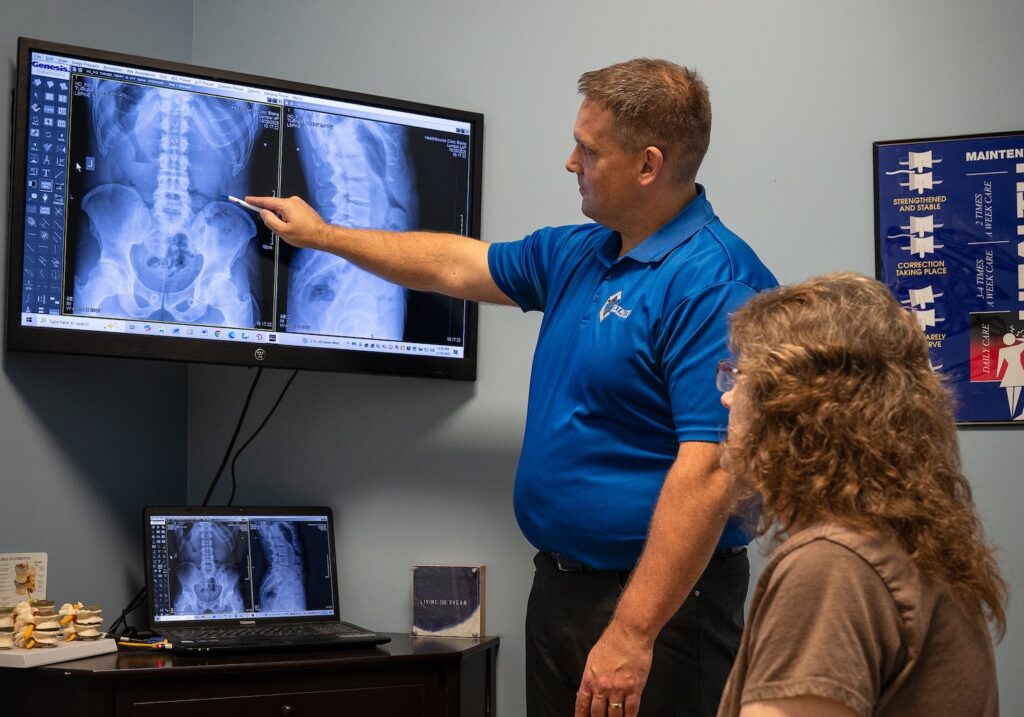
We’ll start with a thorough history and exam: where it hurts, what makes it worse, and how motion is limited. We compare both shoulders and assess the neck and upper back because they directly influence shoulder mechanics. If there are any red flags or something doesn’t match the frozen shoulder pattern, we’ll discuss next steps, including imaging or medical referral if appropriate.
When frozen shoulder is the likely diagnosis, we outline a step-by-step plan that begins with pain-aware care to calm irritation and improve the quality of motion. Expect gentle, precise adjustments and mobilizations, focused soft-tissue work, and clear home strategies. You’ll leave with simple, stage-appropriate movements you can do safely at home to keep progress going between visits.
Practical Tips for Comfort and Mobility at Home
- Use “micro-movements” daily: short, frequent sessions of gentle, pain-aware motion often work better than a single long stretch session.
- Support the shoulder at night: a small pillow under your arm or hugging a pillow can reduce strain and improve sleep comfort.
- Stay warm before mobility work: a warm shower or brief heat pack can make tissues more pliable for gentle range-of-motion drills.
- Respect the line between “therapeutic” and “too much”: a stretching sensation is okay; sharp, lingering pain means you’ve pushed past your current limit.
- Mind your posture: soften elevated shoulders and gently draw shoulder blades down and back to avoid constant guarding.
When to See a Chiropractor in Blaine
If your shoulder pain or stiffness has limited your daily activities for more than two weeks—or you’ve noticed a steady loss of motion—schedule a chiropractic evaluation. Early, guided care helps protect your range of motion and reduces the risk of long-term stiffness. It’s also a good idea to come in if simple tasks like dressing, reaching overhead, or fastening a seatbelt are getting harder. If you’ve recently been immobilized (after an injury or surgery) and the shoulder is getting progressively tighter, don’t wait—conservative, hands-on care can make a meaningful difference.
When We Refer or Co-Manage Your Care
Chiropractic is not emergency care. Seek urgent medical attention if shoulder pain follows significant trauma, if you have severe swelling or deformity, fever with intense redness/warmth around the joint, sudden chest pain or shortness of breath, or new numbness/weakness in the arm. In some cases, if progress is slower than expected despite consistent care, we may co-manage with your medical provider to discuss additional options. Injections or surgical procedures are typically considered only if conservative care does not achieve satisfactory improvement over time.
Authoritative resources such as the National Institutes of Health and OrthoInfo from the American Academy of Orthopaedic Surgeons note that frozen shoulder often improves with conservative management focusing on mobility. If we feel you would benefit from imaging or a medical opinion during your course of care, we will guide that referral appropriately.
Myths and Facts
Myth: “If it’s frozen shoulder, nothing can be done—you just have to wait it out.”
Fact: Many people improve faster with a structured plan that restores mobility, reduces guarding, and rebuilds healthy shoulder mechanics. Consistent, hands-on chiropractic care and targeted movement strategies can make the process more manageable.
Myth: “Pushing through sharp pain will break up the stiffness.”
Fact: Aggressive, painful stretching often backfires by increasing irritation. Progress is best when stretches are firm but tolerable, and done consistently, not forcefully.
Myth: “The problem is only in the shoulder joint.”
Fact: The upper back, collarbone joints, and shoulder blade mechanics all influence shoulder function. Addressing the whole chain is key to restoring smooth, pain-aware motion.
Final Thoughts for Our Blaine Community
Frozen shoulder is frustrating—but it’s also manageable. With compassionate, expert chiropractic care and a clear plan, you can make steady, meaningful progress. At Catalyst Chiropractic And Rehab, we help neighbors across Blaine regain motion, sleep more comfortably, and return to the activities they enjoy. If your shoulder has been stiff or painful, we’re here to help you take the next step forward.
FAQs
How do I know it’s frozen shoulder and not a rotator cuff tear?
Frozen shoulder restricts both active and passive motion—your arm won’t move much even if someone else tries. A rotator cuff tear often limits active motion more than passive. A proper exam can help clarify the diagnosis.
How long does frozen shoulder last?
It varies. Without care, it can last many months or longer. With consistent, conservative treatment focused on mobility and function, many people make steady, noticeable progress over time.
Is chiropractic safe for frozen shoulder?
For most adults, chiropractic care that is tailored to your exam findings is considered a safe, conservative option. We always adapt techniques to your comfort and refer when needed.
Do I need imaging (like an X-ray or MRI)?
Not always. Imaging is used when the exam suggests another condition, there’s a history of trauma, or symptoms don’t follow the expected pattern. We’ll let you know if imaging is appropriate.
Can I keep working out with frozen shoulder?
Yes, but modify your routine to avoid painful ranges and overhead strain. We’ll guide you on safe movements and progressions as your mobility improves.
Will I need surgery?
Most people improve with conservative care and do not require surgery. More invasive options are considered if non-surgical care does not lead to satisfactory improvement over time.
TL;DR
- Frozen shoulder is a painful tightening of the shoulder capsule that limits motion; it progresses through freezing, frozen, and thawing stages.
- Chiropractic care is a frontline, conservative solution that restores motion with precise joint work, soft-tissue care, and stage-matched exercises.
- Early, guided movement helps prevent long-term stiffness; avoid aggressive, painful stretching.
- See a chiropractor if pain or stiffness limits daily life for more than two weeks; seek urgent care after significant trauma or with red-flag symptoms.
- At Catalyst Chiropractic And Rehab in Blaine, we build personalized plans to help you move comfortably and confidently again.
References for Patient Education
- National Institutes of Health (NIH) – MedlinePlus: Adhesive Capsulitis
- OrthoInfo – American Academy of Orthopaedic Surgeons: Frozen Shoulder