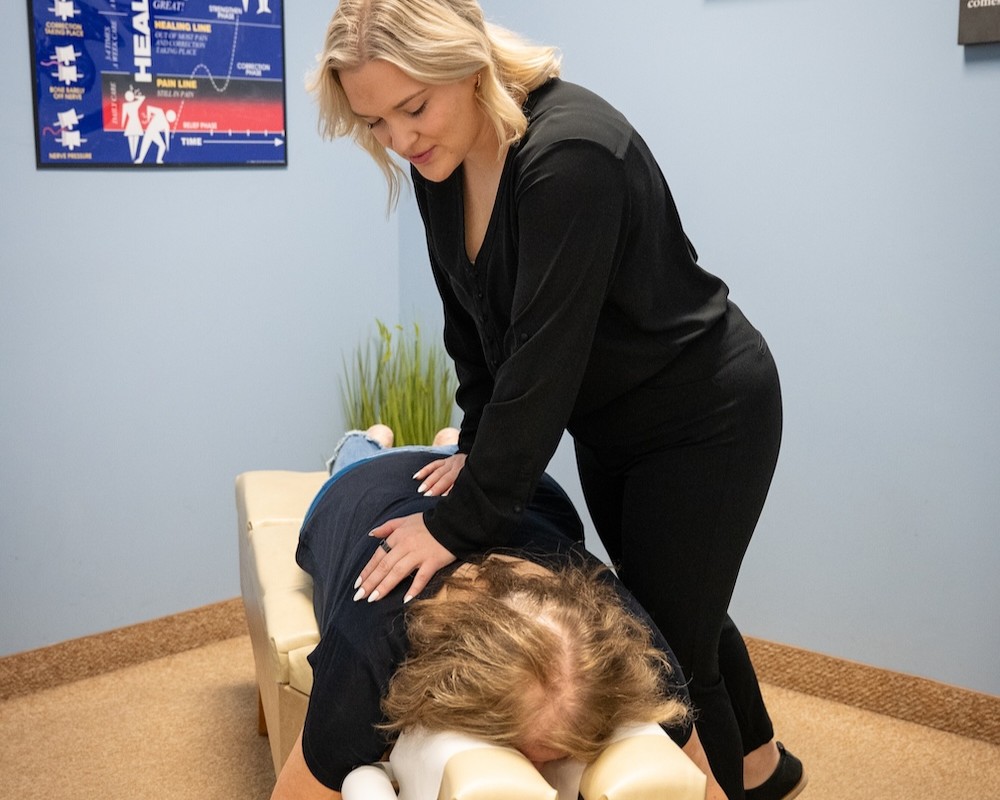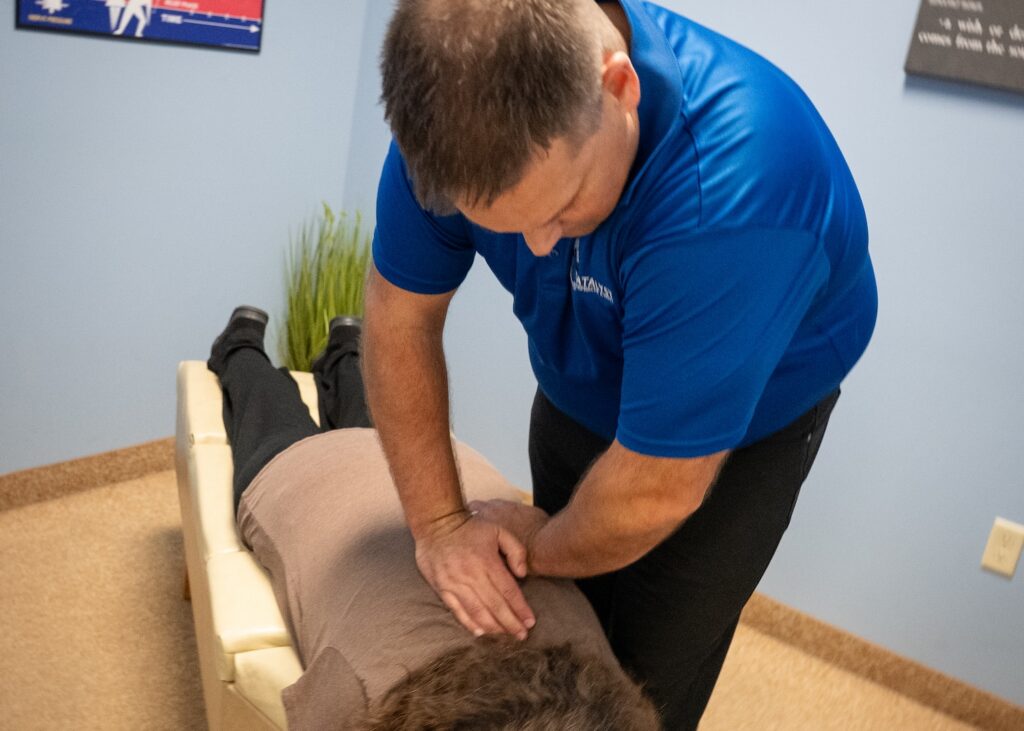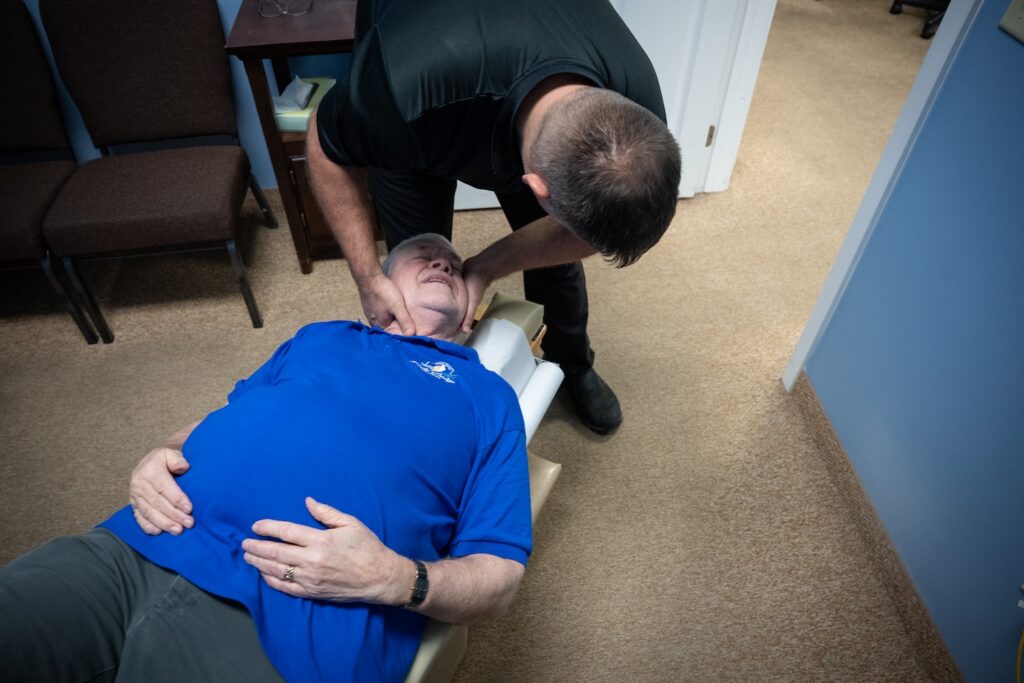

Enhancing your flexibility goes beyond just stretching; it’s about embracing a holistic approach that incorporates various techniques to support your body’s natural healing processes. As a chiropractor, I firmly believe that chiropractic care plays a vital role in achieving optimal flexibility and overall wellness. By addressing spinal alignment and muscle function, chiropractic adjustments can significantly enhance your flexibility while promoting pain relief.
Incorporating dynamic warm-ups is a fantastic way to prepare your body for movement and increase flexibility. These movements activate your muscles and joints, making them more pliable and ready for activity. Alongside this, yoga offers numerous benefits, not just for flexibility but also for promoting relaxation and reducing stress. The combination of these practices can lead to remarkable improvements in your overall flexibility journey.
So, what techniques should you prioritize to see the best results? Here are ten authentic ways to elevate your flexibility while supporting your body’s natural health:
- Chiropractic Adjustments: Regular visits to a chiropractor can help realign your spine and improve your range of motion, leading to better flexibility.
- Dynamic Stretching: Before any physical activity, engage in dynamic stretches to warm up your muscles and prepare your body for movement.
- Yoga: Incorporate yoga into your routine to improve flexibility, balance, and relaxation. It’s a great way to connect your mind and body.
- Foam Rolling: Use a foam roller to release muscle tension and improve blood flow, which can enhance your flexibility over time.
- Strength Training: Building strength in your muscles can support better flexibility by providing the stability needed for more extensive ranges of motion.
- Consistency: Like any health goal, consistency is key. Make flexibility exercises a regular part of your routine for lasting results.
- Breath Control: Focus on your breathing during stretches. Deep breathing helps relax your muscles and can enhance your stretching experience.
- Hydration: Stay hydrated! Water plays a crucial role in maintaining muscle elasticity and overall flexibility.
- Mindful Movement: Pay attention to how you move throughout your day. Being mindful can prevent injuries and promote better flexibility.
- Listen to Your Body: Finally, always listen to your body. If you feel pain or discomfort, consult with your chiropractor to address any underlying issues.
By prioritizing chiropractic care and incorporating these techniques into your lifestyle, you can achieve significant improvements in your flexibility and overall well-being. Remember, it’s not just about being flexible; it’s about supporting your body in its natural healing journey. Take these tips to heart and enjoy the benefits of a more flexible, healthier you!
Key Takeaways
- Begin your journey to better flexibility by incorporating dynamic stretching and warm-up exercises. These practices prepare your muscles and elevate your heart rate, which helps reduce the risk of injury during physical activities. Remember, a well-prepared body is less likely to face discomfort or pain.
- Consider making yoga a regular part of your routine. Not only does it enhance flexibility, but it also improves mental clarity and supports overall well-being. Plus, yoga promotes spine health, which is essential for maintaining a pain-free lifestyle.
- After your workouts, focus on effective stretching techniques. Hold each stretch for 15-30 seconds and target major muscle groups to achieve balanced flexibility. This practice will not only help you feel better but can also support your body’s natural healing processes.
- Foam rolling is another excellent way to relieve muscle tension and improve flexibility. This technique, known as self-myofascial release, enhances blood flow and increases your range of motion. By incorporating foam rolling into your routine, you can support your body’s natural ability to heal and function optimally.
- Lastly, don’t forget the importance of staying hydrated. Proper hydration supports muscle function and flexibility, helping to prevent pain and enhancing your overall performance in physical activities. By taking care of your body in this way, you can promote better health and well-being.
Remember, chiropractic care plays a vital role in achieving optimal health. Regular adjustments can help maintain spinal alignment, enhance your flexibility, and support your body’s natural healing abilities. Make chiropractic care part of your wellness journey for lasting benefits!
Incorporate Dynamic Stretching Into Your Warm-Up
Incorporating dynamic stretching into your warm-up routine is an excellent way to prepare your body for physical activity and enhance your overall flexibility. As a chiropractor, I understand the importance of keeping your muscles and spine healthy, and dynamic stretches are a great way to do just that. Movements like leg swings and arm circles not only engage your muscles but also increase blood flow, making them particularly beneficial before any workout.
Instead of holding static stretches, which can sometimes lead to injury, focus on controlled movements that mimic the activities you plan to perform. This approach helps to gradually elevate your heart rate and warms up your muscles, setting the stage for a more effective workout.
It’s essential to start with gentle exercises and progressively move to more intense stretches. This method not only improves your range of motion but also allows for freer movement during your workout, which can lead to better overall performance and less strain on your body.
Incorporating dynamic stretching into your warm-up can also play a crucial role in reducing the risk of injury. By preparing your body for the physical demands ahead, you’re taking proactive steps toward maintaining a healthy spine and overall wellness.
Remember, a well-prepared body is less likely to experience pain or discomfort during and after exercise.
So, as you prepare for your next workout, take a few moments to include dynamic stretches in your warm-up routine. Your body will appreciate the effort, and you’ll likely notice improvements in your flexibility and performance.
By prioritizing these movements, you’re not only investing in your fitness but also in your long-term health.
Practice Yoga Regularly
Practicing yoga regularly can significantly enhance your flexibility and overall well-being, and when combined with chiropractic care, it offers a powerful approach to achieving optimal health. Each type of yoga brings unique benefits that can cater to different needs and fitness levels, making it an excellent complement to the adjustments and treatments provided by your chiropractor.
Incorporating yoga into your routine not only boosts your physical strength but also helps improve your mental clarity and stress management. This holistic approach fosters a well-balanced lifestyle, supporting your spine health and promoting natural healing.
To get the most out of your yoga practice, consider these tips:
- Focus on Alignment: Pay attention to your body’s alignment during poses. Proper alignment helps prevent injury and ensures that your spine remains healthy.
- Listen to Your Body: It’s essential to tune in to how your body feels. If a pose causes discomfort or pain, it’s best to modify it or skip it altogether.
- Combine with Chiropractic Visits: Regular visits to your chiropractor can enhance the benefits of yoga by addressing any spinal misalignments and improving your overall mobility.
- Breathe Deeply: Incorporate deep, controlled breathing into your practice. This not only enhances your relaxation but also promotes better oxygen flow to your muscles and spine.
- Stay Consistent: Just like chiropractic care, consistency is key. Make yoga a part of your regular wellness routine for the best results.
By integrating yoga with chiropractic care, you’ll be taking proactive steps towards pain relief and a healthier lifestyle.
Benefits of Yoga
While many people think of yoga mainly as a way to get fit, its advantages go much deeper than just flexibility and strength. Regular yoga practice is a fantastic way to reduce stress and anxiety, which can help you feel calmer and more clear-headed. This sense of tranquility can lead to improved mental focus, making everyday tasks easier and boosting your productivity.
One of the key aspects of yoga is its focus on mindful breathing. This not only helps you connect more deeply with your body and emotions but also enhances your overall awareness. By tuning into yourself, you can develop better emotional regulation and resilience, which can be incredibly beneficial for managing daily life’s ups and downs.
Incorporating yoga into your routine complements chiropractic care beautifully. As a chiropractor, I often emphasize the importance of natural healing and a holistic approach to health. Yoga can enhance your overall well-being, supporting a healthier lifestyle that aligns perfectly with chiropractic principles.
Additionally, practicing yoga alongside chiropractic adjustments can lead to improved spinal health and mobility, helping to alleviate discomfort and enhance your body’s natural healing abilities. Remember, the goal isn’t just physical flexibility but also mental and emotional adaptability, which can better equip you to handle life’s challenges.
To maximize the benefits of yoga and chiropractic care, consider these tips:
- Stay Consistent: Incorporate yoga into your weekly schedule to reap the full benefits over time.
- Listen to Your Body: Pay attention to how your body feels during yoga and adjust your practice accordingly.
- Combine Practices: After a chiropractic adjustment, try gentle yoga poses to help maintain your alignment and promote flexibility.
- Focus on Breathing: Use deep, mindful breaths during your practice to enhance relaxation and stress relief.
- Seek Professional Guidance: If you’re new to yoga, consider joining a class or working with a certified instructor to ensure you learn proper techniques.
Types of Yoga
With so many types of yoga available, choosing the right style can enhance your practice and support your journey to better health and wellness.
Whether your goal is to relax, build strength, or improve flexibility, there’s a yoga style that can complement your chiropractic care. Here are some popular options to consider:
- Hatha Yoga: This is a gentle introduction to basic postures, making it a great choice for beginners. It can help ease tension in the spine and promote better alignment, which aligns perfectly with chiropractic principles.
- Vinyasa Yoga: This dynamic flow links breath with movement. It’s perfect for those looking for a workout, but it also helps improve overall body awareness and can assist in maintaining a healthy spine.
- Yin Yoga: A slow-paced style focusing on deep stretches, Yin Yoga is ideal for enhancing flexibility. It can help release tightness in the muscles and connective tissues, supporting the work done in chiropractic adjustments.
As you explore these styles, consider how they can fit into your wellness routine.
Regular yoga practice not only boosts flexibility but also contributes to your overall well-being, supporting a healthy spine and reducing discomfort.
Remember, combining yoga with chiropractic care can lead to a powerful synergy for optimal health.
So find a style that resonates with you, practice consistently, and watch as yoga transforms your body and mind, while also enhancing the benefits of your chiropractic treatments.
Your path to natural healing and healthier living starts here!
Utilize Foam Rolling Techniques
Foam rolling is an excellent way to enhance your flexibility and alleviate muscle tension, and as a chiropractor, I encourage you to incorporate this technique into your wellness routine. Not only does foam rolling help with muscle recovery, but it also complements the benefits of chiropractic care, allowing you to achieve optimal health more effectively.
When you foam roll, you’re essentially performing self-myofascial release, which helps to break down knots and tightness in your muscles. This can lead to improved blood flow and a greater range of motion.
Here are some simple techniques to maximize your foam rolling sessions:
- Start Slow: Begin by rolling slowly over the muscle groups, spending at least 30 seconds on each area. This helps your body adjust and prevents any discomfort.
- Focus on Tender Spots: If you encounter a particularly tender spot, hold the pressure on that area for 20-30 seconds. This allows the muscle to relax and release tension.
- Incorporate Deep Breathing: As you roll, take deep breaths. This not only helps you relax but can also enhance the effectiveness of the foam rolling process.
- Use Different Angles: Change the angle of your body relative to the foam roller to target different muscle fibers. This can provide a more comprehensive release of tension.
- Stay Hydrated: After your foam rolling sessions, drink plenty of water to help flush out toxins that may have been released during the process.
Remember, while foam rolling can provide great benefits, it shouldn’t replace regular chiropractic adjustments. Chiropractic care addresses the root causes of pain and discomfort, promoting natural healing and long-term wellness.
By combining foam rolling with chiropractic adjustments, you can achieve a well-rounded approach to your health. Incorporate these foam rolling techniques into your routine, and you may find an enhanced sense of well-being and reduced muscle tension.
If you ever have questions about how foam rolling can work alongside your chiropractic care, don’t hesitate to reach out!
Benefits of Foam Rolling
One of the most beneficial practices for enhancing flexibility and overall mobility is foam rolling. This technique not only feels great but can also complement your chiropractic care, supporting your journey towards optimal health. By including foam rolling in your routine, you can enjoy several advantages that may improve your physical performance and well-being.
- Increased blood flow: Foam rolling stimulates circulation, helping to deliver essential nutrients to your muscles. This is especially valuable in conjunction with chiropractic adjustments, as improved blood flow can enhance the healing process.
- Reduced muscle soreness: After a workout or a day of physical activity, foam rolling can help alleviate tightness and soreness. This makes recovery easier and can be a perfect addition to your self-care routine alongside chiropractic care.
- Improved range of motion: Regular foam rolling can lead to greater flexibility and mobility. This means you can move more freely, which is crucial for maintaining an active lifestyle and supporting your spine health.
Incorporating foam rolling into your daily routine not only aids in recovery but also complements the holistic approach of chiropractic care.
Together, these practices can help you achieve better flexibility, reduce discomfort, and promote overall body health.
Techniques for Effective Rolling
When you’re ready to enhance your flexibility and overall wellness through foam rolling, using the right techniques can significantly improve your experience.
Start by positioning the foam roller under the muscle group you want to target, such as your calves or thighs. Apply your body weight to the roller and roll slowly back and forth. Focus on any tight spots, taking deep breaths to help release tension. Spending about 30 seconds on each area can be very beneficial, and you can adjust the pressure based on your comfort level.
To maximize the benefits, try incorporating different angles while rolling to effectively target various muscle fibers. Remember, hydration is important too—drinking water after your session can aid in recovery.
While foam rolling is a fantastic way to improve flexibility, it works best in conjunction with chiropractic care. Regular chiropractic adjustments can help ensure your spine is aligned and functioning properly, which supports your overall health and enhances the effects of foam rolling.
Making foam rolling a consistent part of your routine, alongside regular visits to your chiropractor, will help you achieve optimal health and wellness. Embrace these natural healing methods to live a healthier, pain-free life!
Engage in Static Stretching Post-Workout
Engaging in static stretching after your workout is an excellent way to enhance your flexibility and support your recovery process. Not only does this practice help in lengthening your muscles, but it also plays a vital role in reducing soreness and improving your overall range of motion, which is essential for maintaining a healthy spine.
- Hold each stretch for 15-30 seconds. This duration allows your muscles to relax and elongate properly, promoting better circulation and flexibility.
- Focus on major muscle groups such as your hamstrings, quadriceps, and shoulders. By doing this, you can achieve balanced flexibility, which is crucial for spinal health and overall well-being.
- Make stretching a regular part of your routine. Aim to incorporate it at least 2-3 times a week. Consistency is key to reaping the benefits, and it pairs beautifully with chiropractic care, enhancing the adjustments you receive.
Remember, stretching is a natural way to support your body’s healing process. By prioritizing this practice along with your chiropractic care, you’re taking significant steps toward achieving optimal health and wellness.
The combination of regular chiropractic adjustments and consistent stretching can help alleviate pain, improve mobility, and promote a healthier lifestyle.
Focus on Breath Control During Stretching
Incorporating breath control into your stretching routine can significantly enhance your overall well-being and spinal health. When you focus on your breathing, you not only increase oxygen flow to your muscles, which is essential for relaxation, but you also support the alignment and function of your spine. As a chiropractor, I encourage you to incorporate the following breathing techniques into your stretching routine to promote natural healing and optimal health.
Begin your stretching by inhaling deeply through your nose, preparing your body for the stretch ahead. As you exhale slowly through your mouth, allow yourself to deepen the stretch. This rhythmic breathing pattern not only helps you stay present but also encourages your body to release tension, which is crucial for spinal health.
Here’s a simple guide on how to synchronize your breath with stretching for a more effective routine:
| Breath Phase | Action | Benefit |
|---|---|---|
| Inhale | Prepare for stretch | Increases oxygen flow to the muscles, promoting relaxation |
| Exhale | Deepen the stretch | Helps release tension and promotes relaxation, supporting spinal alignment |
| Hold | Maintain the stretch | Enhances flexibility and allows your body to adapt, which is vital for joint health |
| Repeat | Cycle through stretches | Builds breath control and encourages a mindful approach to your wellness |
Try Pilates for Core and Flexibility Strength
If you’re on a journey to enhance your core strength and flexibility, incorporating Pilates into your routine can be a beneficial complement to chiropractic care. This low-impact method not only focuses on controlled movements that engage the core but also encourages muscle lengthening, which can be especially helpful for maintaining spinal health.
By merging Pilates with your chiropractic treatments, you can experience a variety of benefits, including:
- Improved posture and spinal alignment, which are essential for overall health
- Increased muscle tone and flexibility that support your body’s natural structure
- Enhanced mind-body connection, leading to greater awareness of how your body moves
Pilates emphasizes proper form and technique, making it an accessible option for everyone, regardless of fitness level. The exercises target various muscle groups, ensuring a balanced workout that strengthens your core while also stretching your body.
This balanced approach can be a great way to support the adjustments you receive from chiropractic care, helping to keep your spine aligned and your muscles relaxed.
With consistent practice, you may start to notice greater flexibility in your hips, back, and legs, which can alleviate tension and discomfort. Additionally, as you develop a deeper awareness of your body, you may find it easier to maintain good posture throughout your daily activities, further enhancing the benefits of chiropractic care.
Remember, the goal is to promote a healthier lifestyle naturally. So, why not give Pilates a try alongside your chiropractic treatments? Together, they can help you achieve a stronger, more flexible you, paving the way for optimal health and well-being.
Always consult your chiropractor before starting any new exercise regimen to ensure it aligns with your specific needs and health goals.
Maintain a Consistent Stretching Routine
Pilates can lay a strong groundwork for improving flexibility, but to truly harness the benefits, it’s essential to maintain a consistent stretching routine. Incorporating stretching into your daily life is key for enhancing your overall wellness and spinal health.
I recommend setting aside a specific time each day for your stretching sessions—be it in the morning to kickstart your day, during lunch for a refreshing break, or before bed to unwind. Consistency is vital, as it allows your body to adapt and increases your range of motion over time.
Begin with a few minutes of gentle stretches, and as you grow more comfortable, you can gradually increase both the duration and intensity. Pay attention to what your body is telling you; if you feel any tightness or discomfort, feel free to adjust the stretch to suit your needs.
There’s no need to rush—focus on your breathing and aim to hold each stretch for 15 to 30 seconds. Over time, you’ll find that flexibility becomes easier and more natural.
Incorporating stretching into your daily routine not only enhances flexibility but also supports spinal health and overall wellness. It can help alleviate tension, improve posture, and reduce the risk of injury, making it a wonderful complement to chiropractic care.
Make stretching a non-negotiable part of your day, and you’ll likely notice significant improvements in both your physical performance and your overall health. Remember, these small yet impactful adjustments can lead to lasting benefits!
Use Stretching Aids Like Bands and Blocks
Incorporating stretching aids like bands and blocks into your flexibility routine can significantly enhance your overall wellness and spinal health. As a chiropractor, I often see the benefits these tools can provide in helping individuals achieve deeper stretches while minimizing the risk of injury.
Using these aids allows for greater support, which can lead to improved range of motion. This is particularly important for maintaining a healthy spine and preventing discomfort. Stretching not only promotes flexibility but also helps alleviate tension in the muscles surrounding the spine, contributing to better posture and alignment.
Here are a few simple tips to get started with stretching aids:
- Use Bands for Resistance: Incorporate resistance bands into your stretches to provide gentle assistance or added resistance. This can help you gradually increase flexibility without straining your muscles.
- Blocks for Stability: When performing stretches that require balance or flexibility, use yoga blocks to support your body. They can help you reach deeper into stretches without compromising your form.
- Listen to Your Body: Always pay attention to how your body feels while stretching. If something doesn’t feel right, ease off. Stretching should never cause pain.
- Consistency is Key: Regular stretching with these aids can lead to lasting improvements in flexibility and spinal health. Aim for a few minutes each day.
Incorporating these simple tools into your stretching routine can support your journey toward natural healing and healthier living.
Types of Stretching Aids
Stretching aids like bands and blocks can be valuable companions on your journey to better flexibility and overall wellness. As a chiropractor, I emphasize the importance of maintaining proper form during stretches to prevent injury and support spinal health.
Here are some helpful types of stretching aids you might consider incorporating into your routine:
- Resistance Bands: These handy bands come in various resistance levels and can help you gradually improve your flexibility. By using resistance bands, you can engage your muscles more effectively and ensure a safe and supportive stretch.
- Yoga Blocks: Yoga blocks provide excellent support in different poses, allowing you to better align your body and enhance your reach. They can be particularly useful for those new to stretching or anyone working on improving their flexibility while maintaining proper posture.
- Foam Rollers: While foam rollers are often used for myofascial release, they can also help stretch out tight muscles and improve flexibility. Rolling out your muscles can alleviate tension, promote blood flow, and enhance your overall mobility.
Incorporating these aids into your routine can significantly enhance your flexibility and overall wellness.
Remember, chiropractic care is an excellent way to support your body in achieving optimal health. Regular adjustments can help keep your spine aligned and pain-free, allowing you to stretch and move with ease.
Explore different stretching aids to find what works best for you, and always listen to your body as you progress on your flexibility journey!
Benefits of Using Aids
Incorporating stretching aids like bands and blocks into your routine can significantly enhance your flexibility and overall performance, which is essential for maintaining a healthy spine. These tools provide extra support, allowing you to deepen your stretches without putting unnecessary strain on your body.
Using bands can help you achieve a greater range of motion, making it easier to target specific muscle groups that support your spine. Blocks can improve your alignment and stability during various poses, leading to more effective stretches that benefit your overall posture. This is particularly important as good posture is crucial for spinal health.
Moreover, these aids can assist in maintaining proper form, which reduces the risk of injury—a key aspect of chiropractic care. As you progress with your stretching routine, you may notice increased mobility and quicker recovery times. Regularly using these aids can help you build strength and flexibility, making your workouts more efficient and enjoyable.
Remember, maintaining a strong and flexible body is a vital component of overall wellness, and chiropractic care can further support this goal by ensuring your spine is properly aligned. Embrace these tools to elevate your stretching game, and consider integrating chiropractic care into your health journey.
With a focus on natural healing and healthier living, chiropractic care is a fantastic choice for achieving optimal health and pain relief without the need for medications or surgeries. Keep your spine healthy, and your body will thank you!
Stay Hydrated for Muscle Health
Staying hydrated is crucial not just for your muscles, but for your overall health and wellness. As a chiropractor, I can tell you that proper hydration supports muscle function and flexibility, which is essential for maintaining a healthy spine and preventing pain.
When your body is well-hydrated, your muscles work more efficiently, enhancing your performance in physical activities and stretching routines. On the other hand, not drinking enough water can lead to cramps and stiffness, making it harder for you to stay flexible and active.
Here are some key points to remember about hydration and muscle health:
- Nutrient Transport: Water plays a vital role in delivering nutrients to your muscles, which is important for maintaining strength and flexibility.
- Injury Prevention: Staying hydrated helps reduce the risk of injuries, allowing you to engage in physical activities with confidence.
- Joint Lubrication: Adequate hydration ensures proper fluid balance, which supports joint lubrication and improves your range of motion.
To make hydration a regular part of your routine, aim to drink water throughout the day—especially before, during, and after your workouts. A simple trick is to monitor the color of your urine; if it’s a light yellow, you’re on the right track. If it appears darker, it’s a sign to drink more water.
You can also add hydrating foods like fruits and vegetables to your meals, which can help keep you hydrated. By prioritizing hydration, you’ll notice improvements not only in your flexibility but also in your overall muscle health.
This can make your stretching routines more effective and enjoyable. Remember, your body relies heavily on water for optimal function, so keep that water bottle handy!
Additionally, regular chiropractic care can enhance your muscle function and flexibility by ensuring that your spine is properly aligned. A well-aligned spine supports better movement and can help you recover more quickly from physical activity.
Listen to Your Body and Avoid Overstretching
While staying committed to your flexibility routine is essential for overall health, it’s equally important to listen to your body and understand its limits. Overstretching can lead to injuries, and as a chiropractor, I want to emphasize that pain is your body’s way of signaling that something isn’t right. If you experience discomfort during your stretches, it’s a clear indication to ease up.
Here’s a simple guide to help you navigate your stretching routine safely:
| Signs to Continue | Signs to Stop |
|---|---|
| Mild discomfort | Sharp pain |
| Increased range of motion | Muscle cramping |
| Feeling relaxed and limber | Joint instability |
Remember, flexibility is a journey, and it’s important to progress at a pace that feels right for you. Incorporating chiropractic care into your wellness routine can also help enhance your flexibility by ensuring your spine and joints are properly aligned. This alignment allows for better movement and can alleviate discomfort that may arise from tight muscles or misalignments.
In addition to your stretching routine, consider these tips for maintaining optimal health and flexibility:
- Stay Hydrated: Drinking plenty of water helps keep your muscles hydrated and functioning properly.
- Warm Up: Always take a few minutes to warm up your body before stretching. This can be as simple as a light walk or some gentle movements to get the blood flowing.
- Practice Mindfulness: Pay attention to your body’s signals during stretches. Practicing mindfulness can enhance your awareness and help prevent injuries.
- Regular Chiropractic Visits: Regular adjustments can help maintain spinal health and improve your overall flexibility, making it easier for you to enjoy your stretching routine.
Conclusion
By incorporating these ten authentic methods into your routine, you can greatly enhance your flexibility and overall well-being. As a chiropractor, I want to emphasize the importance of a healthy spine and how it contributes to your body’s flexibility. Always start with a gentle warm-up that includes dynamic stretching to prepare your muscles and joints for movement.
Practicing yoga is a fantastic way to improve flexibility while also promoting spinal health. The various poses help align your spine and increase your range of motion. Additionally, foam rolling is an excellent tool for relieving muscle tension and improving circulation, further supporting your flexibility goals.
After your workouts, engage in static stretching, focusing on the major muscle groups. This will not only help maintain flexibility but also aid in recovery. Remember, breath control is vital; it helps to relax your muscles and enhances your stretch.
Staying consistent with these practices is key. If you find certain stretches challenging, don’t hesitate to use props or aids—this can make a significant difference in your progress. Hydration is also crucial for muscle health, so drink plenty of water throughout the day.
Always listen to your body. If something feels uncomfortable or painful, it’s important to ease off. Overstretching can lead to injuries, which can hinder your flexibility journey.
Embrace these practices and consider incorporating chiropractic care into your routine. Regular adjustments can help align your spine, relieve tension, and support your body’s natural ability to move freely. With dedication and the right approach, you can achieve a more flexible and healthier you!