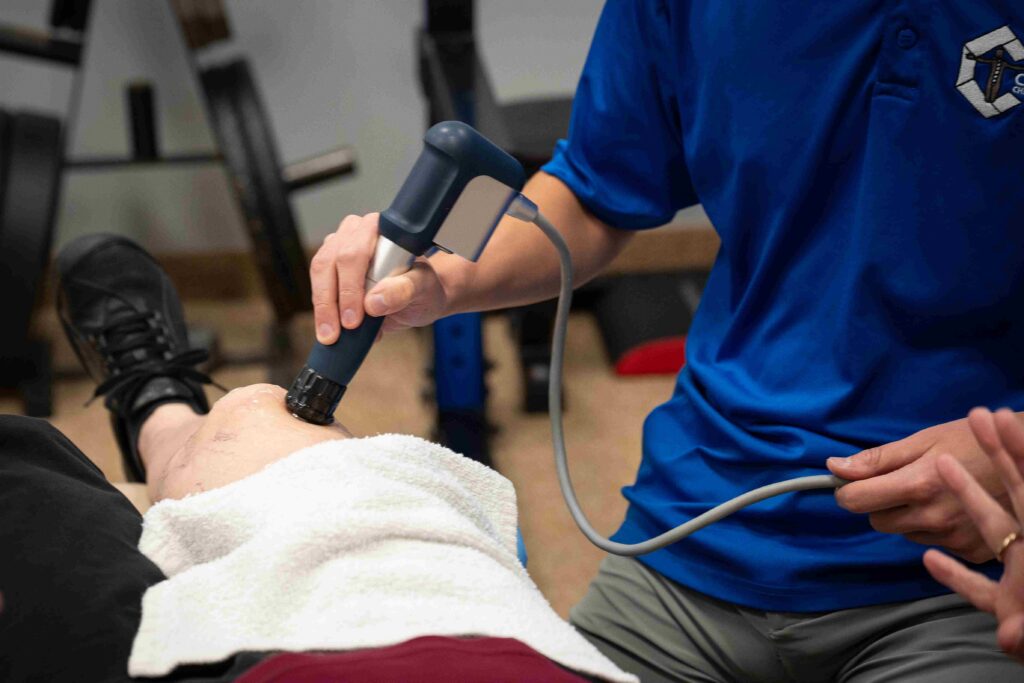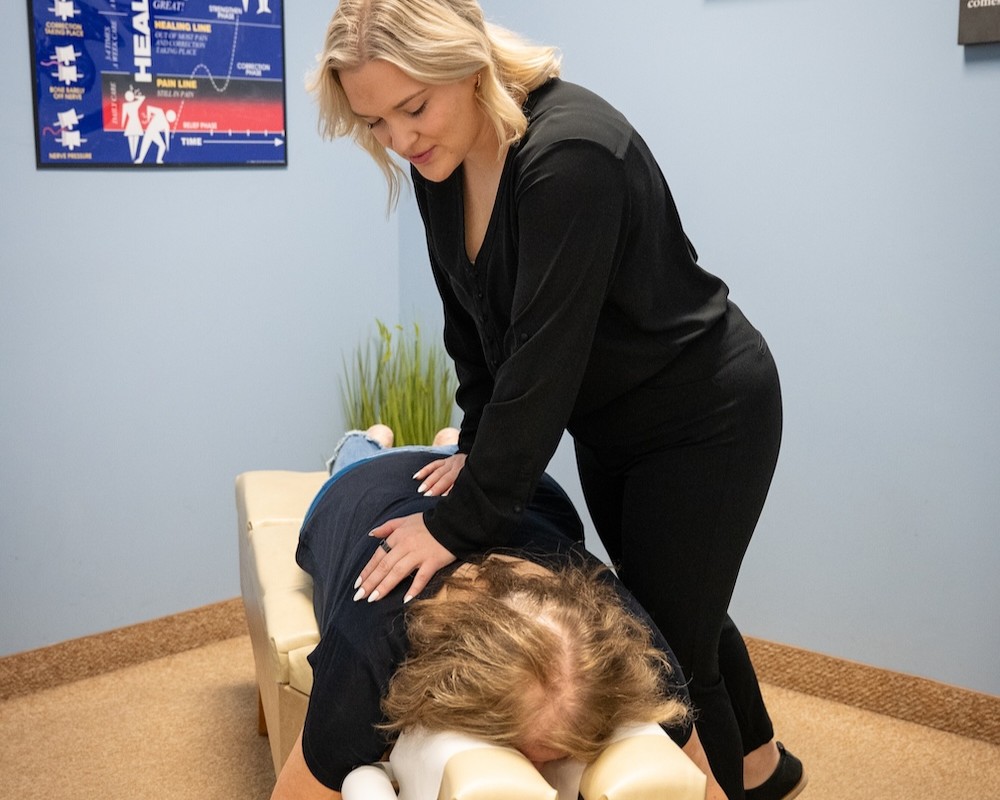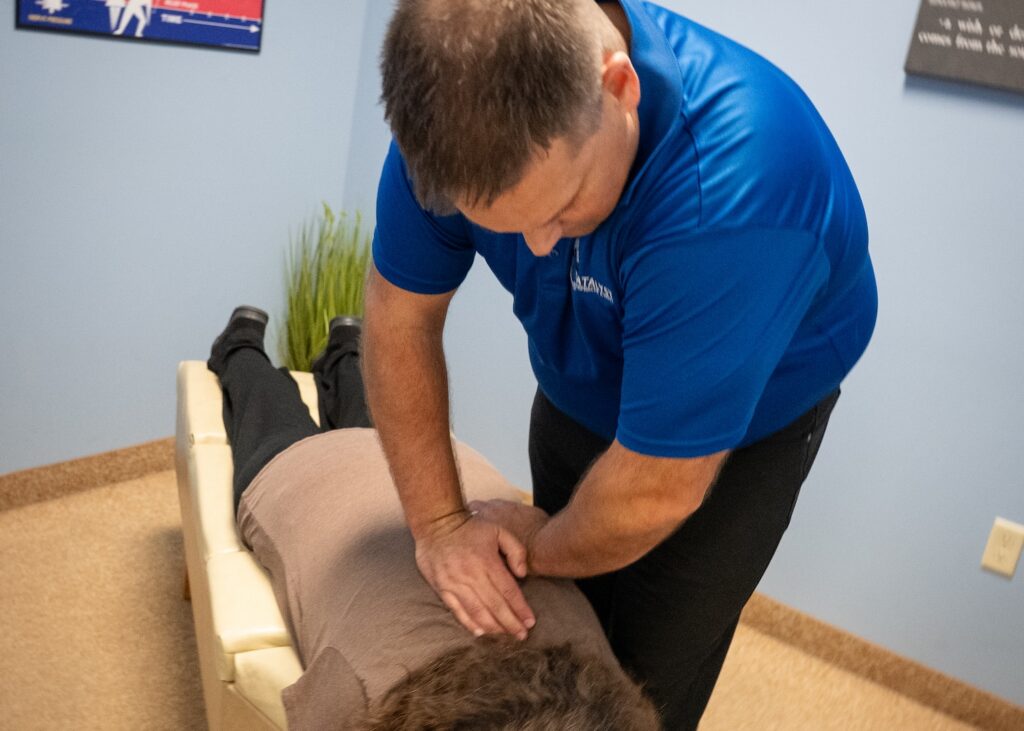

If you’re facing the challenge of back pain, consider chiropractic adjustments as a natural and effective solution. These gentle treatments not only help realign your spine but also promote better overall function of your body. By focusing on improving your posture, incorporating simple stretches, and strengthening your core muscles, you can significantly reduce discomfort and enhance your quality of life.
Curious about how to maximize the benefits of chiropractic care? Here are seven effective ways adjustments can help alleviate your back pain and support your journey to optimal health:
- Improve Your Posture: Regular adjustments can help correct misalignments that contribute to poor posture. Good posture reduces strain on your back and can prevent pain.
- Stretch Your Muscles: Incorporating gentle stretches into your daily routine can enhance flexibility and relieve tension. Ask your chiropractor for specific stretches that complement your adjustments.
- Strengthen Your Core: A strong core supports your spine and can prevent future pain. Your chiropractor can guide you on exercises that strengthen your abdominal and back muscles safely.
- Stay Active: Engaging in regular physical activity is important for back health. Low-impact exercises, like walking or swimming, can be beneficial. Your chiropractor can recommend activities that suit your needs.
- Practice Mindfulness: Stress can contribute to tension in your back. Techniques like deep breathing or yoga can help calm your mind and relax your muscles.
- Use Proper Body Mechanics: Be mindful of how you lift and carry items. Using your legs instead of your back can prevent strain and injury.
- Regular Chiropractic Visits: Consistent adjustments can help maintain spinal alignment and promote ongoing health. Regular check-ups with your chiropractor can keep your body functioning at its best.
By embracing these strategies alongside regular chiropractic care, you can take significant steps toward alleviating back pain naturally and improving your overall wellness. Remember, your health is a journey, and chiropractic care is here to support you every step of the way!
Key Takeaways
- Chiropractic adjustments help realign your spine, which can reduce nerve interference and alleviate pain not just in your back, but also in the areas surrounding it. This gentle, non-invasive technique promotes natural healing and is a great way to find relief.
- By improving spinal alignment through adjustments, your overall body function can greatly enhance. This means better mobility and less discomfort in your daily activities, allowing you to move freely and enjoy life more.
- Regular chiropractic care is a fantastic way to relieve muscle tension and enhance flexibility. When your back is free from stiffness, you can engage more easily in the activities you love, whether that’s playing with your kids or pursuing your favorite hobbies.
- Proper posture is crucial for preventing future back pain, and chiropractic adjustments promote this. By maintaining spinal health, you’re taking an important step toward avoiding discomfort down the line.
- Pairing chiropractic care with some simple exercises can be incredibly beneficial. Strengthening your core muscles provides better support for your spine, reducing the risk of injury. Plus, exercises tailored to your needs can enhance the effects of your adjustments, helping you feel even better.
Incorporating these practices into your routine can lead to a healthier, pain-free lifestyle. Remember, chiropractic care is a natural and effective way to achieve optimal health without relying on medications or surgeries. Embrace the journey to wellness!
Improve Your Posture
As a local chiropractor, I want to share how improving your posture can significantly alleviate back pain and contribute to your overall wellness. You may not realize it, but when you maintain proper alignment while sitting or standing, you help distribute your weight evenly across your spine. This simple adjustment can reduce unnecessary strain on your back muscles and promote better spinal health.
To start improving your posture, pay attention to your body’s position throughout the day. Keep your shoulders relaxed and aligned over your hips, and avoid slumping or leaning forward. If you’re sitting for long periods, make sure your chair is at the right height so your feet rest flat on the floor and your knees form a right angle. This will help keep your spine in a more natural position.
When working at a desk, position your computer monitor at eye level. This prevents you from craning your neck, which can lead to discomfort. Additionally, engaging your core muscles can provide extra support for your lower back, enhancing your posture even further.
Remember, by consciously working on your posture, not only will you feel more comfortable day-to-day, but you’ll also promote long-term spinal health. If you’re looking for an effective way to achieve optimal health and alleviate pain naturally, chiropractic care is a fantastic option. A chiropractor can guide you in correcting your posture and provide tailored adjustments to support your journey to better health.
Incorporating these tips into your daily routine can make a significant difference in your comfort and well-being. Prioritize your posture, and embrace the path to a healthier, pain-free life!
Incorporate Regular Stretching
Incorporating regular stretching into your routine can be a game-changer for relieving back pain and enhancing overall wellness. As a chiropractor, I often see how improved flexibility and reduced muscle tension can transform daily activities, making them easier and more enjoyable.
Stretching not only helps keep your muscles limber but also supports spinal health, which is crucial for maintaining an active lifestyle.
Let’s discuss some simple yet effective stretching techniques that you can easily include in your daily routine. For example, gentle stretches like the cat-cow pose or knee-to-chest stretch can help alleviate tension in your back.
Remember, consistency is key; making stretching a regular part of your day can lead to lasting benefits.
Moreover, it’s essential to complement your stretching with chiropractic care. Regular visits to your chiropractor can help ensure your spine is properly aligned, which enhances the effectiveness of your stretching routine.
Together, these practices can help you achieve optimal health and well-being naturally, without the need for medications or invasive procedures.
So, take a few moments each day to stretch and consider incorporating chiropractic care into your wellness journey. These simple steps can lead to significant improvements in your comfort and quality of life.
Your body will thank you!
Benefits of Stretching
When you incorporate stretching into your daily routine, you not only help reduce back pain but also enhance your overall flexibility. Stretching is a fantastic way to loosen tight muscles and relieve tension in your back, making everyday tasks feel much more comfortable.
By increasing blood flow to your muscles, stretching promotes healing and reduces stiffness, which is crucial for maintaining a healthy spine.
Improving your flexibility through regular stretching makes it easier to maintain proper posture. Good posture is key to preventing future pain and discomfort, allowing your body to function optimally.
Moreover, stretching can enhance your range of motion, enabling you to move and exercise with greater ease.
As a chiropractor, I can’t emphasize enough the benefits of regular stretching in conjunction with chiropractic care. Together, they support not just your back health but your overall well-being.
When your body feels relaxed and energized, it positively impacts your daily life.
Here are some simple tips to get started with stretching:
- Set a Routine: Aim to stretch at least once a day, perhaps in the morning or before bed.
- Listen to Your Body: Stretch only to the point of mild discomfort, not pain.
- Focus on Major Muscle Groups: Pay special attention to your back, legs, and shoulders.
- Stay Consistent: Like any exercise, consistency is key to seeing improvements.
- Incorporate Breathing: Use deep, steady breaths while stretching to help relax your muscles.
Start stretching today, and consider pairing this practice with regular chiropractic visits to optimize your health and well-being naturally!
Effective Stretching Techniques
As a local chiropractor, I understand how debilitating back pain can be, and I’m here to help you find relief through natural methods. One effective way to alleviate discomfort is by mastering proper stretching techniques. Regular stretching can not only improve your flexibility but also reduce tension in your body, ultimately supporting your spinal health.
Incorporating key stretches into your daily routine can make a significant difference. Below are some stretches that specifically target the back, hips, and legs—areas that often hold tension and contribute to pain:
| Stretch Name | Target Area | Duration |
|---|---|---|
| Cat-Cow Stretch | Spine and back | 30 seconds |
| Child’s Pose | Lower back | 30-60 seconds |
| Seated Forward Bend | Hamstrings and back | 30 seconds |
General Tips for Effective Stretching:
- Warm Up First: Before stretching, engage in light movement (like walking) to warm up your muscles.
- Breathe Deeply: Focus on your breath during each stretch. Inhale deeply and exhale as you ease into the stretch.
- Listen to Your Body: If a stretch causes pain, ease off. Stretching should feel gentle, not painful.
- Consistency is Key: Aim to incorporate these stretches into your daily routine to maintain flexibility and support spinal health.
Frequency and Consistency
While many people recognize the value of stretching for overall health, sticking to a consistent routine can be tough. However, making stretching a regular part of your daily life can significantly reduce back pain and enhance your overall wellness.
Here are three straightforward strategies to help you stay committed:
- Choose a Dedicated Time: Pick a specific time each day, whether it’s in the morning to energize your body or in the evening to relax, to create a consistent habit that fits seamlessly into your routine.
- Start with Short Sessions: Begin with just 5-10 minutes of gentle stretching. This small commitment will make it easier to incorporate into your day. As you grow more comfortable, you can gradually increase the time you spend stretching.
- Set Gentle Reminders: Use alarms or calendar alerts to prompt you to stretch. These reminders can serve as a helpful nudge, making it easier to prioritize your health and integrate stretching into your daily activities.
Remember, regular stretching not only helps alleviate back pain but also complements chiropractic care, enhancing your journey toward optimal health and natural healing.
Strengthen Core Muscles
Strengthening your core muscles is vital for alleviating back pain, and chiropractic care can play a significant role in this process. A strong core offers stability and support for your spine, which is essential for maintaining proper posture and preventing strain. When your core muscles are weak, your back muscles often take on extra work, leading to discomfort and pain.
To build a solid core, I recommend incorporating simple exercises such as planks, bridges, and bicycle crunches into your routine. Make sure to engage all areas of your core, including your abdominals, obliques, and lower back. Start slowly to ensure you’re using proper form, and gradually increase the intensity and duration of your workouts.
Consistency is crucial; aim to engage in core-strengthening exercises at least two to three times a week. Alongside these exercises, regular chiropractic adjustments can help align your spine, relieve tension, and improve overall function, making your core workouts more effective.
As you strengthen your core, you’ll likely notice improved balance and posture, which can further alleviate your back pain. Additionally, as your core becomes stronger, everyday activities will feel easier and safer.
Remember, a strong core not only helps reduce back pain but also enhances your overall physical performance and well-being. Incorporating chiropractic care into your wellness routine can support your journey toward a stronger core and a healthier spine.
Use Proper Lifting Techniques
Having a strong core is essential for maintaining a healthy spine and performing daily activities, especially when lifting objects.
Using the right lifting techniques not only helps prevent back pain and injury but also supports your overall wellness. Here are three simple tips to keep in mind:
- Bend at the Knees: When you need to lift something, squat down by bending your knees instead of bending at your back. This helps to keep your spine aligned and reduces stress on your lower back. Remember to keep your back straight and your chest lifted.
- Hold Close: Always bring the object close to your body before lifting. This technique minimizes the strain on your back and allows your core muscles to do the work. Keeping the load close helps maintain balance and stability.
- Use Your Legs: When lifting, push through your legs to stand up rather than pulling with your back. Your legs are stronger and better equipped for lifting, which helps to prevent injuries and supports your spine.
By following these tips, you can help protect your back and enhance your overall health.
Remember, regular chiropractic care can also play a vital role in maintaining a healthy spine, promoting natural healing, and supporting your journey towards optimal wellness.
Prioritize your health by practicing safe lifting techniques and considering chiropractic care as a valuable part of your health routine.
Adjust Your Workspace Ergonomics
Adjusting your workspace ergonomics is an essential step in reducing back pain and enhancing your overall comfort throughout the day. As a chiropractor, I often see patients who suffer from discomfort due to poor workspace setup. Here are some simple, effective tips to help you create an ergonomic workspace that supports your health and well-being.
Start with your chair. It should provide support for your lower back, allowing your feet to rest flat on the floor. If your chair is adjustable, adjust its height so that your knees are at a 90-degree angle. This positioning helps maintain a healthy spine and prevents undue strain.
Next, focus on your computer screen. Position it at eye level to avoid straining your neck. If needed, use a monitor stand to achieve the right height. This small adjustment can make a significant difference in preventing neck and upper back pain.
Your keyboard and mouse should be within easy reach, allowing you to use them without stretching. Keep your elbows close to your body and at about a 90-degree angle while you type. This setup helps protect your shoulders and wrists.
Don’t forget about the importance of taking regular breaks! Standing up and moving around every hour can do wonders for your spine. Stretching and changing your posture can help relieve tension and keep your body feeling better throughout the day.
By creating an ergonomic workspace, you not only alleviate back pain but also enhance your productivity and overall well-being.
Stay Active With Low-Impact Exercises
Staying active with low-impact exercises isn’t just beneficial for your overall strength and flexibility; it can also be a key component in alleviating back pain. As a chiropractor, I often see how activities like swimming and yoga can ease discomfort and enhance your posture, contributing to better spinal health. These exercises are gentle on your joints and can be easily incorporated into your daily routine.
Here are some recommended low-impact exercises along with tips to help you remain consistent:
- Swimming: The buoyancy of water supports your body, reducing strain on your back while allowing you to engage in a full-body workout. Aim for gentle strokes and focus on maintaining a straight posture in the water.
- Yoga: Many yoga poses promote flexibility and strengthen your core, which is crucial for spinal support. Look for classes that emphasize alignment and gentle movements. Always listen to your body and avoid any poses that cause pain.
- Walking: A simple yet effective form of exercise. Try to walk on soft surfaces like grass or a track to minimize impact. Aiming for 30 minutes a day can significantly benefit your back and overall health.
- Tai Chi: This ancient martial art focuses on slow, controlled movements and deep breathing. It’s excellent for improving balance, flexibility, and relaxation, all of which can help reduce back pain.
Tips for Staying Consistent:
- Set Achievable Goals: Start with small, manageable goals to build confidence and gradually increase the intensity of your workouts.
- Schedule Your Workouts: Treat your exercise time like an appointment. Consistency is key in reaping the benefits.
- Listen to Your Body: Pay attention to how your body responds to different activities. If something feels off, consult your chiropractor for guidance.
- Incorporate Chiropractic Care: Regular chiropractic adjustments can complement your exercise routine by ensuring your spine is aligned, which can enhance your overall mobility and reduce pain.
Benefits of Low-Impact Activities
Whether you’re managing chronic back pain or simply aiming to maintain a healthy lifestyle, incorporating low-impact exercises into your routine can significantly enhance your well-being.
These gentle activities are designed to strengthen your body while minimizing strain on your spine. As a chiropractor, I want to share with you three key benefits of low-impact exercises that can complement your journey toward optimal health:
- Reduced Risk of Injury: Low-impact exercises are easier on your joints and spine, which means they help prevent further aggravation of existing pain. This is particularly important for those with chronic issues, as protecting your body while you move is essential for healing.
- Improved Flexibility: Engaging in these activities can help increase your range of motion. This is crucial for reducing stiffness and discomfort, making it easier for you to perform daily tasks. Better flexibility also supports spinal health, as it allows for more balanced movement patterns.
- Increased Endurance: Low-impact activities boost your stamina over time. This not only makes everyday activities feel more manageable but also lessens the strain on your back, promoting a healthier spine in the long run.
To further support your journey, consider these general tips:
- Start slow and gradually increase the intensity of your exercises.
- Incorporate stretching routines to enhance flexibility and relieve tension.
- Focus on proper posture during activities to protect your spine.
- Listen to your body—if something doesn’t feel right, consult with your chiropractor for tailored advice.
Remember, chiropractic care is an excellent way to complement your low-impact exercise routine. It not only helps in managing pain but also promotes overall wellness, enabling you to enjoy a more active and fulfilling life.
Embrace these gentle exercises and let them be part of your path to a healthier you!
Recommended Exercises to Try
Incorporating low-impact exercises into your daily routine can significantly aid in managing back pain while promoting overall wellness. As a chiropractor, I encourage activities like swimming, walking, and cycling, which allow your joints to move freely without adding stress to your back.
Yoga stands out as a fantastic option as well; it not only enhances flexibility but also strengthens your core muscles that support your spine.
Gentle stretches, such as the cat-cow or child’s pose, can be particularly effective in improving mobility and relieving tension. Consider including these into your routine to help maintain a healthy back.
Pilates is another exercise to explore, as it emphasizes core strength and stability, which are crucial for spinal health.
Remember, it’s essential to listen to your body. If a movement feels uncomfortable, don’t hesitate to modify it or skip it altogether. Staying active with these low-impact exercises builds endurance and resilience, leading to a healthier back over time.
In addition to these exercises, regular chiropractic care can play a vital role in your journey to optimal health. A chiropractor can help align your spine, reduce pain, and improve your overall function, creating a solid foundation for all your physical activities.
Prioritizing both exercise and chiropractic care can pave the way for a more vibrant, pain-free life.
Tips for Staying Consistent
To maintain consistency with low-impact exercises, it’s essential to create a routine that seamlessly integrates into your daily life while also supporting your overall health and wellness. Here are three tips to help you stay active and promote natural healing:
- Schedule Your Workouts: Treat your exercise sessions with the same importance as your chiropractic appointments. Carving out specific times in your week for physical activity ensures that you prioritize your health and well-being, allowing you to reap the benefits of consistent movement.
- Find Enjoyable Activities: Select low-impact exercises that you genuinely enjoy, such as swimming, cycling, or yoga. Not only do these activities promote physical health, but they also contribute to spinal health and overall wellness. When you engage in exercises that bring you joy, it becomes much easier to stick with your routine.
- Track Your Progress: Keeping a journal or using a simple app to log your workouts can be incredibly motivating. Documenting your improvements over time not only boosts your motivation but also helps you recognize the positive impact that regular exercise has on your body and spine. This awareness can reinforce your commitment to a healthier lifestyle.
By incorporating these tips into your life, you can enhance your physical activity while supporting your overall health and wellness journey.
Practice Mindfulness and Relaxation Techniques
Mindfulness and relaxation techniques can significantly improve your ability to manage back pain, and when combined with chiropractic care, they can help you achieve optimal health. By focusing on the present moment, you can reduce the stress and tension that often contribute to discomfort in your back.
One effective technique to start with is deep breathing exercises. Simply inhale deeply through your nose, hold for a few seconds, and then exhale slowly through your mouth. This practice not only calms your mind but also helps relax your muscles, making it easier for your chiropractor to perform adjustments that align your spine and promote better overall function.
Incorporating mindfulness meditation into your daily routine can further enhance your well-being. Take a few minutes each day to sit quietly, close your eyes, and observe your thoughts without judgment. As you develop this awareness, you may discover areas in your body where tension is building. This knowledge can be valuable when discussing your symptoms with your chiropractor, as it helps them understand your specific needs.
Gentle stretching and yoga are also excellent ways to improve flexibility and relieve tightness in your back. These practices encourage movement and can complement the adjustments made during your chiropractic sessions. Regular engagement in these activities can foster a sense of control over your pain, empowering you and reducing feelings of being overwhelmed by discomfort.
Remember, chiropractic care is a natural approach to achieving better health and wellness. By combining these mindfulness and relaxation techniques with regular chiropractic adjustments, you can pave the way for a healthier, pain-free life.
Make it a priority to take care of your spine, and you’ll likely notice a positive difference in your overall well-being.
Conclusion
Incorporating chiropractic adjustments into your routine can greatly help alleviate back pain and enhance your overall well-being. As a chiropractor, I often see how these adjustments can improve posture, boost core strength, and teach proper lifting techniques, all of which contribute to healthier spinal alignment.
To further support your spinal health, consider adjusting your workspace ergonomics. Make sure your chair supports your lower back and that your computer screen is at eye level to prevent strain. Staying active with low-impact exercises, like walking or swimming, can also keep your back muscles strong and flexible.
Regular stretching is essential too. Simple stretches can relieve tension and improve mobility. Additionally, practicing mindfulness techniques, such as deep breathing or meditation, can help reduce stress, which often contributes to muscle tightness and pain.
By embracing these chiropractic-focused strategies, you can not only relieve existing pain but also take proactive steps to prevent it in the future. This holistic approach promotes a healthier, more active lifestyle, allowing you to enjoy life to the fullest without the limitations of back pain. Remember, chiropractic care is a natural and effective choice for achieving optimal health and wellness.