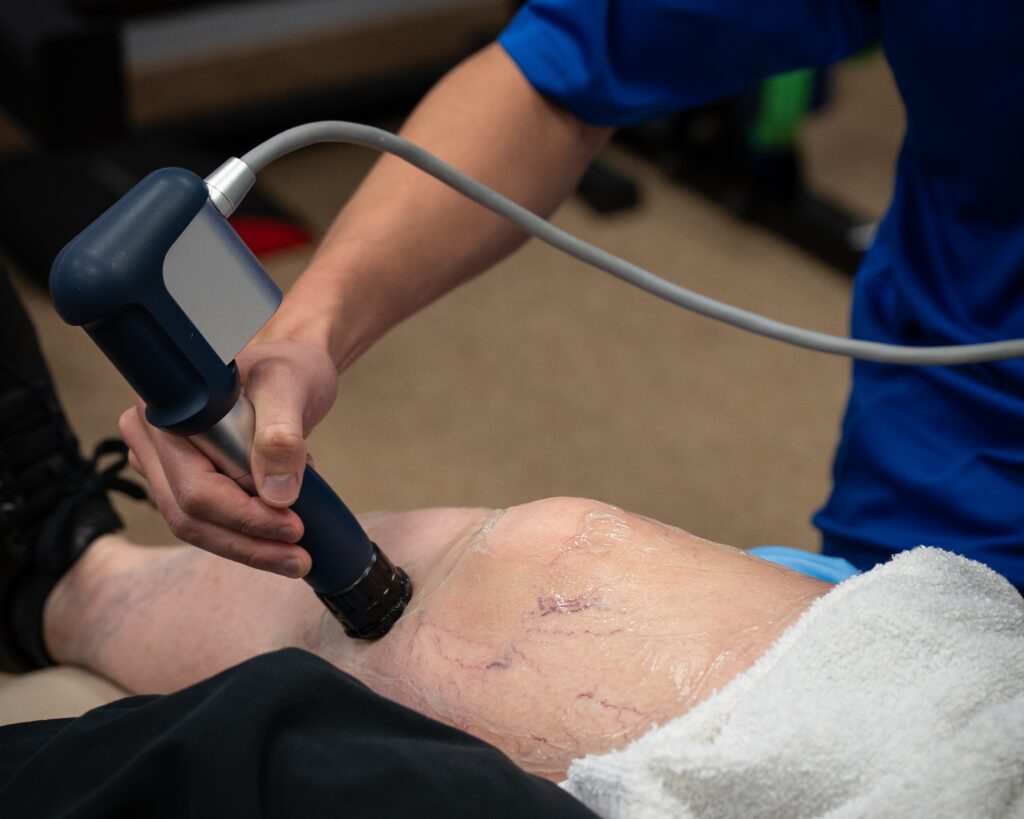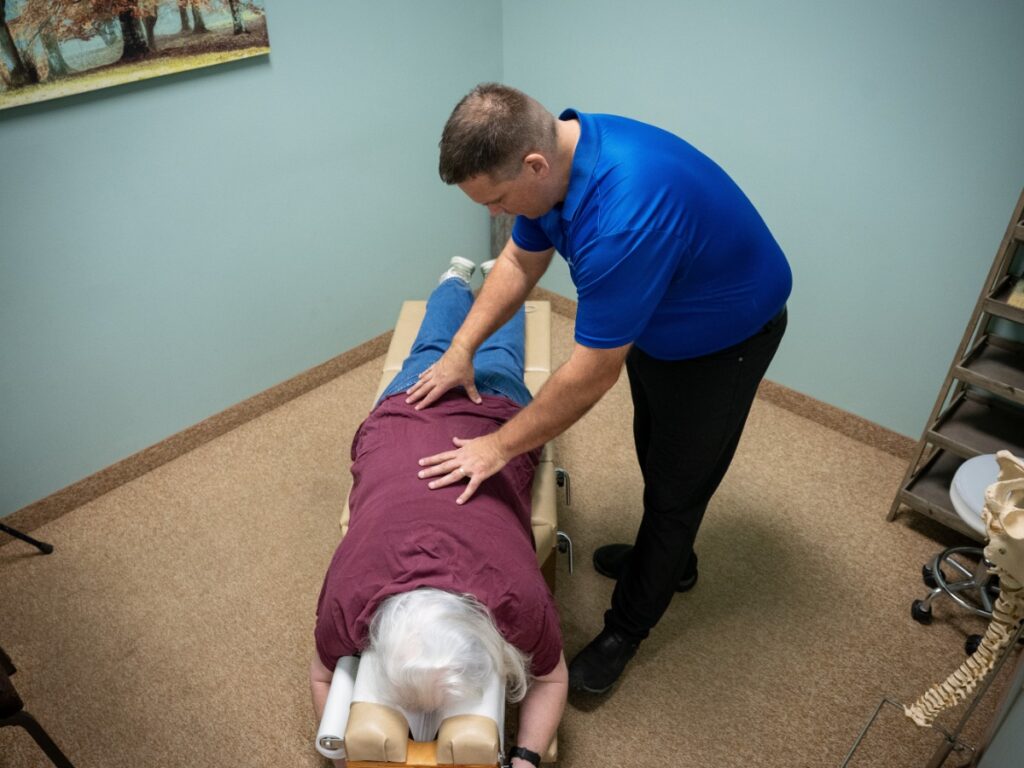

If you’re dealing with back pain, know that you’re not alone in this struggle. Many people find relief through chiropractic adjustments, and there are good reasons for that. These adjustments not only help correct misalignments in your spine but also promote the body’s natural healing processes. But that’s just the start! There are several additional strategies you can incorporate into your routine to enhance your recovery and overall well-being. Interested in learning more? Let’s dive into how chiropractic care can truly transform your back health and lead you to a life of comfort and vitality.
- Stay Active: Gentle movements and exercises tailored to your condition can strengthen your back and improve flexibility. Walking, swimming, or yoga are excellent choices to keep your body moving without strain.
- Posture Awareness: Good posture is key to preventing and alleviating back pain. Pay attention to how you sit, stand, and lift. Use ergonomic furniture and take breaks to stretch if you sit for long periods.
- Hydration: Keeping your body well-hydrated is essential for spinal health. Water helps maintain the elasticity of the spinal discs and overall joint function. Aim for at least eight glasses of water a day.
- Healthy Diet: Nourishing your body with a balanced diet rich in fruits, vegetables, whole grains, and lean proteins can contribute to your healing. Foods high in omega-3 fatty acids, like fish and walnuts, can reduce inflammation and promote recovery.
- Stress Management: Stress can contribute to muscle tension and pain. Incorporate relaxation techniques such as deep breathing, meditation, or gentle stretching to help keep your mind and body relaxed.
- Consistent Chiropractic Care: Regular visits to your chiropractor can help maintain spinal health, prevent future issues, and keep you feeling your best. Your chiropractor can tailor a care plan specifically for your needs.
- Sleep Support: A good night’s sleep is vital for healing. Invest in a supportive mattress and pillows, and try to maintain a consistent sleep schedule to help your body recover overnight.
By embracing these strategies alongside your chiropractic adjustments, you can take control of your back health and move towards a pain-free life. Remember, chiropractic care is your best ally in achieving natural pain relief and optimal wellness. Let’s work together towards your health goals!
Key Takeaways
- Chiropractic adjustments are a gentle and effective way to relieve pressure on your nerves, often providing quick pain relief after just one visit. Many of my patients feel a noticeable difference right away!
- By receiving regular adjustments, you can correct spinal misalignments, which not only enhances the function of your spine but also promotes natural healing throughout your body. This means your body can start to do what it does best: heal itself.
- Not only do adjustments help alleviate pain, but they also reduce muscle tension and improve blood circulation. This contributes to an overall sense of relaxation and can even boost your mental clarity, helping you feel more focused throughout your day.
- One of the key benefits of chiropractic care is improved alignment. When your spine is properly aligned, it supports better posture, which can significantly reduce strain on your back and neck. Good posture is essential for maintaining a healthy spine and reducing discomfort.
- Chiropractic care works beautifully alongside strengthening and stretching exercises. When you combine these practices, you can achieve improved back health and a decrease in pain. I always encourage my patients to incorporate simple stretches and strengthening routines into their daily lives to support their chiropractic care.
Remember, taking care of your spine is essential for your overall health and wellness. Regular chiropractic adjustments, along with mindful movement and posture, can lead to a happier, healthier you!
Chiropractic Adjustments for Spinal Alignment
When you experience back pain, chiropractic adjustments can be a vital part of your journey to better spinal health. These gentle, hands-on treatments are designed to correct misalignments in your spine, which often contribute to discomfort and limited mobility.
By applying controlled force to specific joints, a chiropractor helps relieve pressure on surrounding nerves and improve your body’s overall function. Many patients notice immediate relief after just one session, as adjustments help restore balance and efficiency within the body.
Regular chiropractic visits can provide long-term benefits, reducing the frequency and intensity of back pain while enhancing your overall wellness. In addition to pain relief, chiropractic care promotes better posture, which is crucial in preventing future issues.
When your spine is properly aligned, your muscles and ligaments can work more effectively, supporting not just your back but your entire health.
To support your spinal health at home, consider these simple tips:
- Maintain a proper sitting posture, using chairs that support your lower back.
- Incorporate regular stretching into your daily routine to keep your muscles flexible.
- Stay active with low-impact exercises like walking or swimming to strengthen your back and core.
- Pay attention to your sleeping position; using a supportive mattress and pillow can make a difference.
Investing in chiropractic adjustments can truly be a game-changer in managing back pain and enhancing your quality of life naturally.
Physical Therapy Techniques to Strengthen Muscles
To effectively manage back pain, it’s essential to focus on natural healing methods that strengthen your muscles and support your spine. By incorporating core stability exercises, stretching routines, and targeted muscle strengthening, you can significantly enhance your overall stability and flexibility. Chiropractic care plays a vital role in this process, as it not only addresses the root causes of your discomfort but also helps you build a stronger, more resilient back.
Let’s break down how each of these methods can benefit you:
- Core Stability Exercises: Strong core muscles are the foundation of a healthy back. These exercises help to stabilize your spine and improve your posture, which can alleviate pain. Simple movements like planks or bridges can be great starting points. Incorporating these into your routine can lead to better spinal alignment and reduced tension.
- Stretching Routines: Flexibility is key in preventing injuries and maintaining a healthy back. Regular stretching can help relieve tight muscles and improve your range of motion. Gentle stretches like the cat-cow pose or sitting toe touches can be effective. Remember, stretching should never cause pain, so listen to your body and ease into each movement.
- Targeted Muscle Strengthening: Strengthening specific muscle groups around your spine can provide better support and reduce strain. Consider exercises that focus on your lower back, glutes, and hamstrings. Resistance bands or body-weight exercises can be very useful here.
In addition to these techniques, regular chiropractic adjustments can further enhance your progress. Chiropractic care helps to realign your spine, improving your body’s natural ability to heal and function optimally. It’s a holistic approach that promotes overall wellness and supports your journey towards a pain-free life.
As you work on strengthening your back, here are some general tips to keep in mind:
- Stay consistent with your exercises, aiming for at least a few times a week.
- Pay attention to your posture throughout the day, especially if you spend long hours sitting.
- Stay hydrated and maintain a balanced diet, as overall health contributes to muscle function and recovery.
Core Stability Exercises
Core stability exercises are incredibly beneficial for those looking to alleviate back pain and enhance overall strength. These exercises specifically target the muscles in your core, such as the abdomen, hips, and lower back, which play a vital role in stabilizing your spine and pelvis. By strengthening these muscles, you create a solid foundation that supports your entire body during daily activities and helps maintain proper posture.
Incorporating simple yet effective exercises like planks, bridges, and bird-dogs into your routine can significantly improve your core stability. As you perform these movements, focus on maintaining good form and proper breathing; this will help you get the most out of each exercise. Remember, consistency is key. Aim to engage in these exercises a few times each week to see the best results.
It’s important to note that chiropractic care can also play a crucial role in your journey toward optimal health. By addressing any misalignments in your spine and ensuring your nervous system is functioning at its best, chiropractic adjustments can complement your core stability exercises and further reduce back pain.
As you work on your core strength, consider these tips:
- Start slow and gradually increase the difficulty of your exercises as you become more comfortable.
- Pay attention to your body; if something doesn’t feel right, it’s okay to modify or stop the exercise.
- Stay hydrated and maintain a balanced diet to support your overall health.
Stretching and Flexibility Routines
Stretching and flexibility routines are vital for enhancing muscle strength and alleviating back pain, and they work hand-in-hand with chiropractic care to promote optimal health. By integrating these exercises into your daily routine, you can significantly improve your range of motion and reduce tension in tight muscles, which is essential for maintaining a healthy spine.
Simple stretches, such as the cat-cow and child’s pose, are excellent for relaxing your spine and improving your posture. These movements can complement your chiropractic adjustments, helping to keep your spine aligned and functioning properly.
Regular flexibility exercises allow your muscles to adapt better to physical demands, which can lower the risk of injury and enhance your overall well-being. Moreover, stretching promotes blood circulation, aiding in recovery and supporting muscle health.
As you engage in these routines, it’s important to listen to your body—never push yourself beyond your limits. Gradually increasing your flexibility won’t only enhance your performance in daily activities but also support your back, contributing to a higher quality of life.
Incorporating these stretches into your routine is a natural way to take charge of your health. Remember, chiropractic care is an excellent option for pain relief and achieving wellness.
Strengthening Targeted Muscle Groups
Incorporating strengthening exercises into your daily routine is a fantastic way to support your back and enhance overall stability, which is essential for optimal health. As a chiropractor, I emphasize the importance of focusing on specific muscle groups, particularly your core muscles, including your abdominals and obliques. These muscles are vital for maintaining proper posture, which can significantly reduce back pain and discomfort.
Simple exercises like planks, bridges, and bird-dogs can be very effective in boosting your strength and coordination. In addition to your core, don’t overlook your glutes and hip muscles. Strong glutes help stabilize your pelvis, which can alleviate strain on your lower back—something many of my patients experience.
Moreover, strengthening your upper back and shoulders can help relieve tension and improve alignment. This is particularly beneficial as proper alignment is key to preventing injuries and maintaining a healthy spine.
To get started, focus on gradual progress. Begin with easier versions of these exercises and slowly increase the intensity as you become more comfortable. Remember, consistency is key! By regularly engaging these targeted muscle groups, you’ll build a solid foundation for your body, making daily activities easier and reducing your risk of injury.
Chiropractic care complements these strengthening exercises beautifully, as it helps align your spine and enhance your body’s natural healing abilities. Together, these practices can lead to a healthier, pain-free life without the need for surgeries or medications.
Always listen to your body and consult your chiropractor for personalized advice tailored to your unique needs.
Massage Therapy for Muscle Relaxation
If you’re dealing with back pain, it’s important to know that chiropractic care offers a natural and effective approach to muscle relaxation and overall wellness. By focusing on spinal health, chiropractic adjustments help release tension in tight muscles, improve circulation, and promote healing throughout your body. Regular chiropractic sessions can significantly reduce discomfort and enhance your quality of life.
Let’s explore some key benefits of chiropractic care:
| Benefit | Description |
|---|---|
| Muscle Tension Relief | Eases tightness in the back and surrounding muscles. |
| Improved Circulation | Enhances blood flow, helping deliver essential nutrients to injured areas. |
| Stress Reduction | Lowers cortisol levels, promoting relaxation and mental clarity. |
Incorporating chiropractic care into your routine can truly transform your health. It’s not just about alleviating pain; it’s about nurturing a healthier spine and body. Here are some general tips to complement your chiropractic visits:
- Stay Active: Engage in regular physical activity, such as walking or stretching, to keep your muscles strong and flexible.
- Maintain Good Posture: Pay attention to your posture while sitting, standing, or lifting. Proper alignment can help prevent muscle strain.
- Use Ergonomic Equipment: Consider using chairs, desks, and tools that support your spine and promote a healthy posture.
- Stay Hydrated: Drinking plenty of water helps maintain flexibility in your muscles and joints.
- Practice Relaxation Techniques: Incorporate deep breathing, meditation, or gentle yoga into your routine to help manage stress.
Scheduling a chiropractic session could be the first step toward a pain-free life. Experience the benefits of natural healing and give your back the care it deserves. Your body will thank you!
Posture Correction for Long-Term Relief
Chiropractic care is a powerful tool not only for relieving muscle tension but also for correcting posture—an essential factor in achieving long-term relief from back pain. When we’ve poor posture, it can create imbalances in our spine and surrounding muscles, leading to discomfort and pain. By practicing proper posture, you can align your spine and significantly reduce the strain on your back muscles.
During your chiropractic sessions, I’ll assess your posture and pinpoint areas that need improvement. Together, we’ll work on tailored adjustments to help restore balance and function to your body. Additionally, you’ll learn simple techniques to maintain good posture throughout your day, whether you’re sitting at a desk, standing, or lifting heavy objects.
Here are some practical tips to help you maintain good posture and support your spine health:
- Sit Smart: When sitting, make sure your feet are flat on the floor, and keep your knees at a 90-degree angle. Use a chair that supports your lower back.
- Screen Height: If you’re working on a computer, ensure your screen is at eye level. This helps prevent you from leaning forward or slouching.
- Stand Tall: When standing, keep your weight evenly distributed on both feet, and avoid locking your knees. Imagine a string pulling you up from the top of your head.
- Move Regularly: Take breaks to stand, stretch, and move around every hour to prevent stiffness and maintain good circulation.
- Mindful Lifting: When lifting heavy objects, bend at your knees and keep the object close to your body to reduce strain on your back.
By integrating these habits into your daily routine and making chiropractic care a part of your wellness journey, you can achieve optimal health and enjoy lasting relief from back pain.
Stretching Exercises to Improve Flexibility
Incorporating stretching exercises into your routine can significantly enhance your flexibility and help alleviate back pain. As a chiropractor, I often see how regular stretching can loosen tight muscles, improve your range of motion, and reduce tension in your back, making it an essential part of your wellness journey.
Simple stretches like the cat-cow stretch gently move your spine and can be a great way to start. The child’s pose is another excellent option that helps to relax your lower back. Focus on stretches that target your hamstrings, hips, and lower back, as these areas can often contribute to discomfort if they’re tight.
When performing these stretches, aim to hold each one for 20-30 seconds while breathing deeply to enhance relaxation. Consistency is key—try to stretch at least three times a week, and daily practice will yield even better results for maintaining flexibility.
Remember, chiropractic care is a natural and effective way to support your body’s ability to heal itself. By addressing alignment issues and incorporating stretching into your routine, you can enhance your overall health and well-being.
Make stretching a part of your self-care routine, and you’ll be on your way to a more flexible and pain-free life!
Ergonomic Adjustments in the Workplace
To effectively reduce back pain at work, it’s essential to optimize your desk height and select a chair that offers proper support features. A well-adjusted workspace not only enhances your posture but also contributes to your overall comfort throughout the day.
These adjustments can significantly impact your daily routine, helping you feel more energized and less fatigued.
As a chiropractor, I want to emphasize the importance of maintaining a healthy spine, as it plays a crucial role in your overall well-being. Here are some practical tips to create a more ergonomic workspace:
- Desk Height: Ensure your desk is at the right height so that your elbows are at a 90-degree angle when you’re typing. This position helps reduce strain on your back and neck.
- Chair Selection: Choose a chair that provides lumbar support. This means it should support the natural curve of your lower back, helping to maintain proper spinal alignment.
- Monitor Placement: Your computer monitor should be at eye level. This prevents you from craning your neck forward or tilting your head down, which can lead to discomfort.
- Foot Position: Keep your feet flat on the ground or on a footrest. This helps distribute your weight evenly and reduces pressure on your lower back.
- Take Breaks: Don’t forget to stand up and stretch every hour. Simple stretches can relieve tension and keep your spine flexible.
By implementing these ergonomic adjustments, you can help alleviate back pain and promote a healthier work environment.
Desk Height Optimization
As a chiropractor, I understand that many of you spend a significant portion of your workday sitting at a desk. This can lead to discomfort and back pain if your desk height isn’t optimized for your body. Adjusting your desk to the right height is a simple yet effective way to promote a healthier spine and improve your overall comfort while working.
The ideal desk height allows your elbows to rest comfortably at a 90-degree angle, while your feet remain flat on the floor. This positioning encourages natural alignment of your spine, which can help alleviate tension and prevent pain. Here’s a helpful guide on desk heights and their associated comfort levels:
| Desk Height (inches) | Comfort Level | Back Pain Reduction |
|---|---|---|
| 24 | Low | Minimal |
| 28 | Moderate | Moderate |
| 32 | High | Significant |
| 36 | Best | Major |
If your desk is set too low or too high, it can lead to strain on your back and neck, causing discomfort over time. By making adjustments to achieve the right height, you can greatly enhance your work experience. You’ll likely feel more energized and focused, making those long hours much more manageable.
In addition to adjusting your desk height, consider taking regular breaks to stand, stretch, and move around. This can help reduce stiffness and promote circulation. Remember to maintain good posture while sitting, keeping your back straight and shoulders relaxed. If you do experience back pain, chiropractic care can be a wonderful option for relief and healing. It’s important to address any discomfort early on to prevent it from becoming a chronic issue.
Chair Support Features
While adjusting your desk height is essential, the chair you choose to sit in plays a crucial role in your comfort and support throughout the workday. As a chiropractor, I emphasize the importance of an ergonomic chair that has adjustable features like seat height, lumbar support, and armrests to help you maintain a healthy posture.
A well-fitted chair can significantly reduce strain on your back and neck, which is vital for your overall well-being. To ensure your chair is supporting you properly, make sure your feet rest flat on the ground and that your knees are at a 90-degree angle.
Look for a chair with excellent lumbar support that conforms to the natural curve of your spine, promoting spinal alignment. By choosing the right chair and making these adjustments, you can alleviate back pain and enhance your productivity throughout the day.
Remember, chiropractic care is a fantastic option for pain relief and achieving optimal health. Regular adjustments can help maintain your spinal health, so don’t hesitate to reach out to a chiropractor for guidance.
Prioritizing proper ergonomics, along with chiropractic support, will help you live a healthier and more comfortable life.
Lifestyle Changes for Overall Wellness
Making simple lifestyle changes can significantly enhance your overall wellness and help alleviate back pain. As a chiropractor, I believe that embracing these changes can lead to a more energetic life and improve your quality of living. Here are a few adjustments for you to consider:
- Stay Active: Engaging in regular exercise, especially activities that strengthen your back and core muscles, is essential. This not only reduces pain but also supports your spine’s health. Consider exercises like walking, swimming, or yoga—these are gentle yet effective ways to keep your body moving.
- Maintain Good Posture: Proper alignment while sitting or standing is crucial. When you practice good posture, you help prevent strain on your back. Be mindful of how you sit at your desk or when using your phone. Small adjustments can make a big difference.
- Hydrate: Drinking enough water is vital for your body, especially for the spinal discs that act as cushions between your vertebrae. Staying hydrated keeps these discs functioning well, which is important for a healthy spine.
- Practice Mindfulness: Incorporating stress management techniques like meditation or deep-breathing exercises can alleviate tension in your body. When your mind is at ease, it can help reduce physical pain, including back discomfort.
- Get Quality Sleep: Prioritizing a good night’s sleep is essential for your body’s repair processes. Quality rest allows your spine and muscles to recover, leading to improved overall health. Consider a supportive mattress and pillow that promote proper spinal alignment during sleep.
Chiropractic care is an excellent way to support these lifestyle changes. Regular chiropractic adjustments can help ensure your spine is aligned and functioning optimally, ultimately providing you with the pain relief and wellness you deserve.
Conclusion
Incorporating chiropractic adjustments into your daily routine can be a transformative step towards achieving relief from back pain. By realigning the spine, reducing muscle tension, and promoting proper posture, chiropractic care not only helps you feel better but also boosts your overall wellness.
To maximize the benefits of your adjustments, consider integrating physical therapy exercises, gentle stretching, and ergonomic improvements in your workspace. These complementary strategies can create a well-rounded approach to managing pain and support your journey to better health.
Here are some simple tips you can easily apply:
- Stay Active: Regular movement is crucial. Gentle activities like walking or swimming can keep your spine healthy.
- Practice Good Posture: Be mindful of your posture when sitting or standing. This can significantly reduce strain on your back.
- Stretch Daily: Incorporate stretching into your routine to maintain flexibility and relieve tension in your muscles.
- Use Ergonomic Furniture: Invest in an ergonomic chair and desk setup to support your spine while working or studying.
- Stay Hydrated: Proper hydration supports spinal health and helps keep the discs in your spine functioning well.
By embracing these strategies alongside your chiropractic care, you’re likely to experience significant improvements in your back health and overall quality of life. Remember, choosing chiropractic care is a natural, effective way to promote healing and wellness, putting you on the path to optimal health.