
Whiplash After a Car Accident in Blaine: A Chiropractor’s Guide to Recovery
If you were recently involved in a car accident in Blaine—whether a low-speed fender bender on Highway 65 or a sudden stop at an intersection—you may now be feeling neck pain, stiffness, or headaches. These are classic signs of whiplash. As a chiropractor at Catalyst Chiropractic And Rehab, I see this every week. With the right plan and timely care, most people do very well. This guide explains what whiplash is, why symptoms can be delayed, and how chiropractic care provides a frontline, non-invasive path to recovery.
We’ll keep things simple and practical. You’ll learn what to watch for, how your neck is affected, and the steps we take here in Blaine to help you heal and get back to your life.
Quick definition: Whiplash is a neck injury caused by a rapid back-and-forth motion of the head, most often from a car accident. It can strain muscles, irritate joints and discs, and inflame surrounding tissues, leading to pain, stiffness, and headaches.
Table of Contents
- What Whiplash Is and Why It Happens
- Common Signs and Symptoms After a Car Accident
- How Whiplash Affects the Spine and Nervous System
- Why Prompt Chiropractic Evaluation Matters in Blaine
- How Chiropractic Care at Catalyst Chiropractic And Rehab Helps
- Practical Steps You Can Take Today
- When to See a Chiropractor After a Car Accident
- When to Seek Urgent Medical Care
- Myths and Facts About Whiplash and Car Accidents
- Final Thoughts for Our Blaine Community
- FAQs
- TL;DR
What Whiplash Is and Why It Happens
Whiplash happens in a split second. During a rear-end or sudden-impact collision, your body moves with the seat while your head briefly lags behind. Then it rapidly accelerates forward. This creates a force that can overstretch soft tissues in your neck and irritate the joints that guide neck motion.
Even at relatively low speeds, the neck can experience sudden strain. Muscles tighten defensively, ligaments can micro-tear, and the small joints (facet joints) in the neck can become inflamed. Discs may also become irritated. This combination is what leads to the soreness and limited range of motion many people feel soon after a crash or within the next 24–72 hours.
Common Signs and Symptoms After a Car Accident
Neck pain and stiffness are the most recognizable signs. Many patients also report headaches, especially at the base of the skull. Shoulder or upper back soreness is common too. You might notice pain when looking over your shoulder, difficulty getting comfortable to sleep, or feeling “heavy” in the head and neck.
Other symptoms can include jaw tension, dizziness, or a sense of fatigue. Concentration can be harder for a few days. It’s also very common for symptoms to begin mildly and gradually increase over the first couple of days. That delayed onset can be confusing, but it’s a known pattern after a rapid acceleration-deceleration event.
If symptoms are intense right away or clearly worsening, it’s a good reason to get evaluated promptly. The sooner we identify the involved tissues and movement patterns, the sooner we can help calm irritation and restore normal function.
How Whiplash Affects the Spine and Nervous System
Your neck is a finely tuned structure built to move in multiple directions while protecting the spinal cord and nerves. Each vertebra connects through facet joints and is supported by ligaments and muscles. When whiplash occurs, the sudden motion can upset this balance.
Here’s the simple version: strained muscles tighten, irritated joints limit movement, and inflamed tissues become sensitive. This can change how you hold your head, how you breathe, and even how your shoulders move. Over time, guarding patterns may spread tension into the upper back and mid-back. That’s why a whiplash injury often “lives” in more than just the neck.
Good news: the body is resilient. With targeted chiropractic care, many people quickly regain mobility, reduce pain, and prevent this short-term injury from turning into a long-term problem.
Why Prompt Chiropractic Evaluation Matters in Blaine
Here in Blaine, we see people right after their accident and others who waited weeks hoping symptoms would fade. Both can improve, but timely evaluation typically leads to a smoother recovery. Chiropractic is a frontline, conservative approach that prioritizes restoring healthy joint motion, reducing inflammation, and normalizing muscle tone without drugs or surgery.
We focus first on what we can measure: range of motion, joint mobility, tenderness, and functional movement. If your history or exam suggests something more complex, we discuss appropriate imaging or a referral. Most patients, however, benefit from hands-on chiropractic care and a clear plan to support healing at home and at work.
How Chiropractic Care at Catalyst Chiropractic And Rehab Helps
At Catalyst Chiropractic And Rehab, chiropractic care is central to how we evaluate and treat whiplash injuries. Our process is thorough and personalized. Here’s what that looks like:
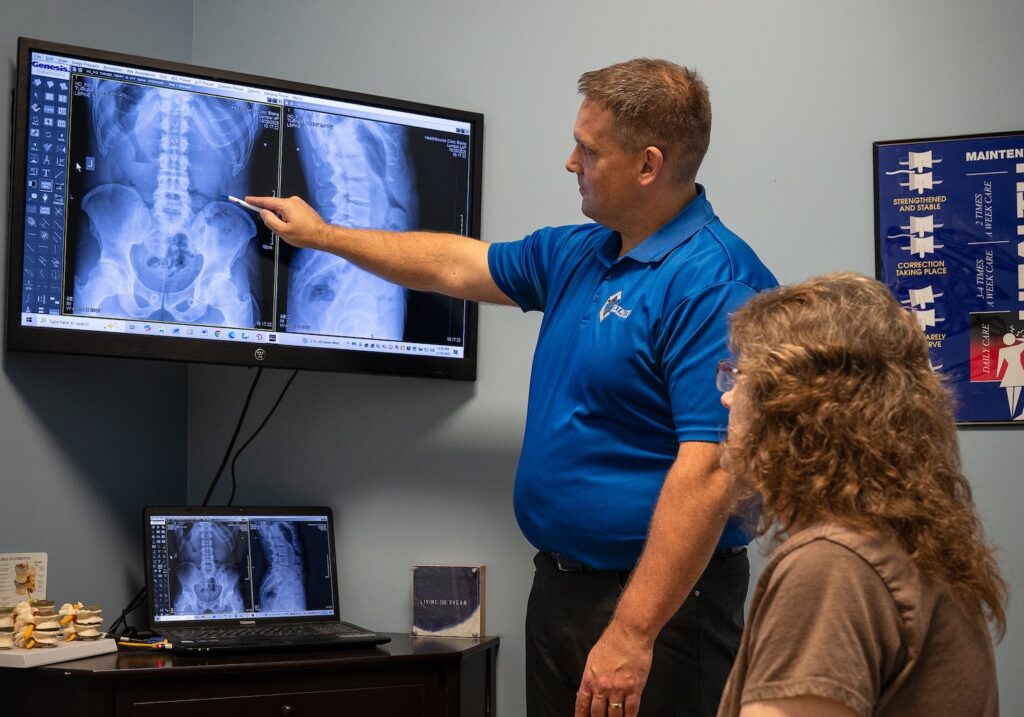
- Individualized assessment: We take a careful history of the accident, your symptoms, and your daily activities. We evaluate spine and rib mobility, muscle tone, joint tenderness, and neurological function. This builds a clear picture of what’s involved.
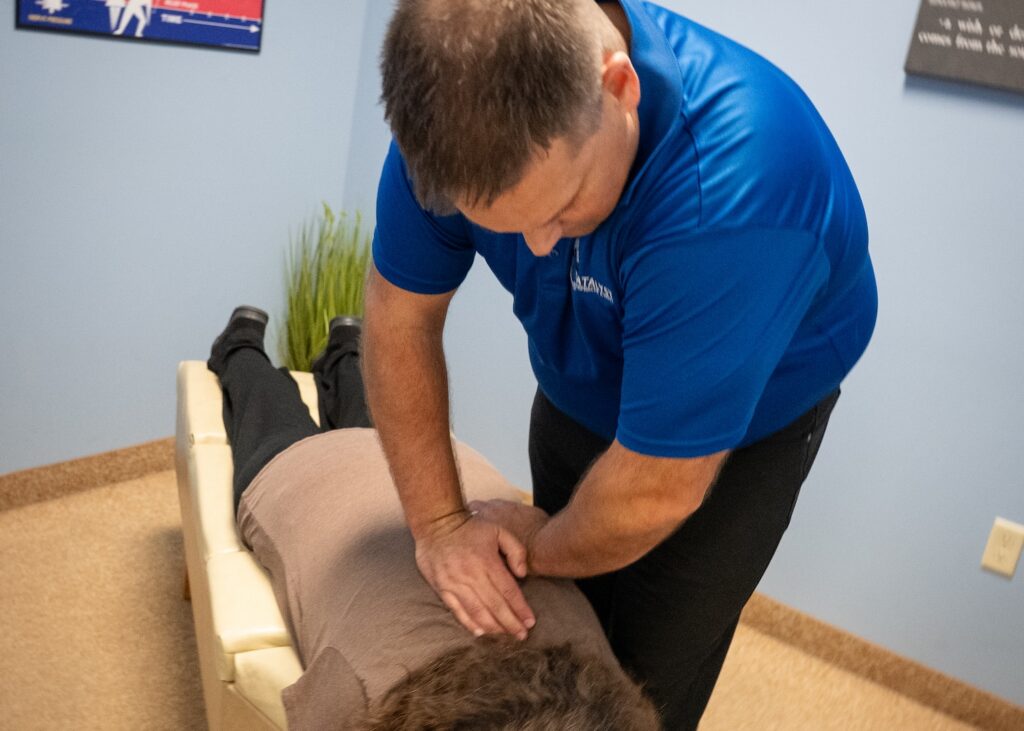
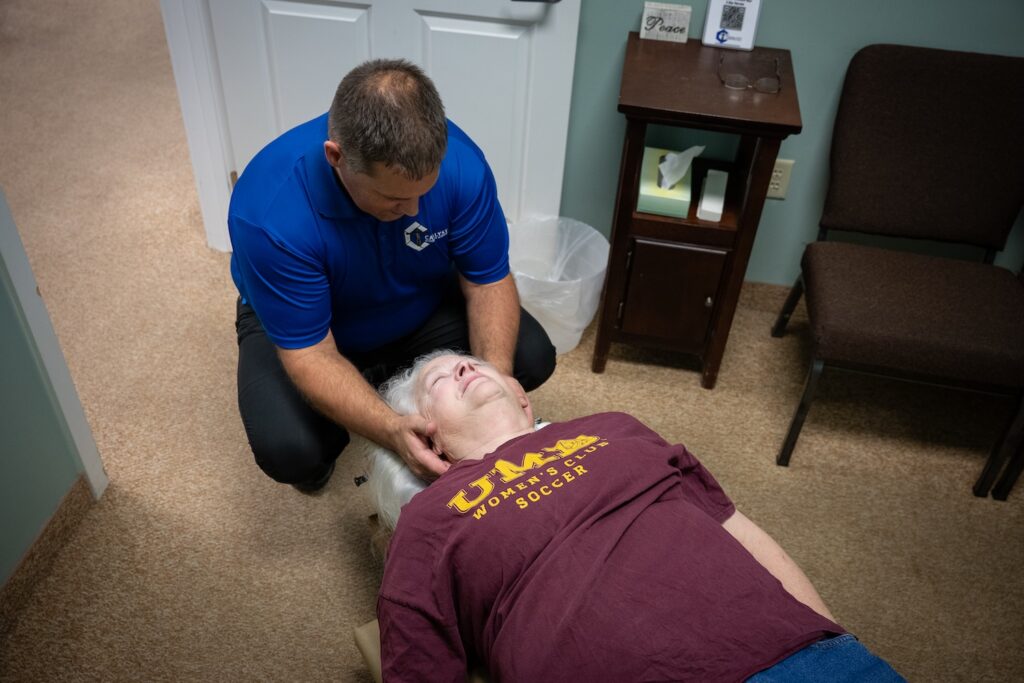
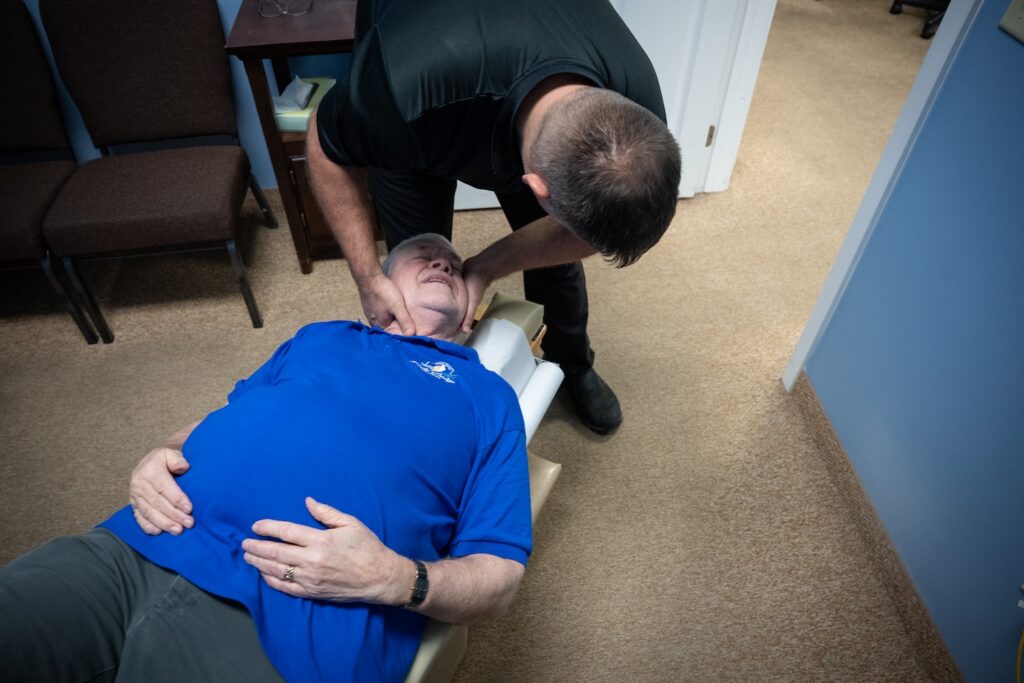
- Chiropractic adjustments: Gentle, precise adjustments help restore motion to restricted cervical and thoracic joints. As normal movement returns, pain often eases and muscles can relax. We match the technique to your comfort level and stage of healing.
- Targeted mobilization and soft tissue work: In addition to adjustments, we use hands-on methods within chiropractic practice to reduce muscle guarding and improve flexibility. Calming tight areas supports better mechanics and comfort.
- Rehabilitation strategies: We teach simple, specific movements that retrain posture, build stability, and restore neck endurance. These exercises are safe and progressive. The goal is to help you move with confidence and prevent re-aggravation.
- Ergonomic and daily-life coaching: We review your desk setup, driving position, sleep posture, and activity pacing. Small changes add up. Reducing strain outside the clinic helps your body heal faster.
Every plan respects the body’s natural healing timeline. We don’t rush or push through pain. We guide recovery, monitor progress, and adjust your plan as your function improves. Research suggests spinal manipulation and related manual therapies can help reduce neck pain and improve range of motion for many patients when applied by trained professionals. For background on manual therapies and safety, see the National Center for Complementary and Integrative Health (NCCIH): Spinal Manipulation: What You Need to Know.
Practical Steps You Can Take Today
- Honor gentle movement. Short, frequent neck movements within a pain-free range help circulation and reduce stiffness. Avoid holding your head in one position for long periods.
- Use short intervals of cold, then neutral. A brief cold pack can calm irritation in the first few days. Keep a layer between your skin and the pack, and limit to short sessions.
- Support your posture. Keep screens at eye level, elbows relaxed, and shoulders dropped. In the car, set your headrest close to the back of your head and sit tall through your sternum, not your chin.
- Sleep smart. Try a supportive pillow that keeps your neck neutral. Side or back sleeping often feels best while healing.
- Ease back into activity. Start with light, low-impact movement. Gradually increase as your comfort and mobility improve.
When to See a Chiropractor After a Car Accident
If you have neck pain, stiffness, headaches, shoulder or upper back soreness, or limited motion after a car accident, schedule a chiropractic evaluation promptly—ideally within the first few days. Early care can help reduce pain and prevent protective movement patterns from setting in.
If you waited and symptoms persist, it’s still worthwhile to come in. Many people improve even if they start care weeks after the incident. Consistency, good communication, and a tailored plan matter more than the exact start date.
Not sure if your symptoms are related to the accident? We’ll sort that out together. If something requires co-management or referral, we’ll explain why and coordinate next steps.
When to Seek Urgent Medical Care
Chiropractic care is not emergency care. Certain signs mean you should seek urgent medical attention first. If you have significant head trauma, loss of consciousness, worsening neurological symptoms such as arm or hand weakness, new numbness spreading into both arms, severe unrelenting headache, double vision, difficulty speaking, or loss of bladder or bowel control, go to urgent care or the emergency department before any musculoskeletal care. If a serious injury is suspected, emergency evaluation comes first. We can always provide chiropractic care afterward if appropriate.
Myths and Facts About Whiplash and Car Accidents
| Myth | Fact |
|---|---|
| “If my car isn’t badly damaged, I can’t be hurt.” | Vehicle damage doesn’t always match what your neck experiences. Even low-speed impacts can strain soft tissues. |
| “Pain must show up right away to be serious.” | Symptoms often build over 24–72 hours as inflammation develops and muscles tighten. |
| “Resting and avoiding movement is the best fix.” | Short-term rest is fine, but gentle movement usually supports better recovery than prolonged immobility. |
| “I should wait a few weeks; it’ll just go away.” | Some cases improve on their own, but timely chiropractic evaluation can speed relief and help prevent lingering issues. |
Final Thoughts for Our Blaine Community
Car accidents are stressful. Whiplash adds to that stress by disrupting sleep, work, and the activities you love. You don’t have to navigate it alone. At Catalyst Chiropractic And Rehab here in Blaine, our chiropractic-first approach focuses on restoring normal joint motion, calming irritated tissues, and guiding you back to confident movement.
If you’re unsure whether your symptoms are from your accident, or you’re nervous about what to do next, we’re happy to talk it through and examine you carefully. When the right steps are taken early, most people do very well.
FAQs
Can whiplash symptoms show up days after a car accident?
Yes. It’s common for pain and stiffness to build over 1–3 days as inflammation increases and muscles tighten. If symptoms are appearing or worsening, schedule a chiropractic evaluation.
Do I need X-rays or an MRI for whiplash?
Not always. Many cases can be assessed and managed with a thorough history and exam. Imaging is considered when red flags, significant trauma, or neurological findings are present.
Is chiropractic safe after a car accident?
For most people, yes. We screen carefully to ensure it’s appropriate and adapt techniques to your comfort and healing stage. If something needs medical referral, we’ll guide you there first.
How long does whiplash take to heal?
Timelines vary. Many patients improve steadily over weeks with consistent chiropractic care and home strategies. We tailor the plan and pace to your response.
Should I rest or keep moving?
Short-term rest can help, but gentle, pain-free movement typically supports better recovery than prolonged inactivity. We’ll show you exactly how to move safely.
TL;DR
- Whiplash is a rapid neck strain from a car accident that can irritate joints, muscles, and discs.
- Symptoms may be delayed and include neck pain, stiffness, and headaches; early chiropractic care helps.
- Chiropractic adjustments, mobilization, and guided rehab restore motion, reduce pain, and support healing.
- Seek urgent medical care first if you have head injury, progressive neurological symptoms, or severe red flags.
- Here in Blaine, Catalyst Chiropractic And Rehab is ready to assess your injury and map a clear, comfortable plan forward.