
Headaches can steal your focus, your energy, and your enjoyment of daily life. The good news is that most headaches aren’t random. They have patterns and triggers you can learn to manage. At Catalyst Chiropractic And Rehab here in Blaine, we help patients prevent headaches by improving the way the spine, muscles, and nervous system work together. In this guide, you’ll learn practical headache prevention strategies you can start today, plus how chiropractic care addresses the root causes—not just the symptoms.
What are headache prevention strategies? Headache prevention strategies are proactive steps—at home and in the clinic—that reduce headache frequency, intensity, and impact. They focus on identifying triggers, improving posture and movement, and restoring normal function in the spine and surrounding tissues.
Why Preventing Headaches Matters for Your Spine and Nervous System
Your head, neck, and upper back act as a coordinated system. When posture breaks down—like a forward head position at a computer—muscles overwork, joints stiffen, and sensitive structures in the neck can send pain signals that present as a headache. Over time, the nervous system becomes more reactive, making headaches come on faster and linger longer. Preventing headaches isn’t just about avoiding pain; it’s about restoring healthy movement and keeping your nervous system calmer and more resilient.
In our Blaine office, we often see that once the neck and mid-back move better and posture improves, patients experience fewer and less intense headaches. Prevention is powerful because it addresses the “why,” not just the “what.”
The Most Common Headache Patterns We See in Blaine
Not all headaches are the same. Understanding your pattern helps you choose the right prevention strategy:
- Tension-type headache: A band-like pressure or ache across the forehead, temples, or back of the head. Often linked to stress, posture, and muscle tightness in the neck and shoulders.
- Cervicogenic headache: Headache that begins in the neck and can travel to the face, forehead, or eye. Typically one-sided and tied to neck movement or sustained postures. It’s a spine-driven headache, making chiropractic care particularly relevant.
- Migraine: Throbbing pain, often one-sided, with sensitivity to light or sound, sometimes nausea. Movement can make it worse. While migraines have complex causes, mechanical tension in the neck and poor posture can act as triggers for many people.
The Biomechanics Behind Headaches (Explained Simply)
Your neck is made up of seven vertebrae, stacked like building blocks with joints, discs, and ligaments supporting movement. When the head drifts even one inch forward, the effective load on the neck increases significantly. Muscles in the upper back and base of the skull must work overtime to hold the head up. Overworked tissues become tight and irritable, joints become restricted, and nerves become more sensitive—conditions that commonly contribute to headaches.
Another key area is the junction of the neck and mid-back (the cervicothoracic junction). If this area is stiff, your neck compensates with extra motion at the top segments of the neck, where many headache-sensitive structures live. Balanced movement throughout the spine is essential for prevention.
| Common Trigger | Simple Prevention Move |
|---|---|
| Prolonged screen time with forward head posture | Set screens at eye level and reset posture every 30–45 minutes |
| Jaw clenching and stress | Gentle tongue-on-palate rest position, scheduled breathing breaks |
| Dehydration | Sip water consistently through the day; aim for light yellow urine |
| Sleeping with two high pillows | Use a single, supportive pillow that keeps the neck neutral |
| Skips in meals or caffeine fluctuations | Steady mealtimes and consistent caffeine routine |
How Chiropractic Care Helps Prevent Headaches at the Source
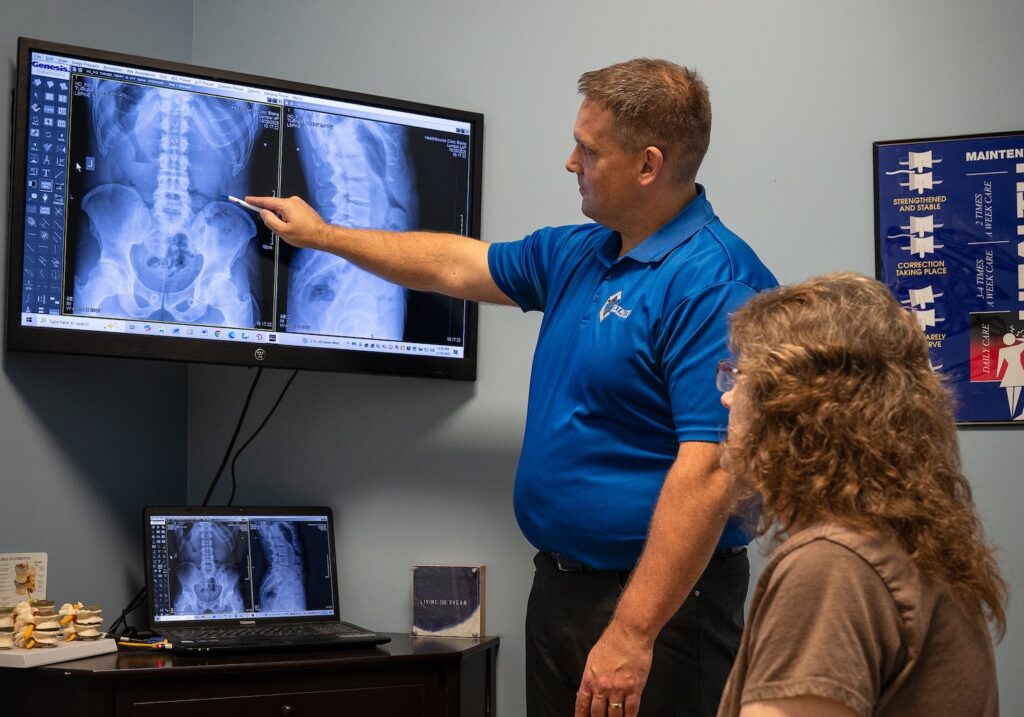
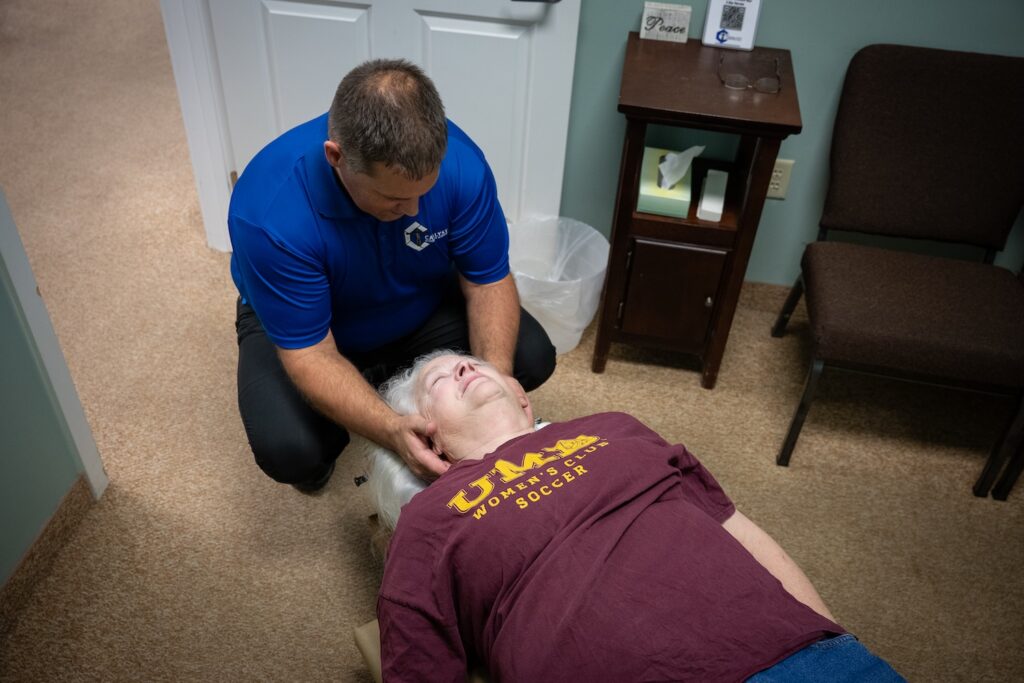
Chiropractic care is a frontline, non-drug approach to many headache patterns—especially those driven by neck mechanics and posture. At Catalyst Chiropractic And Rehab, we begin with a thorough evaluation of your spine, movement, posture, and lifestyle triggers. From there, we build a targeted plan to restore normal function.
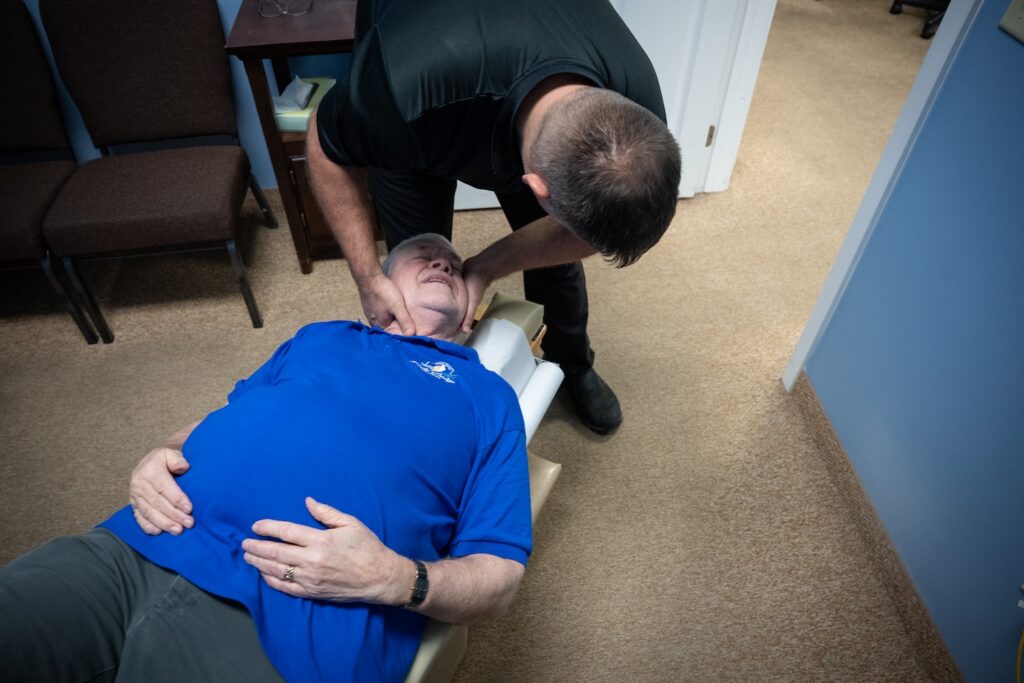
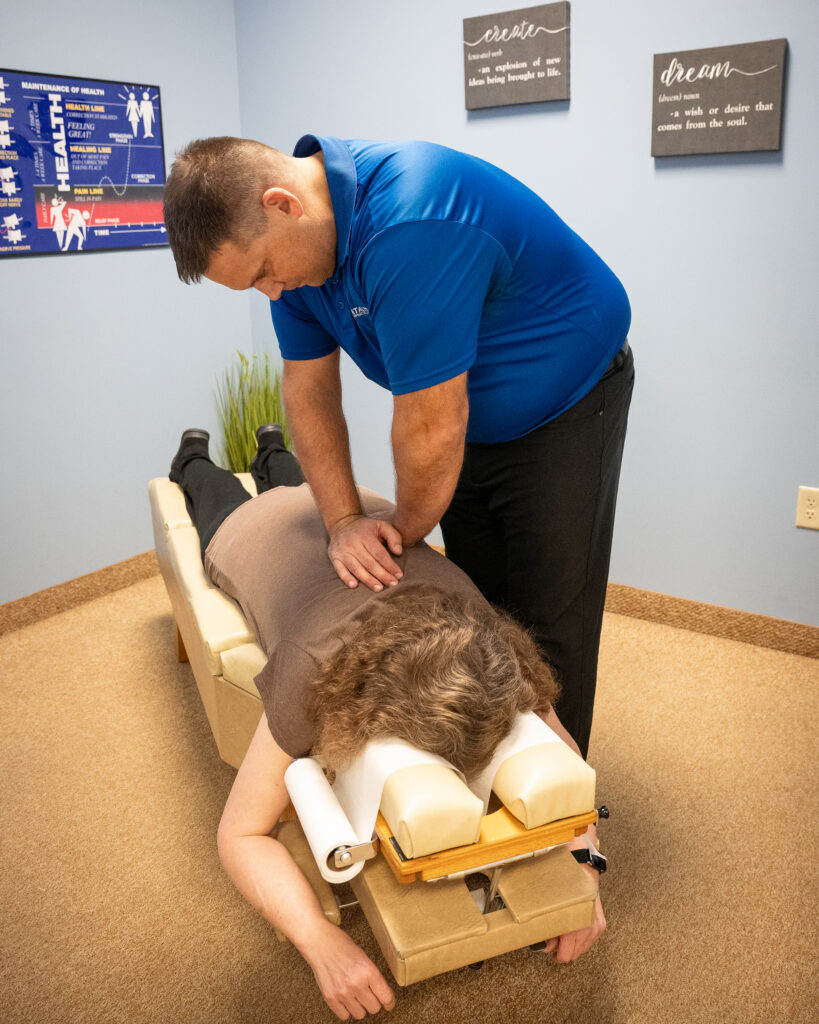
What this looks like in our clinic: We use precise spinal and extremity adjustments to improve joint motion and alignment. This reduces mechanical stress on the neck and upper back—the same stress that often sparks headaches. We also address soft-tissue tension, calming overactive muscles at the base of the skull, along the neck, and across the shoulders. When the spine moves better and tissues are healthier, nerves are less irritated and the head and neck system becomes more resilient.
Why chiropractic first: Adjustments directly target the biomechanical drivers behind many headaches. Rather than masking pain, we work to correct the underlying joint restrictions and muscular imbalances so your system can function the way it’s designed to. Lifestyle coaching, posture resets, and simple home exercises then help you maintain those gains between visits.
Our goal is to reduce the frequency and intensity of your headaches and help you stay ahead of them—so you can get back to work, family time, and the activities you love around Blaine without worrying when the next headache will hit.
Practical, Everyday Prevention Strategies You Can Start Today
These strategies complement chiropractic care and help you reinforce healthier patterns throughout your day.
Posture resets that stick: Sit tall with your ears over your shoulders and your ribcage gently stacked over your pelvis. Imagine lengthening the back of your neck instead of jutting your chin forward. If you use screens a lot, raise them to eye level and bring them closer rather than leaning in.
Microbreak formula (the 30–2 rule): For every 30 minutes of sitting or focused screen time, spend 2 minutes moving. Gentle chin tucks, shoulder rolls, a quick walk to the printer—anything that changes position and lets muscles reset.
Sleep setup: Pick one supportive pillow that keeps your neck neutral. If you’re a side sleeper, your pillow should fill the space between your ear and shoulder so your head doesn’t tip. If you’re on your back, avoid propping your head too high. Consider a small pillow or rolled towel under the neck, not the head.
Hydration and steady fueling: Dehydration and big swings in blood sugar can make headaches more likely. Keep a water bottle nearby and aim for consistent meals and snacks with protein, fiber, and healthy fats.
Calm the jaw and the breath: Jaw clenching loads the muscles that attach to your head and neck. Rest your tongue gently on the roof of your mouth just behind your front teeth and keep your lips together, teeth slightly apart. Pair this with slow nasal breathing—four seconds in, six seconds out—to reduce tension.
Smart exercise: Regular movement supports circulation, eases stress, and strengthens postural muscles. A balanced weekly plan might include walking or cycling, gentle strength training, and mobility for the neck, shoulders, and upper back. If exercise triggers headaches, start low and slow, and let us tailor a plan around your needs.
Daily micro-habits that help:
- Set posture reminders on your phone.
- Keep a water bottle within reach.
- Use a headset for calls.
- Switch shoulders when carrying a bag.
- Log brief notes about what you were doing before a headache started.
Patterns become easier to fix when you can see them.
When to See a Chiropractor in Blaine
If headaches are affecting your work, sleep, workouts, or mood, it’s time for a professional evaluation. Chiropractic care is especially appropriate when headaches seem tied to posture, screen time, or neck movement—or when you feel tightness at the base of your skull and shoulders.
Consider scheduling with our team at Catalyst Chiropractic And Rehab if:
- You’re getting headaches more than once a week, or your “occasional” headaches are becoming more frequent.
- The pain lasts longer than 2–3 weeks despite rest and basic self-care.
- Headaches follow a neck strain (new workout, long drive, awkward sleep, minor whiplash).
- Headaches start during the workday and ease on weekends—often a posture or ergonomic clue.
- You notice neck stiffness, limited rotation, or jaw tightness along with your headaches.
We’ll perform a focused exam, explain what we find in plain language, and outline a plan to restore healthy motion and reduce triggers. If your case needs co-management or medical referral, we’ll tell you clearly and help coordinate next steps.
When Headaches Need Urgent Medical Care
Most headaches are not dangerous. But a few red flags need prompt medical attention. Seek urgent care or emergency evaluation if you experience:
- Sudden, severe “worst-ever” headache, especially if it peaks in seconds or comes with neck stiffness, fever, fainting, confusion, weakness, or vision loss.
Also contact your medical provider promptly if your headache follows a significant head injury, is associated with new neurological symptoms (like facial drooping, slurred speech, or limb weakness), or if you have a known medical condition where your provider has given you specific instructions about headaches. Chiropractic care is not emergency care; your safety comes first.
Myths and Facts About Headaches and Chiropractic
- Myth: “If I get headaches, I just have to live with them.”
- Fact: Many headaches are tied to posture and movement patterns that can be improved. With the right plan, people often see fewer and less intense episodes.
- Myth: “A pill is the only way to stop a headache.”
- Fact: Medication can be helpful for symptom relief, but it doesn’t correct mechanical issues in the neck or poor posture. Chiropractic care addresses those root causes and can be used proactively to prevent headaches.
- Myth: “Chiropractic is only for back pain.”
- Fact: The neck, jaw, and upper back play a major role in many headache patterns. Restoring motion and reducing tension in these areas is a core part of chiropractic care.
- Myth: “If my X-ray or MRI is normal, nothing can help.”
- Fact: Headache triggers are often functional—posture, joint restriction, or muscle imbalance—not structural damage. Functional problems respond well to conservative care.
Final Thoughts from Our Blaine Chiropractic Team
Headache prevention isn’t one big change—it’s a set of small, consistent actions supported by expert, hands-on care. If you live or work in Blaine, we’re here to help you understand your triggers, restore healthy movement, and build a plan that fits your life. If you have questions about posture, workspace setup, sleep position, or starting care, reach out. We love helping our community move, feel, and live better—headache-free more of the time.
FAQs
What type of headaches respond best to chiropractic care?
Headaches that involve the neck—like cervicogenic and many tension-type headaches—often respond well. Some migraine sufferers also notice fewer triggers when neck and postural issues are addressed.
How soon will I notice changes after starting chiropractic care?
Many patients feel improvement within the first few visits, especially in neck movement and muscle tension. Frequency and intensity tend to improve over a few weeks as changes hold between visits. Everyone’s timeline is different.
Can poor posture really cause headaches?
Yes. Forward head posture and rounded shoulders load the neck and upper back, irritating tissues that can refer pain into the head. Correcting posture and restoring joint motion often reduces headaches.
Is chiropractic safe for headaches?
Chiropractic care is generally considered safe when performed by a licensed chiropractor. We screen for red flags and tailor techniques to your comfort and health history.
What can I do at work to prevent headaches?
Keep screens at eye level, use a headset for calls, take a 2-minute movement break every 30 minutes, and stay hydrated. Pair these with regular chiropractic care to address the root causes.
TL;DR
- Most recurring headaches have fixable triggers in posture, neck mechanics, and daily routines.
- Chiropractic care is a frontline, non-drug approach that targets the root mechanical causes of many headaches.
- Simple habits—posture resets, microbreaks, steady hydration, and sleep support—boost prevention.
- See a chiropractor if headaches are frequent, tied to neck movement, or lasting more than 2–3 weeks.
- Seek urgent medical care for sudden, severe headaches or any headache with neurological red flags.