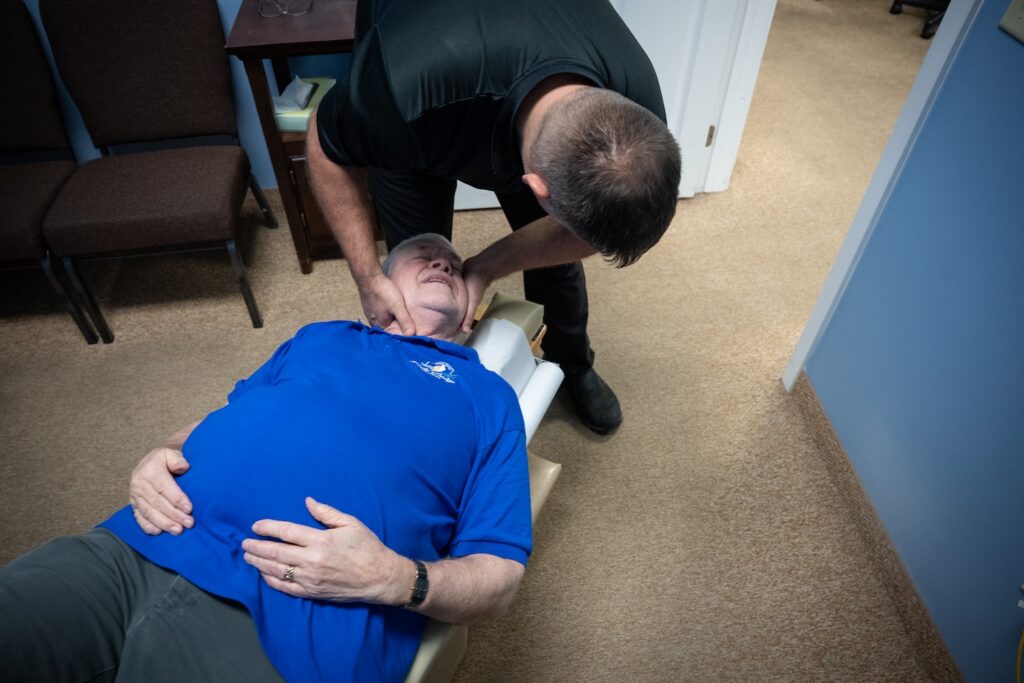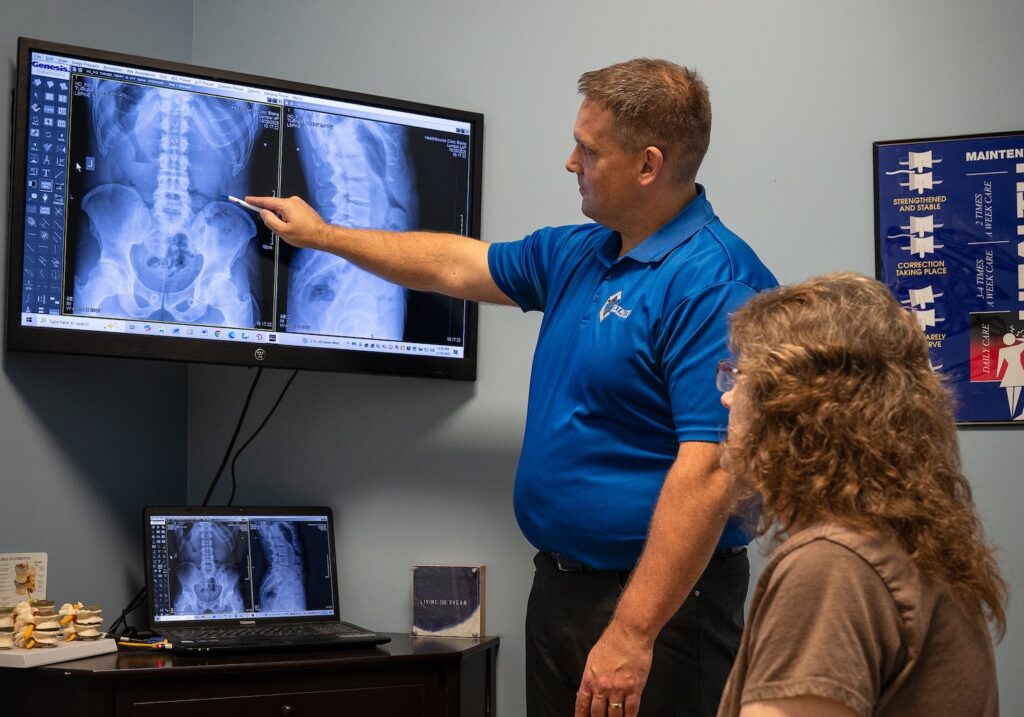

If you’re seeking to improve your joint flexibility and movement, you’re in the right place. As a chiropractor, I believe that natural methods can make a significant difference in how your joints feel and function. Regular chiropractic care can help align your spine and improve your overall joint health, paving the way for greater comfort and mobility in your daily activities.
In addition to chiropractic adjustments, there are simple yet effective strategies you can incorporate into your routine. Here are some tips that can help you enhance your joint flexibility:
- Regular Stretching: Gentle stretching can help maintain and improve your flexibility. Incorporate stretches that focus on major joints like knees, hips, shoulders, and wrists. This can be easily done at home or even at your workplace.
- Mindful Breathing Exercises: Deep breathing can help relax your muscles and joints. Take a few moments each day to practice deep, mindful breathing, which can also aid in reducing stress, a common contributor to joint tension.
- Stay Active: Engage in low-impact activities such as walking, swimming, or cycling. These activities help to keep your joints moving without putting too much strain on them.
- Focus on Posture: Good posture is vital for spinal alignment and overall joint health. Be mindful of your posture while sitting, standing, or lifting objects to prevent unnecessary stress on your joints.
- Hydration is Key: Keeping your body well-hydrated can help maintain the lubrication in your joints. Drink plenty of water throughout the day to support joint function.
- Nutrition Matters: A balanced diet rich in vitamins, minerals, and omega-3 fatty acids can help reduce inflammation and support joint health. Consider incorporating foods like fatty fish, nuts, and leafy greens into your meals.
- Regular Chiropractic Check-ups: Finally, don’t underestimate the power of regular chiropractic care. Routine adjustments can help keep your spine aligned, reduce pain, and promote better movement, leading to enhanced joint flexibility.
By implementing these strategies alongside regular chiropractic care, you can take significant steps towards achieving optimal joint health and overall wellness. Remember, your joints are crucial for your mobility, and caring for them naturally is the best way to promote a healthier, more active lifestyle.
Key Takeaways
7 Tips for Enhanced Joint Flexibility and Movement
As a chiropractor, I often emphasize the importance of joint flexibility and movement for overall health and wellness. Here are some practical tips to help you enhance your joint flexibility, reduce discomfort, and promote a healthier lifestyle—all while keeping chiropractic care at the forefront of your wellness journey.
- Regular Stretching: Aim to incorporate a simple stretching routine at least three times a week. This can help improve your joint flexibility and overall mobility. Stretching helps keep your muscles limber and supports joint function, making it easier for you to move freely.
- Low-Impact Exercises: Consider engaging in low-impact activities such as swimming, yoga, or cycling. These exercises are gentle on your joints and can significantly enhance flexibility and joint function. Plus, they provide excellent cardiovascular benefits without putting too much strain on your body.
- Foam Rolling Techniques: Foam rolling is a fantastic way to relieve muscle tension and improve your range of motion. By using a foam roller on major muscle groups, you can help to alleviate tightness and promote better circulation, which is essential for joint health.
- Healthy Weight Management: Maintaining a healthy weight is crucial for reducing strain on your joints. By keeping your weight in check, you can lessen the pressure on your joints and support better overall joint health. Chiropractic care can also assist you with personalized strategies for weight management.
- Mindfulness Practices: Incorporating mindfulness techniques, such as deep breathing and progressive relaxation, can support your flexibility and enhance body awareness. These practices help reduce stress, which can contribute to muscle tightness and joint discomfort.
- Chiropractic Care: Regular visits to your chiropractor can greatly enhance your joint flexibility and overall movement. Chiropractic adjustments can help realign your spine, improve nerve function, and reduce pain, allowing your body to move more freely. Your chiropractor can also provide tailored advice on exercises and stretches that suit your individual needs.
- Stay Consistent: The key to achieving and maintaining joint flexibility is consistency. Make these practices a regular part of your routine, and you’ll likely notice improvements in your mobility and overall well-being.
Remember, taking care of your joints is essential for a healthy, active lifestyle. By following these tips and incorporating chiropractic care into your wellness plan, you can achieve optimal health and enjoy a more flexible, pain-free life.
Incorporate Regular Stretching Routines
While it might be tempting to skip stretching, incorporating regular routines is essential for enhancing your joint flexibility and overall well-being. Stretching is a natural way to maintain the elasticity of your muscles and tendons, which allows your joints to move freely and comfortably.
Before diving into any physical activity, start with dynamic stretches such as arm circles and leg swings to warm up your body.
As you develop a habit, it’s beneficial to include static stretches, where you hold each position for about 15-30 seconds. Pay special attention to major joints, including your hips, shoulders, and knees. This practice can lead to an improved range of motion and reduced tension, which is vital for maintaining a healthy spine and preventing discomfort.
Aim to stretch at least three times a week, and if you can, make it a daily routine. Always listen to your body; don’t push through pain. Instead, gently ease into each stretch and focus on your breathing.
With consistent practice, you’ll not only enhance your flexibility but also lower the risk of injuries. This will allow for smoother, more enjoyable movements throughout your day.
Remember, chiropractic care complements your stretching routines perfectly by ensuring your spine is aligned and your nervous system is functioning optimally. Regular visits to your chiropractor can enhance your overall health and support your journey to natural wellness.
Stay Hydrated for Joint Health
Staying hydrated is crucial for maintaining healthy joints, as water plays a vital role in lubricating the cartilage that cushions them. When you’re well-hydrated, your body can effectively absorb the nutrients it needs and flush out toxins, which is essential for overall joint health. Aim for at least eight glasses of water a day, but feel free to adjust this based on your activity level and the climate you live in.
Many people don’t realize that even mild dehydration can lead to stiffness and discomfort in the joints. To help keep your hydration levels in check, I recommend carrying a water bottle with you and sipping throughout the day. If plain water doesn’t appeal to you, consider adding refreshing slices of lemon, cucumber, or berries for a tasty twist that can make hydration more enjoyable.
It’s important to listen to your body’s signals. If you find yourself feeling thirsty or noticing dark-colored urine, those are clear signs that it’s time to hydrate. Prioritizing your hydration can significantly improve your joint flexibility and movement, allowing you to stay active and pain-free.
As a chiropractor, I emphasize the importance of natural methods for achieving optimal health. Staying hydrated is just one part of a holistic approach to wellness. Regular chiropractic care can also help ensure your spine and joints function properly, enhancing your overall quality of life.
Engage in Low-Impact Exercises
Engaging in low-impact exercises is a fantastic way to enhance your joint flexibility while taking care of your body. These gentle activities not only improve your range of motion but also support your overall health and wellness.
By incorporating low-impact exercises into your routine, you can experience greater flexibility, reduced discomfort, and improved everyday movements.
As a chiropractor, I recommend the following low-impact exercises to help you maintain healthy joints and promote natural healing:
- Swimming: The buoyancy of water provides a safe environment for your joints, reducing impact while offering resistance to strengthen your muscles.
- Yoga: This practice emphasizes stretching and breathing, which fosters flexibility and relaxation. It can also be a wonderful way to connect with your body and improve your overall well-being.
- Cycling: Riding a bike is an excellent way to build strength in your legs while enhancing joint mobility, all without putting excessive strain on your body.
- Walking: A simple yet powerful exercise, walking helps maintain joint health and flexibility. A brisk walk can invigorate your body and mind.
Incorporating these exercises into your daily routine can lead to significant improvements in your joint flexibility and comfort.
Remember, chiropractic care is an essential part of your journey to optimal health. Regular adjustments can help align your spine, improve your body’s function, and enhance the benefits of your exercise routine.
Make these exercises a regular part of your lifestyle, and don’t hesitate to reach out to your chiropractor for personalized advice and support on your wellness journey.
Together, we can work towards achieving your health goals naturally and effectively!
Focus on Strength Training
Strength training plays a vital role in promoting optimal joint health and overall wellness. As a chiropractor, I’ve seen firsthand how building strong muscles can provide the support your joints need to function properly. By focusing on key muscle groups, you enhance not only your flexibility but also your resilience against injuries.
Incorporating strength exercises into your routine is an excellent way to maintain and improve your joint health naturally. Strength training helps to stabilize your spine, which is critical for your overall well-being. It also aids in the alignment of your body, reducing stress on your joints and minimizing pain.
Here are some simple tips to get started with strength training:
- Start Slow: If you’re new to strength training, begin with lighter weights or resistance bands. Gradually increase the intensity as your muscles adapt.
- Focus on Form: Proper technique is essential to avoid injury. Consider working with a trainer or chiropractor to learn the correct form for each exercise.
- Incorporate Variety: Target different muscle groups throughout the week. This not only keeps your routine interesting but also ensures balanced strength development.
- Listen to Your Body: Pay attention to how your body feels during and after workouts. If you experience pain, it’s important to consult a chiropractor to address any underlying issues.
- Stay Consistent: Aim for at least two to three strength training sessions per week. Consistency is key for building strength and maintaining joint health.
Remember, chiropractic care is an excellent complement to your strength training efforts. Regular adjustments can help keep your spine aligned, enhance your mobility, and support your overall health journey.
Importance of Muscle Strength
When you focus on building muscle strength through strength training, you’re not only improving your physical appearance; you’re also enhancing your overall joint flexibility and stability. Strong muscles play a crucial role in supporting your joints, which can help reduce the risk of injury and improve your range of motion. This added stability allows for more controlled movements, making everyday activities easier and more comfortable.
As a chiropractor, I want to share some key benefits of strength training for your joint health:
- Increased Muscle Mass: Building muscle provides better support for your joints, helping to keep them stable and functioning properly.
- Enhanced Balance and Coordination: Strength training can help improve your balance, reducing the risk of falls and injuries.
- Reduced Joint Pain: By stabilizing the muscles around your joints, strength training can alleviate discomfort and pain, allowing you to move more freely.
- Better Posture: Strengthening your muscles can promote better posture, which helps relieve stress on your joints and spine.
In addition to strength training, incorporating chiropractic care into your wellness routine can further enhance your joint health. Chiropractic adjustments can help ensure that your spine and joints are properly aligned, which can improve your overall mobility and function.
Here are some general tips for maintaining joint health:
- Stay Active: Regular movement and exercise are essential for keeping your joints healthy. Aim to engage in activities that promote strength, flexibility, and balance.
- Listen to Your Body: Pay attention to any discomfort or pain. If you experience any issues, consider consulting with a chiropractor for personalized care.
- Maintain a Healthy Weight: Extra weight can put additional strain on your joints. Eating a balanced diet and staying active can help you manage your weight effectively.
- Stay Hydrated: Drinking plenty of water is essential for joint lubrication and overall health.
Targeting Key Muscle Groups
To truly enhance your joint flexibility and overall strength, it’s essential to focus on key muscle groups during your workouts. Engaging major muscles such as the quadriceps, hamstrings, glutes, shoulders, and core not only boosts flexibility but also supports your joints, helping to reduce the risk of injuries. As a chiropractor, I believe that maintaining a strong, flexible body is crucial for overall health and wellness.
Here’s a simple guide to help you prioritize these muscle groups with exercises that can be easily incorporated into your routine:
| Muscle Group | Recommended Exercises |
|---|---|
| Quadriceps | Squats, Lunges |
| Hamstrings | Deadlifts, Leg Curls |
| Glutes | Hip Thrusts, Glute Bridges |
| Shoulders | Overhead Press, Lateral Raises |
| Core | Planks, Russian Twists |
By strengthening these areas, you’ll not only notice improvements in flexibility and strength but also contribute to better spinal alignment and overall health. Remember, chiropractic care is an excellent complement to your fitness routine, helping to ensure that your spine and joints function optimally.
As you incorporate these exercises, keep in mind some general tips for better results:
- Always warm up before starting your workout to prepare your muscles and joints.
- Focus on your form to avoid injuries; quality over quantity is key.
- Listen to your body! If you feel pain, it’s important to stop and assess.
- Consider regular chiropractic adjustments to maintain alignment, which can enhance your performance and recovery.
Maintain a Healthy Weight
Maintaining a healthy weight is crucial not just for your overall well-being, but also for ensuring your joints stay flexible and pain-free. Excess weight can put extra strain on your joints, leading to stiffness and discomfort.
By managing your weight effectively, you can enhance your mobility and significantly reduce the risk of joint issues. As a chiropractor, I believe that achieving and maintaining a healthy weight is a key component of natural healing and optimal health.
Here are some practical strategies to help you maintain a healthy weight:
- Embrace a balanced diet: Choose whole grains, lean proteins, fresh fruits, and vegetables. These foods not only nourish your body but also promote a healthy weight.
- Incorporate regular physical activity: Engage in exercises that combine cardiovascular workouts with strength training. This not only helps in weight management but also supports spinal health and overall body function.
- Stay hydrated: Drinking enough water is essential for your metabolism and keeps your body functioning at its best. Proper hydration can also help manage hunger and support your overall health.
- Be mindful of portion sizes: Pay attention to how much you’re eating. Being aware of portion sizes can prevent overeating, allowing you to enjoy your meals without the extra calories.
Remember, chiropractic care can play a significant role in your journey towards maintaining a healthy weight. Regular chiropractic adjustments can help alleviate pain, improve your mobility, and enhance your overall physical function, making it easier for you to stay active and engaged in your weight management efforts.
Prioritize your spine and joints, and they’ll support you in living a healthier, more active life.
Utilize Foam Rolling Techniques
Foam rolling can be a fantastic addition to your wellness routine, especially when it comes to enhancing joint flexibility and relieving tension in your muscles.
As a chiropractor, I often see how tight muscles can lead to discomfort and restricted movement, which is why incorporating foam rolling techniques can be beneficial for your overall health.
By using a foam roller, you can effectively release tight muscle knots and improve blood flow to various areas of your body. This can be particularly helpful in promoting recovery after physical activity and even in your day-to-day life.
It’s also a great way to complement your chiropractic care, as it can help maintain the adjustments we work on together.
When selecting a foam roller, consider your personal comfort and the areas you want to target. There are different types of foam rollers available, from softer ones for beginners to more dense options for deeper muscle relief.
Starting with a softer roller can help you get accustomed to the sensation and avoid excessive discomfort.
Here are a few simple tips for effective foam rolling:
- Start Slow: Begin by rolling slowly over each muscle group, spending about 1-2 minutes on each area. This allows your muscles to gradually relax.
- Focus on Tight Spots: If you find a particularly tight area, pause and hold pressure on that spot for about 20-30 seconds. This can help release tension more effectively.
- Breathe Deeply: Remember to breathe deeply while foam rolling. This not only helps you relax but can also enhance the release of tight muscles.
- Combine with Chiropractic Care: Regular visits to your chiropractor can enhance the benefits of foam rolling. It’s a perfect complement to the adjustments and treatments you receive.
- Stay Hydrated: After foam rolling, drink plenty of water to help flush out toxins released from your muscles.
Incorporating foam rolling into your routine can be a simple yet powerful tool for maintaining your health and wellness.
It aligns beautifully with chiropractic care, promoting natural healing and a pain-free lifestyle.
Benefits of Foam Rolling
As a local chiropractor, I want to share some valuable insights about foam rolling and how it can complement your journey toward optimal health and wellness. While it may not be the first thing that comes to mind, foam rolling is a fantastic tool that can enhance your flexibility and performance, ultimately supporting your overall well-being.
Here are some key benefits you can experience when you incorporate foam rolling into your routine:
- Increased Blood Flow: Foam rolling encourages better circulation in your muscles. Improved blood flow can aid in quicker recovery from physical activity, which is crucial for maintaining an active lifestyle.
- Reduced Muscle Soreness: After a workout, foam rolling can help alleviate tightness and soreness. This can make it easier for you to stay active and engaged in your daily activities, which is essential for overall wellness.
- Improved Range of Motion: Consistent foam rolling can enhance your joint flexibility. This means you can move more freely and comfortably, reducing the risk of injury and enhancing your ability to perform physical activities.
- Enhanced Muscle Performance: By breaking down knots and tension in your muscles, foam rolling helps them work more efficiently. This can lead to better performance during exercise and daily movements, allowing you to feel your best.
Incorporating foam rolling into your routine is a simple yet effective way to support your body’s natural healing process.
Remember, while foam rolling is beneficial, it should complement regular chiropractic care. Chiropractic adjustments can help align your spine and improve your overall function, working hand-in-hand with foam rolling to achieve the best results for your health.
Effective Techniques Explained
To effectively incorporate foam rolling into your wellness routine, it’s beneficial to focus on techniques that target specific muscle groups. As a chiropractor, I encourage you to approach foam rolling with care, as it can complement chiropractic care in enhancing your overall health and mobility.
Begin your foam rolling session by rolling slowly and applying gentle pressure to any tight areas for about 30 seconds. Concentrate on major muscle groups such as your quads, hamstrings, and back. This practice can help alleviate tension and improve flexibility, which is crucial for your spinal health.
Here’s a simple guide to assist you:
| Muscle Group | Technique |
|---|---|
| Quads | Roll from hip to knee |
| Hamstrings | Roll from knee to glute |
| Calves | Roll from ankle to knee |
| Upper Back | Roll across upper spine |
| IT Band | Roll from hip to knee |
Incorporating these foam rolling techniques into your routine not only enhances your flexibility but also supports your chiropractic care by improving your mobility and overall wellness. Remember to take your time; let your body adjust and respond to the pressure. By integrating foam rolling with regular chiropractic adjustments, you can achieve optimal health and live a more active, pain-free life.
Best Foam Rollers
When you’re ready to enhance your foam rolling experience, selecting the right foam roller can be a game changer for your health and wellness journey.
Using a foam roller can help improve joint flexibility, relieve muscle tension, and support recovery—all of which complement the benefits of chiropractic care. Here are some excellent options to consider:
- High-Density Foam Roller: This option is fantastic for deeper tissue work and targeting those pesky knots that can contribute to discomfort and restrict movement. Incorporating this into your routine can enhance the benefits you achieve through chiropractic adjustments.
- Grid Foam Roller: With its raised patterns, this roller allows for varying pressure levels, making it suitable for both beginners and seasoned users. It’s a great way to ease tight muscles and promote relaxation, which is essential for maintaining spinal health.
- Mini Foam Roller: Ideal for travel, this compact roller is perfect for targeting smaller muscle groups like your arms and calves. Keeping these areas loose can help prevent tension that may affect your posture and overall alignment.
- Vibrating Foam Roller: This roller adds a layer of stimulation that can promote faster recovery and improve blood flow. While it’s a helpful tool, remember that regular chiropractic care is key to achieving long-lasting relief and wellness.
Choosing the right foam roller can lead to significant improvements in your flexibility, movement, and overall well-being.
Remember to incorporate foam rolling into your routine alongside chiropractic care for optimal results. You’ll find that a combination of these practices can support your journey toward a healthier, pain-free life!
Practice Mindfulness and Breathing Exercises
Practicing mindfulness and breathing exercises can greatly improve your joint flexibility and overall well-being, especially when combined with chiropractic care. By promoting relaxation and reducing muscle tension, these practices can complement spinal adjustments and enhance your body’s natural healing processes. When you focus on your breath, it helps clear your mind, which allows your body to release built-up stress and tension. This release can lead to greater mobility and ease of movement, making chiropractic adjustments even more effective.
Here are some simple techniques you can incorporate into your daily routine:
| Technique | Description |
|---|---|
| Deep Breathing | Inhale deeply through your nose, hold for a few seconds, then exhale slowly. This can help calm your nervous system and prepare your body for movement. |
| Progressive Relaxation | Tense and then relax each muscle group, starting from your toes and moving up. This technique can help reduce tension and improve your overall flexibility. |
| Guided Meditation | Use a meditation app that focuses on relaxation and body awareness. This practice can enhance your mental clarity and support your chiropractic care. |
| Visualization | Imagine your joints moving freely and comfortably. Visualizing this can help reinforce the positive effects of chiropractic adjustments. |
Incorporating these mindfulness practices into your routine, alongside regular chiropractic care, can lead to improved flexibility, reduced pain, and a healthier lifestyle. Remember, caring for your spine is essential for your overall health, and combining these techniques can help you achieve optimal wellness naturally.
Conclusion
By incorporating these tips into your daily routine, you can significantly enhance your joint flexibility and movement, which is essential for overall health and wellness. As a chiropractor, I often emphasize the importance of maintaining healthy joints to support your spine and overall body function.
Regular stretching is key to keeping your joints limber. Simple stretches can be easily integrated into your day, whether you’re at home or at work. Staying hydrated is also crucial; water helps to lubricate your joints, making movement smoother and reducing stiffness.
Engaging in low-impact exercises, such as walking, swimming, or cycling, can also do wonders for your joint health without putting too much strain on your body. Additionally, incorporating strength training can help build the muscles surrounding your joints, providing better support and stability. Maintaining a healthy weight is vital as well, as excess weight can lead to increased stress on your joints.
Don’t overlook the benefits of foam rolling; this technique can release tension in your muscles and improve your flexibility. Lastly, practicing mindfulness and relaxation techniques can reduce stress, which can contribute to muscle tightness and discomfort.
Chiropractic care plays a vital role in enhancing joint flexibility and overall health. Regular adjustments can help ensure that your spine and joints are aligned, promoting proper movement and function. By starting today and integrating these practices into your life, you will likely feel a noticeable difference in your joint health and overall well-being.