
Improving your mobility and flexibility is crucial for enhancing overall performance, well-being, and spinal health. You may be surprised at how simple changes to your daily routine can make a significant difference. As a chiropractor, I believe that incorporating techniques such as dynamic stretching and static stretching can help you move more freely and reduce the risk of injury, all while promoting natural healing.
Here are some practical tips to elevate your mobility and flexibility effectively:
- Warm Up with Dynamic Stretching: Before any physical activity, engage in dynamic stretching to prepare your muscles and joints. This can include leg swings, arm circles, or torso twists. These movements help increase blood flow and improve range of motion.
- Practice Static Stretching: After your workouts or daily activities, take time to perform static stretches. Focus on holding each stretch for 15-30 seconds to help lengthen your muscles and improve flexibility. Don’t forget to include stretches for your back, neck, and hips, as these areas often hold tension.
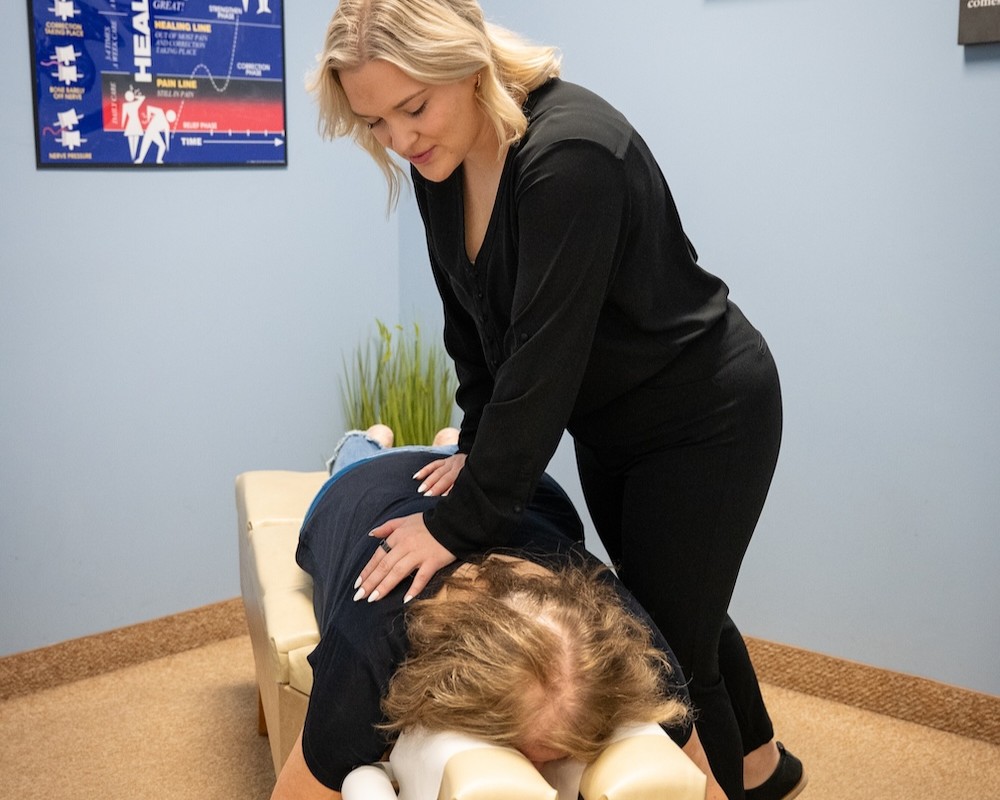
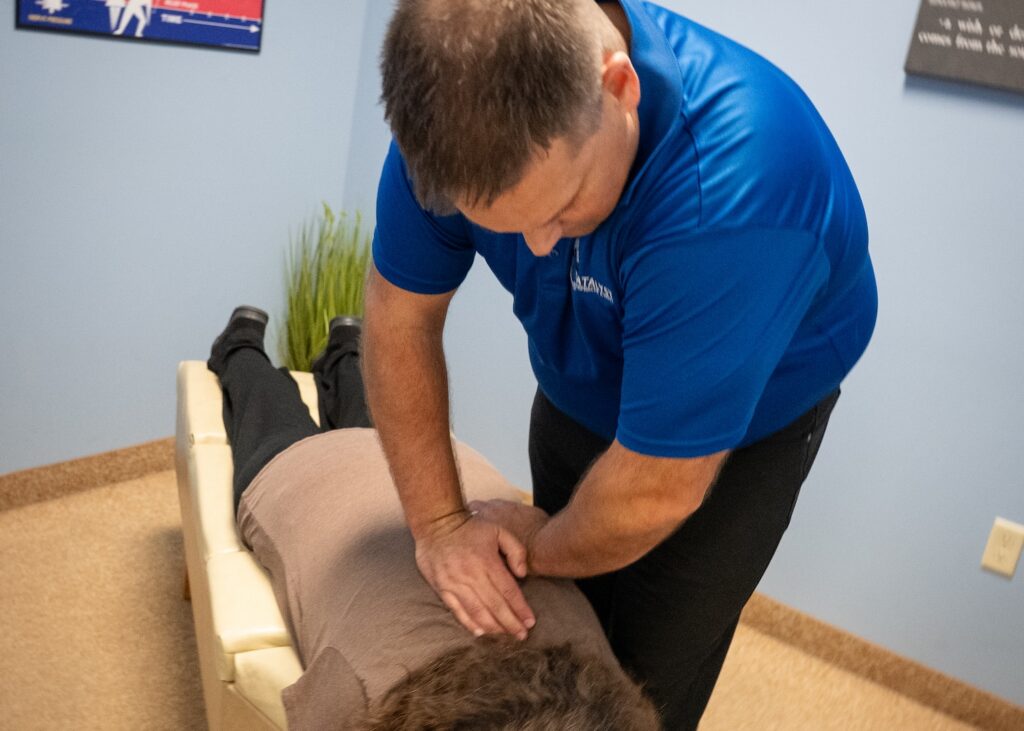
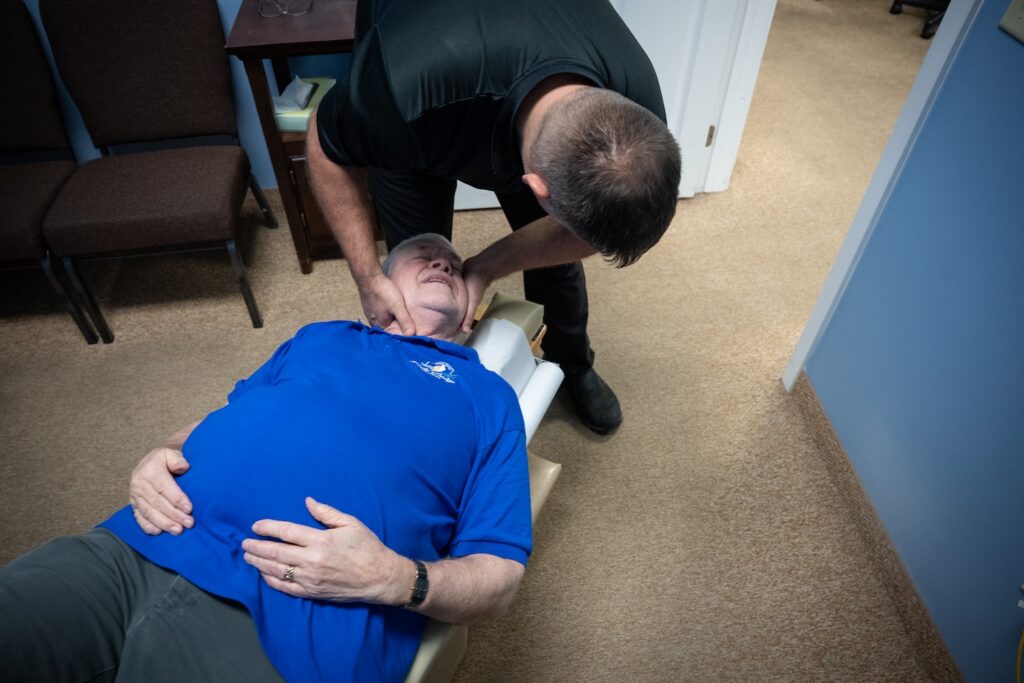
- Incorporate Chiropractic Care: Regular visits to a chiropractor can greatly enhance your mobility and flexibility. Chiropractic adjustments help align your spine, which can relieve tension and improve overall movement. This natural approach focuses on supporting your body’s ability to heal itself.
- Stay Hydrated: Drinking plenty of water is essential for muscle function and overall health. Proper hydration helps keep your muscles pliable and can aid in reducing stiffness.
- Maintain Good Posture: Be mindful of your posture throughout the day, whether you’re sitting at a desk or standing. Good posture supports spinal health and can prevent tightness in the muscles that affect mobility.
- Listen to Your Body: Pay attention to how your body feels during activities. If you experience discomfort or tightness, take a break and stretch those areas gently. Ignoring pain can lead to injuries.
- Engage in Regular Physical Activity: Consistency is key. Engaging in activities such as yoga, swimming, or walking not only boosts flexibility but also contributes to overall wellness. Find something you enjoy to make it easier to stick with.
By implementing these strategies, you can enhance your mobility and flexibility while promoting a healthier spine. Remember, chiropractic care is a natural, effective way to support your body’s journey toward optimal health. If you have any questions or need personalized advice, don’t hesitate to reach out to your local chiropractor. Let’s work together to help you move better and feel your best!
Key Takeaways
As your local chiropractor, I’m excited to share some essential tips to boost your mobility and flexibility, which are vital for overall health and well-being. Incorporating these practices into your routine can enhance your body’s natural healing processes and support your spinal health.
- Dynamic Stretching: Before your workouts, spend 5-10 minutes on dynamic stretching. This helps prepare your muscles and joints for activity and can significantly enhance your mobility. Think of it as a warm-up that gets your body ready for movement.
- Static Stretching: After your workouts, take the time to practice static stretching for your major muscle groups. Hold each stretch for 15-30 seconds. This not only aids in improving flexibility but also helps relieve tension in the muscles, which is beneficial for your spine.
- Yoga and Pilates: Consider adding yoga or Pilates to your weekly routine, aiming for two to three sessions a week. These practices promote flexibility, spinal alignment, and mindful movement, which can all contribute to a healthier spine and overall body.
- Foam Rolling: Spend 1-2 minutes on foam rolling your major muscle groups. This technique can help relieve muscle tension, improve circulation, and enhance mobility. It’s an excellent way to support your body’s natural recovery processes.
- Set Realistic Goals: Establish achievable goals for your flexibility and mobility. Track your progress to stay motivated. Remember, gradual improvements are key, and this approach aligns perfectly with the principles of chiropractic care—supporting your body’s natural ability to heal and thrive.
By incorporating these tips into your daily life, you can enhance your mobility and flexibility while supporting your overall health. Remember, chiropractic care is your best ally on this journey, helping you achieve optimal wellness through natural means. If you have any questions or need personalized advice, feel free to reach out!
Incorporate Dynamic Stretching Into Your Routine
While you may be familiar with static stretching, integrating dynamic stretching into your routine can significantly enhance your mobility and flexibility, which is vital for maintaining a healthy spine.
Dynamic stretching involves moving through a full range of motion, preparing your muscles and joints for physical activity. Simple exercises like leg swings, arm circles, and torso twists can effectively warm up your body and promote better spinal alignment.
Before you engage in any workout, consider incorporating a series of dynamic stretches that mimic the actions you’ll be performing. This approach not only primes your muscles and joints but can also boost your overall performance and reduce the risk of injury.
Aiming for 5-10 minutes of these stretches will activate your body, improve blood flow, and support your spinal health.
You can also weave dynamic stretching into your daily routine—perhaps during breaks at work or before recreational activities. The key is to move fluidly and intentionally, maintaining controlled motions.
By adding dynamic stretching to your regimen, you may notice significant improvements in your overall flexibility and mobility, which are essential for optimal health and well-being.
Remember, chiropractic care plays a crucial role in supporting your spine and overall health. Regular visits can help ensure that your body functions at its best, allowing you to enjoy the benefits of dynamic stretching and other wellness practices.
Practice Static Stretching Post-Workout
After a workout, taking just 5-10 minutes to engage in static stretching can significantly benefit your flexibility and support muscle recovery. This form of stretching involves holding a position for a specific duration, typically 15-30 seconds, allowing your muscles to elongate and enhancing your overall range of motion.
Focus on the major muscle groups you’ve used, such as your hamstrings, quadriceps, and shoulders. As you stretch, remember to breathe deeply and ease into each position. Avoid bouncing, as that can lead to unwanted strain or injury. It’s crucial to listen to your body; if you experience pain, gently ease off the stretch.
By incorporating static stretching into your post-workout routine, you not only reduce stiffness but also promote blood flow, which is vital for muscle recovery and overall well-being. Making this practice a regular part of your routine can lead to noticeable improvements in flexibility over time.
Moreover, it’s an excellent way to wind down and reflect on your workout, helping your mind and body transition back to a resting state. As a chiropractor, I encourage you to consider how maintaining flexibility and muscle health contributes to a well-functioning spine and overall health.
Chiropractic care can play a crucial role in this journey, providing natural ways to relieve pain and enhance your body’s performance. By prioritizing stretching along with regular chiropractic adjustments, you can ensure a holistic approach to your health and wellness, promoting a balanced lifestyle that supports your body’s natural healing processes.
Utilize Foam Rolling for Myofascial Release
Foam rolling can be a fantastic addition to your routine for muscle recovery and flexibility, especially when combined with chiropractic care. By targeting tight areas in your body, foam rolling helps relieve tension, enhances your overall mobility, and can complement the adjustments and treatments you receive from your chiropractor.
Here are some benefits of foam rolling and techniques to help you maximize its effectiveness:
- Relief of Muscle Tension: Just like chiropractic adjustments help realign your spine and relieve nerve pressure, foam rolling can help break down knots in your muscles. This can lead to improved blood flow and faster recovery after physical activity.
- Improved Mobility: Regular foam rolling can help maintain or increase your range of motion, making it easier for you to perform daily activities. This is especially important for those who may experience stiffness due to poor posture or spinal misalignments.
- Self-Care Routine: Incorporating foam rolling into your self-care routine can enhance the benefits of your chiropractic visits. It allows you to take an active role in your recovery and wellness.
Techniques to Try:
- Target Major Muscle Groups: Focus on areas that tend to hold tension, such as your back, thighs, and calves. Spend about 1-2 minutes rolling each area to help release tightness.
- Use Your Body Weight: For deeper pressure, lean into the foam roller and use your body weight to apply more force. Just be cautious not to roll directly over bony areas or joints.
- Breathe and Relax: As you roll, remember to breathe deeply and relax your muscles. This will help facilitate the release of tension and make the process more effective.
- Combine with Chiropractic Care: Consider scheduling regular chiropractic visits alongside your foam rolling practice. Your chiropractor can provide specific recommendations tailored to your needs.
Remember, foam rolling is a tool to enhance your health and wellness journey, but it works best in conjunction with regular chiropractic care. By addressing both muscle tightness and spinal alignment, you can achieve optimal health and well-being.
Embrace this holistic approach, and enjoy the benefits of a healthier, pain-free life!
Benefits of Foam Rolling
As a local chiropractor, I want to share how foam rolling can be a powerful tool for enhancing your mobility and flexibility through a technique called myofascial release. This simple practice can help ease muscle tension, improve blood circulation, and support your recovery after physical activities. By gently rolling over tight areas, you can help break up fascia, which in turn promotes better movement patterns and overall body function.
Here’s a quick overview of the key benefits of foam rolling:
| Benefit | Description |
|---|---|
| Increased Flexibility | Helps stretch and lengthen muscles, improving your range of motion |
| Pain Relief | Alleviates soreness and discomfort in your muscles, promoting a more comfortable daily life |
| Enhanced Recovery | Aids in healing after workouts, allowing you to bounce back quicker |
Incorporating foam rolling into your routine can help you feel more agile and ready to engage in your favorite activities. You may notice significant improvements in your overall performance and well-being.
Techniques and Tips
Unlock your body’s potential and promote optimal health by incorporating effective foam rolling techniques into your wellness routine. As a chiropractor, I believe that enhancing your mobility and flexibility through natural methods can significantly improve your overall well-being.
Here are some simple tips to help you get started with foam rolling, which complements chiropractic care for pain relief and better health:
- Target Specific Areas: Pay special attention to tight muscles such as your quads, calves, and upper back. These areas can often benefit from additional care, especially if you experience discomfort or tension.
- Utilize Different Pressure: Adjust your body weight on the foam roller to control how much pressure you apply. Use lighter pressure on sensitive areas and more pressure on tighter spots. This way, you can find a level of comfort that allows for effective relief.
- Roll Slowly: Take your time as you roll over each muscle group. Spending 1-2 minutes on each area can help facilitate proper myofascial release, which is essential for reducing tension and improving mobility.
- Breathe Deeply: Focus on deep, controlled breaths while foam rolling. This practice not only helps relax your muscles but also enhances the effectiveness of the rolling process, allowing you to feel the benefits more fully.
Incorporating these foam rolling techniques into your routine can serve as a natural way to support your body’s healing processes.
Engage in Regular Yoga or Pilates Sessions
Incorporating regular yoga or Pilates sessions into your routine can be a wonderful complement to your chiropractic care, enhancing your mobility and overall flexibility. Both practices focus on controlled movements and stretching, which can help your muscles lengthen and become more pliable, supporting the adjustments you receive from your chiropractor.
Yoga promotes deep breathing and mindful movements, allowing you to connect your body and mind. Poses like Downward Dog and Warrior II not only help increase your range of motion but also facilitate better spinal alignment and posture.
Meanwhile, Pilates emphasizes core strength and stability, which is crucial for maintaining a healthy spine and can greatly support your chiropractic treatment.
To reap the benefits of these practices, aim for at least two to three sessions per week. Look for classes that match your skill level, whether you’re just starting or have some experience. Even short sessions can provide significant benefits.
Over time, you’ll notice improvements in your physical capabilities, along with enhanced relaxation and mental clarity.
Remember, while yoga and Pilates are excellent for supporting your overall wellness, they should be seen as part of a holistic approach that includes regular chiropractic care. Together, they can help you achieve optimal health and a pain-free life.
Focus on Strength Training for Joint Stability
To enhance your joint stability and overall health, strength training is a crucial component of your wellness routine. By building muscle, you not only improve strength but also provide support for your joints, helping to reduce the risk of injury.
As a local chiropractor, I believe that a strong foundation leads to better spinal alignment and optimal health. Here are four key exercises to incorporate into your routine for better joint stability:
- Squats: These are fantastic for strengthening your quadriceps and hamstrings, which in turn provide essential stability for your knees. Focus on keeping your back straight and your knees aligned with your toes as you squat down.
- Deadlifts: This exercise targets your hamstrings and lower back, enhancing your overall strength and support for your joints. Make sure to keep your spine neutral and engage your core to protect your back while lifting.
- Lunges: Not only do lunges work your legs, but they also improve balance and coordination. This exercise stabilizes your hips and knees, making it a great addition to your routine. Remember to take a step forward while keeping your front knee aligned over your ankle.
- Planks: Engaging your core is vital for maintaining good posture and reducing pressure on your joints. Planks help strengthen your entire core, which supports your spine and helps prevent discomfort.
Incorporating these exercises into your routine can help you build a solid foundation for joint stability. Always remember to focus on proper form to maximize the benefits and minimize the risk of injury.
Additionally, regular chiropractic care can enhance your strength training efforts by ensuring that your spine is aligned, promoting better movement patterns and overall wellness.
Stay mindful of your body’s signals and don’t hesitate to reach out for a chiropractic assessment if you experience any discomfort. Together, we can work towards achieving your health goals and improving your quality of life.
Happy training!
Prioritize Consistency and Gradual Progression
To enhance your mobility and flexibility, it’s essential to set realistic goals that align with your current abilities. Tracking your progress not only keeps you motivated but also shows you how far you’ve come on your journey to wellness.
Remember, consistency and gradual progression are vital for achieving lasting results.
As a chiropractor, I want to emphasize that chiropractic care plays a crucial role in improving your overall mobility and flexibility. By addressing misalignments in your spine, chiropractic adjustments can help relieve pain and restore function, making it easier for you to reach your fitness goals.
Here are some tips to help you on your path to better health:
- Stay Consistent: Regular chiropractic visits can help maintain your spinal health. Consider making it a part of your routine to ensure you’re moving towards your goals.
- Listen to Your Body: Pay attention to how your body feels during activities. If something doesn’t feel right, consult with your chiropractor for guidance.
- Incorporate Gentle Stretching: Simple stretches can improve flexibility and are best done after a chiropractic adjustment when your body is aligned.
- Hydrate: Drinking plenty of water supports overall health and helps keep your muscles and joints functioning well.
- Take Breaks: If you’re working on specific exercises or tasks, remember to take breaks to avoid overexertion.
By prioritizing chiropractic care and following these simple tips, you can achieve greater mobility and flexibility while promoting your overall well-being naturally.
Your spine is the foundation of your health, and taking care of it is key to living a pain-free and active life.
Set Realistic Goals
Setting realistic goals is crucial for enhancing your mobility and flexibility, especially when you’re looking for natural ways to improve your overall health and wellness. By establishing achievable targets, you not only stay motivated but also create a clear path toward better movement without feeling overwhelmed.
Here are some friendly tips to help you set those goals effectively:
- Start Small: Concentrate on one or two specific areas of mobility, like improving your hip or shoulder flexibility. Small changes can lead to big improvements.
- Be Specific: Clearly define what success means for you. For example, aim to be able to touch your toes or perform a gentle stretch without discomfort.
- Set Timeframes: Give yourself a reasonable timeline to achieve your goal. For instance, consider a six-week period to work on your flexibility. This gives you a structured approach without rushing your progress.
- Celebrate Milestones: Recognize and celebrate your progress along the way, no matter how minor it may seem. Each step forward is a victory in your journey toward better mobility.
Incorporating chiropractic care into your routine can also support your mobility goals. Regular adjustments can help align your spine, improve your body’s function, and relieve tension, making it easier to achieve your flexibility targets.
Track Your Progress
Tracking your progress is crucial for improving your mobility and flexibility, and it also helps you stay accountable and motivated on your journey to optimal health. As a chiropractor, I encourage you to keep a journal or use a simple app to log your daily exercises and stretches. This won’t only help you see how far you’ve come but also allow you to note how your body feels and any improvements you experience, such as increased range of motion or reduced stiffness.
Setting specific milestones can be incredibly rewarding—celebrate those small victories because they contribute to your overall well-being! Consistency is vital, so aim to gradually progress in your routine. If you ever feel like you’ve hit a plateau, don’t hesitate to try new stretches or mobility drills; variety can keep your body engaged and responsive.
Remember, progress isn’t always a straight path, and it’s important to be patient with yourself. By tracking your journey, you’ll gain a better understanding of your body’s needs, which is essential for maintaining flexibility and promoting a healthier lifestyle.
In addition to your mobility exercises, consider incorporating chiropractic care into your wellness routine. Chiropractic adjustments can help align your spine, reduce pain, and enhance your overall mobility, making it easier for you to continue with your stretching and strengthening exercises.
Listen to Your Body and Rest When Needed
While pushing your limits can lead to personal growth, it’s crucial to listen to your body for the sake of your overall health and well-being. Ignoring signs of fatigue or discomfort can lead to injuries that not only hinder your progress but also affect your spinal health.
Here’s how you can better tune in to your body while emphasizing the importance of chiropractic care:
- Recognize Pain: It’s important to differentiate between discomfort and actual pain. If something feels off, it’s wise to consult a chiropractor rather than pushing through the pain. They can help identify the root cause and guide you on the path to recovery.
- Schedule Rest Days: Just as your muscles need time to recover, your spine does too. Incorporating rest days into your routine is essential for overall recovery and optimal spinal health. A chiropractor can provide insights on how to balance activity and rest effectively.
- Assess Fatigue Levels: Feeling unusually tired can be a sign that your body needs a break. Listening to these cues and allowing yourself to rest can enhance your overall wellness and prevent spinal strain. Chiropractic adjustments can also help alleviate fatigue by improving your body’s function.
- Stay Hydrated: Proper hydration is vital for preventing muscle cramps and fatigue. Drinking enough water supports your overall health, including the health of your spine. Remember, a well-hydrated body functions better and can reduce the risk of injury.
Incorporating these practices into your routine can’t only promote better physical health but also enhance your overall wellness.
Conclusion
By incorporating these simple tips into your daily routine, you can significantly enhance your mobility and flexibility, which is essential for overall health and wellness. Start by including dynamic stretching before your workouts to prepare your body, and follow up with static stretching afterward to aid recovery. Don’t overlook the advantages of foam rolling, yoga, and strength training, which can help maintain joint stability and support your spinal health.
As a chiropractor, I encourage you to stay consistent with these practices and progress at a pace that feels comfortable for your body. It’s important to listen to your body and recognize when you need to rest or modify your activities. Chiropractic care can play a crucial role in your journey to improved mobility by addressing any spinal misalignments that may be limiting your movement and causing discomfort.
Remember, achieving your mobility goals is a gradual process that requires dedication and care. By prioritizing chiropractic adjustments alongside these tips, you’ll not only relieve pain naturally but also enjoy a more active and fulfilling lifestyle. Keep moving, stretching, and taking care of your spine!