Chiropractic Care vs. Medication: Choosing the Right Neck Pain Treatment
 Dr. Bob Vaughn
Neck pain has a way of making even the simplest tasks feel impossible — turning your head to check traffic, looking down at your phone, or just trying to sleep comfortably at night. If you've been dealing with persistent neck pain, you've probably wondered whether to reach for the ibuprofen in your medicine cabinet or finally make an appointment with a chiropractor. It's a question that comes up constantly here at Catalyst Chiropractic And Rehab in Blaine, MN, and it's one worth exploring carefully. The choice between chiropractic care and medication isn't always black and white, but understanding how each approach works — and what the evidence says — can help you make a more informed decision for your own health.
What is the difference between chiropractic care and medication for neck pain? Chiropractic care addresses the structural and mechanical causes of neck pain through hands-on treatment — including spinal adjustments, soft tissue work, and rehabilitative exercises — without drugs or surgery. Medication, on the other hand, primarily manages the sensation of pain and inflammation but does not address any underlying biomechanical issues driving the problem. Both have a role in pain management, but they work in very different ways.
- Understanding Neck Pain and Why It Happens
- How Medication Manages Neck Pain
- How Chiropractic Care Addresses Neck Pain
- What Chiropractic Care Looks Like at Catalyst Chiropractic And Rehab
- Practical Tips for Supporting Neck Health at Home
- When to See a Chiropractor for Neck Pain
- Chiropractic vs. Medication: A Side-by-Side Look
- Myths vs. Facts About Neck Pain Treatment
- Final Thoughts from Catalyst Chiropractic And Rehab
Understanding Neck Pain and Why It Happens
Your neck — or cervical spine — is an engineering marvel. It supports the full weight of your head (roughly 10 to 12 pounds) while allowing a remarkable range of motion in multiple directions. That combination of load-bearing and mobility makes it one of the most vulnerable areas of the spine. When something goes wrong in the cervical spine, the effects can ripple outward quickly, causing pain, stiffness, headaches, and even tingling or numbness down into the arms.
Here in Blaine, MN, many patients come into Catalyst Chiropractic And Rehab reporting neck pain that developed gradually — often from long hours at a desk, prolonged screen time, or sleeping in an awkward position. Others arrive after a sudden injury like a car accident or a sports collision. Some of the most common underlying causes include muscle strain and tension, cervical joint dysfunction, disc problems, nerve irritation, and poor postural habits that place prolonged stress on the cervical structures.
What makes neck pain particularly tricky is that the source isn't always obvious. Surface-level muscle tightness may actually be protecting a deeper joint problem. Referred pain from the neck can mimic headaches or even shoulder issues. This is exactly why understanding the root cause matters — not just managing the symptom.
How Medication Manages Neck Pain
Medication is often the first thing people reach for when neck pain hits — and there are situations where it genuinely helps. Over-the-counter options like ibuprofen or naproxen (NSAIDs) reduce inflammation and block pain signals, offering real short-term relief. Muscle relaxants can ease painful spasms. Prescription medications, including stronger pain relievers or nerve medications, may be recommended for more severe or nerve-related symptoms.
The key word with most medication, however, is management. These drugs are very good at reducing the experience of pain, which can allow you to function and sleep better in the short term. But they don't restore joint mobility. They don't correct a misaligned cervical vertebra. They don't retrain the muscles supporting your neck. Once the medication wears off, whatever structural or mechanical issue was driving the pain is still there — untouched.
Long-term medication use also carries real considerations. NSAIDs used over extended periods can irritate the gastrointestinal tract and may affect kidney or cardiovascular health. Stronger medications carry risks of dependency or side effects that require careful medical supervision. This doesn't mean medication is bad — it means it's a tool with a specific purpose, and it works best when used appropriately as part of a broader care plan rather than as a standalone, indefinite solution.
How Chiropractic Care Addresses Neck Pain
Chiropractic care takes a fundamentally different approach. Rather than suppressing pain signals, it aims to identify and treat the mechanical dysfunction that is generating the pain in the first place. The cervical spine is made up of seven vertebrae, each with facet joints, discs, nerve roots, and surrounding soft tissues. When any of these structures are stressed, irritated, or restricted in their normal movement, pain and dysfunction follow.
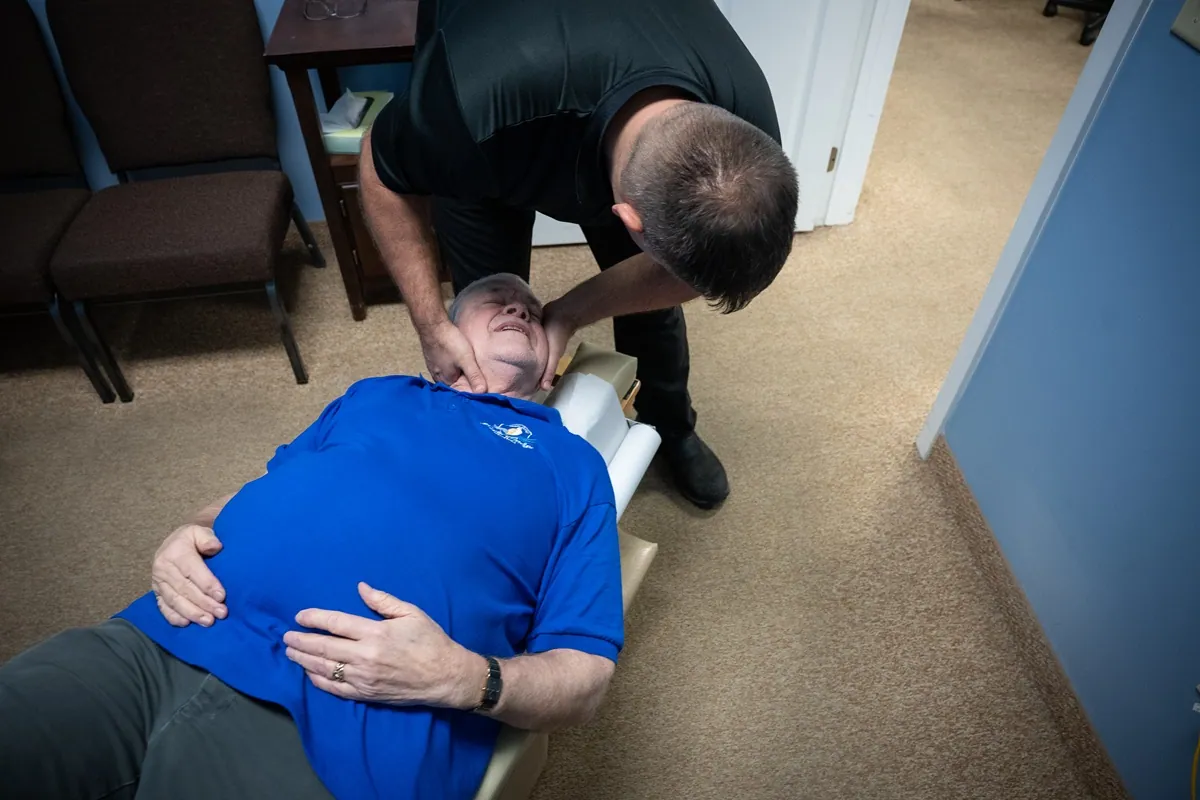
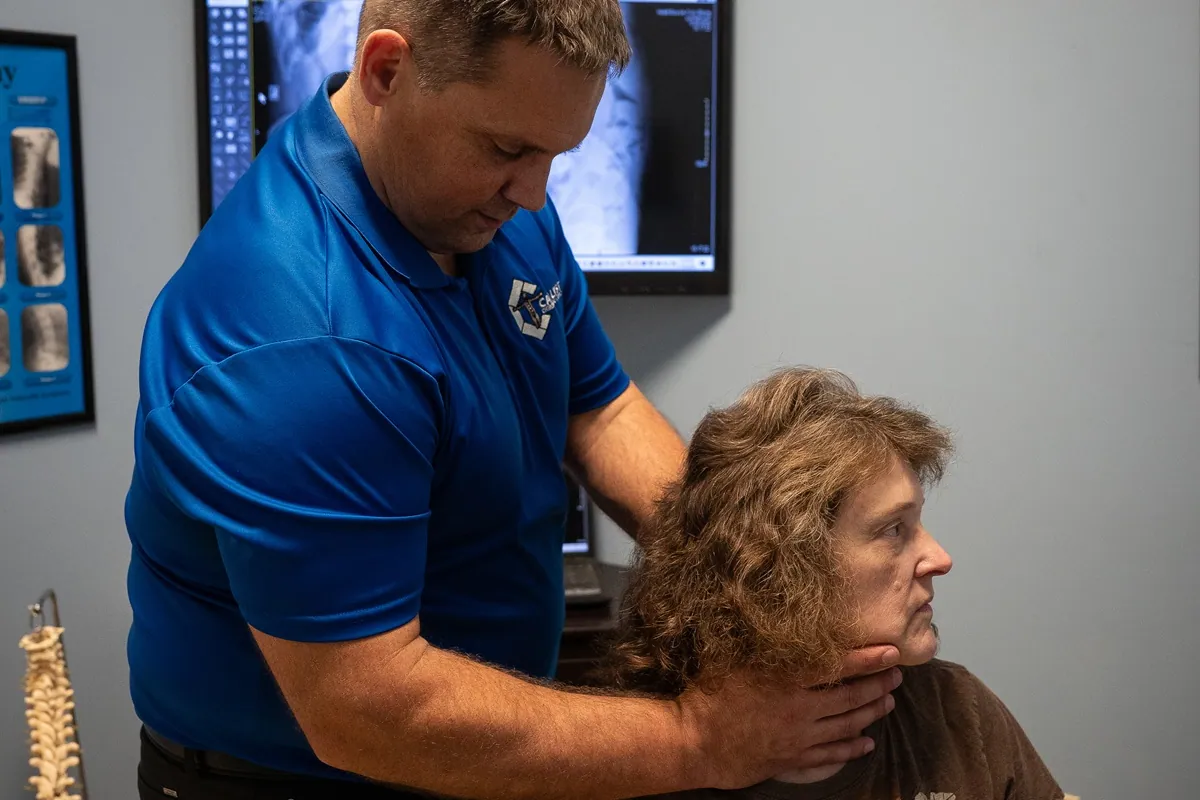
Spinal adjustments — the hands-on technique chiropractors are best known for — restore proper joint motion to restricted segments of the cervical spine. When a joint is moving the way it should, surrounding muscles can relax, nerve irritation often decreases, and the body is better positioned to heal naturally. Beyond adjustments, chiropractic care typically includes soft tissue therapies, postural correction, and targeted rehabilitative exercises that build strength and stability in the muscles supporting the neck.
Evidence from organizations like the National Center for Complementary and Integrative Health (NCCIH) and the American College of Physicians (ACP) suggests that spinal manipulation is a reasonable and effective option for acute and chronic neck pain. Research indicates it may be particularly helpful for cervicogenic headaches — headaches that originate from dysfunction in the cervical spine — which are often misidentified as migraines or tension headaches. The goal of chiropractic care isn't just temporary relief. It's restoring function and helping patients understand and correct the patterns that led to pain in the first place.
To get a visual sense of what chiropractic neck care can look like, Dr. Bob Vaughn has shared an informative video that walks through some of the key concepts:
What Chiropractic Care Looks Like at Catalyst Chiropractic And Rehab
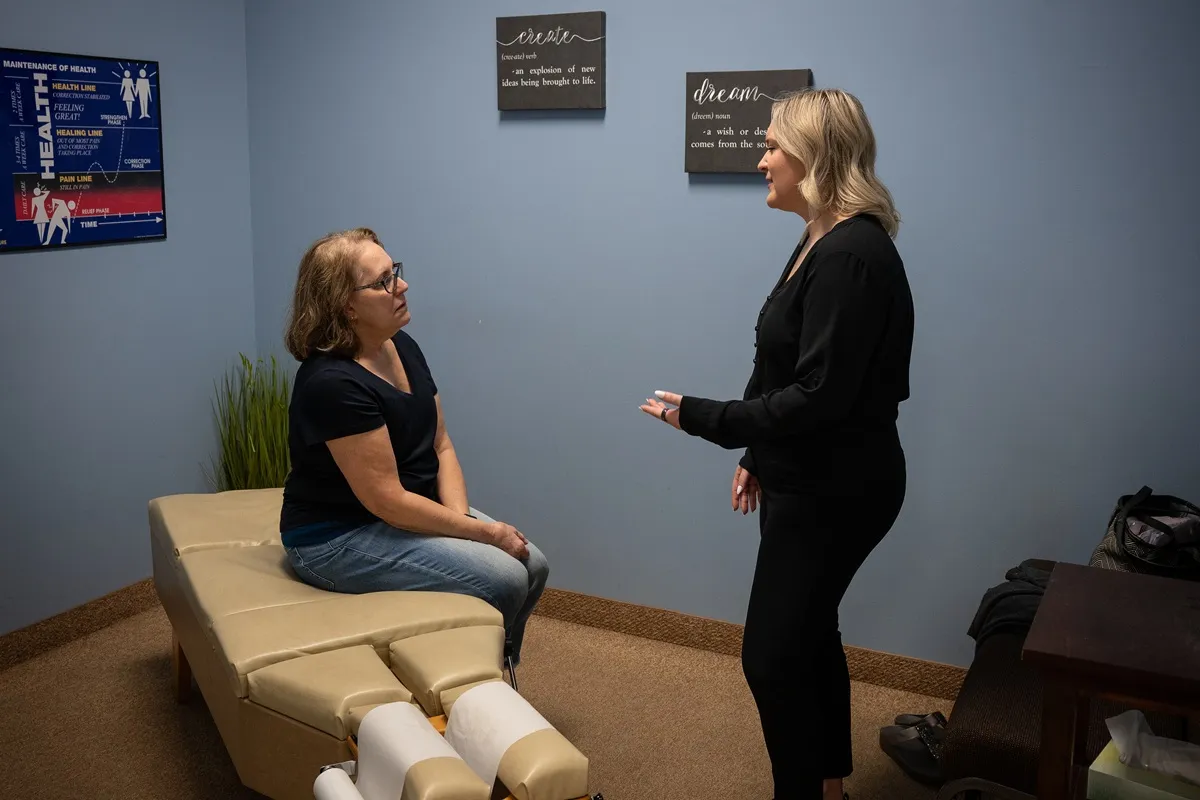
At Catalyst Chiropractic And Rehab in Blaine, MN, Dr. Bob Vaughn takes a thorough, individualized approach to every neck pain patient who walks through the door. Care doesn't begin with a one-size-fits-all adjustment. It begins with a detailed history and examination to understand what is actually driving your symptoms — where the restriction is, which muscles are compensating, and how your posture and movement patterns may be contributing.
From there, Dr. Bob Vaughn develops a personalized care plan that may include cervical spinal adjustments, myofascial release and soft tissue therapy, therapeutic exercises for cervical stabilization, ergonomic and postural guidance, and education about daily habits that may be making symptoms worse. The goal is always to move you from pain and limitation toward genuine recovery and long-term resilience — not just to get you through the next few days symptom-free.
Dr. Bob Vaughn also recognizes that some cases require collaboration. If a patient's symptoms suggest something beyond the scope of conservative chiropractic care — such as signs of serious nerve compression or vascular issues — a prompt referral to the appropriate medical professional is part of responsible, ethical care. At Catalyst Chiropractic And Rehab, your overall health always comes first.
Practical Tips for Supporting Neck Health at Home
Whether you're currently receiving chiropractic care or simply trying to prevent neck pain from developing, there are meaningful steps you can take at home. These aren't magic fixes, but they reinforce the work done in the clinic and address the daily habits that often drive cervical problems in the first place.
Start with your workstation. If you spend hours at a computer each day, your monitor should be at eye level — not tilted up or down. Your keyboard and mouse should allow your elbows to rest at roughly 90 degrees. A chair with proper lumbar support helps the entire spine stay in alignment, which takes indirect pressure off the neck. Small adjustments to your setup can make a significant difference over time.
Pay attention to how you hold your phone. "Tech neck" — the forward head posture that develops from looking down at a screen for extended periods — places enormous strain on the cervical spine. For every inch your head moves forward of its natural position, the effective load on your neck increases significantly. Try holding your phone closer to eye level and taking regular breaks from screen time throughout the day.
Sleep position matters too. Sleeping on your stomach forces your neck into prolonged rotation and extension, which stresses the joints and muscles overnight. Side or back sleeping with a supportive pillow that keeps your cervical spine in a neutral position is generally more neck-friendly. If you're unsure what pillow type is right for you, Dr. Bob Vaughn can offer guidance during your visit.
When to See a Chiropractor for Neck Pain
Not every stiff neck requires a chiropractic visit. If you slept in an awkward position and feel mild tension that improves within a day or two with gentle movement and rest, your body may resolve it on its own. But there are clear signs that it's time to seek professional evaluation.
Consider seeing Dr. Bob Vaughn at Catalyst Chiropractic And Rehab in Blaine, MN if your neck pain has lasted more than a week without improvement, if it followed an injury or accident, if it's accompanied by headaches that keep returning, or if you're noticing pain, tingling, or weakness that travels into your shoulder, arm, or hand. These patterns suggest something mechanical is at play that needs professional attention.
There are also important red flags that warrant immediate medical care rather than chiropractic evaluation. These include neck pain that follows significant trauma and is severe or worsening rapidly, pain accompanied by fever, unexplained weight loss, or night sweats, difficulty swallowing or breathing, and any loss of bladder or bowel control. These symptoms require urgent medical attention and Dr. Bob Vaughn would refer you appropriately if any of these presented during an examination.
Chiropractic vs. Medication: A Side-by-Side Look
| Category | Chiropractic Care | Medication |
|---|---|---|
| Primary Goal | Restore joint function, reduce mechanical pain sources | Reduce pain sensation and inflammation |
| Addresses Root Cause? | Yes — identifies and treats structural/mechanical dysfunction | Generally no — manages symptoms without correcting source |
| Invasiveness | Non-invasive, hands-on, drug-free | Non-invasive but involves systemic chemical effects |
| Short-Term Relief | Can provide relief, may take several visits | Often faster initial symptom relief |
| Long-Term Results | Aims for lasting improvement with rehab and lifestyle changes | Relief typically ends when medication stops |
| Side Effect Risk | Low when care is appropriate; mild soreness possible | GI irritation, cardiovascular risk (NSAIDs), dependency risk (opioids) |
| Patient Education | Includes postural, ergonomic, and lifestyle guidance | Typically focused on dosage and symptom monitoring |
| Best Used For | Mechanical neck pain, cervicogenic headaches, joint restriction | Acute pain management, inflammatory conditions, nerve pain support |
Myths vs. Facts About Neck Pain Treatment
Myth: Chiropractic adjustments to the neck are dangerous.
Fact: Cervical chiropractic adjustments have a strong safety record when performed by a licensed, trained chiropractor following a proper examination. Serious adverse events are extremely rare. Dr. Bob Vaughn performs thorough evaluations before any treatment to ensure each technique is appropriate and safe for the individual patient.
Myth: If I just take pain medication long enough, my neck pain will go away on its own.
Fact: Medication can help manage symptoms while the body heals, but chronic or recurring neck pain is rarely resolved by pain relief alone. Without addressing the underlying mechanical dysfunction, many patients find their pain returns — often repeatedly — leading to long-term reliance on medication without actual resolution.
Myth: Neck pain is just part of getting older and there's nothing you can do about it.
Fact: While degenerative changes in the cervical spine are common with age, they don't have to mean pain and limitation. Research suggests that chiropractic care, appropriate exercise, and postural improvements can significantly reduce pain and improve function even in older adults with degenerative cervical conditions. Age is not a sentence.
Myth: You should stay completely still and rest when your neck hurts.
Fact: Prolonged rest and immobility can actually worsen neck pain over time by weakening supporting muscles and increasing joint stiffness. Gentle, guided movement — guided by a professional like Dr. Bob Vaughn — is typically more beneficial than complete rest for most mechanical neck pain presentations.
Myth: Chiropractic care and medication are always competing options.
Fact: In many cases, they're complementary. A patient may use short-term medication to manage acute pain while beginning chiropractic care that addresses the root cause. Good chiropractors — including our team at Catalyst Chiropractic And Rehab — work collaboratively with other healthcare providers when appropriate, always prioritizing what's best for the patient.
Final Thoughts from Catalyst Chiropractic And Rehab
Neck pain is one of the most common reasons people seek care, and the good news is that most cases respond well to conservative treatment. Here in Blaine, MN, the team at Catalyst Chiropractic And Rehab sees patients every week who have been managing their neck pain with medication for months — sometimes years — without ever getting to the bottom of what's causing it. Many of them are surprised by how much progress is possible when the underlying mechanical issues are finally addressed.
Dr. Bob Vaughn's approach at Catalyst Chiropractic And Rehab is never about dismissing medication or telling patients that chiropractic is the only answer. It's about helping each person understand their body, understand their options, and make confident, informed decisions about their care. Whether you're dealing with a recent flare-up or a long-standing problem, you deserve a care experience that actually aims to help you feel better and stay better.
If neck pain has been holding you back, consider reaching out to Catalyst Chiropractic And Rehab in Blaine, MN to schedule a thorough evaluation. You don't have to keep managing symptoms in place of real answers.
Frequently Asked Questions
Is chiropractic care safe for neck pain?
Yes, cervical chiropractic care has a well-established safety profile when performed by a licensed chiropractor following a thorough patient evaluation. Dr. Bob Vaughn assesses each patient individually to determine which techniques are appropriate and safe for their specific condition and health history.
How many chiropractic visits does it take to see improvement in neck pain?
This varies depending on the nature, severity, and duration of the problem. Some patients notice improvement within a few visits, while chronic or more complex conditions may require a longer course of care. Dr. Bob Vaughn discusses realistic expectations and progress benchmarks with each patient early in the process.
Can I see a chiropractor while also taking medication for neck pain?
In most cases, yes. Chiropractic care and appropriate medication use are not mutually exclusive, and many patients benefit from both during different phases of recovery. It's always a good idea to let both your prescribing physician and your chiropractor know what you're taking so your care can be properly coordinated.
What causes neck pain to keep coming back?
Recurring neck pain is often the result of unresolved mechanical dysfunction, postural habits, repetitive strain, or inadequate rehabilitation of the supporting muscles. Chiropractic care paired with targeted exercises and lifestyle modifications is designed to address these underlying patterns, not just the episodes of pain as they occur.
Is chiropractic care only for severe neck pain?
Not at all. Chiropractic evaluation is appropriate for a wide spectrum of neck symptoms — from mild stiffness and tension to more significant pain, restricted movement, or nerve-related symptoms. Early intervention often leads to faster and more complete recovery, so you don't need to be in severe pain to benefit from care.
Can poor posture really cause neck pain?
Yes, and it's one of the most common contributing factors we see at Catalyst Chiropractic And Rehab in Blaine, MN. Sustained forward head posture — especially from computer and phone use — dramatically increases the load on the cervical spine and surrounding muscles, leading to pain, tension, and eventual joint dysfunction over time.
TL;DR
- Medication manages neck pain symptoms but typically doesn't address the underlying mechanical dysfunction causing them.
- Chiropractic care, as practiced by Dr. Bob Vaughn at Catalyst Chiropractic And Rehab in Blaine, MN, aims to identify and treat the structural causes of neck pain for more lasting results.
- Both approaches have a role — they can complement each other — but chiropractic care is uniquely positioned to restore joint function, correct posture, and reduce the likelihood of recurring pain.
- Red flags like severe trauma, fever, unexplained weight loss, or neurological symptoms require urgent medical attention rather than chiropractic care alone.
- Simple daily habits — monitor height, phone positioning, sleep posture — make a meaningful difference in long-term cervical spine health.